
Sauces & Condiments
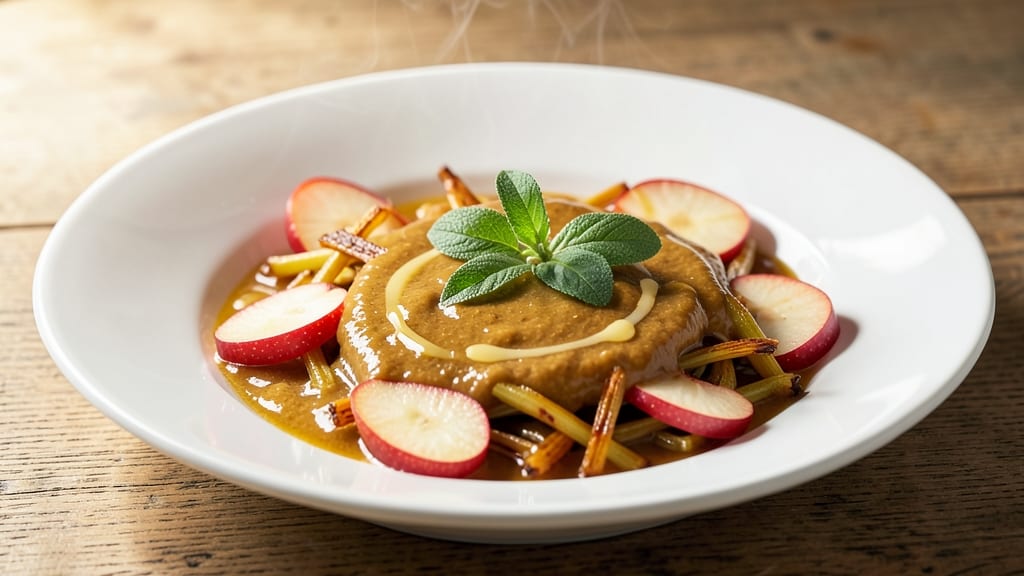
This apple and sage sauce recipe transforms simple ingredients into a velvety, aromatic sauce that elevates everything from holiday roasts to gourmet desserts. The secret lies in caramelizing celery with apples and sage, creating layers of sweet, earthy, and herbal flavors that linger long after the first bite.
What starts as a humble sauce becomes a showstopper when drizzled over pork tenderloin or spooned alongside mashed potatoes.
The process is straightforward yet transformative: celery and apples cook down into a rich base, while fresh sage infuses the sauce with its signature piney aroma. A touch of butter and a splash of broth round out the texture, ensuring it’s silky-smooth without being heavy.
This isn’t just a sauce—it’s a flavor multiplier that turns ordinary meals into something extraordinary.
Perfect for holiday feasts or weeknight dinners, this sauce keeps beautifully in the fridge for up to five days, making it ideal for meal prep.
Whether you’re pairing it with roasted meats, stuffing, or even a drizzle over vanilla ice cream, the balance of sweet, savory, and herbal notes makes it endlessly versatile. The best part? It’s easier to make than you’d think.
Once you taste the way the caramelized apples and sage meld into a cohesive, aromatic sauce, you’ll reach for this recipe time and time again. It’s the kind of condiment that makes you feel like a home chef—no fancy techniques required, just thoughtful layering of flavors.
Let’s get started on creating something truly special.
Ingredients for apple and sage sauce
Nine simple ingredients transform into a velvety sauce with caramelized celery and apples.
| Ingredient | Amount | Notes |
|---|---|---|
| Celery Stems 🧅 | 2 cups | Diced into small pieces |
| Apples 🍎 | 2 medium | Peeled, cored, chopped |
| Fresh Sage Leaves 🌿 | ½ cup | Chopped finely (about 12 leaves) |
| Unsalted Butter 🧈 | ½ cup | Cold, cubed for browning |
| Chicken or Vegetable Broth 💧 | 1 cup | Low-sodium preferred |
| Apple Cider Vinegar 🍏 | 1 tbsp | For brightness |
| Granulated Sugar 🍚 | 1 tbsp | Balances flavors |
| Salt 🧂 | ½ tsp | Kosher or sea salt |
| Black Pepper 🌶️ | ¼ tsp | Freshly ground |
Celery and apples are the flavor foundation—look for celery with crisp, firm stalks and apples with natural sweetness like Honeycrisp or Fuji. Trader Joe's and Whole Foods often have pre-washed bags of celery, but I prefer the bulk bins for freshness. Apples should be firm, not mushy—avoid any with brown spots. Sage is key here: fresh leaves from the grocery store's produce section (not dried) give that signature piney aroma. If you're using dried sage, reduce to one-third the amount, but fresh is worth the extra minute to chop.
No apples on hand? Pears work beautifully—they caramelize just as well. Short on celery? Fennel bulb adds a similar earthy note. Butter can be swapped for vegan butter or olive oil, though butter gives that rich mouthfeel. The vinegar might seem like an odd addition, but it cuts through the sweetness and adds depth. Apple cider vinegar is best, but white vinegar in a pinch works too. For extra richness, stir in a splash of heavy cream at the end—just don't add it too early or the sauce will curdle.
This sauce keeps for 5-6 days in the fridge, sealed in an airtight container. The flavor actually improves overnight as everything melds. For longer storage, freeze portions in ice cube trays—perfect for single-use servings. Reheat gently on the stove with a splash of water or broth to loosen it up. I make double batches because it disappears fast—especially when drizzled over roasted pork or mashed potatoes. Trust me, you'll want leftovers.
Why You'll Love This Recipe
- Pantry-Friendly Magic: I swear by this sauce because it uses ingredients I always have—celery stems (don’t toss them!), a couple of apples, and a handful of sage from my windowsill. No fancy shopping list, just what’s already lurking in your fridge or pantry.
- Sage & Apple Harmony: That buttery, caramelized apple sweetness with earthy sage? It’s like fall in a bowl—warm, bright, and just a little bit sophisticated. The broth deepens it into something richer than you’d expect from such simple stuff.
- Dinner Party Ready: Serve it over roasted chicken, toss it with mashed potatoes, or drizzle it on grilled fish—it’s the kind of sauce that makes any meal feel special. (Yes, even on a Tuesday night.)
- Leftovers That Shine: This sauce actually improves the next day—thicker, more concentrated, and perfect for reheating with a splash of broth. I’ve frozen it for months; just thaw and use. Zero waste, all flavor.
Step-by-step instructions for apple and sage sauce
This caramelized apple and sage sauce brings cozy depth to any dish—here's how to make it shine.
Sauté Celery Until Golden
Heat a large skillet over medium heat and add the 2 cups diced celery stems. Cook for 8-10 minutes, stirring occasionally, until the celery softens and begins to brown at the edges. This step builds the sauce's rich, caramelized foundation.
Don't rush this process—the celery should release its natural sweetness and develop a subtle crispness. If the celery starts to stick, add a splash of water and scrape up any browned bits from the bottom of the pan. These flavorful bits are pure umami gold.
Add Apples and Cook Until Tender
Push the celery to one side of the skillet and add the 2 medium chopped apples to the empty space. Cook for 5-6 minutes until the apples soften slightly and release their juices. Stir occasionally to prevent burning, especially if your apples are particularly crisp.
You'll know the apples are ready when they've lost their raw bite but haven't yet broken down completely. This partial cooking preserves their texture while allowing their natural sweetness to meld with the celery. Don't be tempted to add more apples—the recipe's balance depends on these exact quantities.
Brown the Butter and Add Sage
Add the ½ cup cold cubed butter to the skillet and cook over medium-low heat for 3-4 minutes, stirring constantly, until the butter melts and turns a rich golden brown. This browning step adds incredible depth to the sauce.
Once the butter is golden, remove the skillet from heat and stir in the ½ cup finely chopped fresh sage leaves. The heat will wilt the sage slightly, releasing its aromatic oils. Let it steep for 1 minute before returning the pan to the stove—this infuses the butter with maximum sage flavor.
Deglaze and Simmer
Return the skillet to medium heat and pour in the 1 cup chicken or vegetable broth, scraping up all those delicious browned bits from the bottom of the pan. Add the 1 tablespoon apple cider vinegar, 1 tablespoon granulated sugar, ½ teaspoon salt, and ¼ teaspoon black pepper.
Bring the mixture to a gentle simmer, then reduce heat to low. Let it cook uncovered for 10-12 minutes, stirring occasionally, until the sauce thickens to your desired consistency. You're looking for a velvety texture that coats the back of a spoon—this is where the magic happens.
Finish and Adjust Seasoning
Once the sauce reaches your preferred thickness, give it a final taste and adjust the seasoning if needed. You might want to add a pinch more salt or a splash of vinegar for brightness. The sauce should be perfectly balanced—sweet from the apples and sugar, tangy from the vinegar, and herbal from the sage.
For the best results, use this sauce immediately over roasted chicken, mashed potatoes, or even as a glaze for pork tenderloin. If you need to store it, let it cool completely before transferring to an airtight container in the refrigerator for up to 5 days. Reheat gently over low heat, stirring frequently to prevent scorching.
Pro Tips For Making Apple And Sage Sauce
- Sweat the Celery First: Don’t toss celery stems into the pot raw—they’ll just turn to mush. Sauté them in butter over medium heat for 3-4 minutes until they soften and release their flavor. This step builds depth before the apples even hit the pan.
- Core Those Apples: Skimp on peeling or coring, and you’ll end up with a sauce full of gritty seeds or uneven texture. Use an apple corer (or a paring knife) to remove the core and any tough stems—it’s faster than you think, and your sauce will thank you.
- Don’t Burn the Sage: Fresh sage leaves crisp up fast, but that’s not the goal here. Remove them from the pan the second they turn golden-brown (about 20 seconds). Let them steep in the sauce for 1-2 minutes, then fish them out—overcooking turns them bitter, and nobody wants that.
- Deglaze with Broth: After the apples and celery caramelize, pour in the broth before scraping up those browned bits. The acidity cuts through the sweetness and lifts all the flavor stuck to the pan. Skip this, and your sauce will taste flat.
Serving suggestions for this recipe
Roasted Pork Pairing
This sauce transforms into a showstopper when drizzled over herb-roasted pork tenderloin—the caramelized apples and sage create a perfect contrast to the meat's savory richness.
I like to roast a 1.5-pound pork tenderloin at 400°F for 25 minutes, then brush with ¼ cup of the warm sauce during the last 5 minutes of cooking. The sauce caramelizes beautifully, creating a glossy glaze that locks in juices. 🔥
For extra drama, finish with a sprinkle of toasted pecans and a drizzle of honey before serving. The nutty crunch and floral sweetness elevate the dish to restaurant-quality. This combination works especially well for holiday meals or special weekend dinners.
Mashed Potato Elevation
Spoon this sauce over creamy mashed potatoes for an instant flavor upgrade—it’s like a cozy hug for your taste buds. I recommend using Yukon Gold potatoes boiled until tender, then mashed with ½ cup butter, ½ cup warm milk, and a pinch of salt.
Fold in ¼ cup of the warm apple-sage sauce and serve immediately. 🥔
The velvety texture of the sauce blends seamlessly with the potatoes, while the herbal notes cut through the richness. For a heartier version, top with crispy fried shallots or crumbled bacon. This pairing is perfect for Thanksgiving or any cold-weather meal.
Stuffing Companion
Use this sauce as a drizzle or spooned topping for herb stuffing—it adds moisture and depth that traditional stuffing often lacks.
I like to mix 2 cups dried bread cubes with 1 cup chicken broth, ½ cup chopped celery, ½ cup chopped apples, and 2 tbsp fresh sage. After baking, spoon the warm sauce over the top or fold it into the stuffing before serving. 🍞
The apples and sage in the sauce complement the stuffing’s savory notes, creating a harmonious balance. For extra richness, stir in ¼ cup of the sauce into the stuffing mixture before baking. This works especially well with sourdough bread cubes for added texture.
Dessert Twist
Yes, this sauce can work as a drizzle for vanilla ice cream or apple crisp—trust me, it’s magical! Warm ½ cup of the sauce and drizzle over 2 scoops of vanilla bean ice cream for a sophisticated dessert.
The tartness of the apples and herbal sage cut through the creaminess beautifully. 🍦
For a baked dessert, spread ½ cup of the sauce over a warm apple crisp before serving. The caramelized apples in the sauce enhance the crisp’s flavors, making it taste like a gourmet treat. This unexpected pairing is perfect for dessert lovers who enjoy bold, savory-sweet combinations.
Grilled Chicken Glaze
Brush this sauce onto grilled or roasted chicken for a sweet-savory glaze that’s impossible to resist.
I like to marinate 2 boneless chicken breasts in 2 tbsp olive oil, 1 tbsp apple cider vinegar, and 1 tsp salt for 30 minutes, then grill over medium-high heat for 6-7 minutes per side.
In the last 2 minutes, brush with 2 tbsp of the warm sauce and finish with a sprinkle of fresh sage. 🍗
The sauce caramelizes beautifully on the grill, creating a sticky, flavorful crust. Serve with roasted Brussels sprouts or a simple arugula salad for a well-rounded meal. This technique works equally well for chicken thighs or legs.
Nutrition facts
Frequently asked questions
Can I use dried sage instead of fresh?
Yes, but reduce the amount to 1 teaspoon dried sage (about one-third of the fresh amount). Dried sage is more concentrated, so it releases flavor more intensely. Toast the dried leaves in the skillet for 30 seconds before adding to enhance their aroma. For best results, use fresh sage if possible—it adds a brighter, more complex herbal note to the sauce.
What if my sauce turns out too thick or too thin?
If it's too thick, whisk in 1-2 tablespoons of warm broth or water until you reach your desired consistency. For a thinner sauce, simmer uncovered for 2-3 more minutes to reduce excess liquid. The key is patience—thickening happens gradually, so don't rush the simmering process. A velvety texture should coat the back of a spoon without being gluey.
How can I make this sauce vegetarian?
Swap the chicken broth for vegetable broth and use vegan butter instead of regular butter. The flavor profile remains rich and balanced. For extra depth, add 1 teaspoon soy sauce or tamari when deglazing to enhance umami. The sauce works beautifully with roasted vegetables like cauliflower or sweet potatoes, making it a versatile vegetarian option.
Can I make this sauce ahead of time?
This sauce actually tastes better the next day as flavors meld together. Store it in an airtight container in the fridge for up to 5 days. Reheat gently over low heat, stirring frequently to prevent scorching. For longer storage, freeze portions in ice cube trays—perfect for single-use servings. Thaw overnight in the refrigerator before reheating.
What's the best apple variety for this recipe?
Look for apples with natural sweetness and firm texture—Honeycrisp, Fuji, or Pink Lady work beautifully. Avoid overly tart varieties like Granny Smith, as they won't caramelize as nicely. The apples should be firm but not mushy, and free from brown spots. If you can't find these, Gala or Braeburn are good alternatives that balance sweetness and structure in the sauce.