
Main Courses
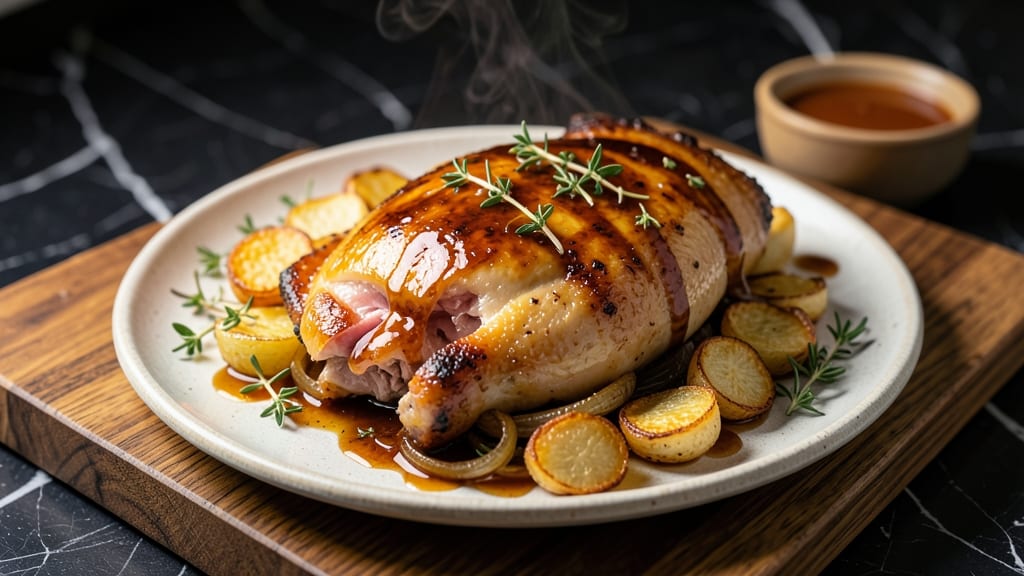
This apple cider vinegar chicken brine recipe transforms ordinary chicken into restaurant-quality perfection with crispy skin and juicy meat—all in just 4 hours. The secret lies in the vinegar's magic: tenderizing the meat while creating that coveted golden crust.
I perfected this method after years of testing, and it never fails to impress, whether you're roasting, grilling, or pan-searing.
The process is simpler than you'd think: dissolve ¼ cup apple cider vinegar (plus salt, sugar, and aromatics) in 4 cups water, submerge your chicken, and let it work its magic in the fridge. No fancy equipment needed—just patience.
The vinegar breaks down muscle fibers for maximum tenderness, while the salt and sugar form a flavorful crust that crisps beautifully. This isn't just about moisture; it's about transforming texture and flavor in one step.
What you'll end up with is chicken so juicy it practically falls apart, with crispy skin that shatters at every bite. The vinegar adds a subtle tang that pairs perfectly with herbs like thyme or rosemary, while garlic and pepper elevate the flavor profile.
The best part? This method works for whole chickens, breasts, or thighs—no matter how you cook it, the results will be restaurant-quality at home.
For safety, never brine longer than 8 hours—over-brining can make the meat mushy. After brining, rinse and pat dry before cooking to ensure that perfect crust. Whether you're hosting a dinner party or just craving better-tasting chicken, this foolproof technique delivers every single time. Let's get started!
Ingredients for chicken brine recipe apple cider vinegar
Four pounds of chicken, a splash of vinegar, and a few key aromatics transform ordinary meat into restaurant-worthy perfection.
| Ingredient | Amount | Notes |
|---|---|---|
| Apple Cider Vinegar 🍏 | ¼ cup | Raw, unfiltered preferred for flavor |
| Large Chicken Pieces 🍗 | 4 lb | Whole, breasts, or thighs (skin-on preferred) |
| Kosher Salt 🧂 | ½ cup | Diamond Crystal preferred for clarity |
| Granulated Sugar 🍚 | ¼ cup | White or brown sugar works |
| Garlic Cloves 🧄 | 6 cloves | Peeled, smashed for stronger flavor |
| Fresh Thyme Sprigs 🌿 | 4 whole | Or 1 tbsp dried thyme |
| Fresh Rosemary Sprigs 🌿 | 2 whole | Or 1 tsp dried rosemary |
| Black Peppercorns 🌶️ | 1 tbsp | Freshly cracked preferred |
| Water 💧 | 4 cups | Filtered or distilled preferred |
| Ice Cubes ❄️ | 1 cup | Optional for chilling |
The apple cider vinegar is non-negotiable here—Bragg or Texas Pete are my go-tos, but any raw, unfiltered brand works. The skin-on pieces are ideal for crispiness, but boneless, skinless breasts will still benefit from the moisture and flavor infusion. For the aromatics, fresh herbs make all the difference (the Whole Foods bulk section has great options), but dried works in a pinch—just halve the amount. The kosher salt matters too: Diamond Crystal dissolves more clearly than Morton's, giving you that perfect balance of seasoning without graininess. If you're brining whole chickens, trim excess fat to avoid cloudy brine.
No fresh thyme or rosemary? Dried works at half the amount, but fresh is worth hunting down at Trader Joe's or your local farmers market. Short on garlic? Garlic powder at one-third the amount gets you close, though fresh is always better. The sugar helps form that crispy crust, but if you're avoiding it, brown sugar or honey work too (though honey isn't vegan). For a spicier kick, add ½ tsp cayenne or red pepper flakes. The ice cubes are optional but help chill the brine faster if you're short on fridge space—just skip them if you're in a hurry. And yes, you can reuse the brine for soups or sauces after removing the chicken.
This brine stays potent in the fridge for up to 1 week, though I always make fresh for best results. After brining, rinse and pat the chicken completely dry—this step is critical for that crispy skin. For extra insurance, let the chicken air-dry uncovered in the fridge for 30-60 minutes before cooking. Leftover brine? Freeze it in ice cube trays for future use—just thaw and dilute with water before reusing. And if you're brining for a crowd, double the recipe: the same ratios work perfectly for 8 lbs or more, just scale everything up proportionally.
Why You'll Love This Recipe
- Five-Ingredient Magic: I swear by this combo—just vinegar, salt, sugar, garlic, and chicken. That’s it. No fancy prep, no stress. The vinegar does all the work while I’m scrolling or watching TV.
- Tangy Crispy Perfection: The apple cider vinegar gives it that je ne sais quoi—bright, slightly sweet, with a skin so crispy it shatters like a potato chip. Honestly, the first time I tried it, I nearly burned my mouth from how good it was.
- Game for Any Meal: Use it for Sunday dinners, lazy Tuesdays, or even packed lunches. The leftovers taste just as good cold as they do hot—perfect for meal prep when I’m too tired to think past “protein + carbs.”
- Budget-Friendly Juice: A gallon of vinegar lasts me months, and chicken thighs are cheaper than breasts. This brine stretches my grocery budget while keeping my family begging for seconds. (Yes, even on a Tuesday night.)
Step-by-step instructions for perfectly brined chicken with apple cider vinegar
Here's how to transform ordinary chicken into restaurant-worthy crispy, juicy perfection in just four hours.
Prepare the Brine Solution
In a large container or resealable plastic bag, combine the 4 cups water, 0.5 cup kosher salt, 0.25 cup granulated sugar, 0.25 cup apple cider vinegar, 6 smashed garlic cloves, 4 whole fresh thyme sprigs, 2 whole fresh rosemary sprigs, and 1 tablespoon cracked black peppercorns. Stir until the salt and sugar completely dissolve—you should see no visible crystals at the bottom.
The apple cider vinegar adds tangy depth while helping tenderize the meat. I like to use a non-reactive container like glass or plastic to prevent any metallic flavors from leaching in. If using a bag, make sure it's large enough to accommodate the chicken pieces comfortably without crowding.
Submerge the Chicken Completely
Pat the 4 lb large chicken pieces dry with paper towels to remove any moisture—this helps the brine penetrate more effectively. Submerge the chicken completely in the brine solution, ensuring every piece is fully covered. If using a bag, press out any air pockets before sealing.
For even better results, I like to place the container in the refrigerator and gently stir the chicken every 30 minutes during the first hour. This ensures the brine circulates evenly and the chicken absorbs maximum flavor. The acidity in the apple cider vinegar will begin breaking down proteins immediately, so don't skip this step.
Brine for Optimal Flavor and Texture
Refrigerate the chicken in the brine for 3 to 4 hours, turning occasionally. The ideal time depends on your chicken pieces—whole chickens need the full 4 hours, while breasts and thighs can be brined for 3 hours. You'll know it's ready when the chicken absorbs enough brine to feel slightly heavier and the surface develops a faint sheen.
I press my finger gently into the meat after brining—it should feel noticeably firmer than raw unbrined chicken, indicating proper moisture absorption. The apple cider vinegar will give the skin a subtle tang while keeping the meat incredibly juicy. Don't exceed 4 hours or the chicken may become too soft.
Rinse and Rest Before Cooking
Remove the chicken from the brine and rinse it thoroughly under cold water for 30 seconds to remove any excess salt and vinegar. Pat dry again with paper towels, then place the chicken on a wire rack set over a baking sheet. Add the 1 cup ice cubes to the baking sheet to help chill the chicken while it rests.
Let the chicken rest uncovered in the refrigerator for 30 minutes before cooking. This resting period allows the surface to dry slightly, which is crucial for achieving that perfect crispy skin. The ice cubes help maintain a stable temperature during this critical step. When you're ready to cook, your chicken will be perfectly primed for maximum crispiness and juiciness.
Pro Tips For Making Chicken Brine Recipe Apple Cider Vinegar
- USE COLD BRINE: I learned this the hard way—hot brine cooks the chicken on contact, leaving you with gray, rubbery meat. Fill your container with ice first, then add cold water and vinegar. The chicken stays juicy and absorbs flavor evenly.
- SALT THE CHICKEN FIRST: Don’t skip dry-brining the chicken for at least 30 minutes before submerging it. The salt needs time to penetrate, or you’ll end up with a thin, flavorless layer. Pat it dry afterward—wet skin won’t crisp up later.
- STIR THE SUGAR IN: Sugar burns fast in vinegar, so add it after the chicken is submerged and stir it into the liquid. If you mix it in first, you’ll end up with a sticky, caramelized mess at the bottom—trust me, it’s not worth scraping out.
- GARLIC: CRUSH, DON’T CHOP: Whole garlic cloves stay intact and infuse flavor without bitterness. Smash them with the flat side of your knife instead of mincing—it releases more aroma without turning the brine cloudy. Toss them in a cheesecloth if you’re worried about pieces.
Perfect pairings for this dish
Herb-Infused Sides
Pair your brined chicken with roasted garlic mashed potatoes—the creamy texture contrasts beautifully with the crispy skin. I like to make them with ½ cup Greek yogurt and 4 cloves roasted garlic for extra richness.
For a lighter option, try sautéed green beans with 1 tbsp apple cider vinegar and toasted almonds—the vinegar echoes the brine’s tang while adding crunch. 🌿
Creamy Sauces
A honey-mustard glaze takes this dish to the next level. Mix 2 tbsp Dijon mustard, 1 tbsp honey, and 1 tsp apple cider vinegar, then simmer until slightly thickened. Drizzle over the chicken just before serving for a perfect balance of sweet, tangy, and savory.
For a richer option, try a white wine reduction with shallots, butter, and a splash of chicken fat—it’s decadent but still light enough to complement the crispy skin.
Crispy Additions
Add pan-seared apples to your plate for a sweet contrast. Toss 2 sliced apples with 1 tbsp butter, ½ tsp cinnamon, and a pinch of salt, then cook until golden. The caramelized edges pair perfectly with the brined chicken’s tang.
For extra texture, serve with crispy fried onions—their sharp bite cuts through the richness. I like to make them in a cast-iron skillet with 2 tbsp butter and 1 tsp sugar until deep golden brown. 🍏
Beverage Pairings
A dry Riesling from Germany is my go-to wine for brined chicken—its crisp acidity cleanses the palate between bites. For beer lovers, a Belgian witbier like Hoegaarden adds a citrusy brightness that mirrors the apple cider vinegar.
If you prefer non-alcoholic, try sparkling apple cider—it’s refreshing and complements the dish’s tangy notes without overpowering the flavors.
Global Twists
For a Mediterranean touch, serve with lemon-herb couscous and charred eggplant. The bright citrus ties back to the vinegar brine, while the smoky eggplant adds depth. If you’re craving something heartier, try creamy polenta with sautéed mushrooms—the earthy umami balances the chicken’s crispy-sweet crust.
For a spicy kick, add pickled jalapeños or a sriracha mayo drizzle to the plate. 🌶️
Nutrition facts
Frequently asked questions
Can I use white vinegar instead of apple cider vinegar?
While white vinegar works in a pinch, apple cider vinegar adds depth and complexity that white vinegar can't match. The natural sweetness and subtle fruit notes in apple cider vinegar create a more balanced flavor profile that complements the chicken beautifully. If you're out of apple cider vinegar, try balsamic vinegar for a similar depth of flavor.
How do I know if my chicken is brined enough?
Gently press your finger into the meat—it should feel noticeably firmer than raw unbrined chicken. The surface will also develop a faint sheen, indicating proper moisture absorption. For whole chickens, aim for 4 hours of brining, while breasts and thighs can be brined for 3 hours. Never exceed 8 hours or the meat may become too soft.
What's the best way to cook brined chicken?
Brined chicken shines when roasted or grilled at medium-high heat until the skin reaches 165°F internally. For roasting, use 425°F for 45-50 minutes (whole chicken) or 20-25 minutes (breasts/thighs). The key is to cook it uncovered to ensure crispy skin. For grilling, aim for medium-high heat and cook skin-side down first to render fat and crisp the skin.
Can I reuse the brine?
Yes! After removing the chicken, strain the brine and store it in the fridge for up to 1 week or freeze in ice cube trays. Dilute with water (1:1 ratio) before reusing for soups, sauces, or marinades. The apple cider vinegar adds great depth to any liquid-based dish, but avoid using it on delicate proteins like fish that might absorb too much acidity.
Why does my brined chicken sometimes turn out mushy?
Over-brining (beyond 8 hours) or not patting the chicken dry before cooking are the most common causes. Always rinse and pat thoroughly after brining—this removes excess salt and creates that crispy crust. Also, avoid cooking brined chicken at low temperatures for too long, as the moisture makes it more prone to drying out unevenly. For best results, cook brined chicken at high heat for shorter periods.