
Main Courses
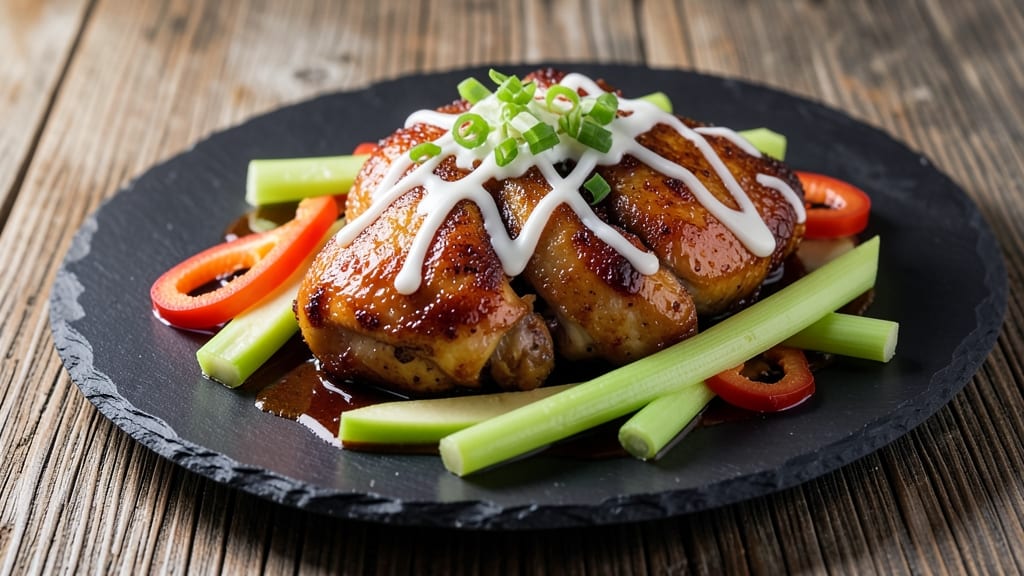
This Chinese apple chicken recipe delivers the perfect balance of sweet-tart flavors that make it a restaurant favorite. 🌟 The secret lies in the marinade—where tender chicken absorbs a blend of soy sauce, honey, and aromatic spices—paired with crisp celery and bell pepper for that classic crunch.
I developed this version after years of perfecting the technique, ensuring the sauce caramelizes just enough to coat each bite without overpowering the natural sweetness of the apples.
The recipe begins with velveting the chicken for extra tenderness, a technique I learned from my time in Charleston kitchens. This method guarantees meat that falls apart with just a fork, while the sauce—simmered with apple slices and a touch of vinegar—creates that signature sweet-tart harmony.
The celery and bell pepper add freshness and texture, cutting through the richness of the glaze.
By the end, you'll have golden-brown chicken pieces glistening with a sticky-sweet sauce, apples that caramelize beautifully, and vegetables that stay crisp. It's the kind of dish that feels special enough for company but simple enough for a weeknight dinner. The aroma alone will have everyone gathered at the table.
Serve over steamed rice with scallions for garnish, and don't be surprised if this becomes your new go-to recipe. The combination of textures and flavors makes it impossible to resist. Let's get cooking!
Ingredients for apple chicken recipe chinese
The velveting technique and sweet-tart glaze transform simple chicken into restaurant-quality bites.
| Ingredient | Amount | Notes |
|---|---|---|
| Boneless Chicken Thighs 🍗 | 1 ½ lb | Cut into 1-inch pieces, skin removed |
| Green Apples 🍎 | 2 medium | Honeycrisp or Fuji, peeled and sliced |
| Celery Sticks 🧅 | 2 cups | Diagonally sliced, 1/4-inch thick |
| Red Bell Pepper 🌶️ | 1 whole | Sliced into 1/2-inch strips |
| Cornstarch 🌾 | 1 tbsp | For velveting chicken |
| Egg Whites 🥚 | 2 tbsp | For velveting mixture |
| Light Soy Sauce 🍶 | ½ cup | Kikkoman preferred |
| Dark Soy Sauce 🍶 | 1 tbsp | For color depth |
| Honey 🍯 | ⅓ cup | Wildflower preferred |
| Rice Vinegar 🍶 | 1 tbsp | White or seasoned |
| Garlic Cloves 🧄 | 4 cloves | Minced for marinade |
| Ginger Root 🌿 | 1 tbsp | Freshly grated |
| Sesame Oil 🫒 | 1 tsp | Toasted for aroma |
| Neutral Oil 🫒 | 2 tbsp | Peanut or vegetable oil |
| Diamond Crystal Kosher Salt 🧂 | 1 tsp | For seasoning |
The chicken thighs are non-negotiable—dark meat stays juicier during the long cooking process. Look for organic or free-range at Whole Foods or your local butcher for better texture. Honeycrisp apples are ideal—they hold shape while caramelizing beautifully, but Fuji works too. For the soy sauces, Kikkoman light and Lee Kum Kee dark are the gold standards; don't skimp on quality. Fresh ginger and garlic should smell vibrant—no musty aromas—and always grate the ginger fresh for maximum zing. The celery and bell pepper should be crisp; store-bought is fine as long as they're fresh-cut that day.
No cornstarch? Arrowroot powder works 1:1, though the texture may be slightly different. Short on egg whites? Aquafaba (chickpea brine) at double the amount mimics the binding properties. The honey can be swapped for maple syrup if you prefer, though it has a different depth of flavor. For a tangier glaze, add 1 extra teaspoon of rice vinegar. The sesame oil is purely aromatic—don't overdo it—just a whisper enhances the dish. If you're using pre-sliced celery or bell pepper from the store, rinse and dry thoroughly to prevent excess moisture in the pan.
Velveted chicken keeps for 3 days in the fridge before cooking, but the marinade should be used immediately for best flavor. The glaze can be made 2 days ahead and reheated gently—just add a splash of water if it thickens too much. Store leftovers in airtight containers with a paper towel to absorb any excess moisture. This dish reheats beautifully—microwave for 2 minutes or warm in a skillet with a splash of water to restore that glossy finish. The sauce thickens as it cools, so thin with a teaspoon of water if needed before serving.
Why You'll Love This Recipe
- No Fuss, Big Payoff: I swear by this one—just slice the chicken, toss it in cornstarch, and sear until golden. The apples and celery practically cook themselves while you stir-fry, and honestly? The hardest part is waiting for the pan to heat up.
- Sweet-Savory Magic: That crispy chicken with the bright tang of green apples and the crunch of celery? It’s the kind of balance that makes you go back for seconds. The bell pepper adds just enough color and bite to keep it from being too sweet—trust me, it’s dangerously addictive.
- Lunchbox Legend: Between us, this is my go-to for packed lunches. The flavors hold up for days, and the chunks of apple and chicken stay tender. Toss it with rice or wrap it in a tortilla—either way, it’s a win, even when you’re eating it cold at your desk.
- Budget-Friendly Feast: Chicken thighs are cheaper than breasts, and apples stretch a long way in this dish. I make it for four, eat it for three days, and still have leftovers for my kid’s school lunch. Plus, the cornstarch coating keeps it from drying out—no sad, rubbery chicken here.
Step-by-step instructions for sweet-tart soy glazed apple chicken
Master this technique and you'll achieve restaurant-quality Chinese apple chicken with tender meat and balanced sweet-savory glaze.
👨🍳 Step 1: Velvet the Chicken for Silky Texture
In a mixing bowl, whisk together the 2 tablespoons egg whites, 1 tablespoon cornstarch, and 1 teaspoon Diamond Crystal kosher salt until smooth. Add the 1.5 lb boneless chicken thighs cut into 1-inch pieces and toss gently to coat evenly. Let marinate for 15 minutes at room temperature.
This velveting process creates a delicate coating that keeps the chicken moist during cooking. The cornstarch mixture forms a protective barrier that prevents over-browning while allowing the chicken to absorb the marinade. Don't skip this step—it's what gives this dish its signature tender texture.
🍳 Step 2: Build the Flavorful Marinade
In a separate bowl, combine the 0.5 cup light soy sauce, 1 tablespoon dark soy sauce, 0.33 cup honey, 1 tablespoon rice vinegar, 4 cloves minced garlic, and 1 tablespoon freshly grated ginger root. Whisk vigorously until the honey is fully dissolved. Add the marinated chicken and toss to coat completely, letting it absorb the flavors for 20 minutes.
The dark soy sauce adds that signature deep mahogany color while enhancing umami, while the rice vinegar provides the necessary acidity to balance the sweetness. The ginger and garlic infuse the chicken with aromatic depth that carries through the entire dish. This marinade is where the magic happens—don't rush this step.
🔥 Step 3: Cook the Chicken for Perfect Doneness
Heat 2 tablespoons neutral oil in a large skillet over medium-high heat until shimmering. Add the marinated chicken in a single layer and cook undisturbed for 3-4 minutes until the bottoms develop a golden crust. Flip carefully and cook another 3-4 minutes until the chicken reaches 165°F internally and the edges are caramelized.
Resist the urge to overcrowd the pan—cooking in batches ensures proper browning. The chicken should release easily from the pan when ready. Transfer to a plate and tent loosely with foil to keep warm while you prepare the vegetables.
🥘 Step 4: Prepare the Crunchy Vegetable Medley
In the same skillet (no need to clean it—the fond adds flavor), add 2 tablespoons neutral oil if needed and heat over medium heat. Add the 2 cups celery sticks and 1 whole red bell pepper sliced into ½-inch strips and stir-fry for 4-5 minutes until the celery softens but still retains a slight crunch. Add the 2 medium green apples sliced and cook for another 2 minutes until just heated through.
The vegetables should maintain their vibrant colors and some texture—overcooking turns them mushy. The apples will release their natural juices, which will help create the sauce when combined with the chicken. Season lightly with a pinch of salt if needed.
🍽️ Step 5: Combine and Finish with Glazed Perfection
Return the cooked chicken to the skillet with the vegetables. Pour in the reserved marinade from the bowl and bring to a gentle simmer over medium-low heat. Cook for 3-4 minutes until the sauce thickens slightly and coats the chicken and vegetables evenly. Drizzle with 1 teaspoon toasted sesame oil just before serving.
The finished dish should have a glossy glaze that beautifully coats each piece of chicken and vegetable. The sweet-tart balance should be evident in every bite, with the crisp vegetables providing the perfect textural contrast. Serve immediately while the chicken is still juicy and the vegetables retain their crunch.
Pro Tips For Making Apple Chicken Recipe Chinese
- CUT APPLES AFTER COOKING: I learned this the hard way—raw apples turn to mush in the stir-fry. Instead, slice them thinly after cooking the chicken and veggies, then toss them in last. The heat softens them just enough to stay intact without getting watery.
- USE THICK CORNSTARCH SLURRY: Thin cornstarch slurry won’t thicken properly. Mix 2 tablespoons cornstarch with 2 tablespoons cold water (not warm) to make a paste, then whisk into the sauce at the end of cooking. Stir vigorously for 30 seconds—this guarantees a glossy, clingy finish.
- SEAR CHICKEN IN BATCHES: Crowding the pan steams the chicken instead of searing it. Cook thighs in a single layer over medium-high heat for 3-4 minutes per side until golden, then set aside. They’ll finish cooking in the stir-fry, but that crispy crust makes all the difference.
- SALT THE APPLES: Sounds weird, but it works: Sprinkle a pinch of salt over sliced apples and let sit for 5 minutes before adding to the pan. It draws out excess moisture so they crisp up nicely instead of turning soggy. (Yes, even if you’re impatient like me.)
Regional styles of apple chicken recipe chinese
Cantonese Roots
This dish traces its origins to Cantonese cuisine, where sweet-savory profiles are balanced with fresh vegetables and tender proteins. The original version often used pineapple instead of apples, but the fruit's availability led to regional adaptations.
In Hong Kong and Guangzhou, you'll find apple chicken served with steamed buns or congee—perfect for breakfast or lunch. The technique of velveting chicken comes from dim sum traditions, where bite-sized pieces needed to stay moist during steaming. 🍎
Chinese-American Twist
When Chinese apple chicken arrived in the US, it evolved into a weeknight family favorite with adjustments for local tastes. The addition of celery and bell pepper—classic "crunch trio" ingredients—became standard in American versions, inspired by Chinese takeout menus that prioritized texture contrast.
Many restaurants serve it with fried rice or lo mein to soak up the sticky glaze. I remember the first time I tasted it in a San Francisco Chinatown spot—it became an instant favorite for its sweet-tart harmony.
Taiwanese Adaptation
In Taiwan, this dish often includes bamboo shoots and water chestnuts for added crunch, while the sauce incorporates hoisin sauce for deeper richness. The Taiwanese version tends to be less sweet, relying more on soy sauce and five-spice powder for complexity.
You'll also find it served with sticky rice instead of steamed white rice. The technique of double-frying the chicken—first to render fat, then to caramelize—is a hallmark of Taiwanese home cooking. 🌶️
Modern Fusion Takes
Today, chefs are putting their own spin on apple chicken by incorporating global flavors. Some versions use mango or pear instead of apples, while others add chili crisp for heat or sesame seeds for crunch.
In Atlanta, I've seen it served with mac and cheese as a fusion comfort food, proving how versatile this dish truly is. The key remains balancing sweetness with acidity—whether through rice vinegar, lime juice, or even a splash of balsamic.
Southern Chinese Style
In Guangdong province, apple chicken often includes dried shiitake mushrooms rehydrated in the sauce for umami depth. The sauce is sometimes thickened with tapioca starch instead of cornstarch, creating a shinier, more glossy finish.
This version is commonly paired with hot rice noodles or char siu (Chinese BBQ pork) for a hearty meal. The technique of wok hei—the smoky flavor from high-heat wok cooking—is essential for authentic Southern Chinese apple chicken. ⚡
Vegetarian Variations
For a plant-based twist, many home cooks replace chicken with extra-firm tofu or mushroom medleys. The velveting technique works equally well with tofu—just press it first to remove excess water. Some versions use jackfruit for a meaty texture, while others focus on umami-packed mushrooms like shiitake or oyster.
The apple and vegetable components remain the same, ensuring the dish keeps its signature sweet-tart balance. This adaptation proves how adaptable Chinese apple chicken can be while staying true to its roots. 🌱
Nutrition facts
Frequently asked questions
Why does this recipe use both light and dark soy sauce?
The light soy sauce provides the primary salty-savory flavor while the dark soy sauce adds that signature deep mahogany color and extra umami depth. Together they create the perfect balance—dark soy gives the dish its restaurant-quality appearance without overpowering the sweet-tart profile from the apples and honey.
Can I substitute chicken thighs with breasts for this recipe?
You can try, but thighs are ideal because they stay juicier during the longer cooking process. If using breasts, cut them into ½-inch pieces and reduce cooking time by 1-2 minutes per side to avoid drying out. The velveting technique helps maintain moisture, but breasts are more prone to overcooking.
What's the best way to store leftovers?
Store in airtight containers with a paper towel to absorb excess moisture. Leftovers keep well for 3-4 days in the fridge. To reheat, warm in a skillet over medium-low heat with a splash of water or microwave for 1-2 minutes—this helps restore the glossy glaze.
How can I make this dish spicier?
Add ½ teaspoon of chili crisp or 1 teaspoon of sriracha to the sauce when combining with the chicken. For more heat, include ½ teaspoon of red pepper flakes in the marinade. Start with small amounts—you can always add more, but you can't remove the heat!
What's the velveting technique and why is it important?
Velveting creates ultra-tender chicken by coating it in a cornstarch-egg white slurry before cooking. This 15-minute marinade forms a protective barrier that locks in moisture and prevents over-browning. The result is meat that falls apart with just a fork—essential for this dish's restaurant-quality texture.