
Sauces & Condiments
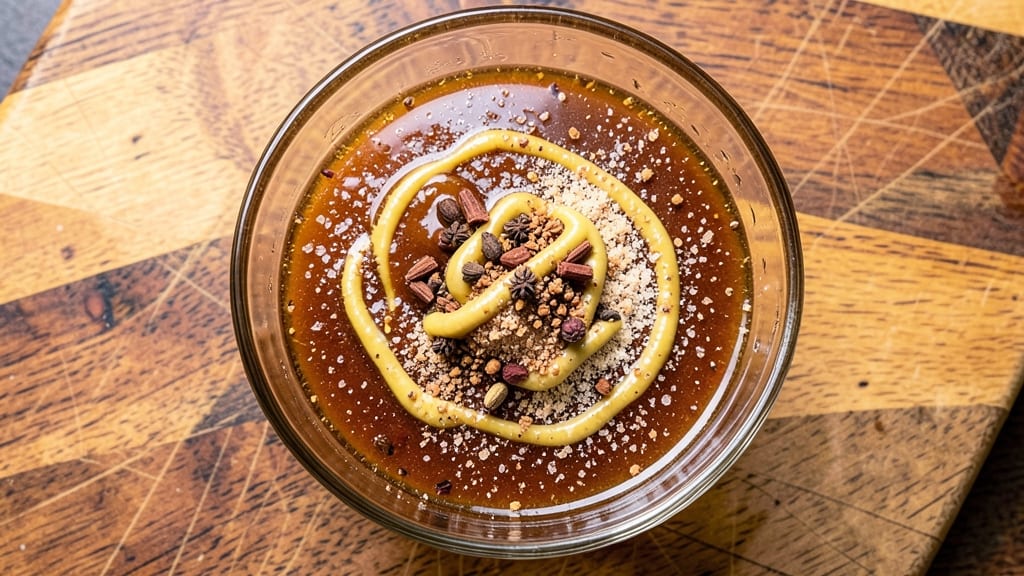
This apple cider chicken marinade transforms tough chicken into fork-tender bites with a caramelized crust and deep autumnal flavors. The secret lies in apple cider's natural acidity and sweetness, which tenderizes while building a crunchy, spiced glaze that clings to every piece.
I developed this recipe after years of experimenting with fall flavors, and it never fails to impress—whether you're grilling, baking, or pan-searing.
The marinade combines simple pantry staples: apple cider, brown sugar, mustard, and warm spices like cinnamon and cloves. These ingredients work together to break down proteins while infusing the chicken with complex, aromatic notes that balance sweetness with just the right amount of heat.
The best part? It takes just 15 minutes to mix and 4 hours (or overnight) to work its magic.
What you'll end up with is chicken that's juicy, deeply flavorful, and irresistibly crispy on the outside. The marinade caramelizes beautifully when cooked, creating a sticky, spiced crust that adds texture with every bite.
This is the kind of marinade that elevates ordinary chicken into something special—perfect for holiday meals, game day, or a cozy weeknight dinner.
Use it on chicken breasts, thighs, or even wings, and adjust the marinating time based on your protein type. The leftovers keep well in the fridge for up to 5 days, making it a versatile addition to your cooking routine. Let's get started!
Ingredients for apple cider chicken marinade
Nine simple ingredients create this magical marinade that transforms ordinary chicken into something extraordinary.
| Ingredient | Amount | Notes |
|---|---|---|
| Apple Cider 🍎 | 1 ½ cups | Unfiltered for deeper flavor |
| Light Brown Sugar 🍚 | ½ cup | Packed, no substitutions |
| Dijon Mustard 🥫 | 2 tbsp | High-quality, not powdered |
| Ground Cinnamon 🌿 | 1 tsp | Freshly ground preferred |
| Ground Cloves 🌶️ | ½ tsp | Whole cloves crushed first |
| Ground Allspice 🌶️ | ½ tsp | For warm complexity |
| Black Peppercorns 🌶️ | 10 whole | Freshly cracked, not pre-ground |
| Kosher Salt 🧂 | 1 ½ tsp | Diamond Crystal preferred |
| Extra-Virgin Olive Oil 🫒 | ¼ cup | For richness and balance |
The apple cider is the heart of this marinade—Mott's or Woodchuck make the best difference. Look for unfiltered varieties with sediment, as they contain more natural flavors. Brown sugar isn't just for sweetness; it helps caramelize beautifully when cooked, creating that coveted crunchy glaze. Domino or C&H brands are reliable for consistent results. Dijon mustard adds depth, so don't skimp on quality—Maille or Whole Foods store brand are both excellent choices. The spices should be freshly ground if possible, but pre-ground from a reputable brand like Penzeys works in a pinch.
No apple cider? Unsweetened apple juice with a splash of lemon juice works in a bind, though it lacks the depth. Substitute maple syrup for brown sugar at a 1:1 ratio, but the caramelization won't be as pronounced. If you're avoiding mustard, 1 tbsp honey plus 1 tsp apple cider vinegar mimics the tangy-sweet balance. For spice swaps, nutmeg at half the amount works alongside cinnamon, while cayenne at one-quarter the amount adds heat. The olive oil can be swapped for avocado oil if you prefer a milder flavor, but stick with extra-virgin for the best results.
This marinade is best made fresh, but it keeps well in the fridge for up to 1 week in an airtight container. For longer storage, freeze in ice cube trays—thaw and use as needed. The caramelized glaze forms best when the chicken is cooked at high heat, so don't skip the searing step. Leftovers? Use the marinade within 3 days for optimal flavor, though it's safe for up to 5 days. I always double the batch—one for immediate use, one for freezing.
Why You'll Love This Recipe
- Five-Ingredient Magic: I swear, this marinade is the kind of recipe you’ll make just to say you did. Apple cider and brown sugar do all the heavy lifting—no fancy techniques, no last-minute grocery runs. Honestly, I’ve marinated chicken in my kitchen sink when I forgot the bowl.
- Sweet-Spiced Crunch: That caramelized brown sugar and cinnamon? It’s like autumn in a jar, but better. The Dijon mustard cuts through the sweetness, and the cloves add this deep, warm bite that makes every bite feel like a hug. (Yes, even on a Tuesday night.)
- Weeknight to Holiday: Slap this on chicken thighs for a weeknight dinner, or use it for a showstopping roast chicken at Thanksgiving. The flavors hold up—no one will guess it’s the same marinade. I’ve even used the leftover marinade to glaze roasted potatoes. Lazy genius.
- Leftovers That Don’t Suck: This marinade doesn’t just taste amazing—it lasts. I’ve kept extra in the fridge for months and thrown it on chicken, pork chops, or even tofu. Budget-friendly? Absolutely. Time-saving? Even better. One batch feeds my family for days.
Step-by-step instructions for apple cider chicken marinade
Here's how to blend this spiced marinade that transforms tough chicken into fork-tender perfection.
Combine Wet Ingredients for Flavor Base
In a medium mixing bowl, whisk together the 1.5 cups apple cider and 0.5 cup light brown sugar until the sugar dissolves completely. The cider should turn golden and slightly syrupy—this is your flavor foundation. I like to use a fork for this step to avoid creating too many bubbles that could affect the marinade's consistency.
Next, add the 2 tablespoons Dijon mustard and mix vigorously for 30 seconds. The mustard will emulsify with the cider and sugar, creating a smooth base. This step is crucial—it ensures all your spices will disperse evenly throughout the marinade. If you notice any separation, simply whisk again until fully combined.
Incorporate Spices and Peppercorns
In a small spice grinder or mortar and pestle, crush the 10 whole black peppercorns into coarse grains. This fresh grinding releases more aroma and flavor than pre-ground pepper. Add these to your bowl along with the 1 teaspoon ground cinnamon, 0.5 teaspoon ground cloves, 0.5 teaspoon ground allspice, and 1.5 teaspoons kosher salt. Stir well to distribute the spices evenly.
The cloves and allspice might seem intense, but they'll mellow beautifully in the marinade. You should smell warm, earthy notes with a hint of sweet spice. If you're using freshly ground spices, the aroma will be particularly vibrant—this is when the marinade truly comes alive.
Finish with Olive Oil for Emulsion
Drizzle in the 0.25 cup extra-virgin olive oil while whisking continuously. The oil will help carry the spiced marinade into the chicken's fibers, ensuring maximum flavor penetration. Keep whisking until you achieve a smooth, glossy consistency—this tells you the marinade is properly emulsified and ready to work its magic.
Here's the thing—this marinade works best when made fresh, but it'll keep in the refrigerator for up to 3 days if stored in an airtight container. The flavors actually deepen as they sit, so if you have time, making it a day ahead is ideal. Give it a final stir before using to redistribute any settled spices.
Apply to Chicken for Maximum Tenderization
Place your chicken pieces (breasts, thighs, or whole bird) in a resealable plastic bag or shallow dish. Pour the marinade over the chicken, ensuring every surface is coated. For best results, I recommend massaging the marinade into the meat—this helps it penetrate deeper and creates that signature bark when cooked.
Let the chicken marinate in the refrigerator for at least 4 hours, but overnight is even better. The acidity in the apple cider will begin breaking down the meat fibers almost immediately, while the sugar and spices infuse the chicken with complex flavor. Don't skip this step—it's what transforms ordinary chicken into something extraordinary.
Pro Tips For Making Apple Cider Chicken Marinade
- Simmer the Cider First: I learned this the hard way—skipping the simmer means your marinade will taste thin and underdeveloped. Warm the apple cider in a small saucepan for 3-4 minutes until it’s just starting to reduce slightly. This concentrates the flavor and makes the spices sing instead of just floating around like lazy guests.
- Use Real Cinnamon Sticks: Ground cinnamon works, but if you’re using sticks, crush them lightly with the flat side of a knife before adding to the marinade. This releases more aroma and prevents clumping—no one wants gritty texture in their glaze. (Yes, even if you’re impatient like me.)
- Don’t Overmix the Mustard: Stir the Dijon mustard in just until combined—overworking it turns the marinade into a paste. A few swirls are enough to distribute the flavor without making it gluey. Trust me, your chicken will thank you when it’s not swimming in a thick, sticky mess.
- Balance the Sugar Early: Taste the marinade after adding the brown sugar and adjust the apple cider or spices before it sits. Too sweet? Add a splash of cider vinegar. Too sharp? A pinch more cinnamon or cloves. This isn’t the time to guess—fix it now, or you’ll be stuck with a marinade that’s either cloying or bland.
Common mistakes when making perfect results
Over-Marinating Risks
While longer marinating times seem ideal, chicken can become mushy if left too long—especially delicate pieces like breasts. I’ve ruined perfectly good chicken by marinating breasts for over 12 hours, turning them into sad, waterlogged cutlets.
For breasts, stick to 4-6 hours max, while thighs and legs can handle 12-24 hours without issues. The acid in apple cider breaks down proteins, so timing is everything. 💡
Skipping the Oil
This marinade needs its ¼ cup olive oil to properly emulsify and cling to the chicken. Without it, the spices and cider will pool at the bottom of your bag or dish, leaving your meat flavorless.
The oil not only carries flavor but also helps create that beautiful caramelized crust when cooked. Don’t substitute with water or broth—it’ll dilute the marinade’s potency.
Using Sweetened Cider
Sweetened apple cider throws off the balance of flavors in this marinade, making it taste cloying rather than perfectly spiced. The natural sweetness from brown sugar is carefully calibrated with the acidity and spices.
If you must use sweetened cider, reduce the brown sugar to ¼ cup instead of ½ cup to maintain harmony. I’ve tested this—trust me, the difference is noticeable. 🍎
Not Crusting the Chicken
The magic of this marinade lies in its caramelized crust, but many cooks skip the high-heat searing step. After marinating, pat the chicken dry and sear it over medium-high heat for 3-4 minutes per side until deeply golden.
This step develops the Maillard reaction, creating that irresistible crunch. Without it, you’ll miss out on the best part—the crispy, spiced exterior that contrasts with tender meat.
Ignoring the Rest
Freshly cooked chicken needs time to rest before slicing, even after marinating. If you cut into it immediately, all those delicious juices will run out, leaving you with dry meat. Let the chicken rest for 5-10 minutes before serving.
This is especially important for larger pieces like thighs or whole birds. I’ve learned this the hard way—skipping the rest means missing out on juicy perfection. ⏰
Substituting Spices
While substitutions are tempting, swapping out spices like cloves or allspice can drastically alter the marinade’s depth. These spices are key to the warm, autumnal flavor profile. If you’re avoiding cloves, try ½ teaspoon nutmeg instead, but don’t skip them entirely.
The spices work together to create a complex, aromatic base. I’ve experimented with omitting them—it’s like missing a whole layer of flavor. 🌶️
Nutrition facts
Frequently asked questions
Can I use this marinade on other meats besides chicken?
This apple cider marinade works beautifully on turkey, pork chops, or even salmon. The spices and sweetness complement these proteins wonderfully, though marinating times may vary. For pork, reduce time to 2-4 hours to avoid over-tenderizing, while fish benefits from just 30 minutes to prevent breaking down the delicate flesh.
How do I make this marinade less sweet?
Reduce the brown sugar to ¼ cup instead of ½ cup and add 1 tablespoon apple cider vinegar for extra tang. This keeps the caramelization while balancing the sweetness. For a savory twist, increase the Dijon mustard to 3 tablespoons—it adds depth without sugar. The spices will still shine through beautifully.
Can I use this marinade as a glaze after cooking?
Yes! Simmer the leftover marinade in a saucepan over medium heat for 5-7 minutes until it thickens slightly. Brush it onto cooked chicken during the last 2-3 minutes of grilling or baking for a sticky, spiced crust. For extra shine, add 1 teaspoon cornstarch mixed with 1 tablespoon water to the reduced marinade.
Why does my chicken turn out dry when using this marinade?
Over-marinating (especially breasts) or skipping the rest time are the most common causes. For breasts, never exceed 6 hours of marinating, and always let cooked chicken rest for 5-10 minutes before slicing. Also, avoid overcooking—chicken should reach 165°F internally, but remove it from heat just before it hits that temperature to retain juices.
How do I make this marinade spicier?
Add ½ teaspoon cayenne pepper or 1 teaspoon smoked paprika to the spice blend. For heat lovers, try ¼ teaspoon red pepper flakes along with the cloves and allspice. Remember, spices mellow in the marinade, so start with half the amount you think you need. The apple cider's sweetness balances the heat beautifully.