
Main Courses
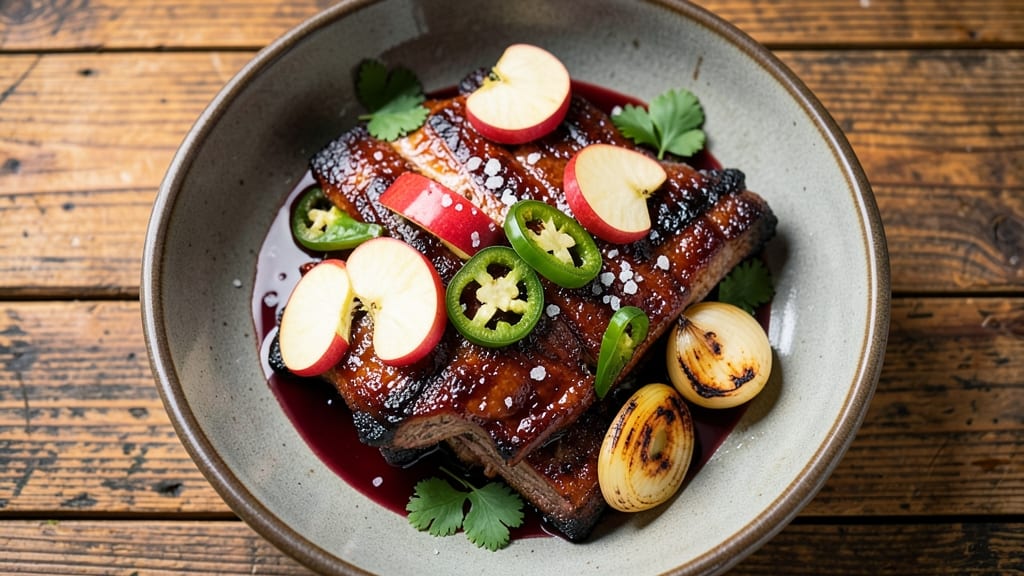
This apple jalapeño smoked ribs recipe delivers a perfect balance of smoky, spicy, and sweet flavors that’ll have everyone asking for seconds.
The secret lies in a dry rub that caramelizes beautifully on the grill, while chunks of apple and jalapeño infuse the meat with just the right amount of heat and natural sweetness. I’ve perfected this method over countless cookouts, ensuring tender, fall-off-the-bone ribs with a crisp bark every time.
The magic happens during the slow smoke, where applewood or hickory imparts deep, aromatic notes while the ribs cook low and slow to tender perfection. A simple apple-cider glaze basted in the final hour adds a glossy finish that’s irresistibly sticky and caramelized.
This isn’t just another BBQ recipe—it’s a showstopper that transforms a simple weeknight dinner into a memorable feast.
What you’ll end up with is ribs that are juicy inside, crisp on the edges, and packed with layers of flavor from the smoky rub, sweet apple, and fiery jalapeño. The aroma alone will draw everyone to the table, and the first bite delivers that perfect harmony of heat, sweetness, and smoky depth.
Serve with classic BBQ sides or a cool slaw to balance the richness.
Best of all, this recipe is foolproof—whether you’re a seasoned pitmaster or a first-time smoker. The key is patience and precision, but the results are worth every minute. Let’s get smoking!
Ingredients for apple jalapeno smoked ribs
Six pounds of meat and a handful of ingredients to create ribs that’ll have guests begging for more.
| Ingredient | Amount | Notes |
|---|---|---|
| Pork Baby Back Ribs 🥩 | 4 lb | Bone-in, meaty ends preferred |
| Granny Smith Apples 🍎 | 2 whole | Peeled, chopped into chunks |
| Jalapeño Peppers 🌶️ | 2 whole | Seeds removed, chopped |
| Yellow Onion 🧅 | 1 whole | Chopped into large pieces |
| Apple Cider Vinegar 🍏 | ½ cup | For glaze, not subbing |
| Brown Sugar 🍚 | ½ cup | Packed, light brown preferred |
| Smoked Paprika 🌶️ | 2 tbsp | For deep smoky flavor |
| Chili Powder 🌶️ | 1 tbsp | Medium heat preferred |
| Garlic Powder 🧄 | 1 tbsp | Freshly ground preferred |
| Ground Black Pepper 🌶️ | 1 tsp | Freshly cracked preferred |
| Kosher Salt 🧂 | 1 tbsp | Diamond Crystal preferred |
| Apple Wood Chips 🌳 | 2 lb | Or hickory for alternative |
| Unsalted Butter 🧈 | 2 tbsp | For glaze, softened |
| Honey 🍯 | ¼ cup | Wildflower preferred |
The ribs are the star here—baby backs with meaty ends give you that perfect balance of flavor and texture. Costco or local butchers usually have the best quality, but any grocery store will work if you check for good marbling. Granny Smith apples are key for the right tartness—avoid red delicious, which gets mushy. Jalapeños should be firm and bright green, not wrinkled. For the wood chips, applewood is ideal, but hickory adds a deeper smoky note if you prefer that classic BBQ flavor. Pro tip: soak the wood chips in water for 30 minutes before using—keeps them from burning too fast.
No Granny Smith apples? Fuji or Honeycrisp work in a pinch, but they’ll be slightly sweeter. Running short on jalapeños? Serrano peppers at half the amount give you more heat. The glaze can be made ahead—just store it in the fridge for up to 3 days. No apple cider vinegar? White vinegar with a splash of lemon juice works, but the flavor won’t be quite the same. For the rub, Trader Joe’s has a great pre-mixed BBQ spice blend if you’re in a rush, but making it fresh is worth the extra minute. And if you’re worried about the heat level, remove all seeds and membranes from the jalapeños before chopping.
The ribs reheat beautifully—wrap them in foil with a splash of apple juice and bake at 300°F for 20 minutes. The glaze keeps for 5 days in the fridge, and you can even freeze it in ice cube trays for quick touch-ups later. Store the dry rub in an airtight container for up to 6 months—it’s perfect for brisket, chicken, or even roasted veggies. And if you end up with extra ribs, shred them for tacos or nachos—they’re just as delicious cold as they are hot.
Why You'll Love This Recipe
- Foolproof Prep: I swear, the hardest part is peeling those Granny Smiths—everything else falls into place. You’re basically marinating while you smoke, so no babysitting required.
- Sweet Heat Magic: That tangy apple cider vinegar and jalapeño combo? It’s the kind of flavor that makes you forget ribs can be boring. The apples caramelize right on the ribs, giving you a sticky, smoky-sweet bite with just a hint of fire.
- Tailgate or Tuesday: Between us, these ribs work for anything—game day spread, lazy Sunday brunch, or that night you just don’t feel like cooking. (Yes, even on a Tuesday.) The leftovers? Just as good cold in a sandwich the next day.
- Budget Smoker Hack: You’re getting a full rack of ribs for the price of one restaurant plate—and the apple glaze stretches like crazy. I’ve fed six people with these, and we still had enough for lunch. That’s $10 worth of flavor right there.
Step-by-step instructions for apple jalapeno smoked ribs
Here's how to transform tough ribs into fall-off-the-bone tender meat with a perfect balance of sweet, spicy, and smoky flavors.
Prepare the Ribs and Dry Rub
Remove the membrane from the ribs by sliding your fingers under it and pulling firmly. Rinse the ribs under cold water and pat them completely dry with paper towels—this step is crucial for crispy bark. In a large bowl, combine the 2 tbsp smoked paprika, 1 tbsp chili powder, 1 tbsp garlic powder, 1 tsp ground black pepper, and 1 tbsp kosher salt. Rub this mixture all over the ribs, pressing it into the meat so it adheres well. Let the ribs sit at room temperature for 30 minutes while you prepare the smoker.
This dry rub creates the perfect crust while infusing deep smoky and spicy flavors. The longer the rub sits, the more flavor it penetrates, but even 30 minutes makes a difference. I like to work with room-temperature meat because it cooks more evenly and develops that beautiful bark faster.
Smoke the Ribs Low and Slow
Set up your smoker using the 2 lb apple wood chips (or hickory if preferred) and preheat to 225°F. Place the ribs bone-side down on the grill grates and smoke for 2 hours without disturbing them. This initial phase allows the rub to set and the meat to begin breaking down gently. You'll see thin, blue smoke—this is what carries those amazing flavors into the meat.
Resist the urge to peek or move the ribs during this time. Every time you open the smoker, you lose heat and moisture, extending your cook time. After 2 hours, flip the ribs bone-side up and continue smoking for another 2 hours. You'll know they're ready to wrap when the internal temperature hits 165-170°F—this is called "the stall," where the meat's moisture evaporates and the temperature plateaus.
Wrap and Finish the Ribs
At the stall, wrap the ribs tightly in heavy-duty aluminum foil with the 1 whole yellow onion, 2 whole granny smith apples (peeled and chopped), and 2 whole jalapeño peppers (seeds removed and chopped) inside. Return them to the smoker and continue cooking until the internal temperature reaches 203°F—this usually takes another 2-3 hours. The juices from the vegetables will steam the ribs, keeping them moist while they finish tenderizing.
This wrapping technique, called the "Texas crutch," is what transforms tough ribs into melt-in-your-mouth perfection. The vegetables also infuse the meat with their natural sweetness and a subtle heat, balancing the smoky flavors. Don't skip this step—it's what makes these ribs truly exceptional.
Prepare the Glaze
While the ribs finish smoking, make the glaze by combining the 0.5 cup apple cider vinegar, 0.5 cup brown sugar, 2 tbsp unsalted butter, and 0.25 cup honey in a saucepan. Bring to a simmer over medium heat and cook for 5-7 minutes, stirring occasionally, until the mixture thickens slightly and coats the back of a spoon. Remove from heat and let it cool for 10 minutes—this prevents the glaze from cooking off too quickly when applied.
The glaze should be smooth and slightly syrupy. If it's too thick, add 1-2 tablespoons of water to loosen it. This sweet-spicy glaze is what gives these ribs their signature sticky, caramelized finish. The apple cider vinegar adds tanginess that cuts through the richness of the meat and butter.
Apply the Glaze and Rest
Unwrap the ribs and brush them generously with the glaze, coating all sides. Return them to the smoker for 10-15 minutes to let the glaze caramelize and form a glossy crust. Keep an eye on them—they're done when the glaze is bubbly and slightly darkened. Once glazed, transfer the ribs to a cutting board and let them rest for 15 minutes before serving. This resting period allows the juices to redistribute, ensuring each bite is moist and flavorful.
Slice the ribs between the bones and serve with extra glaze drizzled on top. These ribs deliver a perfect balance of sweet, spicy, and smoky flavors with a tender texture that falls apart at the touch of a fork. The apple and jalapeño add a subtle complexity that makes this recipe truly stand out.
Pro Tips For Making Apple Jalapeno Smoked Ribs
- CHAR THE APPLES FIRST: Toss diced Granny Smiths with a pinch of salt and let them sit 10 minutes before cooking—this draws out moisture and gives them that deep caramelized bite. I learned this the hard way after my first batch turned out soggy; salt is your friend here.
- SKIN THE JALAPEÑOS: Remove the seeds and membranes, then give the peppers a quick char over a flame or in a dry skillet before dicing. The smoky edge from the char carries through the ribs better than raw peppers ever could. (Yes, even if you’re impatient like me.)
- WRAP THE RIBS TIGHT: Use heavy-duty foil and press it hard against the ribs after the first hour—no gaps. I used to half-ass this, and the ribs would dry out or steam unevenly. Crimp the edges like you’re sealing a present; the difference in texture is night and day.
- SAVE THE ONION PEELS: Toss the yellow onion peels into the smoker with the ribs during the last 30 minutes. They add a subtle sweetness and depth that store-bought smoke chips can’t match. (Sounds weird, but it works—and it’s free.)
Regional styles of this recipe
Texas Smokehouse Style
In Texas, ribs are all about bold flavors and slow cooking. This version keeps the apple-jalapeño combo but adds a 1 tbsp of cumin and 1 tsp of cayenne to the dry rub for extra heat.
Texans often use post oak wood for smoking, which gives a slightly sweeter, more complex smoke than applewood. After wrapping, I like to add ½ cup of beef broth to the foil with the ribs to keep them ultra-moist during the final cook.
Serve with white bread for dipping—it’s a classic at Texas BBQ joints. 🌶️
Carolina Vinegar Braise
In the Carolinas, ribs often get a tangy twist with vinegar. For this regional take, swap the apple cider vinegar in the glaze for ½ cup of white vinegar and add 1 tbsp of hot sauce (like Crystal or Texas Pete).
The vinegar cuts through the richness, balancing the sweetness of the apples. Carolinians also prefer hickory wood for a stronger, more traditional BBQ flavor. After glazing, I recommend brushing the ribs with extra vinegar glaze in the last 5 minutes of cooking for that signature tangy crust. 🍯
Kansas City Sweet Heat
Kansas City is famous for its sweet and smoky ribs, so this version cranks up the sweetness. Use 1 cup of brown sugar in the glaze instead of ½ cup, and add 1 tbsp of molasses for depth.
The dry rub stays the same, but I like to add ½ tsp of cinnamon to the mix for warmth. Kansas City pitmasters often use cherry wood alongside applewood for a fruity, slightly sweet smoke. Serve with coleslaw—the cool crunch balances the rich, sticky ribs perfectly. 🔥
Nashville Dry Rub Twist
Nashville-style ribs are known for their dry rub, so this version skips the wrap and focuses on a thicker bark. Use 3 tbsp of brown sugar in the dry rub (instead of just salt) and add 1 tsp of mustard powder for tang.
Smoke the ribs uncovered for the full 4-5 hours until the bark is dark and crusty. In the last 30 minutes, baste with a mix of apple cider vinegar and honey (equal parts) for a glossy finish.
Nashville ribs are all about that crunchy exterior, so don’t rush the cook time. 🍖
Modern Fusion Approach
For a contemporary twist, try a Korean-inspired glaze after the initial smoke. After wrapping, brush the ribs with a mix of 2 tbsp of gochujang (Korean chili paste), 1 tbsp of soy sauce, and 1 tbsp of honey before the final glaze.
This adds a funky, umami depth that pairs surprisingly well with the smoky ribs. Use binchotan charcoal for a cleaner smoke if you’re grilling indoors or in a city where wood smoke isn’t ideal. Garnish with sesame seeds and thinly sliced scallions for a fusion finish. ✨
Nutrition facts
Frequently asked questions
Can I use regular jalapeños instead of seedless ones?
Yes, but you’ll get more heat! If you prefer milder ribs, remove all seeds and membranes before chopping. For extra spice, leave some seeds in—just adjust the amount to 1 jalapeño instead of 2. The heat will mellow slightly during the long smoke, but it’ll still pack a punch.
What if I don’t have a smoker? Can I make these ribs in an oven?
Use a 225°F oven with a water pan on the bottom rack to mimic smoke. Place the ribs on a wire rack over a baking sheet, wrap them with foil and veggies at 165°F, then finish uncovered at 250°F until 203°F. The oven method takes 5-6 hours total. Add wood chips to a smoker box or use liquid smoke in the glaze for extra flavor.
How do I adjust the sweetness if I don’t like too much sugar?
Reduce the brown sugar to ¼ cup in the glaze and add 1 tbsp of Dijon mustard for tang. For the rub, swap 1 tbsp of the brown sugar for extra smoked paprika. The apple cider vinegar and jalapeño will keep the balance of flavors without overpowering sweetness.
Can I make the glaze ahead of time?
Yes! The glaze keeps in the fridge for 5 days or freezes for 3 months. Reheat gently in a saucepan before using. Pro tip: Store it in ice cube trays for quick portions—just thaw and warm. The flavors actually improve after 24 hours as the vinegar and honey meld together.
Why did my ribs turn out dry?
Most likely, you unwrapped them too early or didn’t monitor the internal temp. Ribs need to reach 203°F while wrapped—they’ll continue cooking slightly after unwrapping. Always use a meat thermometer! If they’re dry, try the Texas crutch method next time with extra broth in the foil.