
Sauces & Condiments
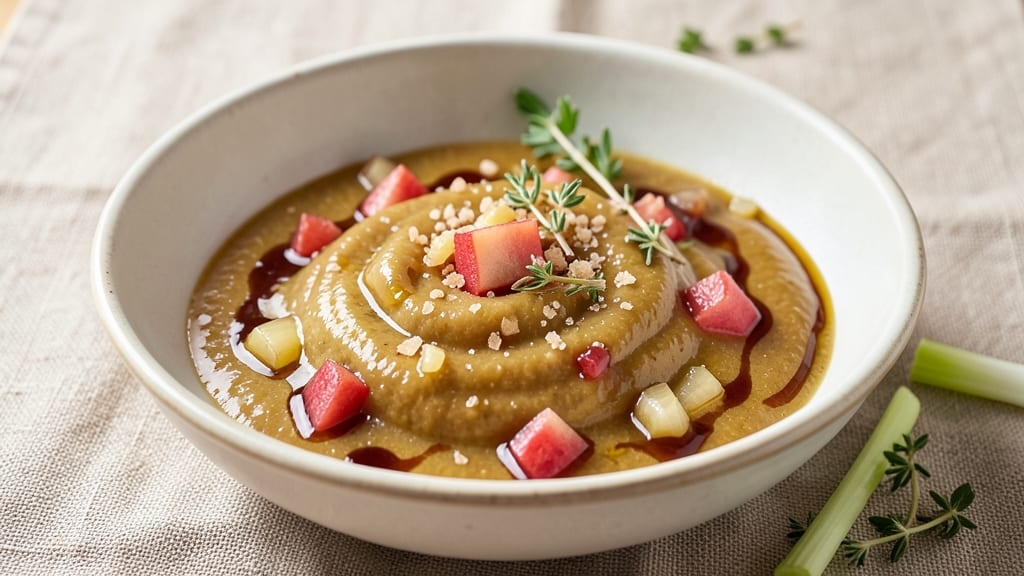
This apple mustard sauce recipe transforms simple ingredients into a velvety, tangy-sweet condiment that elevates roasted meats and sandwiches alike. The secret lies in celery-infused apple cider vinegar, which adds subtle depth while balancing the sharpness of Dijon mustard.
I developed this sauce after years of experimenting with fruit-based condiments—it’s the perfect harmony of sweet, tangy, and slightly spicy notes that cut through rich dishes.
The process is straightforward but precise: simmering diced apples with mustard, vinegar, and spices until the mixture reduces into a glossy, thick sauce. No blender required—just a saucepan and patience.
The celery infusion isn’t just for flavor; it adds a refreshing crunch that pairs beautifully with roasted pork, chicken, or even as a dipping sauce for pretzels. This isn’t your average mustard—it’s a sophisticated twist that feels restaurant-worthy.
What makes this sauce truly versatile is its ability to adapt. Use it as a glaze for roasted meats, a spread for sandwiches, or a tangy dip for vegetables.
The balance of sweetness and acidity ensures it won’t overpower delicate flavors, while the celery adds a subtle herbal note that rounds out the profile. Once you taste it, you’ll never reach for plain mustard again.
Best of all, this sauce keeps well in the refrigerator for up to two weeks, making it ideal for meal prep or gifting. The instructions are clear, and the ingredients are likely already in your pantry. Let’s make this sauce—your next meal will thank you.
Ingredients for apple mustard sauce
Eight simple ingredients create a sauce that's restaurant-worthy yet pantry-friendly.
| Ingredient | Amount | Notes |
|---|---|---|
| Granny Smith Apples 🍎 | 2 medium | Peeled and diced small |
| Dijon Mustard 🌶️ | ½ cup | High-quality for best flavor |
| Apple Cider Vinegar 🍶 | ½ cup | Raw and unfiltered preferred |
| Celery Stalk 🥬 | 1 whole | Fresh, chopped finely |
| Brown Sugar 🍚 | ¼ cup | Light or dark variety |
| Yellow Onion 🧅 | ¼ medium | Finely diced |
| Garlic Cloves 🧄 | 2 cloves | Minced for depth |
| Ground Black Pepper 🌶️ | ½ tsp | Freshly cracked preferred |
| Salt 🧂 | ½ tsp | Kosher or sea salt |
| Extra-Virgin Olive Oil 🫒 | 1 tbsp | For richness |
The apples are the foundation—Granny Smith for tartness, but any crisp variety works. Trader Joe's or local markets often have them pre-peeled, but peeling yourself ensures no bitterness. The celery stalk might seem odd, but it’s a game-changer—freshly chopped adds that subtle herbal crunch that balances the sweetness. For the vinegar, raw and unfiltered (like Bragg’s) has more depth than pasteurized. If you’re in a pinch, regular apple cider vinegar still works—just know it’ll be slightly milder.
No Dijon mustard? Whole-grain mustard thinned with water is a decent swap, though the texture won’t be as velvety. Short on brown sugar? Maple syrup or honey at half the amount keeps things sweet, but the caramel notes will differ slightly. The onion and garlic can be swapped for asafetida powder (1/8 tsp) if you’re avoiding alliums, though it’s a bolder flavor. For a smoother sauce, strain out the celery fibers after simmering—a fine-mesh sieve works best. The olive oil at the end isn’t just for richness; it emulsifies everything for that glossy finish.
This sauce keeps beautifully—2 weeks in the fridge sealed in a jar, or 6 months frozen in ice cube trays for single servings. The flavor actually improves over time as the acidity mellows. I like to make a double batch: one jar for roasted meats, another for sandwiches. If it thickens too much, just whisk in a splash of water or vinegar. And if you’re gifting? Small mason jars make it feel special—add a sprig of fresh thyme for garnish.
Why You'll Love This Recipe
- No-Fuss Blender Magic: I swear, this sauce takes five minutes—just toss the apples, celery, and mustard in a blender, hit pulse, and you’re done. No peeling, no dicing, no stress. (Yes, even on a Tuesday night.)
- Sweet-Tangy Wake-Up Call: That sharp Granny Smith bite cuts through the richness of the mustard, while the brown sugar and vinegar give it this perfect balance—bright, bold, but never overpowering. Honestly, it’s the kind of flavor that makes you want to eat it straight from the spoon.
- Pantry Stash Powerhouse: Between us, this sauce is my secret weapon for anything that needs a little zing—grilled chicken, roasted veggies, even scrambled eggs. And because it’s just apples, mustard, and a few pantry staples? It’s the kind of recipe that never leaves you scrambling.
- Leftovers That Don’t Suck: Make a double batch, store it in the fridge, and you’ve got a ready-to-use sauce for weeks. No weird textures, no weird tastes—just that same fresh, tangy punch every single time. (My freezer’s full of it right now, and it’s still amazing.)
Step-by-step instructions for apple mustard sauce
This tangy, sweet sauce comes together in minutes with simple ingredients you likely already have.
Sauté the Aromatics Until Fragrant
Heat the 1 tablespoon extra-virgin olive oil in a medium saucepan over medium heat. Add the finely diced yellow onion and cook for 3-4 minutes until softened and translucent. You'll see the onion release its moisture and begin to caramelize slightly at the edges—that's your cue to add the minced garlic cloves and finely chopped celery stalk.
Cook these together for another 2-3 minutes until the garlic becomes golden and fragrant. Here's the thing—don't let the garlic burn. It should smell amazing but not bitter. If it starts to darken too quickly, reduce the heat slightly. This aromatic base forms the flavor foundation for the entire sauce, so take your time with this step.
Add Apples and Cook Until Soft
Stir in the peeled and diced small Granny Smith apples and brown sugar to the pan. Cook for 5-6 minutes until the apples begin to soften and release their juices. You're looking for apples that break down just slightly but still retain some texture—they'll cook further when combined with the other ingredients. The sauce should start to thicken as the apple juices mix with the caramelized aromatics.
I like to use Granny Smith apples for their tartness, which balances the sweetness of the brown sugar. If you prefer a sweeter sauce, you can reduce the sugar slightly or use a sweeter apple variety. The apples should be cooked until they're tender but not mushy—think al dente. This ensures they add texture to the finished sauce rather than turning it into a smooth puree.
Combine Wet Ingredients and Simmer
Pour in the apple cider vinegar and Dijon mustard, stirring constantly to combine everything into a smooth mixture. Increase the heat to medium-high and bring the sauce to a gentle boil. Once it reaches a boil, immediately reduce the heat to low and let it simmer for 8-10 minutes, stirring occasionally.
During this time, the sauce will thicken noticeably as the liquid reduces. You'll see it transform from a loose mixture into a glossy, spoonable consistency. Taste it after 5 minutes—you might need to adjust the balance of sweet, tangy, and savory flavors. If it needs more acidity, add a splash more apple cider vinegar. If it needs more depth, a pinch of salt or a dash of black pepper can help.
Season and Finish the Sauce
Once the sauce has thickened to your desired consistency, remove it from the heat. Stir in the ½ teaspoon salt and ½ teaspoon ground black pepper, tasting as you go. The sauce should have a perfect balance of sweetness from the apples and brown sugar, tang from the apple cider vinegar, and depth from the Dijon mustard. If it's too thick, you can thin it with a splash of water or additional apple cider vinegar.
Let the sauce rest for 5 minutes off the heat. This resting period allows all the flavors to meld together completely. The sauce will continue to thicken slightly as it cools. For the best results, serve this apple mustard sauce warm over roasted meats like pork tenderloin, chicken, or even as a glaze for roasted vegetables. The celery adds a subtle earthiness that rounds out all the other flavors beautifully.
Pro Tips For Making Apple Mustard Sauce
- PEEL AND GRATE APPLES FAST: Skip the corer—just slice the apples in half, peel with a paring knife, then grate directly over the pan. The skin adds texture, but if you’re picky, peel first and toss the scraps in a smoothie. I used to waste time trying to core them whole—now I’m done in 30 seconds.
- SIMMER LOW AND SLOW: This isn’t a race. Reduce the sauce on medium-low heat for at least 10 minutes, stirring often, until it thickens to coat the back of a spoon. Rushing it turns it gluey; patience gives you that glossy, balanced finish.
- STRAIN THE CELERY STRAIGHT AWAY: After cooking the celery, strain it immediately through a fine-mesh sieve to avoid bitter, stringy bits in your sauce. I learned this the hard way—leaving it in too long makes the whole dish taste like celery water.
- SWAP BROWN SUGAR FOR HONEY: If you’re in a pinch, replace the brown sugar with the same amount of honey—it adds depth and cuts the sharpness of the vinegar. Just reduce the apple cider vinegar by 1 teaspoon first, or the sauce will taste too tangy.
Regional styles of these flavors
Southern U.S. BBQ Twist
In the Southern states, this sauce transforms into a smoky BBQ glaze by adding 1 tablespoon smoked paprika and ½ cup BBQ sauce (like Sweet Baby Ray's) to the base recipe. Simmer for an extra 5 minutes to meld flavors.
Serve it over pulled pork sandwiches or as a dipping sauce for crispy fried chicken. The celery-infused apple cider vinegar adds a refreshing contrast to the smokiness. 🌶️
French-Inspired Mustard Sauce
For a French-inspired version, replace the apple cider vinegar with ½ cup dry white wine (like Sauvignon Blanc) and add 1 teaspoon whole grain mustard seeds (toasted in a dry pan first). Reduce the brown sugar to 2 tablespoons and finish with a splash of lemon juice.
This version pairs beautifully with roasted duck or as a sauce for escargot. The mustard seeds add a nutty depth that elevates the dish. 🍷
German-Influenced Sweet Mustard
In Germany, sweet mustard sauces are common, so this recipe adapts perfectly. Swap the Dijon mustard for ½ cup whole-grain mustard and add 1 cinnamon stick while simmering. After cooking, strain out the celery and cinnamon, then finish with 1 teaspoon honey for extra sweetness.
This version is ideal for brats or pretzels, offering a balance of sweet, tangy, and spicy flavors. 🥨
British Pub-Style Condiment
British pubs often serve mustard-based condiments with roasted meats. For this version, replace the brown sugar with ¼ cup golden syrup and add 1 teaspoon English mustard (like Coleman's). Simmer until slightly thicker, then finish with a pinch of ground ginger for warmth.
Serve with roasted beef or as a dipping sauce for fish and chips. The ginger adds a subtle kick that complements the richness. 🍽️
Scandinavian Apple Mustard
In Scandinavian countries, apple and mustard pairings are popular. For this version, use ½ cup whole-grain mustard and add 1 teaspoon caraway seeds while simmering. After cooking, strain out the celery and caraway seeds, then finish with 1 tablespoon aquavit (or apple brandy) for a hint of warmth.
This sauce is perfect for roasted pork or as a topping for open-faced sandwiches. The caraway seeds add a unique, earthy note. 🌟
Italian-Inspired Apple Mustard
In Italy, apple and mustard are often used in sauces for pork dishes. Replace the apple cider vinegar with ½ cup white balsamic vinegar and add 1 teaspoon dried oregano while simmering. Finish with 1 tablespoon olive oil and a pinch of red pepper flakes**.
This version pairs wonderfully with roasted pork tenderloin or as a marinade for sausages. The balsamic vinegar adds a tangy depth that enhances the apple flavor. 🍅
Nutrition facts
Frequently asked questions
Can I make this sauce without apples?
The apples provide essential sweetness and texture, but you can substitute ½ cup unsweetened applesauce or ¼ cup apple juice if needed. For best results, use tart applesauce to maintain the sauce's balance of flavors. The celery infusion will still add depth, though the texture will be smoother.
How can I adjust the sweetness or tanginess?
Start by tasting the sauce after 5 minutes of simmering. For more sweetness, add 1-2 teaspoons brown sugar or ½ teaspoon honey. For extra tang, stir in 1-2 teaspoons apple cider vinegar. Remember, flavors meld as the sauce cools, so adjust gradually. The goal is a perfect balance between sweet, tangy, and savory notes.
Is this sauce gluten-free?
This recipe is naturally gluten-free, assuming you use gluten-free Dijon mustard. Always check the label on your mustard to confirm. The other ingredients—apples, vinegar, sugar, and spices—are typically gluten-free. For extra safety, use a dedicated gluten-free mustard brand.
Can I make this sauce ahead of time?
This sauce actually tastes better after resting. Store it in an airtight container in the fridge for up to 2 weeks. The flavors deepen as the acidity mellows. For longer storage, freeze it in ice cube trays for 6 months. Thaw overnight in the refrigerator before using. Perfect for meal prep!
What are the best ways to use this sauce?
This versatile sauce works as a glaze for roasted meats like pork tenderloin or chicken, a tangy spread for sandwiches, or a dipping sauce for pretzels and veggies. Try it as a marinade for sausages or as a finishing sauce for grilled fish. The celery-infused flavor adds a refreshing contrast to rich dishes.