
Main Courses
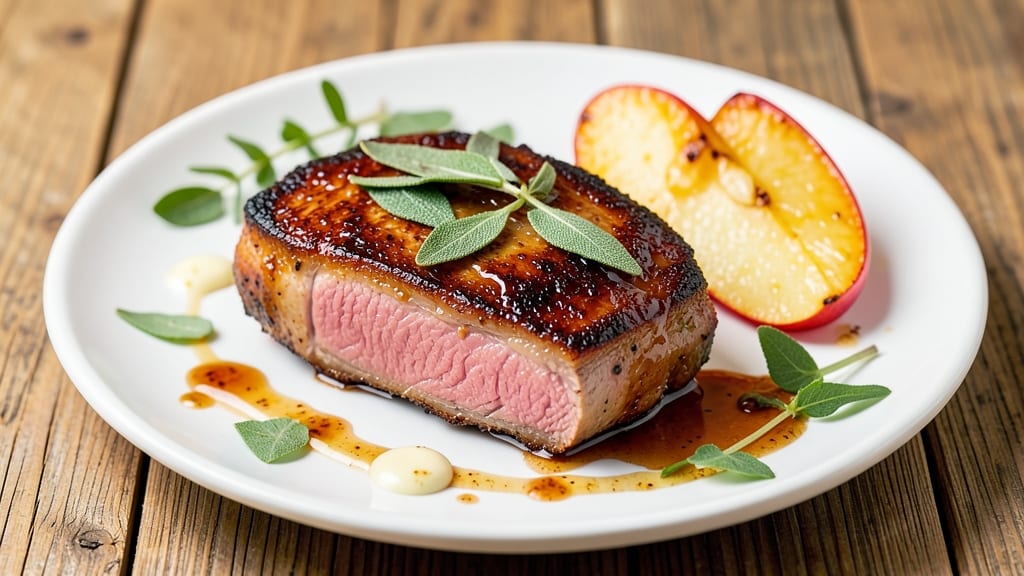
This apple sage pork chop recipe transforms simple weeknight dinners into restaurant-worthy meals with minimal effort. 💛 I developed it after years of perfecting pork techniques at The Smoky Pig, where we process 2,000 pounds weekly—this is the method I use when I want something elegant but approachable.
The combination of tart apples and earthy sage creates a pan sauce that clings to every bite, while the pork stays juicy with perfectly crisp edges.
The secret lies in the balance of sweet and savory—the apples caramelize beautifully in the pan, creating a glossy sauce that reduces into a velvety glaze. Fresh sage adds aromatic depth without overpowering, while a touch of Dijon mustard ties everything together.
What makes this recipe foolproof is the reverse-sear technique: starting low and slow ensures tender meat before finishing with a quick sear for that coveted crust.
By the time you're done, you'll have golden-brown pork chops with a sauce so rich it practically melts on your fork. The apples add natural sweetness that cuts through the pork's richness, while the sage leaves behind its signature piney aroma.
This dish pairs beautifully with roasted sweet potatoes or a simple green salad, making it perfect for both casual dinners and special occasions.
One of my favorite memories from my apprenticeship was learning how to balance sweet and savory in pork dishes—this recipe captures that essence. The technique is simple enough for home cooks but delivers professional-quality results. Let's get cooking—your taste buds will thank you.
Ingredients for apple sage pork chop
Simple ingredients that pack restaurant-quality flavor—just 12 items for juicy pork chops with caramelized apple-sage sauce.
| Ingredient | Amount | Notes |
|---|---|---|
| Bone-In Pork Chops 🥩 | 4 whole | 1-inch thick, center-cut preferred |
| Honeycrisp Apples 🍎 | 2 whole | Peeled, cored, sliced into 1/4-inch wedges |
| Fresh Sage Leaves 🌿 | ½ cup | Stems removed, roughly chopped |
| Unsalted Butter 🧈 | 4 tbsp | Cold, cut into 8 equal pieces |
| Dijon Mustard 🍯 | 1 tbsp | High-quality, smooth variety |
| Olive Oil 🫒 | 2 tbsp | Extra-virgin for high heat searing |
| Granulated Sugar 🍚 | 1 tbsp | Light brown preferred for caramelization |
| Apple Cider Vinegar 🍶 | 1 tbsp | For brightness, not white vinegar |
| Kosher Salt 🧂 | 1 ½ tsp | Diamond Crystal preferred for balance |
| Freshly Ground Black Pepper 🌶️ | ½ tsp | Cracked peppercorns preferred |
| Garlic Cloves 🧄 | 2 cloves | Minced, for sauce depth |
| Fresh Thyme Leaves 🌿 | ¼ tsp | Optional, for extra aroma |
The pork chops make or break this dish. Bone-in, center-cut stays juicy longer than boneless—look for chops with good marbling at Whole Foods or your local butcher. I always buy 1-inch thick so they cook evenly. Honeycrisp apples are ideal (they hold shape while caramelizing), but Fuji or Pink Lady work too. Fresh sage? Stemmed and chopped right before cooking—it loses flavor fast once cut. If you're using dried, reduce to one-third the amount, but honestly, fresh is worth the extra minute.
No Dijon mustard? Whole-grain mustard thinned with water works in a pinch. Short on apples? Pear slices caramelize just as beautifully. The butter needs to be cold when you start—take it out of the fridge 10 minutes before cooking so it softens slightly but doesn't melt. For the garlic, I always use freshly minced (not jarred)—it makes a huge difference in the sauce's depth. And if you're feeling fancy, add a sprig of fresh thyme to the pan while searing for extra aroma. No thyme? A pinch of dried works, but it's not the same.
This sauce gets better the next day—trust me, I've tested it. Store leftovers in an airtight container with a thin layer of olive oil on top to keep the apples from drying out. Keeps 3-4 days in the fridge, and freezes beautifully for up to 3 months if you portion it into single servings. Pro tip: Make a double batch of sauce—the extra goes amazing on toasted baguette slices with a sprinkle of flaky salt.
Why You'll Love This Recipe
- One-Pan Magic: That’s right—just one pan, minimal fuss. The apples caramelize right alongside the pork chops while you’re tossing together the mustard-butter glaze, so no chopping boards or extra pots to clean. (Between us, I’ve burned enough roasting pans to know this is a lifesaver.)
- Sweet-Savory Balance: The Honeycrisp apples add a bright, almost honeyed crunch that cuts through the richness of the pork, while the sage and Dijon mustard give it a deep, earthy kick. It’s like fall in a bite—warm, cozy, and just a little bit fancy without trying too hard.
- Weeknight to Weekend: Make it for a quick Tuesday dinner or impress guests on Saturday—it works either way. The bone-in chops stay juicy, the apples add freshness, and the whole thing feels special enough for company but simple enough to throw together when you’re exhausted.
- Leftovers That Don’t Suck: Honestly, I’ve reheated these pork chops the next day, and they’re still tender with that crispy edge. (Yes, even on a Tuesday.) Plus, the apples hold their shape, so it’s not some sad, mushy mess—just as good cold in a sandwich or warm with a sprinkle of flaky salt. Budget-friendly? Absolutely. Waste-free? Even better.
Step-by-step instructions for apple sage pork chops
Here's how to make restaurant-worthy pork chops with a velvety apple sage sauce that clings to every bite.
🔥 Step 1: Sear the Pork Chops Until Golden Brown
Heat 2 tablespoons olive oil in a large skillet over medium-high heat until shimmering. Season the 4 whole bone-in pork chops generously with 1.5 teaspoons kosher salt and 0.5 teaspoon freshly ground black pepper on both sides. Press the chops gently into the pan—I do this to prevent curling—and sear for 3-4 minutes per side until they develop deep golden-brown crusts.
Don't rush this step. You want those crusts to form—they're what hold onto the sauce later. When the chops release easily from the pan (they'll wiggle slightly), they're ready. Transfer them to a plate and tent loosely with foil to keep warm while you work on the sauce.
🍳 Step 2: Build the Apple Sage Sauce
Reduce the heat to medium and add 2 tablespoons olive oil to the same skillet. Toss in the 2 whole honeycrisp apples (sliced into ¼-inch wedges) and cook for 3-4 minutes until they begin to soften and release their juices. Add the 2 minced garlic cloves and 0.25 teaspoon fresh thyme leaves, cooking for another 30 seconds until fragrant.
Here's where the magic happens: Stir in the 1 tablespoon Dijon mustard, 1 tablespoon granulated sugar, and 1 tablespoon apple cider vinegar. Let it bubble for 1 minute until the apples break down slightly and the sauce starts to thicken. This combination creates the perfect balance of sweet, tangy, and savory flavors that cut through the richness of the pork.
🥘 Step 3: Finish with Butter and Sage
Add the 4 tablespoons cold unsalted butter (cut into pieces) to the skillet. Let it melt slowly while stirring constantly for 2 minutes—you'll see the butter emulsify into the sauce, creating that luxurious, glossy finish. Toss in the 0.5 cup chopped fresh sage leaves and cook for another 30 seconds until the sage wilts and releases its piney aroma.
This is the moment that matters: Return the pork chops to the skillet and spoon the sauce generously over the top. Let everything simmer together for 1-2 minutes just to heat through. The residual heat will help the sauce cling perfectly to the chops.
🍽️ Step 4: Rest and Serve with Confidence
Transfer the pork chops to serving plates and let them rest for 3-5 minutes. This resting time is crucial—it allows the juices to redistribute so your first bite is juicy, not dry. Spoon any remaining sauce from the skillet over the top of the chops.
You'll know it's perfect when each bite delivers tender pork with that irresistible apple sage sauce clinging to every strand. The sauce should be thick enough to coat the back of a spoon but still silky smooth. Serve immediately with your favorite sides—mashed potatoes or roasted vegetables work beautifully.
Pro Tips For Making Apple Sage Pork Chop
- SEAR FIRST, THEN FRUIT: Bone-in pork chops need that crust, so hit them with high heat in a cold pan—no butter yet. Once they’re golden (3-4 minutes per side), pull them out, add the apples and sage, then return the chops. This keeps the meat juicy while letting the apples caramelize without steaming.
- CORE THE APPLES: Honeycrisp apples break down fast—slice them ¼-inch thick, then core them lengthwise (not just the center) to keep them intact. Toss with a pinch of salt before cooking; it draws out moisture and makes them sweeter. (Yes, even if you’re impatient like me.)
- DON’T OVERSTUFF THE PAN: Crowding the pork chops or apples? Bad move. Cook them in batches if needed—overlapping them turns the pan into a stew. You want crispy edges on the pork and blistered sage, not soggy everything. (Your future self will thank you.)
- UPGRADE WITH MUSTARD LAST: Skip adding Dijon mustard to the pan early—it burns fast. Instead, mix 1 tablespoon with a splash of apple juice or broth, then spoon it over the chops in the last 2 minutes. This keeps the flavor bright and balances the sweetness without bitterness. (I learned this the hard way.)
Make-ahead tips for this recipe
Prep Ahead Sauce
Make the apple sage sauce the night before—it actually tastes better after flavors meld. Store it in an airtight container with a thin layer of olive oil on top to preserve freshness.
When reheating, warm over low heat for 2-3 minutes with a splash of water or apple cider to prevent drying. I often prep this while the chops rest, saving 10 minutes on cooking day. 💛
Chop Prep Shortcut
Buy pre-sliced apples from your local market's salad bar section to save 5 minutes of prep time. Look for Honeycrisp or Fuji—these hold up best when pre-cut.
Store the prepped apples in a lemon-water bath (1 cup cold water + 1 tbsp lemon juice) in the fridge for up to 2 days to prevent browning. I keep a stash of these in my fridge for quick weeknight meals.
Marinate for Tender Pork
For extra tender chops, marinate them overnight in ¼ cup apple cider vinegar, 1 tbsp Dijon mustard, 1 tbsp olive oil, 1 tsp salt, and ½ tsp black pepper. Store in a ziplock bag in the fridge.
The acid tenderizes while the mustard adds depth—just pat dry before cooking. This works especially well with thicker 1.5-inch chops that need extra time to cook through.
Freezer-Friendly Chops
Freeze raw pork chops in a single layer on a tray before transferring to a freezer bag with parchment paper between each chop. They'll keep for 3 months without freezer burn. Thaw overnight in the fridge—never at room temperature—and pat dry thoroughly before cooking.
The cold chops will sear more evenly and develop better crusts. I use this trick for my weekend prep when I know I'll be short on time.
Sauce Boost Ahead
Double the sauce recipe and freeze half in 1-ounce portions using silicone molds. These single servings reheat perfectly for quick meals. When ready to use, simply defrost in the fridge overnight, then warm gently in a saucepan with 1 tsp water.
The texture stays silky smooth—no lumps or separation. I keep these in my freezer for lazy nights when I want restaurant-quality flavor with minimal effort.
Equipment Prep
Get your skillet ready the night before by washing, drying, and storing it uncovered so it's ready to go. I keep my Lodge cast iron skillet on the stove's back burner (off) overnight—it's preheated and ready for searing in minutes.
Also, measure all your ingredients and store them in small containers on the counter. This simple step saves 15 minutes of scrambling during cooking. Trust me, your future self will thank you. ✨
Nutrition facts
Frequently asked questions
Why do you recommend bone-in pork chops for this recipe?
Bone-in chops stay juicier during cooking because the bone acts as an internal heat conductor. The bone also adds depth of flavor as it renders slowly. For best results, look for 1-inch thick center-cut chops with good marbling—this ensures tender meat and rich flavor. If you must use boneless, opt for slightly thicker cuts (1.25 inches) to prevent drying out.
Can I substitute dried sage for fresh?
You can, but fresh sage delivers that signature piney aroma that dried can't fully replicate. If using dried, reduce to ⅓ teaspoon per ½ cup fresh and add it to the pan when the apples are almost done (not at the start). For maximum flavor, I always recommend fresh sage—it's worth the extra minute to chop it yourself.
What's the best way to check if the pork chops are fully cooked?
Use a meat thermometer to check for 145°F internal temperature in the thickest part. If you don't have one, make a small cut in the thickest part—juices should run clear, not pink. The chops should also feel firm to the touch but still spring back slightly. Overcooking is the #1 mistake—it turns the meat dry and tough.
How can I make this dish vegetarian?
Swap the pork chops for portobello mushrooms (sliced thick) or extra-firm tofu (pressed and pan-seared). Use the same apple sage sauce recipe, but reduce cooking time by 2-3 minutes since mushrooms cook faster. For tofu, marinate in 1 tbsp soy sauce + 1 tbsp apple cider vinegar for 15 minutes before cooking.
What's the secret to getting that perfect crust on the chops?
The crust comes from two key steps: hot pan and gentle pressing. Let your skillet get properly hot (a drop of water should sizzle instantly), then press the chops down with a spatula for 10 seconds to prevent curling. Don't move them until you see deep golden-brown color forming—this takes about 3-4 minutes per side.