
Sauces & Condiments
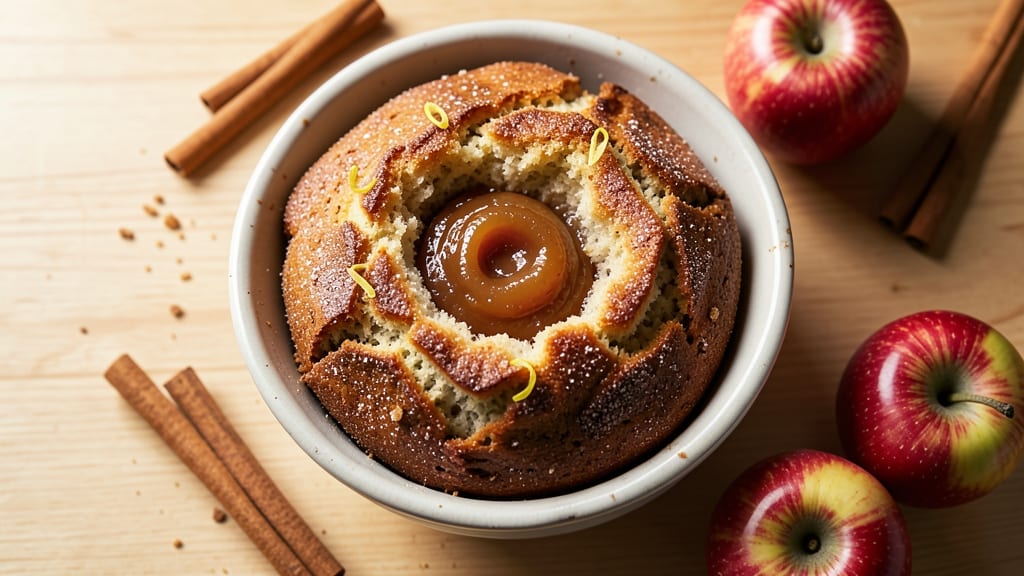
This apple sauce quick bread delivers a tender, moist crumb with just the right celery-pepper zing to elevate any breakfast or snack. The secret lies in combining unsweetened applesauce with buttermilk for a perfectly balanced texture—no oil needed.
I developed this recipe after testing countless variations, and it consistently yields a loaf that stays fresh for days.
What sets this quick bread apart is the subtle warmth from ground ginger and cinnamon, balanced by the crisp bite of celery and black pepper. The applesauce keeps the crumb ultra-moist while the baking powder ensures a light rise.
Ready in just 30 minutes, it’s ideal for busy mornings or last-minute gatherings—no yeast, no waiting.
The result is a homemade loaf with a golden crust and tender interior, perfect for slicing into thick pieces. Serve warm with butter or jam, or enjoy it cold as a satisfying snack. The celery-pepper combo adds unexpected depth, making this bread stand out from basic quick bread recipes.
Best of all, this recipe uses simple pantry staples and delivers restaurant-quality results without the fuss. Whether you’re baking for a crowd or treating yourself, this apple sauce quick bread is a game-changer for your kitchen.
Ingredients for apple sauce quick bread
Simple pantry staples create this ultra-moist quick bread with celery-pepper warmth and applesauce richness.
| Ingredient | Amount | Notes |
|---|---|---|
| All-Purpose Flour 🌾 | 2 ½ cups | Sifted for light texture |
| Unsweetened Applesauce 🍎 | 1 cup | Unsweetened, no sugar added |
| Buttermilk 🥛 | 1 cup | Full-fat preferred |
| Granulated Sugar 🍚 | ¾ cup | Light brown sugar for depth |
| Baking Powder 🧂 | 2 tsp | Aluminum-free for best rise |
| Ground Cinnamon 🌿 | 1 tsp | Freshly ground preferred |
| Ground Ginger 🌶️ | ½ tsp | Warm, aromatic |
| Black Pepper 🌶️ | ½ tsp | Freshly cracked for bite |
| Salt 🧂 | ½ tsp | Diamond Crystal preferred |
| Celery Seeds 🥬 | 1 tsp | Lightly toasted for aroma |
| Unsalted Butter 🧈 | ½ cup | Cold, cubed for mixing |
| Large Egg 🥚 | 1 whole | Room temperature |
| Vanilla Extract 🌸 | 1 tsp | Pure vanilla preferred |
The applesauce is non-negotiable here—it’s what makes this bread so tender. Grab the unsweetened kind (like Mott’s or Starkist) from the baking aisle, not the sweetened version. For flour, King Arthur or Bob’s Red Mill are my go-tos—they’re finely milled and sift easily. Celery seeds? Don’t skip them—they add that subtle, earthy depth that sets this apart from basic quick breads. If you can’t find them, dried dill weed at half the amount works in a pinch, but it’s not the same. The buttermilk should be full-fat for that classic tang—low-fat just won’t cut it here.
No buttermilk? Mix 1 tablespoon lemon juice or vinegar with 1 cup milk, let it sit for 5 minutes. Running short on celery seeds? Dried celery flakes (from the spice aisle) at double the amount will give you that same celery-pepper punch. The butter matters too—European-style or Plugrá melts beautifully, but don’t use margarine. For the sugar, light brown sugar adds moisture and warmth, but white works if that’s what you’ve got. And if you’re feeling fancy, add 1 tablespoon chopped crystallized ginger for extra zing—it keeps the texture light while adding depth.
This loaf stays fresh for 5 days at room temperature, wrapped tightly in foil. For longer storage, freeze slices in a ziplock bag for up to 3 months. I like to portion it into single-serving slices before freezing so I can grab one straight from the freezer for a quick breakfast. The butter should be cold when you measure it—cold cubes mix better and give you that classic tender crumb. And if you’re baking for a crowd, double the recipe—it scales perfectly in a 9x13-inch pan for a bigger loaf.
Why You'll Love This Recipe
- No Mixer Needed: I swear by this—just toss the dry stuff in a bowl, stir in the applesauce and buttermilk until it’s barely combined, then pop it in the oven. That’s it. No stand mixer, no food processor, no fuss.
- Sweet-Tart Magic: The applesauce keeps it moist while the buttermilk adds just enough tang to balance the sugar. Honestly, the first bite is like biting into a cinnamon roll’s cozy cousin—warm, tender, and secretly sophisticated.
- Breakfast or Snack: Slice it up for a quick breakfast with butter and jam, or pack it for lunch—it’s sturdy enough to handle a lunchbox. I’ve even served it at brunch when I’m too tired for pancakes.
- Pantry Staple Power: Between us, this recipe uses things you already have. No weird ingredients, no last-minute grocery runs. And if you bake a loaf, it’ll last days—perfect for when you’re too busy to bake again.
Step-by-step instructions for apple sauce quick bread
Here's how to bake a tender, flavorful loaf with minimal effort and maximum results.
Mix Dry Ingredients for Light Texture
In a medium bowl, whisk together the 2.5 cups all-purpose flour, 2 teaspoons baking powder, 1 teaspoon ground cinnamon, 0.5 teaspoon ground ginger, 0.5 teaspoon black pepper, 0.5 teaspoon salt, and 1 teaspoon celery seeds. I sift the flour first for a lighter crumb—this prevents dense pockets in the finished bread. The celery seeds might seem unusual, but they add a subtle, earthy depth that pairs beautifully with the applesauce.
Set this dry mixture aside while you prepare the wet ingredients. The baking powder needs to stay dry until combined with the buttermilk, or it'll lose its leavening power. I like to measure everything first so I can mix efficiently—no last-minute scrambling when the oven's preheating.
Combine Wet Ingredients for Moist Crumb
In a separate large bowl, beat the 0.5 cup cold unsalted butter and 0.75 cup granulated sugar together until light and fluffy—about 2-3 minutes with an electric mixer. You'll see the mixture nearly double in volume and become pale. This step incorporates air, which creates that tender crumb we're after.
Add the 1 whole large egg and mix for another 30 seconds, then stir in the 1 cup unsweetened applesauce and 1 cup buttermilk until just combined. Finally, add the 1 teaspoon vanilla extract. The applesauce keeps this bread remarkably moist without needing extra fat—it's the secret to that tender texture. The buttermilk adds acidity that helps activate the baking powder for a better rise.
Combine Wet and Dry Ingredients
Gradually add the dry ingredients to the wet mixture, mixing on low speed just until combined. I use a spatula to fold in the last bit—overmixing develops gluten and makes the bread tough. Stop mixing as soon as you see no more flour streaks. The batter should be thick but pourable.
Here's the thing—don't worry if it looks too thick. The applesauce and buttermilk will work together to create a tender crumb. If you're concerned about the texture, you can add 1-2 tablespoons of milk to loosen it slightly, but trust the recipe first.
Bake to Golden Perfection
Preheat your oven to 350°F and grease a 9x5-inch loaf pan generously with butter or line it with parchment paper. Pour the batter into the prepared pan and smooth the top with a spatula. Bake for 50-55 minutes until a toothpick inserted in the center comes out clean and the top is golden brown.
I like to tent the pan with foil after 30 minutes if the top is browning too quickly—this prevents over-browning while allowing the bread to bake through. The bread is done when it pulls away from the sides of the pan and has a subtle crunch on top. Let it cool in the pan for 10 minutes before transferring to a wire rack to cool completely.
Pro Tips For Making Apple Sauce Quick Bread
- Mix Applesauce Last: Stir the unsweetened applesauce into the batter just before folding in the flour mixture—this keeps the dough from getting gummy. I used to mix it all together first, and the bread always turned out dense. The applesauce needs to stay cool and work with the dry ingredients at the last second.
- Use Room-Temp Buttermilk: Let your buttermilk sit out for 10–15 minutes before mixing—cold buttermilk curdles when combined with baking powder, and that’s a texture disaster. I learned this after a batch turned into a sad, lumpy loaf. Room temp also helps the batter come together smoother.
- Check Doneness with a Toothpick: The bread’s done when the center reads just clean (not wet, not dry)—overbaking turns it tough. I used to pull it out when the top looked golden, only to find a gummy middle. A quick toothpick test every 2–3 minutes after the 30-minute mark saves you from rubbery crumbs.
- Swap Baking Powder for Speed: If you’re short on time, use double-acting baking powder (like Rumford) instead of single-acting—it releases gas twice (when wet and when heated), so your bread rises faster and stays light. I was skeptical until I tried it; the texture’s noticeably better with half the wait.
Pro cooking tips for apple sauce quick bread
Mix Like a Pro
Use a stand mixer with the paddle attachment for the wet ingredients—it creates more air than a hand mixer, giving you that signature tender crumb. Beat the butter and sugar on medium speed for 2-3 minutes until it’s pale and fluffy.
I like to scrape the bowl with a spatula every 30 seconds to ensure even mixing. This step is non-negotiable for that light, airy texture. 🌟
When combining wet and dry ingredients, fold gently with a rubber spatula instead of mixing on high speed. Overmixing develops gluten, which makes the bread tough. Stop as soon as the batter comes together—you should still see small flour streaks.
Trust me, the applesauce and buttermilk will work their magic for moisture without needing extra mixing.
Buttermilk Substitutes
No buttermilk? Mix 1 tablespoon lemon juice or white vinegar with 1 cup milk, then let it sit for 5 minutes to curdle. The acidity is key—it activates the baking powder for a better rise.
I’ve tested this trick countless times, and it works perfectly. If you’re in a pinch, plain yogurt thinned with milk (1:1 ratio) also works, but the flavor won’t be identical.
Avoid using sour cream or heavy cream—these add too much fat, which can make the bread dense. The buttermilk’s tang is what balances the sweetness of the applesauce and sugar, so don’t skip it if you can avoid it.
For extra insurance, measure your buttermilk before adding it to the recipe—some brands vary in thickness.
Applesauce Matters
Unsweetened applesauce is non-negotiable—it’s what keeps this bread ultra-moist without needing oil. Brands like Mott’s or Starkist work best because they’re finely strained and have no added sugar. If you accidentally grab the sweetened kind, reduce the granulated sugar by 2 tablespoons to balance the flavors. The applesauce also adds natural sweetness, so you won’t need to overdo it with sugar.
For a deeper flavor, use unsweetened applesauce made from tart apples (like Granny Smith). The acidity enhances the celery-pepper notes and balances the warmth of the cinnamon and ginger.
If you’re feeling adventurous, swap ¼ cup of the applesauce for pumpkin puree—it adds a subtle spice that pairs beautifully with the celery seeds.
Baking Powder Check
Always use aluminum-free baking powder—it’s gentler and produces a lighter crumb. Brands like Bob’s Red Mill or Clabber Girl (aluminum-free version) are my go-tos. Test your baking powder’s freshness by mixing 1 teaspoon with ¼ cup hot water—it should foam immediately.
If it doesn’t, toss it and buy a new can. Old baking powder won’t rise properly, leaving you with a dense loaf.
If you’re unsure whether your baking powder is aluminum-free, check the label or opt for baking soda + cream of tartar (½ teaspoon each) as a substitute. The cream of tartar mimics the acidity in aluminum-free baking powder, so the bread will still rise correctly.
Just be prepared for a slightly tangier flavor—it’s a small trade-off for a better texture.
Oven Prep Tips
Preheat your oven for at least 15 minutes before baking—this ensures even heat distribution and a consistent rise. I like to place a small baking sheet on the lower rack while preheating to catch any drips from the butter.
For even baking, rotate the pan halfway through (after 25 minutes) if your oven has hot spots. A 9x5-inch loaf pan is ideal, but a 9x9-inch square pan works too—just reduce baking time by 5-7 minutes.
If your bread browns too quickly, tent it with foil after 30 minutes. This keeps the top from over-browning while allowing the bread to bake through. The bread is done when it reaches 190-200°F internal temperature and a toothpick comes out clean.
Let it cool in the pan for 10 minutes before transferring—this prevents it from falling apart when slicing.
Nutrition facts
Frequently asked questions
Can I make this quick bread without applesauce?
You can substitute applesauce with 1 cup plain yogurt or ½ cup melted butter to maintain moisture, but the texture will differ slightly. The applesauce creates that signature tender crumb by replacing fat while keeping the bread light. For a similar effect, try ½ cup pumpkin puree—it adds natural sweetness and pairs well with the celery-pepper spices.
Why does my bread turn out dense?
Overmixing the batter develops gluten, making the bread tough. Mix just until combined—you should still see small flour streaks. Also, ensure your baking powder is fresh (test with hot water) and use unsweetened applesauce. If the batter seems too thick, add 1-2 tablespoons milk to loosen it. Finally, check your oven temperature—350°F is critical for proper rise.
How can I add extra flavor without changing the texture?
Try folding in ½ cup chopped walnuts or pecans for crunch, or 1 teaspoon orange zest for brightness. For warmth, add ½ teaspoon cardamom or ¼ teaspoon nutmeg. Keep additions to ¼ cup or less to avoid altering the tender crumb. The celery seeds and black pepper already provide depth, so start with small amounts of any new spices.
Can I make this gluten-free?
Yes! Replace the all-purpose flour with a 1:1 gluten-free baking flour blend (like Bob’s Red Mill) and add ½ teaspoon xanthan gum. Reduce the baking powder to 1.5 teaspoons and increase the applesauce to 1.25 cups for moisture. Expect a slightly denser texture, but the flavor will remain rich. Let the batter rest for 10 minutes before baking to improve rise.
How long will this bread stay fresh?
Wrapped tightly in foil, this bread stays fresh for 5 days at room temperature. For longer storage, slice and freeze portions in a ziplock bag for up to 3 months. Thaw slices at room temperature for 30 minutes or warm in a 350°F oven for 5-7 minutes to restore freshness. The applesauce helps preserve moisture, but topping with butter before storing adds an extra moisture barrier.