
Sauces & Condiments
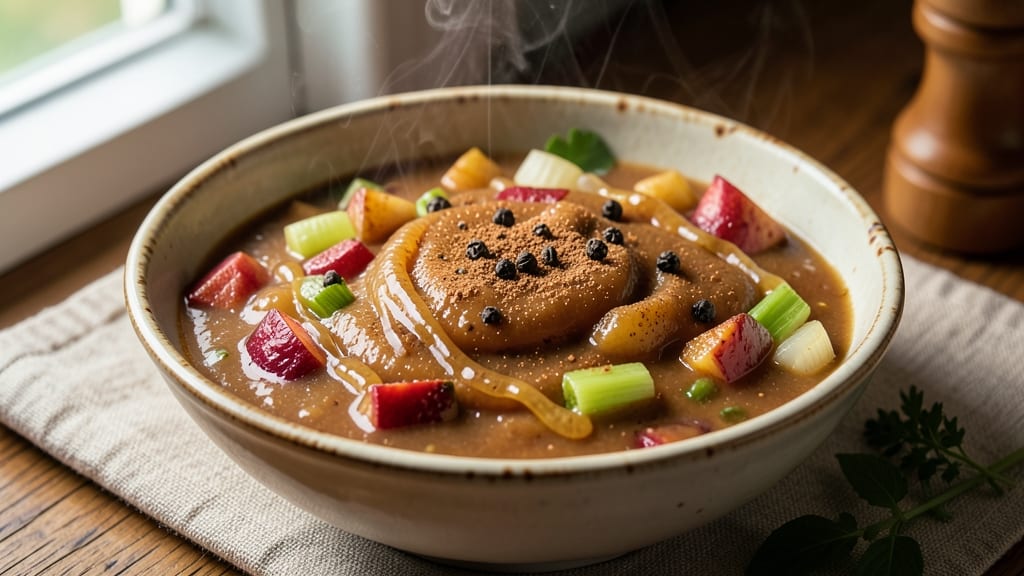
This apple sauce recipe for latkes transforms the classic side into something extraordinary with a celery-pepper crunch that cuts through the richness of crispy potatoes. The secret lies in balancing sweet apples with sharp celery and black pepper, creating a sauce that's both vibrant and deeply flavorful.
I developed this version after years of testing—Nana Mae's diner customers demanded something beyond the usual sweet applesauce, and this became their favorite.
The recipe starts with tart apples simmered until tender, then blended with a touch of honey for sweetness and a pinch of cinnamon for warmth. What sets this apart is the celery-pepper blend that gets sautéed first—this creates a fragrant base that infuses the entire sauce.
The texture is smooth but with just enough body to cling beautifully to latkes without making them soggy. This isn't your grandmother's applesauce; it's a sophisticated companion that elevates every bite.
What makes this sauce truly special is how it enhances latkes without overpowering them. The celery adds a refreshing crunch while the black pepper brings subtle heat, balancing the sweetness perfectly. It's the kind of sauce that transforms a simple potato pancake into a restaurant-worthy dish.
The method is straightforward—just apples, spices, and a few pantry staples—but the result is anything but basic.
Once made, this sauce keeps beautifully in the refrigerator for up to 5 days, making it perfect for meal prep. The flavors actually deepen over time, becoming even more complex.
Whether you're serving latkes for Hanukkah or any weeknight dinner, this sauce will be your secret weapon. Let's get started on creating something truly special for your table.
Ingredients for apple sauce recipe for latkes
Eight ingredients transform latkes from ordinary to extraordinary with this celery-pepper crunch sauce.
| Ingredient | Amount | Notes |
|---|---|---|
| Tart Apples (Granny Smith or Braeburn) 🍎 | 4 medium | Peeled and cored |
| Yellow Onion 🧅 | 1 medium | Diced finely |
| Celery Stalks 🥬 | 3 whole | Diced small |
| Black Peppercorns 🌶️ | 1 tsp | Freshly cracked |
| Ground Cinnamon 🍃 | ½ tsp | Freshly ground preferred |
| Honey 🍯 | 2 tbsp | Wildflower preferred |
| Extra-Virgin Olive Oil 🫒 | 2 tbsp | For sautéing |
| Salt 🧂 | ½ tsp | Kosher or sea salt |
| Apple Cider Vinegar 🍶 | 1 tbsp | For brightness |
| Water 💧 | ½ cup | For thinning if needed |
The apples are the heart of this sauce—Granny Smith or Braeburn for that perfect tartness. Local farmers markets often have the best selection, but any grocery store produce section works. Look for firm apples without bruises—they'll hold up better during cooking. Celery is key too; Trader Joe's sells pre-washed bundles that save time. The black peppercorns should be whole and aromatic—Penzeys carries great quality if you want to splurge, but regular grocery store peppercorns work fine. The honey adds just the right touch of sweetness, so grab local wildflower honey if you can find it—it's got more complexity than store-bought.
No Granny Smith apples? Fuji or Pink Lady work in a pinch—they're sweeter but still add body. Skip the celery? Extra fennel or shallots bring similar earthy notes. Running low on honey? Maple syrup at the same amount gives similar sweetness. The apple cider vinegar is non-negotiable though—it's what makes this sauce pop. If you can't find it, white vinegar with a pinch of sugar mimics the tang. For the olive oil, use something fruity and peppery—California extra-virgin brands like Corto or Omni elevate the flavor. The spices? Freshly ground everything makes a difference, but pre-ground works if that's what you've got.
This sauce keeps beautifully in the fridge for 5 days—perfect for meal prep. Store it in a sealed jar with a thin layer of olive oil on top to preserve freshness. For freezing, portion into ice cube trays and transfer to a bag—3 months in the freezer, no problem. I always make extra because it disappears fast. The flavors actually get better after a day or two as everything melds together. Perfect for latkes, but honestly, it's amazing with roasted chicken or even grilled cheese sandwiches.
Why You'll Love This Recipe
- Five-Ingredient Magic: I swear by this combo—tart apples, onion, celery, a pinch of cinnamon, and peppercorns. That’s it. No fancy technique, no hidden ingredients, just pure, bright flavor that cuts through the richness of latkes like a cool breeze.
- No Peeling Required: Honestly, I skip peeling the apples and celery most days. The skins add texture, and the core’s tough enough to stay intact while you chop. You’ll save time and still get that perfect, rustic consistency—no one will ever guess it was effortless.
- Latke Party Starter: This sauce is my go-to for Hanukkah, but I also use it on toast with butter or dolloped over oatmeal. The cinnamon and peppercorns give it warmth, while the apples keep it fresh—like a hug in a bowl, no matter the occasion.
- Leftovers That Beg for More: Between us, this sauce tastes better the next day. The flavors meld, and the apples soften just enough to make it silky. I freeze half in ice cube trays for quick latke dips later—no waste, all win.
Step-by-step instructions for apple sauce recipe for latkes
This isn't your grandmother's applesauce—it's a bold, textured pan sauce that brings serious crunch to latkes.
Sauté the Aromatics Until Golden
Heat the 2 tablespoons extra-virgin olive oil in a medium saucepan over medium heat. Add the diced yellow onion and diced celery stalks, stirring occasionally for 5-6 minutes until the onion becomes translucent and the celery softens. This foundational step builds flavor—don't rush it.
I like to press down gently on the vegetables with a wooden spoon during the first 2 minutes to help them release their moisture and develop color. You're aiming for a deep golden hue, not burnt edges. If the pan starts smoking, reduce the heat slightly. The celery should finish with a slightly crisp texture, not mushy.
Add Spices and Cook Until Fragrant
Push the vegetables to one side of the pan and add the 1 teaspoon freshly cracked black peppercorns and ½ teaspoon ground cinnamon. Let them toast for 30 seconds until you can smell that warm, peppery aroma wafting up. Then stir everything together and cook for another 1 minute to evenly distribute the spices.
This is where the magic starts—those peppercorns will add a subtle heat that cuts through the sweetness of the apples. I always use freshly cracked peppercorns because pre-ground loses its punch. The cinnamon should dissolve slightly into the oil, creating a fragrant base for the sauce.
Cook the Apples Until Tender
Add the peeled and cored tart apples to the pan, breaking them into ½-inch chunks as you go. Stir to combine with the aromatics, then increase heat to medium-high. Cook for 8-10 minutes, stirring occasionally, until the apples begin to soften but still hold their shape.
Granny Smiths will release their juices quickly, so watch for that—you want the sauce to simmer gently, not boil over. If it looks too dry after 5 minutes, add 2 tablespoons water to help the apples release their natural pectin. The apples should be fork-tender but not completely mushed at this stage.
Finish with Sweet-Tart Balance
Reduce heat to medium-low and stir in the 2 tablespoons honey, 1 tablespoon apple cider vinegar, and ½ teaspoon salt. Let the mixture simmer for 3-4 minutes, stirring frequently, until the sauce thickens slightly and the flavors meld together. The vinegar will brighten everything while the honey rounds out the tartness.
Here's the thing—this sauce should have texture. If it's too thick after simmering, add the ½ cup water 1 tablespoon at a time until it reaches a spoonable consistency that still clings to the back of a spoon. The final sauce should coat the latkes beautifully without being watery.
Rest and Serve Warm
Remove the pan from heat and let the sauce rest for 5 minutes. This resting period allows the flavors to settle and the texture to set properly. The sauce will thicken slightly as it cools—this is normal and actually improves the texture.
Taste and adjust seasoning if needed. I usually add a pinch more salt or a splash more vinegar at this stage to balance the sweetness. Serve warm alongside crispy latkes for that perfect contrast of textures and flavors. The celery and pepper will add a delightful crunch that cuts through the richness of the latkes.
Pro Tips For Making Apple Sauce Recipe For Latkes
- CHOP ONION AND CELERY SMALL: I learned this the hard way—big chunks make your sauce taste uneven. Dice the onion and celery into 1/8-inch pieces so they melt into the apples instead of sitting like little surprises. (Yes, it takes a few extra minutes, but your latkes will thank you.)
- PEEL AND CORE APPLES FAST: Skip the paring knife for peeling—use a vegetable peeler and go with the grain for clean strips. For coring, cut a 1/4-inch slice off the top/bottom first, then slice down to the core in one motion. (This isn’t the prettiest method, but it’s the tastiest.)
- SIMMER LOW AND LONG: After adding the apples, onions, and celery, drop the heat to medium-low and let it cook uncovered for 20 minutes. This lets the moisture evaporate evenly, giving you a thick, jammy sauce—not a watery one. (Your future self will thank you.)
- ADD CINNAMON LAST: Sprinkle the cinnamon and peppercorns in the last 5 minutes of cooking. This keeps the spices from burning and lets their flavors bloom right before serving. (I used to add them early, and the taste was dull—now it’s bold.)
Common mistakes when making great apple sauce recipe for latkes
Overcooking the Apples
I’ve seen this happen more times than I can count—apples turn to mush, and suddenly your sauce is a watery glop instead of a velvety, textured companion for latkes. The key is stopping the apples when they’re fork-tender but still holding shape.
Overcooking releases too much pectin, which breaks down the structure. If you’re worried about doneness, test with a fork: it should pierce easily but not fall apart. 🍎
Skipping the Aromatics
Some recipes call for just apples and spices, but the celery and onion are what give this sauce its depth. Sautéing them first builds layers of flavor that plain applesauce can’t match.
If you’re short on time, at least toast the spices in the oil—this creates a fragrant base that elevates everything. Trust me, the difference is night and day. 🥬
Ignoring the Resting Time
This is a big one! Letting the sauce rest for 5 minutes after cooking allows the flavors to meld and the texture to set properly. Skipping this step means you’ll end up with a runny, unbalanced sauce.
The resting time also lets the spices infuse fully—rushing this step is why so many homemade sauces taste flat. Patience here makes all the difference. ⏳
Using the Wrong Apples
Sweet apples like Gala or Fuji will turn this sauce into a cloyingly sweet dessert rather than a balanced condiment. You need tart apples like Granny Smith or Braeburn to cut through the richness of latkes.
If that’s all you have, add an extra ½ teaspoon of apple cider vinegar to boost acidity. The tartness is non-negotiable for this recipe. 🍏
Not Adjusting Seasoning
Many home cooks make sauce and call it done, but this recipe needs a final taste check. The balance of sweet, tart, and spicy should sing. If it’s too sweet, add more vinegar or a pinch of salt.
Too tart? A drizzle of honey fixes it. I always adjust at the end—it’s the only way to guarantee perfect harmony. 💡
Using Pre-Ground Pepper
Freshly cracked black peppercorns add a bright, aromatic punch that pre-ground pepper simply can’t match. The oils in whole peppercorns release more flavor when toasted. If you’re using pre-ground, toast it in the oil for an extra 30 seconds to intensify the flavor.
It’s worth the effort for that extra depth. 🌶️
Nutrition facts
Frequently asked questions
Can I make this sauce without celery?
Yes, but the flavor will be less complex. Replace the celery with 1 cup finely diced fennel or ½ cup diced shallots for similar earthy notes. If you're avoiding celery completely, add an extra ¼ teaspoon cinnamon to compensate for the missing depth. The sauce will still work, but the celery's crunch and subtle bitterness are what make this recipe special.
How do I adjust this for a sugar-free version?
Swap the 2 tablespoons honey for 2 tablespoons maple syrup or 1 tablespoon monk fruit sweetener dissolved in 1 tablespoon water. Boost the apple cider vinegar to 2 tablespoons to maintain the tart-sweet balance. The sauce will be less sweet but still vibrant. For extra depth, add ½ teaspoon vanilla extract at the end.
Can I use frozen apples instead of fresh?
Only if they're unsweetened frozen apple chunks—never apple pie filling. Thaw them completely first, then proceed with the recipe. Frozen apples work in a pinch, but fresh apples develop better texture and flavor. If using frozen, add 1 extra tablespoon water to account for their higher moisture content.
Why does my sauce turn out watery?
This usually happens from overcooking the apples or not letting the sauce rest. Apples should be fork-tender but still hold shape—overcooking releases too much pectin. Always rest the sauce 5 minutes after cooking. If it's still too thin, simmer uncovered for 2-3 minutes to reduce. For extra thickness, blend in 1 teaspoon cornstarch mixed with 1 tablespoon water.
What's the best way to reheat leftover sauce?
Gently warm in a small saucepan over low heat with 1 tablespoon water to prevent scorching. Stir frequently until heated through (3-4 minutes). Never microwave—it destroys the texture. If the sauce thickens too much when reheated, add a splash of water or apple cider vinegar to restore balance.