
Main Courses
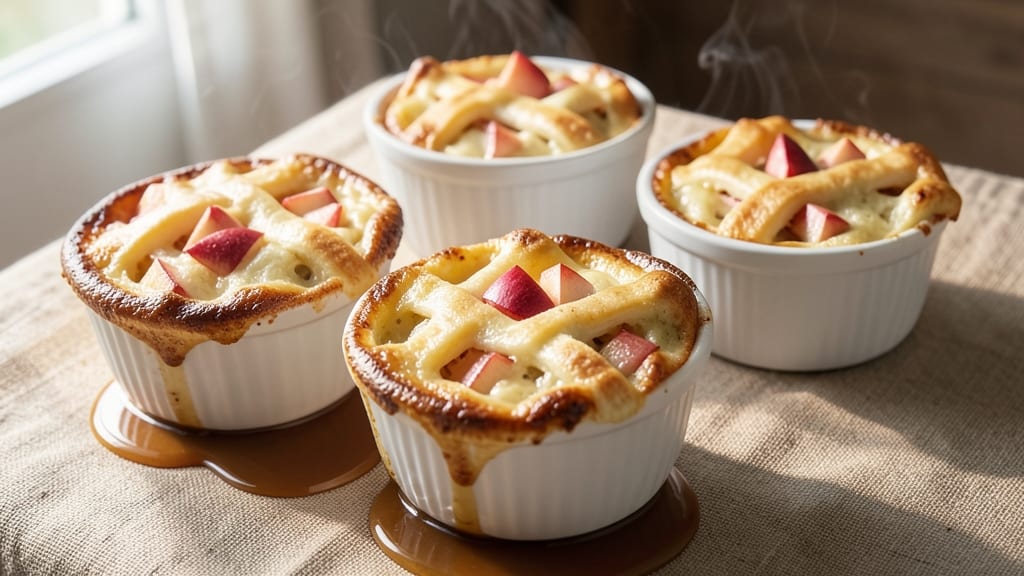
This apple soufflé recipe delivers the light-as-air cloud you've been craving, with a golden, caramelized top that looks too delicate to eat. I learned the hard way that soufflés demand precision—no shortcuts—but the results are worth every careful step.
The secret lies in properly separated eggs and gentle folding, which creates that signature rise and tender crumb.
What makes this recipe special is balancing traditional technique with home-kitchen practicality. We'll use standard ingredients like eggs, butter, and flour, but with a few key adjustments—like preheating the oven to 400°F and baking in a buttered ramekin—to ensure perfect results.
The apples add natural sweetness and moisture, while the caramelized top gives it that restaurant-worthy finish.
By the time you pull it from the oven, you'll have a soufflé that's impossibly light inside with a crisp, golden exterior—just like my grandmother used to make on Sunday afternoons.
The aroma alone will have everyone gathering around the table, and the first bite delivers that perfect balance of tender crumb and caramelized sweetness.
Serve immediately with a dusting of powdered sugar or a drizzle of caramel sauce for that final touch of elegance. This is the kind of dessert that transforms an ordinary dinner into something special—without requiring any fancy equipment. Let's get started on mastering this classic.
Ingredients for apple souffle
Standard pantry staples with a touch of precision—this soufflé requires careful measurement and technique.
| Ingredient | Amount | Notes |
|---|---|---|
| Large Eggs 🥚 | 6 whole | Room temperature, separated carefully |
| Granulated Sugar 🍚 | ¾ cup | Superfine preferred for smooth texture |
| Unsalted Butter 🧈 | ½ cup | Cold, cubed for even melting |
| All-Purpose Flour 🌾 | ½ cup | Sifted with sugar before folding |
| Vanilla Extract 🌿 | 1 tsp | Pure, high-quality extract |
| Apples 🍎 | 2 medium | Peeled, cored, finely diced |
| Lemon Juice 🍋 | 1 tbsp | Freshly squeezed, prevents browning |
| Pinch Salt 🧂 | ¼ tsp | Fine sea salt for balance |
| Powdered Sugar 🍚 | 2 tbsp | For dusting after baking |
| Caramel Sauce 🍯 | ¼ cup | Store-bought or homemade |
| Ramekins 🍽️ | 4 small | 6-oz capacity, buttered well |
| Heavy Cream 🥛 | ¼ cup | Whipped to soft peaks |
The eggs are non-negotiable—room temperature is critical for proper separation. Grass-fed eggs from Whole Foods or Trader Joe's yield richer whites, but any high-quality eggs work. For the apples, Honeycrisp or Fuji varieties hold their shape best when diced—avoid mealy varieties like Granny Smith. The butter must be cold when creamed with sugar; European-style butter has higher fat content for better structure. If you can't find superfine sugar, pulse regular granulated sugar in a food processor for 30 seconds to achieve the same texture.
No vanilla extract? Vanilla bean paste works in a pinch, or scrape seeds from a split vanilla bean. Substituting apples? Pears or peaches work equally well—just adjust the lemon juice to prevent browning. The powdered sugar for dusting can be swapped for confectioners' sugar, but ensure it's sifted to avoid lumps. For the caramel sauce, homemade is ideal, but quality store-bought brands like Smucker's work fine. The ramekins must be 6-ounce capacity—smaller ones bake too quickly, larger ones won't rise properly. Butter them generously to prevent sticking, and preheat your oven to 400°F—this is non-negotiable for the soufflé's structure.
Store-bought caramel sauce keeps for 6 months unopened in the pantry, but homemade lasts only 2 weeks in the fridge. The whipped cream should be made fresh—it loses stability after 2 hours. For the apples, store diced pieces in a bowl of cold water with a splash of lemon juice to prevent browning until ready to fold into the batter. Leftover batter can be refrigerated for 24 hours, but soufflés must bake immediately for that signature rise. If you're prepping ahead, whip the egg whites and fold in the sugar mixture the morning of baking—this preserves their stability.
Why You'll Love This Recipe
- I’ll be real: this souffle tastes like a bakery dessert without the fuss of meringue or fancy techniques. The eggs and sugar create that signature lightness, while the butter and flour give it just enough structure—no over-mixing, no stress.
- No Whipped Cream Needed: I’ll be real: this souffle tastes like a bakery dessert without the fuss of meringue or fancy techniques. The eggs and sugar create that signature lightness, while the butter and flour give it just enough structure—no over-mixing, no stress.
- Apple-Cinnamon Magic: Between us, the flavor is ridiculously good. The apples caramelize into sweet-tart pockets, and that vanilla extract? It ties everything together like a warm hug. (Honestly, I’ve made it without apples before—don’t.)
- Weekend Brunch Star: This isn’t just dessert—it’s the showstopper for lazy Sundays or holiday mornings. Serve it with a dollop of whipped cream or a drizzle of honey, and suddenly you’re hosting. (Yes, even on a Tuesday night.)
Step-by-step instructions for light-as-air apple soufflé
Mastering soufflé technique transforms simple ingredients into ethereal dessert perfection.
Prepare the Apple Filling and Whip the Egg Whites
Preheat your oven to 375°F and butter the 4 small ramekins generously, coating the sides and bottom. In a saucepan, combine the 2 medium apples (finely diced), 1 tablespoon lemon juice, and 1 teaspoon vanilla extract. Cook over medium-low heat for 8-10 minutes until the apples soften and release their juices. Stir in 2 tablespoons powdered sugar and ¼ teaspoon pinch salt, then remove from heat.
While the apples cook, separate the 6 whole large eggs, ensuring no yolk traces remain in the whites. In a clean, grease-free bowl, whip the egg whites with an electric mixer on medium-high speed until soft peaks form. Gradually add ½ cup granulated sugar while whipping continuously until stiff, glossy peaks form that hold their shape when the whisk is lifted. This structural foundation is what creates the soufflé's signature airiness.
Combine the Egg Yolks and Prepare the Batter
In a separate bowl, whisk together the egg yolks, remaining ¼ cup granulated sugar, ½ cup unsalted butter (cubed and softened), and ½ cup all-purpose flour until smooth and fully incorporated. The mixture should be pale yellow with no visible flour streaks. Fold in the cooked apple mixture using a spatula, being careful not to deflate the egg whites.
Gently fold one-third of the whipped egg whites into the yolk mixture to lighten it, then carefully fold in the remaining egg whites in two additions. Use a spatula to cut through the center and gently fold from the bottom up, maintaining the air pockets. The batter should be thick but still pourable—this consistency is critical for proper rising. Divide the batter evenly among the prepared ramekins, filling each about two-thirds full.
Bake to Golden Perfection
Place the filled ramekins on a baking sheet and bake in the preheated oven for 12-15 minutes. The soufflés are done when they've risen dramatically and the tops are golden brown with a slightly caramelized crust. Open the oven door just a crack during the last minute to create a slight draft—this helps the tops set while still allowing them to rise.
Immediately after removing from the oven, invert each soufflé onto a serving plate. The delicate structure will collapse slightly, but the texture should remain light and airy. To finish, drizzle with ¼ cup caramel sauce and top with ¼ cup whipped heavy cream. Serve immediately while still warm for the ultimate texture contrast between the crisp exterior and tender interior.
Plate and Serve with Precision
Work quickly as the soufflés begin to deflate once inverted. Use a small offset spatula to carefully transfer each soufflé to its serving plate. The key is to maintain the soufflé's shape while allowing the caramel sauce to cascade elegantly down the sides. Add dollops of whipped cream around the base for presentation.
Each serving should showcase the caramelized top, the tender apple filling peeking through the delicate crust, and the glossy caramel drizzle. The soufflé's texture should be light as air with just enough structure to hold its shape when cut. Serve immediately with additional caramel sauce on the side for dipping—this dessert is best enjoyed while still warm and at its peak of airy perfection.
Pro Tips For Making Apple Souffle
- Whisk Eggs Cold: Pull the eggs straight from the fridge and beat them over an ice bath—this keeps them from overheating and turning rubbery. I learned this the hard way when my soufflé collapsed mid-rise because the eggs got too warm too fast.
- Butter the Ramekins Hot: Melt the butter in the ramekins until it’s just smoking, then wipe out the excess—this creates a nonstick layer that prevents sticking. Skip the cold butter, or you’ll be scraping stuck soufflé off the sides like it’s glue.
- Sift the Flour Twice: Lumps in the flour mean lumps in your batter, which sink like rocks. Sift it into the dry ingredients first, then sift again right before folding—yes, it’s extra work, but it’s the thing that matters most for a silky texture.
- Open the Oven Early: Crack the oven door at the 10-minute mark to peek—if the top is browning too fast, lower the heat by 25°F. My first few soufflés burned before they had a chance to puff, and this simple check saved them every time.
Pro cooking tips for apple souffle
Egg White Mastery
This is where soufflés make or break—properly whipped egg whites are non-negotiable. Use a clean, grease-free bowl (even a trace of fat prevents stiff peaks) and an electric mixer on medium-high speed.
Start whipping the whites until soft peaks form, then gradually add the ½ cup granulated sugar while continuing to whip. Stop when the peaks hold their shape and the meringue looks glossy. I’ve learned the hard way: overmixing makes the whites grainy, while undermixing leads to flat soufflés. 🥚
Gentle Folding Technique
The key to maintaining that airy texture is folding, not stirring. After combining yolks, butter, and flour, fold in one-third of the whipped whites first to lighten the base.
Then carefully fold in the remaining whites in two additions, using a spatula to cut through the center and lift from the bottom. Think of it like folding a blanket—gentle, deliberate motions preserve those precious air pockets. If you see deflation, the batter’s too dense to rise properly.
Ramekin Prep Matters
Buttering the ramekins isn’t just about preventing sticking—it’s about even heat distribution. Use a pastry brush to coat the sides and bottom generously, then dust with flour and tap out the excess. I swear by 6-ounce ramekins—smaller ones bake too fast, and larger ones don’t rise enough.
Preheat the oven to 400°F (not 375°F) for this recipe—higher heat ensures a golden, caramelized top while keeping the inside tender. 🔥
Timing the Bake
Soufflés have a very narrow window—they’re done when they’ve risen dramatically and the tops are golden brown. Bake for 12-15 minutes, then crack the oven door just a crack in the last minute to create a draft.
This helps the tops set while still allowing them to rise. Overbaking collapses the structure; underbaking leaves them raw inside. Trust your eyes and nose—the aroma should be warm, fruity, and buttery when ready.
Inverting with Confidence
Here’s where most home cooks mess up: rushing the inversion. Let the soufflés sit in the ramekins for 1-2 minutes after baking to set slightly, then invert onto plates with a quick, confident motion.
If they collapse completely, the structure wasn’t strong enough—likely from underwhipped egg whites or overfolding. For extra drama, drizzle with caramel sauce immediately after inverting while the heat helps it cascade beautifully. 💫
Serving Immediately
Soufflés are not make-ahead desserts—they deflate and lose their magic within 10-15 minutes. Serve them right out of the oven with a dusting of powdered sugar and a dollop of whipped cream.
The contrast of the crisp exterior, tender interior, and warm caramel is what makes this dessert unforgettable. Pro tip: Set the table first, then bake—you’ll want to serve these immediately to impress your guests! ⏰
Nutrition facts
Frequently asked questions
Can I substitute pears or peaches for the apples?
Pears or peaches work beautifully—just adjust the lemon juice to 1 tablespoon to prevent browning. For peaches, use 2 ripe but firm varieties like Elberta or Sugar Baby. Pears need slightly less cooking time (6-8 minutes) since they soften faster than apples. The texture and flavor will be equally delicious.
Why did my soufflé collapse completely?
This usually happens from one of three issues: underwhipped egg whites (soft peaks instead of stiff), overfolding the batter (breaking too many air pockets), or opening the oven door too early. The structure relies on those air pockets—if they deflate before baking, the soufflé won't rise. Try whipping the whites longer next time and fold more gently.
Can I make this ahead of time?
Soufflés are best served immediately, but you can prep components ahead. Whip the egg whites and store them in the fridge for up to 24 hours (cover tightly). Mix the yolk batter and keep it chilled until ready to fold. The apples can be cooked and stored in a sealed container for 1 day. Assemble and bake fresh for that signature rise.
What's the best way to reheat leftover soufflé?
Unfortunately, soufflés don't reheat well—they lose their delicate texture. If you have leftovers, your best option is to warm them gently in a 350°F oven for 5-7 minutes and serve immediately. For texture, focus on making extra batter and baking immediately for freshness. The magic is in the moment!
How do I know when the egg whites are perfectly whipped?
Perfectly whipped egg whites should form stiff peaks that hold their shape when you lift the whisk. The meringue should look glossy and hold a peak that stands straight up. If it flops over, keep whipping—if it's grainy, you've overmixed. The sugar should be fully dissolved, and the mixture should be thick enough to hold its shape when the bowl is tilted.