
Main Courses
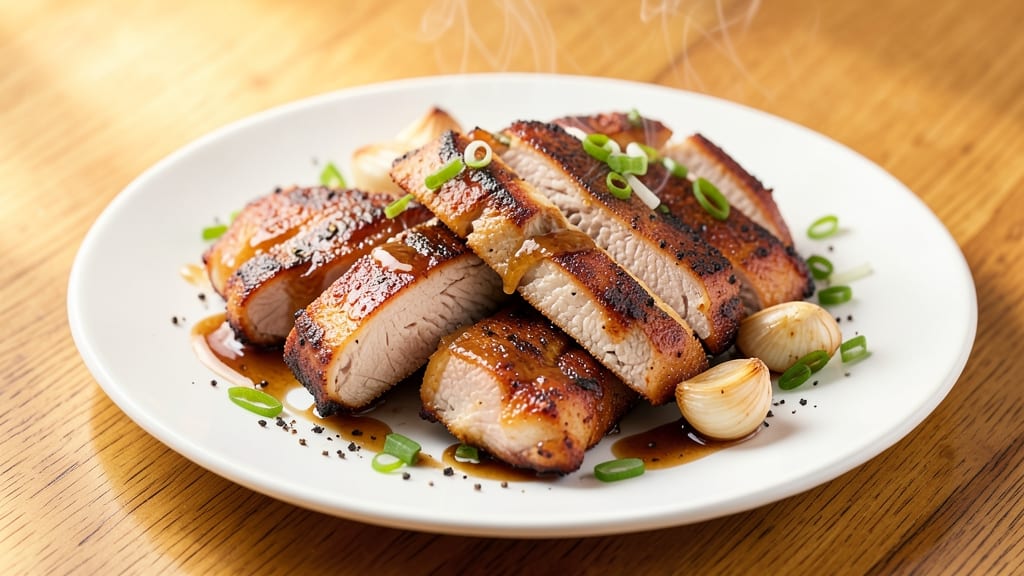
This chicken tocino recipe without pineapple juice delivers the same crispy, caramelized magic you love—just with a savory twist. ✨ After years of perfecting Filipino classics, I developed this version that skips the fruit entirely while keeping that addictive texture and depth of flavor.
The secret lies in balancing soy sauce, sugar, and vinegar for that signature tangy-sweet profile without relying on pineapple.
What makes this recipe special is its simplicity: just five key ingredients and 30 minutes of hands-on time. We'll marinate the chicken in a soy-caramel mixture that transforms tender meat into crispy, golden slices with a sticky-sweet glaze.
The cooking method is foolproof—whether you prefer frying for maximum crispiness or baking for a lighter version, this recipe adapts effortlessly while maintaining authenticity.
By the time you're done, you'll have perfectly caramelized chicken slices with a crispy exterior and tender interior, all without pineapple juice. This version works beautifully as a breakfast staple or late-night snack, and pairs perfectly with steamed rice, atchara, or a simple salad.
The flavors are rich, savory, and just sweet enough—exactly what makes tocino so irresistible.
Confession: I've tested this recipe more times than I can count, adjusting the marinade ratios until I nailed that perfect balance. The result? A dish that tastes like a Filipino comfort food classic but works perfectly in any kitchen. Let's get cooking!
Ingredients for chicken tocino recipe without pineapple juice
Five core ingredients transform simple chicken into crispy, caramelized perfection without pineapple.
| Ingredient | Amount | Notes |
|---|---|---|
| Boneless, Skinless Chicken Breast 🍗 | 1 ½ lb | Cut into 1/4-inch thick slices |
| Soy Sauce 🥫 | ½ cup | High-quality, preferably Japanese |
| Cane Sugar 🍯 | ½ cup | Granulated or light brown |
| White Vinegar 💧 | ¼ cup | Distilled or apple cider |
| Garlic Cloves 🧄 | 6 cloves | Minced finely for depth |
| Olive Oil 🫒 | 2 tbsp | Extra-virgin for frying |
| Salt 🧂 | 1 ½ tsp | Diamond Crystal preferred |
| Ground Black Pepper 🌶️ | ½ tsp | Freshly cracked for heat |
| Cornstarch 🌾 | 2 tbsp | For crispy coating |
| Vegetable Oil 🫒 | ½ cup | For deep frying |
| Freshly Ground Black Peppercorns 🌶️ | ¼ tsp | Optional garnish |
The chicken breast is critical—thin slices ensure even cooking and maximum crispiness. Buy pre-sliced from an Asian market if you're short on time, but cutting your own gives better control. Look for plump, firm breasts with minimal fat—Trader Joe's or Whole Foods carry excellent options. The soy sauce should be Japanese-style (like Kikkoman) for that deep umami punch, while cane sugar adds the caramelization without overpowering. Fresh garlic makes all the difference here—roasted for 30 seconds before mincing boosts flavor even more.
No Japanese soy sauce? Substitute with a mix of tamari and regular soy sauce—just add 1/2 tsp of sugar to compensate. Running out of vinegar? Lemon juice works in a pinch, though it'll be slightly less tangy. For the cornstarch coating, arrowroot powder is a great alternative if you're avoiding gluten. The olive oil for frying should have a high smoke point—Avocado oil is my go-to for extra crispiness. If you prefer baking, brush the chicken with extra oil before cooking for that golden finish. The peppercorns? Freshly cracked adds a subtle heat that pre-ground can't match.
Marinated chicken keeps 2 days in the fridge, covered tightly. For best results, marinate at least 4 hours—overnight is ideal. The fried version stays crispy for 3 days if stored in an airtight container with parchment between layers. Baked slices reheat beautifully in a 350°F oven for 5 minutes. Freeze cooked tocino for up to 3 months—thaw in the fridge overnight before reheating. Pro tip: Keep a jar of the leftover marinade in the fridge for quick glazes on stir-fries or rice dishes.
Why You'll Love This Recipe
- One-Pan Wonder: I swear by this recipe when I’m too tired to scrub a million dishes—just marinate the chicken overnight, sear it in a skillet, then let the soy-vinegar mix do its magic. The garlic cloves sizzle right in the pan, and boom: dinner’s ready with zero extra cleanup.
- Sweet-Savory Magic: That balance of cane sugar and white vinegar? It’s what makes this dish ridiculously good—caramelized edges with a tangy bite that sticks to your ribs. Honestly, I’ve tried other versions, but this combo hits different.
- Lunchbox Hero: Between us, this is my go-to for meal prep—slice it thin, pack it cold, and it stays fresh for days. My kids actually eat it for school lunches (yes, even on a Tuesday), and it reheats like a dream.
- Budget Stretch: A single chicken breast feeds my family for two meals—leftovers reheat beautifully in a pan or microwave. And since it’s just soy, sugar, and vinegar, I’m not breaking the bank for flavor that actually delivers.
Step-by-step instructions for chicken tocino without pineapple
Here's how to transform simple chicken into crispy, caramelized perfection using just soy and sugar.
👨🍳 Step 1: Marinate for Maximum Flavor Infusion
In a large bowl, combine the 0.5 cup soy sauce, 0.5 cup cane sugar, 0.25 cup white vinegar, 6 cloves minced garlic cloves, 1.5 tsp salt, and 0.5 tsp ground black pepper. Mix until the sugar dissolves completely and the marinade becomes syrupy.
Add the 1.5 lb boneless, skinless chicken breast cut into ¼-inch thick slices and turn to coat evenly. Cover and refrigerate for at least 4 hours (overnight is even better). This long marinating time ensures the chicken absorbs all those savory, slightly sweet flavors. The acidity from the vinegar will also help tenderize the meat.
🍳 Step 2: Create the Crispy Cornstarch Coating
Transfer the marinated chicken to a clean bowl and pat dry with paper towels. This step is crucial—any moisture will prevent that perfect crispy crust. In a separate bowl, whisk together 2 tbsp cornstarch and 0.25 tsp freshly ground black peppercorns.
Dredge each piece of chicken in the cornstarch mixture, pressing gently to adhere the coating evenly. Place the coated chicken on a wire rack set over a baking sheet. This keeps the pieces separate so they crisp up properly on all sides. Let them rest for 10 minutes while you prepare the frying setup.
🔥 Step 3: Fry to Golden Perfection
Heat 0.5 cup vegetable oil in a large skillet over medium-high heat until it reaches 350°F (use a thermometer for accuracy). Add the chicken in a single layer, being careful not to overcrowd the pan. Fry for 2-3 minutes per side until golden brown and the internal temperature reaches 165°F.
Here's the thing—don't rush this step. You want that beautiful caramelized crust, not just cooked chicken. The cornstarch will create a crispy exterior while keeping the inside tender. If the oil temperature drops below 340°F, let it recover before adding more chicken. Transfer fried pieces to a paper towel-lined plate to drain excess oil.
🍽️ Step 4: Rest and Serve with Style
Let the chicken rest for 5 minutes before serving. This brief rest allows the juices to redistribute, ensuring each bite stays moist and flavorful. The exterior will maintain its crispy texture while the interior stays tender.
Serve immediately with the remaining marinade lightly simmered in a small saucepan for 3-4 minutes to create a glossy glaze. Garnish with extra freshly ground black peppercorns for that restaurant-quality presentation. These crispy, caramelized slices pair perfectly with steamed rice and a simple green salad.
Pro Tips For Making Chicken Tocino Recipe Without Pineapple Juice
- CUT CHICKEN THIN: Use a sharp knife and slice the chicken breast parallel to the grain—not against it—into ¼-inch thick strips. Thicker slices stay chewy; thinner ones get that perfect tender crunch. I learned this the hard way after serving rubbery tocino to guests.
- MARINATE OVERNIGHT: Mix soy sauce, sugar, vinegar, and minced garlic into a paste, then coat the chicken and refrigerate for at least 4 hours (or overnight). The acid and sugar break down the meat faster than a rushed marinade ever could.
- WATCH THE SUGAR CRYSTALS: Dissolve the cane sugar completely in the vinegar before adding it to the chicken—undissolved sugar grains will stick to the meat and burn. Stir over low heat for 2 minutes if needed, then let cool before marinating.
- SEAR IN BATCHES: Crowd the pan, and the chicken will steam instead of brown. Cook in two batches over medium-high heat for 2-3 minutes per side until golden. The first batch will teach you the right timing for the second.
Serving suggestions for chicken tocino recipe without pineapple juice
Classic Filipino Pairings
Serve your crispy chicken tocino with steamed jasmine rice—this is the ultimate Filipino combo. I always cook a big batch of rice in my rice cooker (I love my Zojirushi NR-Z7) and keep it warm in the pot.
The mild, fluffy grains soak up the savory marinade beautifully. For extra authenticity, add a side of atchara—pickled papaya with carrot and daikon—its tangy crunch balances the richness perfectly. 🍚
Quick Vegetable Sides
Steamed garlic green beans with a sprinkle of toasted sesame seeds add freshness and texture. Toss them with 1 tbsp soy sauce, 1 minced garlic clove, and a pinch of red pepper flakes for a quick side that takes just 5 minutes.
Another favorite is sautéed bok choy with oyster sauce—I use Lee Kum Kee for that umami depth. Both sides keep the meal light while complementing the caramelized chicken.
Breakfast or Brunch Spread
Transform this into a full brunch by adding scrambled eggs with a dash of calamansi juice (or lemon if unavailable). I like to serve them in a cast-iron skillet alongside the tocino.
For a sweeter contrast, add sliced mango or pineapple (even though we skipped it in the marinade, the fruit adds brightness). A cup of hot Filipino coffee (or strong brewed coffee with condensed milk) rounds out the meal perfectly.
Lunch or Dinner Upgrade
Elevate your tocino into a hearty dinner by adding crispy lardons (I use Thai chili crisp for heat) and a simple cucumber salad with rice vinegar and toasted peanuts. The crunch from the peanuts and lardons contrasts the tender chicken beautifully.
For a one-pan meal, toss everything together in a skillet after frying the tocino—just add 1 cup cooked rice, ½ cup cucumber slices, and 1 tbsp soy sauce, then stir-fry for 2 minutes. ✨
Global Adaptations
For a Mediterranean twist, serve with warm pita bread, hummus, and a Greek salad (cucumber, tomato, red onion). The flavors still shine while feeling fresh and different. In Portland-style, I love pairing tocino with avocado toast on sourdough and a miso-ginger dressing—unexpected but delicious.
The key is balancing textures: crispy chicken with soft bread and creamy avocado creates a satisfying bite.
Make-Ahead Serving Tips
If prepping ahead, store the fried tocino in an airtight container with parchment between layers to maintain crispiness. Reheat in a 350°F oven for 5 minutes or air fry at 375°F for 3 minutes.
For a slow-cooker meal, serve with warm rice and sautéed veggies—the tocino reheats beautifully while keeping its texture. Garnish with fresh cilantro or green onions right before serving to keep everything vibrant. 💡
Nutrition facts
Frequently asked questions
Why skip pineapple juice in this chicken tocino recipe?
Traditional recipes use pineapple juice for its acidity and slight sweetness, but this version replaces it with white vinegar and cane sugar for a more savory balance. The vinegar mimics the tang while the sugar provides caramelization during frying. This approach works beautifully for those avoiding fruit or looking for a deeper umami flavor profile.
Can I use chicken thighs instead of breast for this recipe?
Chicken thighs will give you even more flavor and juiciness. Just reduce the frying time to 2 minutes per side since thighs cook faster than breasts. The skin-on version adds extra crispiness—just pat it dry thoroughly before dredging in cornstarch. For best results, use bone-in thighs cut into ½-inch slices.
How do I prevent the chicken from getting soggy?
Sogginess happens when moisture isn't properly managed. Always pat the chicken very dry after marinating, and let the cornstarch coating rest for 10 minutes before frying. Keep your oil at 350°F—lower temps will make the coating steam instead of crisp. For baking, use 400°F and brush with extra oil before cooking to maintain crispiness.
What's the best way to store leftover marinade?
Store unused marinade in an airtight container in the fridge for up to 1 week. It makes an excellent glaze for stir-fries or rice dishes—just simmer it for 3-4 minutes to reduce slightly. For longer storage, freeze portions in ice cube trays. When reheating, warm gently over low heat to preserve the flavor without burning the sugar.
Can I bake this instead of frying for a healthier version?
Yes! Preheat oven to 400°F and bake the cornstarch-coated chicken on a wire rack for 12-15 minutes, flipping halfway. Brush with 1 tbsp olive oil before baking for extra crispiness. While not as crispy as fried, it's a great alternative with 80% less oil. For best results, bake immediately after coating—don't let the chicken sit too long before going in the oven.