
Sauces & Condiments
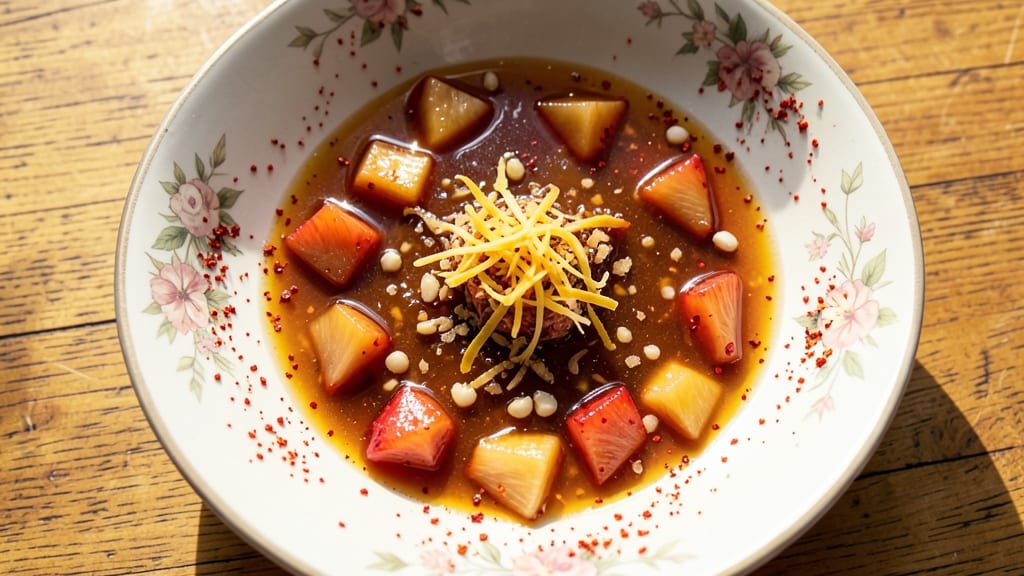
This Chinese pineapple sauce recipe transforms sweet, tangy tropical flavors into a versatile condiment that elevates grilled meats and rice bowls. The perfect balance of pineapple's natural sweetness and aromatic spices creates a sauce that's both bold and refreshing.
What makes this recipe stand out is its simplicity—just a few ingredients simmered together until thick and glossy.
The foundation of this sauce lies in its core components: fresh pineapple, brown sugar, rice vinegar, and a blend of garlic, ginger, and chili. These ingredients work together to create a sauce that's sweet yet tangy, with a subtle kick from the chili.
The sauce thickens as it simmers, developing a rich, caramelized depth that clings beautifully to grilled proteins or rice.
What you'll end up with is a vibrant, glossy sauce that's ready to drizzle over your favorite dishes. It's perfect for adding a tropical twist to grilled chicken, pork, or even as a sweet and tangy accompaniment to rice bowls.
The sauce keeps well in the refrigerator, making it an ideal addition to your meal prep arsenal.
This recipe is designed to be a game-changer for anyone looking to add a burst of flavor to their meals. Whether you're grilling outdoors or cooking indoors, this pineapple sauce will bring a touch of the tropics to your table with minimal effort.
Let's get started on creating this versatile and delicious sauce.
Ingredients for chinese pineapple sauce
Pineapple, spices, and vinegar—just a handful of ingredients for bold tropical flavor.
| Ingredient | Amount | Notes |
|---|---|---|
| Fresh Pineapple 🍍 | 1 ½ cups | Chopped, fresh or canned in juice |
| Light Brown Sugar 🍚 | ½ cup | Packed for sweetness |
| Rice Vinegar 🍶 | ¼ cup | White or seasoned |
| Garlic Cloves 🧄 | 4 cloves | Minced for aromatic punch |
| Fresh Ginger 🌿 | 1 tbsp | Grated, for zesty kick |
| Red Chili Flakes 🌶️ | 1 tsp | Adjust for spice level |
| Cornstarch 🌾 | 1 tbsp | For thickening sauce |
| Water 💧 | ¼ cup | For thinning if needed |
| Sesame Oil 🫒 | 1 tbsp | Toasted for aroma |
| Salt 🧂 | ½ tsp | Kosher or sea salt |
The pineapple is the star here. Fresh is ideal—look for ripe, vibrant fruit at the grocery store or farmers market. If using canned, go for pineapple in its own juice (not syrup) for authentic flavor. The brown sugar should be packed into the measuring cup for accurate sweetness. For the ginger, freshly grated adds way more punch than pre-ground powder. If you're short on time, a 1 tsp of ground ginger works in a pinch, but it won't have the same zing.
No rice vinegar? White vinegar or apple cider vinegar will do, though the flavor won't be quite as nuanced. Running out of sesame oil? Toasted peanut oil or even a splash of soy sauce can add depth. For the chili, fresh red chili or sriracha can replace the flakes if you prefer a smoother heat. The cornstarch is key for that glossy finish—don't skip it! If your sauce thickens too much, just stir in a splash of water. And if you're feeling fancy, a pinch of white pepper at the end adds another layer of complexity.
This sauce tastes even better the next day as the flavors meld. Store it in an airtight container in the fridge for up to 1 week. It freezes beautifully too—portion into ice cube trays for easy single-use servings. The sauce clings perfectly to grilled meats, so let it come to room temperature before drizzling. If it thickens too much after refrigerating, just give it a quick stir with a splash of water. Perfect for meal prep—make a big batch and keep it on hand for quick flavor boosts!
Why You'll Love This Recipe
- No-Chop Needed: I swear, this sauce takes less prep than my morning coffee. Just slice the pineapple (no dicing, no fuss) and let the blender or food processor do the work—no knives out after dinner.
- Sweet-Savory Magic: That caramelized brown sugar and ginger combo? It’s like a party in your mouth, but the tangy rice vinegar keeps it from being too heavy. Honestly, I’ve never met a sauce that balances sweet and sour this well.
- Weeknight Workhorse: Drizzle it over grilled chicken, toss it with rice, or use it as a glaze for roasted veggies. Between us, I’ve even dumped it on ice cream when I was lazy—no judgment. It’s that adaptable.
- Makes More Than You Think: A single batch stretches across three meals for me. Store it in the fridge for up to a week, and it only gets better as the flavors meld. Plus, the ingredients are cheap—this is my budget-friendly secret weapon.
Step-by-step instructions for Chinese pineapple sauce
Here's how to make this vibrant, tangy-sweet sauce that brings tropical flair to any dish.
Prepare the Pineapple and Aromatics
Start by finely chopping the 1.5 cups fresh pineapple into small, even pieces—about ¼-inch cubes. You want them small enough to dissolve quickly into the sauce but still retain some texture. In a small bowl, mince the 4 cloves garlic and grate the 1 tablespoon fresh ginger using a microplane or fine grater. The garlic should be very fine, almost like a paste, so it infuses flavor without being noticeable as chunks.
This prep work is crucial because the pineapple will break down as it cooks, and finely minced aromatics ensure even distribution of flavor. I like to toast the ginger briefly in a dry pan for 30 seconds to bring out its warmth before adding it to the sauce—just enough to smell that fresh, zesty aroma wafting through your kitchen.
Cook the Base Ingredients
In a medium saucepan, combine the chopped pineapple, 0.5 cup light brown sugar, 0.25 cup rice vinegar, minced garlic, grated ginger, 0.5 teaspoon salt, and 1 teaspoon red chili flakes. Bring the mixture to a gentle boil over medium heat, then immediately reduce the heat to low. Let it simmer uncovered for 10-12 minutes, stirring occasionally, until the pineapple softens and the mixture thickens slightly.
You'll notice the sauce darkening as the sugar caramelizes and the pineapple breaks down. This is where the magic happens—the sweetness of the brown sugar balances the tang of the rice vinegar, while the chili flakes add just the right amount of heat. Taste a spoonful at this stage—it should be sweet, tangy, and slightly spicy, but still have some bite.
Build the Sauce Thickness
In a small bowl, whisk together the 1 tablespoon cornstarch and 0.25 cup water until smooth. This is your thickening agent, and it’s important to whisk it well to avoid any lumps. Once the pineapple mixture is simmering gently, slowly pour in the cornstarch slurry while stirring constantly with a wooden spoon. The sauce should begin to thicken almost immediately—keep stirring for another 2-3 minutes until it reaches a glossy, syrupy consistency.
If the sauce is still too thin after a few minutes, you can add another 1 tablespoon of water and stir it in. The goal is a sauce that coats the back of a spoon but isn’t so thick it’s gluey. Here’s a pro tip: If the sauce starts to look too thick, just add a splash of water and stir—it’s easier to thin than to thicken later.
Finish with Sesame Oil and Adjust Seasoning
Remove the sauce from heat and let it cool for 2 minutes. Then, stir in the 1 tablespoon sesame oil and give it a final taste. The sesame oil adds a nutty depth that ties all the flavors together. At this point, you can adjust the seasoning—add a pinch more salt if it needs it, or a bit more brown sugar if you want it sweeter. The sauce should be balanced: sweet, tangy, with a hint of spice and that unmistakable sesame aroma.
Let the sauce sit for 5 minutes before serving—this allows the flavors to meld even more. This sauce is incredibly versatile. Drizzle it over grilled chicken or pork, toss it with rice bowls, or use it as a dipping sauce for spring rolls. It keeps well in the fridge for up to 5 days, so you can make a big batch and enjoy it all week.
Pro Tips For Making Chinese Pineapple Sauce
- COOK GARLIC LOW AND SLOW: I learned this the hard way—crushing garlic into the sauce too early burns it before the pineapple’s sweetness can balance the heat. Add minced garlic after the pineapple has softened and simmered for 3-4 minutes, then let it cook just until fragrant (about 1 minute). Overcooked garlic turns bitter, and this sauce isn’t the place for that.
- PEEL GINGER THINLY: Thick ginger chunks sit like rocks in the sauce, refusing to soften. Use a spoon to scrape off just the pale inner skin, then slice it paper-thin (or grate it). Thin ginger dissolves completely, infusing the sauce with warmth without texture surprises—no one wants to bite into a surprise slice.
- STIR CONSTANTLY AT FIRST: The first 5 minutes are when pineapple releases its juice and caramelizes with sugar. If you walk away, the bottom turns into sticky, burnt syrup while the top stays raw. Keep the pan moving—even if it means setting a timer and stirring every 30 seconds—until the liquid reduces and the color deepens to amber.
- USE RICE VINEGAR LAST: Add vinegar too early, and the acid will halt the caramelization process, leaving your sauce flat and one-note. Wait until the pineapple is tender and the sugar has melted into a glossy syrup, then splash in the vinegar just before serving. This keeps the bright, tangy finish sharp and intentional.
Make-ahead tips for chinese pineapple sauce
Batch Prep Basics
Make a double batch of this sauce at once—it’s perfect for meal prep! Simply double all ingredients and use a large saucepan (like a 5-quart Dutch oven) to prevent spills. I love using glass storage jars with tight-sealing lids to keep the sauce fresh and easy to grab.
Store in the fridge for up to 1 week, or freeze in ice cube trays for single-use portions. 💫
Freezer-Friendly Tips
For long-term storage, pour the cooled sauce into silicone ice cube trays—each cube makes a perfect single serving. Once frozen, transfer cubes to a ziplock freezer bag and flatten to save space.
Thaw overnight in the fridge before using. The sauce thickens slightly when frozen, so stir in 1 teaspoon water per cube when reheating. 🧊
Reheating Like a Pro
To reheat, transfer the sauce to a small saucepan and warm over low heat with 1-2 tablespoons water to restore its glossy texture. Avoid microwaving—it can make the sauce watery. For grilled meats, let the sauce sit at room temperature for 10 minutes before drizzling to prevent sticking.
I like to reheat just enough to warm through, then finish with a fresh drizzle of sesame oil for that restaurant-quality aroma. 🔥
Sauce Stability Hacks
If your sauce separates after refrigeration, simply stir in 1 teaspoon cornstarch mixed with 1 tablespoon water and heat gently until smooth. For extra shelf life, add ½ teaspoon citric acid (found in baking aisles) to the sauce before storing—it preserves freshness for up to 2 weeks.
Avoid adding this to the original recipe, though, as it can alter the flavor subtly. 💡
Flavor Boost Over Time
The sauce tastes even better after 24 hours as the flavors meld. If it thickens too much in the fridge, thin it with 1 teaspoon water per ½ cup sauce before reheating. For a spicier kick, add ½ teaspoon extra chili flakes when reheating.
To enhance sweetness, stir in 1 teaspoon honey or maple syrup—just enough to brighten the flavors without overpowering. ✨
Nutrition facts
Frequently asked questions
Can I use canned pineapple instead of fresh?
Yes, you can use canned pineapple in its own juice (not syrup) for this recipe. Drain the pineapple well before using, and you may need to add an extra 1 tablespoon of water to the cornstarch slurry to account for the reduced liquid. The texture will be slightly softer, but the flavor will still be delicious.
How spicy should this sauce be?
The recipe includes 1 teaspoon red chili flakes, which adds a mild heat. For a milder sauce, reduce to ½ teaspoon, or for extra kick, add ½ teaspoon more at the end. Taste as you go—you can always adjust the spice level to your preference.
Can I make this sauce without cornstarch?
Yes, but the texture will be thinner. Substitute with 1 tablespoon arrowroot powder or 1 teaspoon xanthan gum (mixed with ¼ cup water) for a similar thickening effect. If you prefer a naturally thickened sauce, simmer the mixture longer (up to 20 minutes) and stir frequently to reduce it.
What’s the best way to store leftover sauce?
Store in an airtight container in the fridge for up to 5 days. For longer storage, freeze in ice cube trays—thaw overnight in the fridge before using. The sauce thickens slightly when refrigerated, so stir in 1 teaspoon water per ½ cup to restore its glossy consistency.
What dishes pair best with this sauce?
This sauce is perfect for grilled meats like chicken, pork, or shrimp, but it also shines on rice bowls, noodles, or as a dipping sauce for spring rolls. The sweet-tangy flavor complements savory dishes beautifully. Try drizzling it over congee or using it as a glaze for baked fish.