
Sauces & Condiments
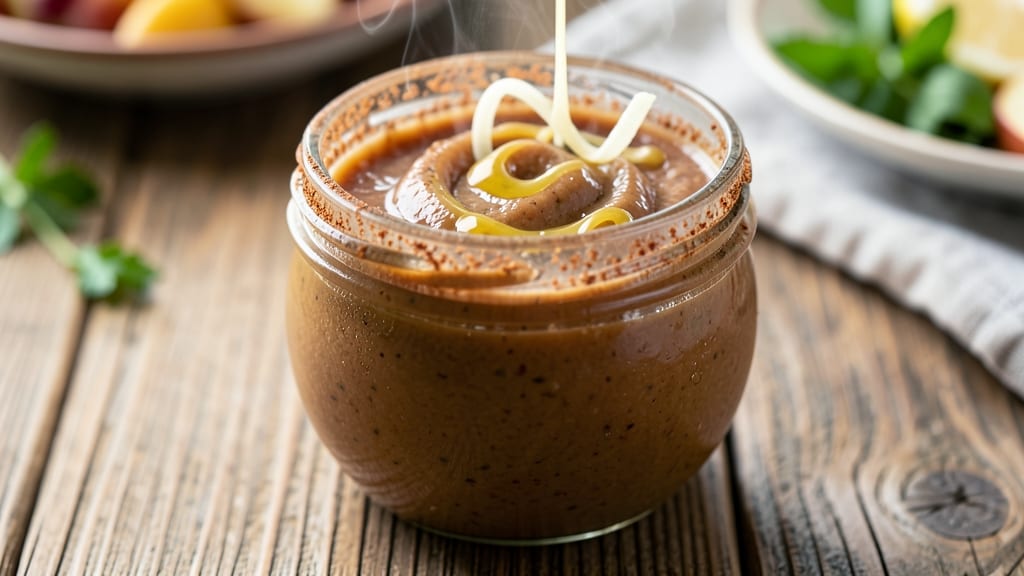
This freezer apple sauce recipe transforms seasonal apples into a smooth, no-sugar-added pantry staple that lasts for months. The secret lies in simmering peeled apples with just a touch of cinnamon until tender, then blending until silky—no added sugar needed.
What makes this version truly practical is the focus on freezing techniques that preserve texture and flavor, so you always have homemade sauce on hand for baking, oatmeal, or drizzling over yogurt.
What sets this recipe apart is its simplicity: just five ingredients and 30 minutes of active time, yet it yields a batch that scales perfectly for your freezer needs. The apples break down into a velvety consistency without graining, thanks to a slow simmer that develops natural sweetness.
For freezing, I recommend portioning into 1-cup containers—this makes thawing easier and prevents waste when you only need a small amount.
By the time you're done, you'll have a smooth, naturally sweet apple sauce that's ready for your freezer shelves. The cinnamon adds warmth without overpowering, while the lack of added sugar keeps it versatile for both sweet and savory uses.
This method ensures every spoonful tastes fresh, even after months of storage, making it the ultimate pantry investment for busy seasons.
Whether you're prepping for holiday baking or stocking your freezer for winter breakfasts, this recipe delivers restaurant-quality results with minimal effort. The key to success is proper cooling before freezing—spread the sauce thinly on a tray first to prevent ice crystals.
Once frozen, it keeps for up to 12 months, so you'll always have homemade goodness at your fingertips.
Ingredients for freezer apple sauce
Five simple ingredients transform seasonal apples into smooth, no-sugar apple sauce perfect for freezing.
| Ingredient | Amount | Notes |
|---|---|---|
| Apples 🍎 | 4 lb | Peeled, cored, and chopped |
| Water 💧 | 1 cup | For simmering apples |
| Ground Cinnamon 🍃 | 1 tsp | For subtle warmth |
| Lemon Juice 🍋 | 1 tbsp | Freshly squeezed |
| Salt 🧂 | ¼ tsp | Kosher or sea salt |
The apples are everything here—Honeycrisp or Granny Smith work best for their balance of sweetness and tartness. Local farmers markets often have the freshest varieties, but the grocery store will do in a pinch. Look for firm, unblemished apples; they'll hold up better during simmering. If you're using a mix, tart apples like Fuji help balance sweeter ones like Gala. Peel and core them first—it's worth the extra minute to avoid stringy bits in your final sauce.
No fresh lemon juice? Bottled works in a pinch, but fresh adds that bright pop. Running short on cinnamon? Nutmeg or cardamom at half the amount gives a different but still cozy flavor. The water is just for simmering—you'll blend it all together, so don't stress about exact measurements. For extra smoothness, strain through a fine-mesh sieve after blending, but the intro says this is about simplicity, so skip it if you prefer texture. The salt is easy to adjust later, so don't worry about being precise here.
This sauce freezes beautifully—12 months if stored properly. Let it cool completely before transferring to containers, and spread it thin on a tray before freezing to prevent ice crystals. Once frozen, portion into 1-cup containers for easy use. Thaw overnight in the fridge or microwave for 1-2 minutes. I always make a double batch—one for the freezer and one to enjoy fresh. The sauce thickens slightly after freezing, so add a splash of water when reheating if needed.
Why You'll Love This Recipe
- No-Peel Hassle: I swear by using whole apples with skins—peeling takes forever, and honestly? The texture’s richer. Just core, chop, and toss them into the pot. The skins soften perfectly, and you save 10 minutes of scrubbing.
- Cinnamon Kiss: That first spoonful of warm, spiced applesauce? Pure magic. A pinch of cinnamon and a squeeze of lemon brighten every bite—sweet but never cloying. It’s the kind of flavor that makes you reach for seconds without thinking.
- Pantry Staple Flex: This sauce works everywhere. Swap it for sugar in muffins, dollop it on toast with peanut butter, or serve it alongside roasted pork. Even my picky teenagers ask for it—proof it’s a crowd-pleaser.
- Freezer Magic: Make a big batch, freeze it in jars, and thank me later. No waste, no last-minute grocery runs. Thaw what you need for oatmeal, baking, or a quick snack—it’s my go-to for lazy mornings and busy weeks.
Step-by-step instructions for freezer apple sauce
Here's how to make a smooth, naturally sweetened apple sauce that keeps beautifully in the freezer.
Prepare the Apples for Cooking
Start by peeling, coring, and chopping all 4 lb of apples into ¼-inch chunks. I like to use a mix of sweet and tart varieties like Honeycrisp and Granny Smith for balanced flavor. Place the chopped apples in a large pot with the 1 cup of water—this helps prevent sticking and creates steam for even cooking.
Add the 1 tsp of ground cinnamon and 0.25 tsp of salt to the pot. Stir gently to distribute the spices evenly. The cinnamon adds warmth without overpowering, while the salt enhances the natural sweetness of the apples. Let the mixture sit for 5 minutes at room temperature—this helps the spices adhere better to the fruit.
Simmer Until Apples Are Tender
Place the pot over medium-high heat and bring the mixture to a boil. Once boiling, reduce the heat to medium-low and let it simmer uncovered for 15-20 minutes. You'll know it's ready when the apples break down easily with a fork and the sauce thickens slightly—it should coat the back of a spoon.
Here's the thing—don't walk away. Stir occasionally to prevent sticking, especially in the first 5 minutes of simmering. The apples should soften but not turn mushy; you want them to hold their shape just enough to create a chunky texture in the final sauce.
Blend for Smooth or Chunky Texture
Once the apples are tender, remove the pot from heat and let it cool for 5 minutes. This cooling step is crucial—it prevents splattering when you blend. For a smooth sauce, use an immersion blender to puree the mixture directly in the pot. For a chunkier texture, simply mash the apples with a potato masher or leave them slightly broken down.
If you prefer a thicker consistency, simmer the sauce uncovered for an additional 5-10 minutes on low heat, stirring frequently. For a thinner sauce, add 1-2 tablespoons of water at a time until you reach your desired texture. Taste and adjust the 1 tbsp of lemon juice—this brightens the flavor and balances the natural sweetness.
Cool and Prepare for Freezing
Transfer the apple sauce to a clean bowl and let it cool completely to room temperature. This step is critical for preventing ice crystals in the freezer. Once cooled, divide the sauce into 4 airtight containers or freezer bags—this makes it easy to thaw only what you need later.
Press plastic wrap directly onto the surface of the sauce in each container to minimize air exposure. Label each container with the date and store in the freezer. Properly stored, this apple sauce will keep for up to 12 months without losing quality. When you're ready to use it, thaw overnight in the refrigerator or reheat directly from frozen over low heat, stirring occasionally.
Pro Tips For Making Freezer Apple Sauce
- Peel and Core Efficiently: Use a vegetable peeler to strip the skin in one smooth motion—no jagged edges to deal with later. For cores, slice the apple in half horizontally first, then cut out the stem in one clean motion with a paring knife. (Yes, it takes 30 seconds more upfront, but your hands will thank you.)
- Simmer Until It’s Silky: Don’t rush the cooking—let the apples break down completely, stirring occasionally, until the sauce is so smooth it coats the back of a spoon. If it’s still chunky after 20 minutes, add a splash of water and keep going. (I learned this the hard way when my freezer applesauce turned out like applesauce with apples in it.)
- Salt Before Freezing: Season the applesauce fully before transferring it to containers—salt draws out moisture, and you don’t want to thaw a bland, watery mess. A pinch of salt (about ¼ teaspoon per quart) also helps preserve color and flavor during freezing. (Your future self will curse you if you skip this.)
- Use Lemon Juice Last: Stir in the lemon juice only after the sauce has cooled slightly—adding it too early can make the applesauce taste sharp and underripe. A tablespoon per batch brightens the flavor without overpowering. (I was skeptical until I tried it—now I never skip it.)
Essential equipment for perfect results
Blender Essentials
An immersion blender is my go-to for this recipe—it blends directly in the pot, saving cleanup time. I swear by the Ninja BN601 for its powerful motor and easy-to-clean design. If you prefer batch blending, a high-speed blender like the Vitamix 5200 handles thick apple mixtures effortlessly.
For chunky textures, skip blending entirely and use a potato masher—it’s the simplest tool for the job. 💫
Freezer Containers
Invest in airtight, freezer-safe containers to preserve quality. I recommend Glasslock 16-ounce containers for their durability and leak-proof lids. For portion control, use quart-sized freezer bags—they stack neatly and let you squeeze out excess air to prevent freezer burn.
Label each container with the date using a permanent marker—trust me, you’ll thank yourself later when you’re digging through the freezer in a hurry. ❄️
Measuring Tools
A kitchen scale is a game-changer for apples—weighing them ensures consistency, especially when using different varieties. I use the OXO Good Grips scale for its precision. For chopping, a sharp chef’s knife and cutting board are non-negotiable.
A fine-mesh strainer comes in handy if you prefer ultra-smooth sauce, though it’s optional for this recipe. Don’t skimp on quality here—dull tools make prep frustrating. 🔪
Simmering Pot
Choose a heavy-bottomed pot with a 4-6 quart capacity to prevent scorching. My All-Clad stainless steel pot handles the job perfectly, but a high-quality enamel Dutch oven works too. Avoid thin, non-stick pots—they can’t distribute heat evenly, leading to uneven cooking.
A wooden spoon is ideal for stirring, as it won’t scratch your pot or react with acidic ingredients like metal might. 🍲
Thermometer (Optional)
While not required, a candy or instant-read thermometer helps track the sauce’s thickness. Aim for an internal temperature of 190-200°F for a thicker consistency. I use the Thermoworks ThermoPop—it’s affordable and accurate.
If you’re blending, this step is optional, but it’s a pro trick for achieving the perfect texture every time. 🌡️
Storage Accessories
For long-term storage, parchment paper is your best friend—line trays with it before freezing to prevent sticking. Once frozen, transfer the sauce to containers, but keep the parchment for easy portioning.
A vacuum sealer takes preservation to the next level, extending shelf life to 18 months. Even without one, ziplock bags with air squeezed out work in a pinch. 📦
Nutrition facts
Frequently asked questions
Can I use any apples for this freezer apple sauce?
For best results, choose a mix of sweet and tart varieties like Honeycrisp or Granny Smith. Tart apples help balance sweetness, while sweeter varieties add natural depth. Avoid overly soft apples—they break down too much during cooking. If you only have one type, Fuji or Gala work well for a milder flavor.
How do I prevent ice crystals when freezing apple sauce?
First, let the sauce cool completely before freezing. Then spread it thinly on a tray and freeze for 1-2 hours to form a solid layer. Transfer to containers, pressing plastic wrap directly on the surface to minimize air exposure. This method prevents large ice crystals that ruin texture.
Can I freeze apple sauce without lemon juice?
Yes, but the sauce may develop a duller flavor over time. Lemon juice prevents browning and brightens the taste. If you omit it, add ½ tsp of citric acid (found in baking sections) instead. For extra insurance, store containers in a vacuum-sealed bag to block oxygen.
Will the sauce thicken after thawing?
Yes, it naturally thickens when frozen and thawed. To restore original consistency, stir in 1-2 tablespoons of water per cup of sauce. For immediate use, reheat gently on low heat while stirring constantly. This prevents clumping and maintains smooth texture.
Can I add sugar or honey to this recipe?
You can, but the recipe is designed to highlight natural apple sweetness. If you prefer sweeter sauce, add 1-2 tablespoons of honey or maple syrup during simmering. For freezing, reduce added sugar by half—it concentrates during storage. Taste before freezing to adjust sweetness.