
Sauces & Condiments
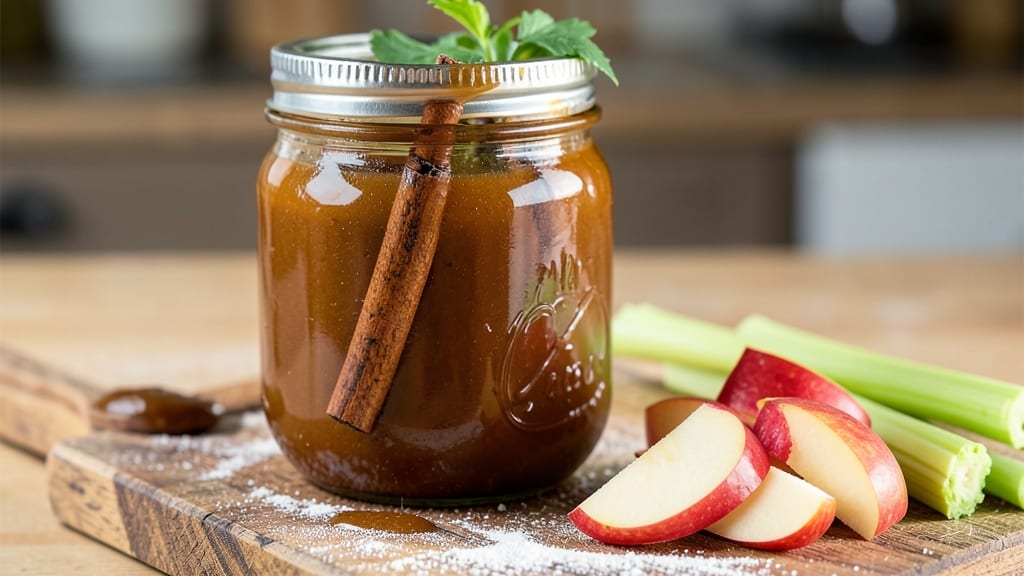
This homemade apple sauce recipe for canning transforms seasonal apples into a smooth, long-lasting condiment with a celery-crunch twist that adds unexpected depth. The secret lies in slow-cooking peeled apples with a touch of celery for subtle earthiness, then processing them into a velvety sauce ready for sterilized jars.
Unlike store-bought versions, this method preserves natural sweetness while extending shelf life through proper canning techniques—no artificial additives needed.
What sets this recipe apart is the celery addition, which introduces a fresh, slightly bitter note that balances the apples' sweetness without overpowering it. The sauce maintains a chunky texture (if preferred) or can be strained smooth, all while staying safe for long-term storage when processed correctly.
This isn’t just apple butter—it’s a versatile condiment that elevates toast, meats, and desserts alike.
Sterilization and sealing are critical for safety, but the process is straightforward with the right tools. You’ll end up with jars of golden-brown apple sauce that keep for months, ready to bring autumn’s harvest to your table any time.
The celery-crunch twist makes this recipe stand out from traditional versions, offering a flavor profile that’s both familiar and exciting.
Perfect for gift-giving, meal prep, or pantry staples, this apple sauce delivers restaurant-quality results at home. The key to success? Patience in cooking and precision in canning—both ensure a product that’s as delicious as it is safe to store long-term.
Ingredients for homemade apple sauce recipe for canning
Seasonal apples and celery transform into a velvety, long-lasting condiment perfect for sterilized jars.
| Ingredient | Amount | Notes |
|---|---|---|
| Apples (peeled, cored, and chopped) 🍎 | 12 lb | Use a mix of sweet and tart varieties |
| Celery Stems (chopped) 🧅 | 2 cups | For subtle earthy depth |
| Granulated Sugar 🍚 | 1 ½ cups | Adjust to taste for sweetness |
| Lemon Juice (freshly squeezed) 🍋 | ¼ cup | Prevents browning and adds brightness |
| Cinnamon Sticks 🌿 | 2 whole | For subtle warmth, optional |
| Water 💧 | 2 cups | For even cooking and texture |
| Salt 🧂 | 1 tsp | Enhances natural flavors |
| Pectin (powdered, for canning) 🍇 | ½ oz | Ensures proper gel formation |
The apple selection is non-negotiable for texture and flavor. Honeycrisp or Granny Smith blend beautifully, balancing sweetness and tartness. Grocery stores often carry pre-bagged mixes, but local farmers markets offer fresher, more flavorful options. Celery should be crisp and free of blemishes—organic varieties from the produce section ensure no bitterness. For the sugar, organic cane sugar from brands like Wholesome! Sweetener dissolves smoothly without altering the sauce's natural depth. Pectin is critical for canning safety and texture—Ball RealFruit Pectin is a trusted choice for home canners.
No celery? Substitute with an extra 0.25 cup of chopped carrots for subtle sweetness, though the earthy note will differ. Running low on sugar? Honey or maple syrup at a 1:1 ratio works, but adjust cooking time as it may caramelize faster. Fresh lemon juice is ideal, but bottled lemon juice works in a pinch if you're short on time. The cinnamon sticks are optional but recommended for warmth—Ceylon cinnamon offers a more refined flavor than cassia. For pectin, applesauce powder can replace powdered pectin at the same weight, though texture may vary slightly.
This sauce requires proper sterilization for long-term storage. Jars and lids must be processed in a boiling water bath for 15 minutes to ensure safety. Store sealed jars in a cool, dark place—they'll keep for 12-18 months when unopened. Once opened, refrigerate and consume within 2 weeks. The celery-crunch twist adds complexity, but for a smoother texture, strain the sauce through a fine-mesh sieve after cooking. Portion into smaller jars for gift-giving or meal prep—quart jars are ideal for individual servings.
Why You'll Love This Recipe
- No Chopping Drama: I swear by this method—just peel, core, and roughly chop apples. The celery stems add depth without extra work, and the cinnamon sticks infuse flavor while you stir. Honestly, it’s the kind of recipe where even my toddler could "help" (mostly by dropping apples, but we roll with it).
- Sweet-Tart Magic: That lemon juice isn’t just for show—it brightens the apples so the sugar doesn’t turn it cloying. The celery stems? They add this weirdly sophisticated earthiness that makes it taste like a fancy fall dessert, not just canned applesauce. (Yes, even on a Tuesday night.)
- Pantry Staple Upgrade: This isn’t just for canning—dump it into oatmeal, swirl it into yogurt, or use it as a pie filling. The sugar-to-apple ratio keeps it flexible, and the cinnamon sticks mean you can adjust spice levels for whatever you’re pairing it with. Between us, I’ve even used it in marinades for pork.
- Budget-Friendly Bulk: Apples and celery are cheap, and this recipe stretches to fill jars for months. No fancy equipment needed—just a pot, a spoon, and jars. I’ll be real: I made a double batch last harvest and still have jars from it. That’s $5 worth of applesauce that tastes like I slaved over it.
Step-by-step instructions for celery-crunch apple sauce preservation
Transforming fresh ingredients into shelf-stable preserves requires precision—here's the exact method.
Prepare the Cooking Base
In a large, heavy-bottomed pot, combine the 12 lb apples (peeled, cored, and chopped) with the 2 cups celery stems (chopped), 2 whole cinnamon sticks, 2 cups water, and 1 tsp salt. Bring to a boil over medium-high heat, stirring occasionally to prevent sticking. Once boiling vigorously, reduce heat to medium-low and let it simmer uncovered for 20-25 minutes until the apples break down completely and the mixture forms a thick, chunky consistency.
Here's the thing—this initial cooking phase extracts the maximum flavor from the celery while preventing the apples from turning mushy. You'll know it's ready when you can easily mash the apple mixture between your fingers with minimal resistance. The celery should be completely tender but still retain its subtle crunch when you taste it.
Add Sweetness and Acid Balance
Remove the cinnamon sticks and stir in the 1.5 cups granulated sugar and 0.25 cup lemon juice (freshly squeezed). Increase heat to medium-high and bring the mixture back to a full rolling boil, stirring constantly to dissolve the sugar completely. Once boiling, reduce heat to medium-low again and let it simmer for an additional 10-15 minutes to allow the flavors to meld together.
The lemon juice serves a dual purpose here—it prevents browning during the canning process while adding that bright, fresh acidity that balances the natural sweetness of the apples. Taste the mixture at this stage; you should detect the subtle earthiness of the celery and the warm spice notes from the cinnamon. If you prefer a sweeter sauce, add up to 0.5 cup more sugar now and simmer for another 5 minutes.
Incorporate Pectin for Proper Gel Formation
While the mixture simmers, prepare the pectin by dissolving the 0.5 oz powdered pectin (for canning) in 2 tablespoons of cold water from the pot in a small bowl. Once dissolved, stir this mixture into the apple sauce and bring it back to a full rolling boil over medium-high heat. Boil vigorously for exactly 1 minute, stirring constantly to prevent scorching.
This is the moment that matters: the pectin needs that precise boiling time to activate properly and ensure your canned apple sauce maintains its texture after processing. You'll notice the mixture will thicken noticeably during this minute—this is normal and indicates the pectin is working. If you skip this step or under-boil, your sauce may turn out too thin and watery after canning.
Prepare and Fill Canning Jars
While the apple sauce boils, prepare your canning jars by washing them in hot, soapy water and rinsing thoroughly. Place lids in a small pot of water and bring to a gentle simmer to sterilize. Using a ladle or funnel, carefully fill each jar with the hot apple sauce, leaving about ½-inch headspace at the top. Remove air bubbles by gently tapping the jars on the counter or using a bubble remover tool.
Here's where it gets technical: maintaining that ½-inch headspace is critical for safe canning. Too little space can cause the lids to fail, while too much creates an air pocket that can lead to spoilage. Wipe the rims of the jars with a clean, damp cloth to remove any sauce residue that might prevent proper sealing. Place the lids on the jars and screw on the bands until they're fingertip-tight.
Process Jars for Safe Preservation
Place the filled jars into a water bath canner, ensuring they're covered by at least 1-2 inches of water. Bring the water to a full rolling boil and process the jars for 15 minutes at 0 feet elevation (adjust processing time according to your altitude if necessary). Once the time is up, carefully remove the jars using a jar lifter and place them on a clean towel to cool undisturbed for 12-24 hours.
During this cooling period, you'll hear the satisfying "ping" as the lids seal. If a jar doesn't seal properly (the lid doesn't pop down or makes a clicking sound when pressed), it should be refrigerated and used within a week. Properly sealed jars will keep in a cool, dark place for up to 1 year. The celery will maintain its subtle crunch even after canning, providing that unique texture twist that sets this apple sauce apart from traditional versions.
Pro Tips For Making Homemade Apple Sauce Recipe For Canning
- Boil Celery First: Toss those chopped celery stems into the pot before the apples and let them simmer for 5 minutes alone—yes, even if it looks weird. This pulls out their bitterness and adds depth without overpowering the apples later. I learned this after a batch tasted like overcooked soup instead of spiced apple sauce.
- Use Tart Apples: Skip the sweetest varieties like Fuji—go for Granny Smith or Braeburn instead. Their natural tartness balances the sugar better, and you’ll need less added sweetener. (Pro tip: Mixing a few tart with a sweeter apple like Honeycrisp smooths out the flavor without extra work.)
- Don’t Rush the Sugar: Stir in the granulated sugar after the apples have broken down and the mixture is thick enough to coat a spoon. Adding it too early makes the sauce cloyingly sweet before the apples’ natural flavors develop. I used to dump it all in at once—now I wait until the last 10 minutes.
- Simmer Low and Slow: Once the apples are soft, drop the heat to a gentle simmer and let it cook uncovered for 20 minutes. This evaporates excess moisture and concentrates the flavor without burning. I used to blast it on high, and the sauce always ended up watery—even after canning.
Pro cooking tips for this dish
Pectin Activation
The 1-minute boil after adding pectin is non-negotiable for texture integrity. I dissolve 0.5 oz Ball RealFruit Pectin in 2 tbsp cold water first—this prevents clumping when stirred into the hot sauce. The moment you add it, start your timer and stir constantly to avoid scorching.
Look for that telltale thickening—when the sauce pulls away from the pot edges slightly, you’ve hit the sweet spot. 🔥
Celery Texture Secrets
For that signature crunch, chop celery stems into ¼-inch pieces—thicker chunks turn mushy during canning. I pulse them briefly in a food processor for even cooking while preserving some bite.
The celery’s earthy notes mellow during the 20-25 minute simmer, but they’ll still surprise you when you taste the finished sauce. Pro tip: Add celery first with the apples to extract maximum flavor.
Headspace Precision
That ½-inch headspace isn’t just a rule—it’s your safety net. Use a headspace measuring tool (or a ruler) to verify before sealing. Too little space risks lid failure; too much creates air pockets that spoil jars.
I tap jars gently on the counter after filling to release trapped bubbles—this ensures a clean seal. Wipe rims with a clean, damp cloth (not paper towels) to remove sauce residue that could prevent proper sealing.
Elevation Adjustments
If you’re above 1,000 feet, extend processing time by 1 minute per 1,000 feet—up to 25 minutes total. At 6,000 feet, that’s 20 extra minutes in the water bath. I keep a USDA altitude chart handy when canning at my mountain cabin.
Remember: 15 minutes at sea level ≠ 15 minutes at elevation. The extra time compensates for lower boiling temperatures at higher altitudes.
Lid Testing
After 12 hours, press the center of each lid—it should stay firm with no give. If it pops back when pressed, the jar sealed properly. A lid that flexes or makes a clicking sound means it didn’t seal; refrigerate and use within 7 days.
I date my jars with a permanent marker on the lid band to track freshness. Unsealed jars should never be reprocessed—they’re a safety risk.
Storage Secrets
Store sealed jars in a cool, dark pantry (below 70°F) away from heat sources. The celery’s subtle crunch actually improves after 2-3 months of storage as flavors meld. For gift-giving, I wrap jars in brown kraft paper tied with twine—it hides the date marker while looking rustic.
Label with the year and variety (e.g., “2024 Honeycrisp-Celery”). Once opened, transfer to the fridge and consume within 2 weeks. 💫
Nutrition facts
Frequently asked questions
Can I use unpeeled apples for canning?
Peeling is highly recommended for canning to prevent skin from making the sauce too fibrous. However, if you prefer the texture, peel only half the batch and leave the other half unpeeled. The unpeeled sauce will have more texture but may require 5-10 extra minutes of processing time to ensure safety. Always adjust processing time if using thicker apple pieces.
How do I know if my canned apple sauce is spoiled?
Check for these red flags: bulging or leaking lids, mold growth, or an off smell (sour, fermented, or rotten). If the lid pops up when pressed or liquid leaks when opened, discard the contents. Properly sealed jars should last 12-18 months unopened. Once opened, refrigerate and use within 2 weeks—if it smells or looks unusual, toss it.
What’s the best way to store opened jars?
Transfer the sauce to an airtight container and refrigerate immediately. It’ll keep for 2 weeks in the fridge. For longer storage, freeze in small portions—it maintains quality for up to 6 months. The celery’s subtle crunch softens slightly after opening, but the flavor remains vibrant. Label with the date to track freshness.
Can I substitute honey for sugar in this recipe?
Yes, but adjust carefully! Replace sugar with honey at a 1:1 ratio, but reduce the liquid by 0.25 cup (honey is more liquid). Simmer 5 extra minutes to account for honey’s slower dissolution. The sauce will have a deeper caramel note, but the texture may be slightly softer. Test a small batch first to confirm your preferred balance.
Why did my apple sauce turn out too thin?
This usually happens from under-boiling the pectin or overfilling jars. Ensure you boil the sauce with pectin for the full 1 minute and leave ½-inch headspace. If it’s still thin after canning, simmer the opened jar for 10 minutes to thicken it. For future batches, use 0.75 oz pectin or add 1 tbsp cornstarch mixed with water as a thickener.