
Sauces & Condiments
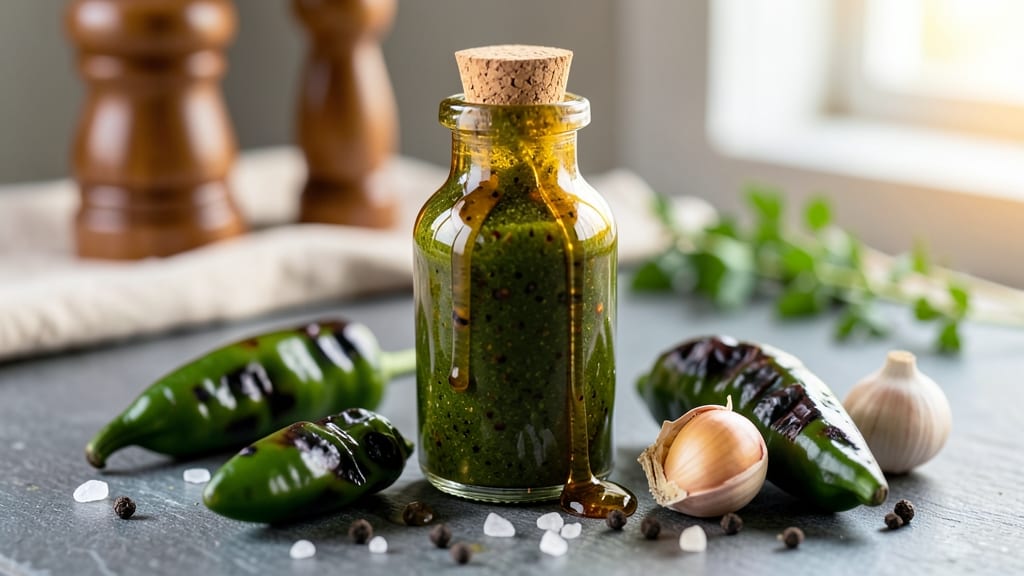
This jalapeño hot sauce recipe with apple cider vinegar delivers bold heat that lingers for months without losing its fiery kick. The acidity of the vinegar preserves the sauce while balancing the jalapeño's natural spiciness, creating a versatile condiment perfect for tacos, grilled meats, or even cocktails.
I developed this recipe after struggling to find a hot sauce that combined sharp heat with clean, tangy depth—this one does both effortlessly.
The secret lies in sterilization and flavor layering. Roasting the jalapeños enhances their smoky depth before blending them with vinegar, garlic, and a touch of sweetness (like honey or brown sugar) to round out the heat.
The sauce thickens naturally as it sits, developing complexity over time—just like commercial brands, but with none of the additives. For restaurant-quality results, let it ferment for a week before bottling.
What sets this recipe apart is its versatility. Adjust the heat by adding more or fewer jalapeños, or experiment with fruit like pineapple or mango for a sweet-spicy twist. The apple cider vinegar base ensures the sauce stays vibrant and shelf-stable for up to 6 months in the fridge.
Whether you're a home cook or a hot sauce enthusiast, this recipe delivers bold, balanced heat that elevates every dish.
Ready to make your own? The process is straightforward, and the payoff is a customizable, long-lasting hot sauce that rivals store-bought favorites. Let’s get started with a recipe that’s as rewarding to make as it is to use.
Ingredients for jalapeno hot sauce recipe apple cider vinegar
Bold heat meets tangy depth—these ten ingredients craft a hot sauce with restaurant-quality complexity.
| Ingredient | Amount | Notes |
|---|---|---|
| Fresh Jalapeño Peppers 🌶️ | 1 ½ lb | Roasted for smoky depth |
| Apple Cider Vinegar 🍏 | 2 cups | Unfiltered for tanginess |
| Garlic Cloves 🧄 | 6 cloves | Roasted with jalapeños |
| Honey 🍯 | ¼ cup | Local raw preferred |
| Kosher Salt 🧂 | 1 ½ tsp | Diamond Crystal preferred |
| Black Peppercorns 🌶️ | 1 tsp | Freshly cracked |
| Cayenne Pepper 🔥 | ½ tsp | Adjust for heat preference |
| Brown Sugar 🍚 | ¼ cup | Light or dark variety |
| Extra-Virgin Olive Oil 🫒 | ½ cup | For emulsification |
| Water 💧 | ½ cup | Sterilized for preservation |
The jalapeños are the foundation, and roasting them first unlocks their smoky potential—don’t skip this step. Local farmers markets often carry fresher peppers than grocery stores, but any firm, vibrant jalapeños will work. Pair them with unfiltered apple cider vinegar from brands like Bragg or Texas Pete, as cloudy vinegars retain more flavor. Garlic should be peeled and roasted alongside the jalapeños for cohesive flavor development. For honey, local raw varieties add subtle floral notes, but any quality honey will suffice.
No roasting pan? Broil the jalapeños and garlic for 5-7 minutes until charred. Substituting vinegar? White vinegar works but lacks depth, while rice vinegar adds a subtle sweetness. Short on honey? Maple syrup or agave nectar at the same amount balances heat. Want extra heat? Add red pepper flakes or more cayenne, but taste as you go—this sauce intensifies as it sits. The brown sugar isn’t just for sweetness; it caramelizes slightly during sterilization, adding complexity.
Sterilize jars and lids in boiling water for 10 minutes to prevent mold. The sauce thickens naturally over 1-2 weeks in the fridge, developing deeper flavor. For long-term storage, process in a water bath for 10 minutes—this extends shelf life to 6-12 months. I always make a double batch; the extra goes in small jars for gifting. Shake before each use, as settling is normal. If the sauce separates, stir in a splash of vinegar to re-emulsify.
Why You'll Love This Recipe
- No-Cook Magic: I swear by this recipe because it’s all about minimal effort—just chop those jalapeños (leave the seeds in for heat, out for mild), toss them in vinegar, and let time do the work. No stove, no fuss, just pure convenience.
- Sweet Heat Balance: That honey? It’s the secret weapon—cuts through the vinegar’s tang while the garlic adds depth. The result? A sauce that’s bold but smooth, with just enough kick to wake up every bite.
- Pantry Staple Power: Honestly, if you’ve got vinegar, jalapeños, and garlic, you’re golden. No specialty ingredients, no last-minute grocery runs—this is the kind of recipe that turns pantry basics into something ridiculously good.
- Lasts for Weeks: I make a big batch and keep it in the fridge for months. Drizzle it on eggs, toss it in tacos, or even mix it into dressings—it’s my go-to for adding flavor without breaking the bank. (Yes, even on a Tuesday night.)
Step-by-step instructions for jalapeño hot sauce
Here's the precise method for crafting a balanced, long-lasting hot sauce with depth and complexity.
Roast Jalapeños and Garlic for Smoky Foundation
Preheat your oven to 400°F. Place the 1.5 lb fresh jalapeño peppers and 6 cloves garlic on a parchment-lined baking sheet. Roast for 25-30 minutes until the peppers develop charred black spots and the garlic softens. This roasting creates the smoky depth that distinguishes this sauce from raw pepper versions.
Watch for deep golden brown patches on the peppers—these indicate caramelization of natural sugars. The garlic should be pliable when pressed. Remove from oven and let cool completely before peeling. This cooling step prevents steam burns when handling the hot peppers later.
Blend Roasted Ingredients with Vinegar Base
Transfer the cooled roasted jalapeños and garlic to a blender. Add the 2 cups apple cider vinegar, 0.5 cup water, 0.25 cup brown sugar, 1.5 tsp kosher salt, 1 tsp black peppercorns, and 0.5 tsp cayenne pepper. Blend until completely smooth, scraping down the sides as needed. The mixture should be homogeneous with no visible texture.
This blending step creates the sauce's foundational tanginess while distributing the heat evenly. The vinegar's acidity helps preserve the sauce while the sugar balances the heat. Pulse the peppercorns briefly to release their oils without over-blending into a paste.
Emulsify with Honey and Olive Oil
With the blender running on low speed, slowly drizzle in the 0.5 cup extra-virgin olive oil to create an emulsion. This gradual addition prevents the oil from separating. After emulsifying, add the 0.25 cup honey and blend for an additional 30 seconds until fully incorporated. The sauce should have a glossy, slightly thickened consistency.
The honey adds natural sweetness that rounds out the heat while the olive oil provides a silky texture. This emulsification step is critical—if the oil separates, the sauce will have an unappetizing appearance and uneven mouthfeel. Taste at this stage to assess heat balance before proceeding.
Simmer for Sterilization and Flavor Development
Transfer the blended sauce to a clean saucepan and bring to a gentle simmer over medium heat. Maintain a gentle boil for 15-20 minutes to sterilize the sauce and develop flavors. The sauce should reduce slightly but remain pourable. Stir occasionally to prevent scorching at the bottom of the pan.
This simmering process eliminates any bacteria while concentrating flavors. The reduction also helps preserve the sauce longer by removing excess moisture. You'll notice the aroma become more complex as the ingredients meld together. Remove from heat once the sauce reaches your preferred consistency.
Bottle and Rest for Maximum Flavor
Ladle the hot sauce into sterilized glass bottles or jars, leaving about ½ inch headspace at the top. Seal tightly and let cool completely before refrigerating. Allow the sauce to rest for at least 24 hours before using—this resting period lets the flavors fully meld and the heat balance properly.
The resting time is crucial for developing the sauce's complexity. After 24 hours, the flavors will be more harmonious and the heat more evenly distributed. Store in the refrigerator for up to 3 months or process in a water bath for shelf-stable preservation. The sauce will continue to improve in flavor for up to 1 week after bottling.
Pro Tips For Making Jalapeno Hot Sauce Recipe Apple Cider Vinegar
- Char the Peppers: I learned this the hard way—roasting jalapeños over a gas flame (or under a broiler) for 30 seconds per side until blackened in spots makes the sauce taste deeper and smokier. No roasting? At least blister them in a dry skillet for 2 minutes—skip this, and your sauce will taste flat.
- Seed and Mucilage: Cut open those jalapeños, scrape out all the seeds and white pith (the mucilage), and give them a quick rinse under cold water. That bitter, slimy stuff ruins balance—trust me, you’ll taste the difference when it’s gone.
- Simmer Low and Slow: After combining everything, bring it to a boil once just to sterilize, then drop to a bare simmer and let it cook uncovered for 20-25 minutes. Walking away? Good—this isn’t the time to babysit. Skim off any foam that rises, or it’ll make your sauce look murky.
- Salt in Stages: Taste your vinegar first—add a pinch of salt before blending, then adjust again after simmering. Apple cider vinegar varies wildly in saltiness, and honey can mask it. Test as you go, or you’ll end up with something either bland or shockingly salty.
Wine and beer pairings for this dish
Spicy Cocktail Pairings
This hot sauce shines in margaritas and whiskey sours—just add 1-2 teaspoons to your favorite recipe for a fiery kick. I love drizzling it over mezcal margaritas with a lime wedge for a smoky-spicy contrast.
For cocktails, balance the heat with sweet ingredients like pineapple juice or simple syrup. A spicy old-fashioned using bourbon and a dash of this sauce becomes an instant crowd-pleaser. 🍹
Beer Pairings
Pair this sauce with crisp, citrusy IPAs or wheat beers to cut through the heat. A hazy IPA from New Belgium or Allagash works beautifully, as the beer's hop bitterness balances the sauce's sweetness and spice.
For a lighter option, try it with a Mexican lager like Modelo Especial—the clean, refreshing profile makes each bite of tacos or wings even more satisfying. 🍺
Wine Pairings
For a sophisticated pairing, serve this hot sauce with dry rosé or off-dry Riesling—both wines have enough acidity to stand up to the spice while complementing the apple cider vinegar's tang.
A Spanish Garnacha or Italian Primitivo also works well, as their bold fruit flavors match the sauce's sweet-spicy profile. Avoid heavy reds like Cabernet Sauvignon, as they can overpower the delicate balance. 🍷
Cheese and Charcuterie
This sauce elevates sharp cheddar, aged gouda, or smoked gouda on a charcuterie board. Drizzle it over provolone or manchego for a sweet-spicy contrast. Pair with salami or chorizo to amplify their smoky flavors.
I often serve it with crackers or baguette slices for a simple but impressive appetizer. The heat and tang make every bite more dynamic. 🧀
Grilled and Smoked Meats
Use this sauce as a finishing glaze for grilled ribs, chicken, or steak. Brush it on during the last 5 minutes of cooking for a caramelized crust. It also works as a marinade for smoked brisket—add 1-2 tablespoons to your rub for extra depth.
The apple cider vinegar tenderizes while the jalapeños add a smoky kick. 🔥
Sweet and Savory Balance
Balance the heat with sweet ingredients like mango salsa, pineapple chunks, or caramelized onions. The sauce's natural sweetness from honey and brown sugar makes it versatile for dessert applications too—try it with spicy chocolate truffles or cheesecake bites.
For a unique twist, drizzle it over vanilla ice cream with a sprinkle of sea salt. 🍯
Nutrition facts
Frequently asked questions
Can I adjust the heat level in this hot sauce?
For milder heat, reduce the jalapeños to 1 lb or remove seeds/membranes before roasting. For extra spice, add 1-2 extra jalapeños or increase cayenne to 1 tsp. Always taste after blending—heat intensifies during fermentation.
How long should I ferment this hot sauce?
Ferment for 3-7 days at room temperature for deeper flavor. The longer it ferments, the more complex the taste becomes. After 3 days, check daily—when the aroma is rich and slightly tangy, refrigerate to stop fermentation. For quick use, skip fermentation and refrigerate immediately.
What can I substitute if I don't have apple cider vinegar?
Use white vinegar (less flavor) or rice vinegar (sweeter) at the same amount. For depth, add 1 tsp apple cider powder or a splash of lemon juice. Avoid balsamic—it adds sweetness that unbalances the heat. The vinegar's acidity is crucial for preservation.
Why did my hot sauce separate after bottling?
This happens when oil and vinegar aren't properly emulsified. Fix it by whisking in 1 tsp mustard or a splash of vinegar to re-bind ingredients. For prevention, blend the oil in very slowly while blending on low speed. Shake well before each use.
Can I make this hot sauce without honey?
Yes! Replace honey with maple syrup or agave nectar (same amount) for vegan versions. For a savory twist, omit it entirely and add 1 extra tsp brown sugar** to balance acidity. The honey primarily rounds out heat—just adjust other sweet components if removing it.