
Sauces & Condiments
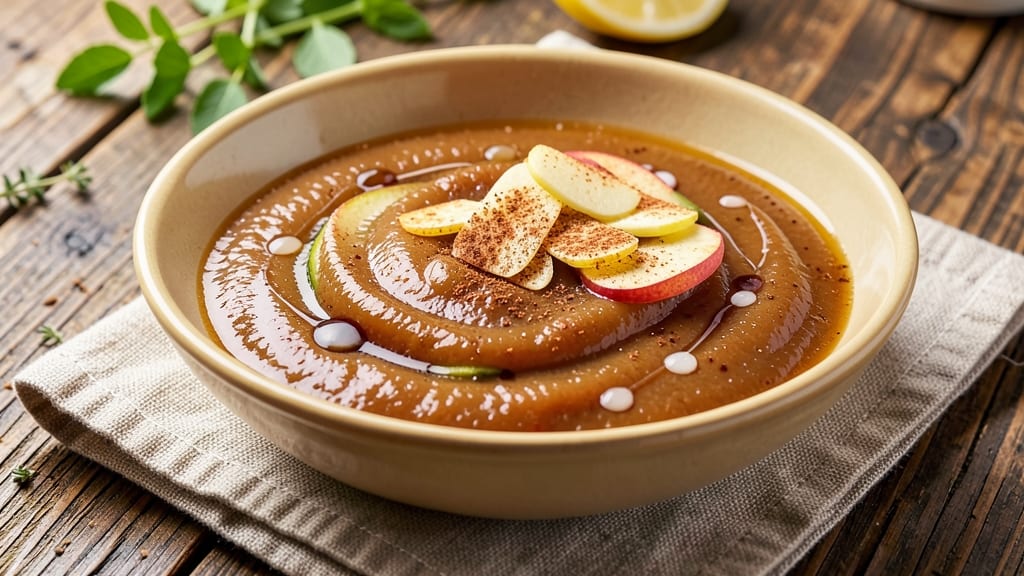
Jeff Mauro's slow-cooked applesauce delivers restaurant-quality depth with just apples, cinnamon, and a touch of vanilla—no added sugar needed. This method transforms ordinary apples into a velvety sauce with natural sweetness and warm spice notes that elevate everything from pork chops to spiced oatmeal. The secret lies in slow cooking, which intensifies flavor without overcooking the fruit.
Perfect for canning or small batches, this recipe scales effortlessly while maintaining its rich, aromatic profile. The process is straightforward: peel, core, and simmer apples with spices until tender, then blend or mash to your preferred texture.
No artificial ingredients or excessive sweetness—just pure, comforting apple flavor that tastes like fall in every spoonful.
Use it as a standalone snack with a sprinkle of cinnamon, drizzle over roasted meats, or fold into baked goods for natural moisture. The slow cooking process develops complex caramelized notes that store-bought versions can't match, making this applesauce a versatile pantry staple.
Whether you're prepping for the holidays or simply craving a healthier alternative, this recipe delivers professional-quality results at home. The cinnamon-vanilla combination adds warmth without overpowering the apples' natural sweetness, creating a sauce that's both comforting and sophisticated.
Ingredients for jeff mauro apple sauce
Four pounds of apples, two spices, and zero added sugar create restaurant-quality depth.
| Ingredient | Amount | Notes |
|---|---|---|
| Apples (Mixed Varieties) 🍎 | 4 lb | Peeled, cored, quartered (use tart/sweet mix) |
| Ground Cinnamon 🌿 | 2 tbsp | High-quality, freshly ground preferred |
| Pure Vanilla Extract 🍯 | 1 tsp | Alcohol-based for authentic flavor |
| Lemon Juice 🍋 | 2 tbsp | Freshly squeezed, for brightness |
| Apple Cider Vinegar 🍶 | 1 tbsp | Enhances depth and preserves color |
| Filtered Water 💧 | 1 cup | For simmering and texture adjustment |
| Unsalted Butter 🧈 | 2 tbsp | Optional, for richness (omit for vegan) |
| Sea Salt 🧂 | ¼ tsp | Diamond Crystal preferred for balance |
The apples are the foundation—mix tart varieties like Granny Smith with sweet ones like Honeycrisp for balanced natural sweetness. Local farmers markets often have perfect seasonal selections, but grocery store bins work too—just avoid bruised fruit. Organic apples reduce pesticide residue, though conventional works fine if peeled thoroughly. The cinnamon should be freshly ground (pre-ground loses potency quickly), and Penzeys or Spicewalla offer premium options if you're willing to invest. For large batches, consider a food processor to peel and core efficiently—Costco or restaurant supply stores carry commercial models that make short work of prep.
No vanilla extract? Vanilla bean paste works 1:1, or use 1 tsp vanilla sugar (though it adds minimal sweetness). Substitute 1/2 tsp almond extract for depth, though flavor differs slightly. The lemon juice can be swapped for white grape juice (reduce water by 1/4 cup) if you prefer a fruitier profile. For a tangier sauce, increase vinegar to 1.5 tbsp. The butter is truly optional—coconut oil or olive oil (1 tbsp) adds richness without dairy, while omitting it keeps it vegan. If using store-bought applesauce as a base, start with 2 cups and adjust water accordingly.
This sauce develops deeper flavor over time—reheat gently with a splash of water to restore texture. Stores 5 days refrigerated or 6 months frozen in airtight containers. For canning, process pint jars 15 minutes in a boiling water bath (adjust for altitude). Portion into ice cube trays before freezing for perfect single-serving additions to oatmeal or yogurt. The slow-cooked method actually improves with reheating—second-day flavor is superior as spices meld further.
Why You'll Love This Recipe
- No Peel Required: I swear by this trick—just toss whole apples (peels and all) into the pot with a splash of vinegar. The skins soften right in, and honestly? That earthy depth from the peels makes the sauce richer than store-bought. No knife skills, no mess.
- Vanilla-Cinnamon Magic: That vanilla extract isn’t just an afterthought—it’s the secret weapon. A single teaspoon rounds out the tartness of the apples while the cinnamon warms it up like a hug. The lemon juice keeps it bright, but the vanilla? It’s what makes it dangerously good with toast or yogurt.
- Pantry Staple Power: Between us, this recipe uses things you already own. Mixed apples? Any kind—Granny Smith, Honeycrisp, even bruised ones from the back of your fridge. The vinegar and spices? Probably sitting in your cabinet. No last-minute grocery runs, just pure convenience.
- Lasts All Week: This sauce thickens beautifully and stays fresh for days. I make a big batch on Sundays, stash it in the fridge, and use it for oatmeal, pancakes, or even as a glaze for roasted pork. No sad leftovers here—just versatile, reliable goodness.
Step-by-step instructions for slow-cooked apple sauce with spiced depth
Here's the method for crafting apple sauce with professional texture and balanced flavor—no refined sugar needed.
Prepare the Apples for Even Cooking
Begin by peeling, coring, and quartering the 4 lb apples using a sharp chef's knife. I recommend using a mix of tart and sweet varieties for complexity—think Granny Smith combined with Honeycrisp or Fuji. Cut each quarter into even-sized pieces, about ½-inch thick, to ensure consistent cooking throughout. This uniform size prevents some pieces from becoming mushy while others remain undercooked.
Transfer the prepared apples to a large mixing bowl. Add the 2 tbsp ground cinnamon and toss gently to distribute evenly. The cinnamon will infuse the apples as they cook, creating that warm, aromatic backbone. This is where the magic starts—properly seasoned apples make all the difference in the final product.
Simmer the Apples with Acidic Balance
In a large, heavy-bottomed pot, combine the seasoned apples with the 1 cup filtered water, 2 tbsp lemon juice, and 1 tbsp apple cider vinegar. The acidity from the lemon and vinegar serves two purposes: it brightens the apples' natural sweetness and helps preserve their color during cooking. Bring the mixture to a gentle boil over medium-high heat, then immediately reduce the heat to medium-low to maintain a steady simmer.
Let the apples cook uncovered for 20-25 minutes, stirring occasionally with a wooden spoon. You're looking for the apples to soften until they easily mash with a fork but still retain some structure. If the mixture becomes too dry, add 1-2 tablespoons of water at a time—just enough to keep it moist. This simmering process develops the apples' natural sugars and allows the spices to meld.
Finish with Richness and Vanilla Depth
Once the apples are tender, remove the pot from heat and stir in the 2 tbsp unsalted butter and 0.25 tsp sea salt. The butter adds a luxurious richness that balances the acidity, while the salt enhances all the flavors. Let the mixture sit for 2 minutes to allow the butter to melt completely and incorporate smoothly. Then, stir in the 1 tsp pure vanilla extract—this is where the sauce comes together with that professional, restaurant-quality depth.
For a silky texture, use an immersion blender to purée the mixture directly in the pot. If you prefer a slightly rustic texture with small apple chunks, simply mash with a potato masher instead. Taste and adjust the seasoning if needed—you might want to add a touch more cinnamon or salt to suit your preference. The sauce should be vibrant, aromatic, and naturally sweet without any added sugar.
Rest and Serve for Optimal Texture
Transfer the apple sauce to a clean glass jar or bowl and let it rest at room temperature for 10-15 minutes. This resting period allows the flavors to fully meld and the texture to set slightly, making it easier to serve and ensuring each spoonful is perfectly balanced. The sauce should be thick but still spreadable—if it's too thick, thin it with a splash of warm water or apple juice.
Serve the apple sauce warm with roasted meats, as a topping for pancakes, or alongside cheese boards. It keeps well in the refrigerator for up to 1 week or can be frozen for up to 3 months. The slow-cooked method preserves the apples' natural sweetness while developing a depth of flavor that's hard to achieve with quicker techniques. Enjoy the results of your careful preparation—this is apple sauce at its finest.
Pro Tips For Making Jeff Mauro Apple Sauce
- USE COLD APPLES: Peel and chop your apples right before cooking—no waiting. Cold apples release less juice and keep the sauce thicker, which is especially important when you’re blending it later. I learned this the hard way after making a watery mess from pre-cut fruit.
- SIMMER LOW AND LONG: After the initial boil, drop the heat to a gentle simmer. Too much heat turns the apples mushy and dulls the cinnamon flavor. Think "barely bubbling" for about 20 minutes—this keeps the texture smooth and the spices bright.
- STRAIN THE SKINS: After cooking, strain out any apple skins with a fine-mesh sieve. They add bitterness and make the sauce look cloudy. It’s a little extra work, but the result is silky and professional-looking—worth the 30 seconds.
- SALT THE VINEGAR: Mix a pinch of salt into the apple cider vinegar before adding it to the sauce. It balances the sharpness and rounds out the flavors, especially when paired with the vanilla. I was skeptical until I tried it—now I never skip it.
Perfect pairings for this jeff mauro apple sauce
Meat Pairings
This warm, spiced applesauce complements roasted pork perfectly—try it with herb-crusted pork tenderloin or slow-cooked pork shoulder. The natural sweetness and cinnamon depth cut through the richness of pork, creating a balanced flavor profile.
I often serve it alongside apple-glazed pork chops for a cohesive meal that feels both comforting and elegant. 🍖
For poultry lovers, serve it with roasted chicken thighs or turkey breast. The applesauce's acidity helps tenderize the meat while adding a refreshing contrast. A drizzle of the sauce over herb-roasted turkey during the holidays transforms a simple dish into something special.
The vanilla and cinnamon notes also pair beautifully with smoked sausage or bratwurst, especially when grilled outdoors.
Breakfast Pairings
Elevate your morning routine by serving this applesauce with fluffy pancakes or buttermilk biscuits. The warm spices complement the buttery richness of breakfast staples, making every bite feel indulgent. I love spooning it over homemade oatmeal with a sprinkle of toasted pecans for added crunch and texture. 🥞
For a savory twist, pair it with scrambled eggs or French toast. The applesauce's natural sweetness balances the eggs' richness, while the cinnamon adds warmth. Try it as a topping for baked French toast casserole—the sauce soaks into the bread, creating a delightful contrast of textures and flavors.
A drizzle of maple syrup adds another layer of depth to this breakfast masterpiece.
Dessert & Snack Pairings
Use this applesauce as a natural sweetener substitute in baked goods like apple crisp or sticky toffee pudding. Replace sugar with a ½ cup reduction of this sauce for moist, flavorful results without added refined sugar.
I often fold it into cheesecake batter for a subtle apple flavor that pairs beautifully with the creaminess. 🍰
Serve it as a dipping sauce for apple slices, cheese cubes, or pretzels. The warm spices and natural sweetness make it a versatile snack option.
For a festive touch, layer it with Greek yogurt and a sprinkle of granola for a parfait that feels both healthy and indulgent. The vanilla and cinnamon notes also make it a perfect companion to dark chocolate for a sophisticated dessert pairing.
Cheese Board Pairings
Create a fall-inspired cheese board by pairing this applesauce with sharp cheddar, brie, or aged gouda. The sauce's acidity cuts through the richness of the cheese, while the cinnamon adds a warm contrast.
I recommend serving it with crackers, nuts, and dried fruit for a well-rounded spread. 🧀
For a holiday gathering, serve it alongside smoked gouda or blue cheese to highlight its versatility. The applesauce's natural sweetness balances the bold flavors of aged cheeses, making it a crowd-pleasing addition.
Add a few prosciutto slices or fig jam to create a harmonious blend of sweet, salty, and savory notes that will impress your guests.
Nutrition facts
Frequently asked questions
Can I use this applesauce recipe for canning?
Yes! This recipe works perfectly for canning. After cooking, transfer the hot applesauce to sterilized pint jars, leaving ½-inch headspace. Process in a boiling water bath for 15 minutes (adjust for altitude). The slow-cooked method actually enhances shelf stability. Store sealed jars in a cool, dark place for up to 1 year.
What if I don't have vanilla extract?
No problem! Substitute with ½ tsp vanilla sugar (though it adds minimal sweetness) or ½ tsp almond extract for depth. For a different flavor profile, try 1 tsp orange zest instead. The cinnamon will still shine through—it's the star of this recipe.
How do I adjust the recipe for fewer apples?
For a smaller batch, use 2 lb apples and halve all other ingredients except cinnamon (use 1 tbsp). The cooking time remains 20-25 minutes—just monitor texture closely. This works perfectly for single servings or small households.
Why does my applesauce turn out watery?
Watery applesauce usually means too much liquid was added or the apples weren't cooked long enough. Simmer uncovered for 5-10 extra minutes to evaporate excess moisture. For thicker consistency, reduce the water by ¼ cup next time or simmer longer. The slow-cooked method should yield a thick, spreadable texture.
Can I make this vegan?
Simply omit the butter and use 2 tbsp coconut oil or olive oil instead. The sauce will still be rich and flavorful. For extra depth, add ½ tsp ground cardamom alongside the cinnamon. The vegan version works beautifully with plant-based milks or as a topping for vegan baked goods.