
Sauces & Condiments
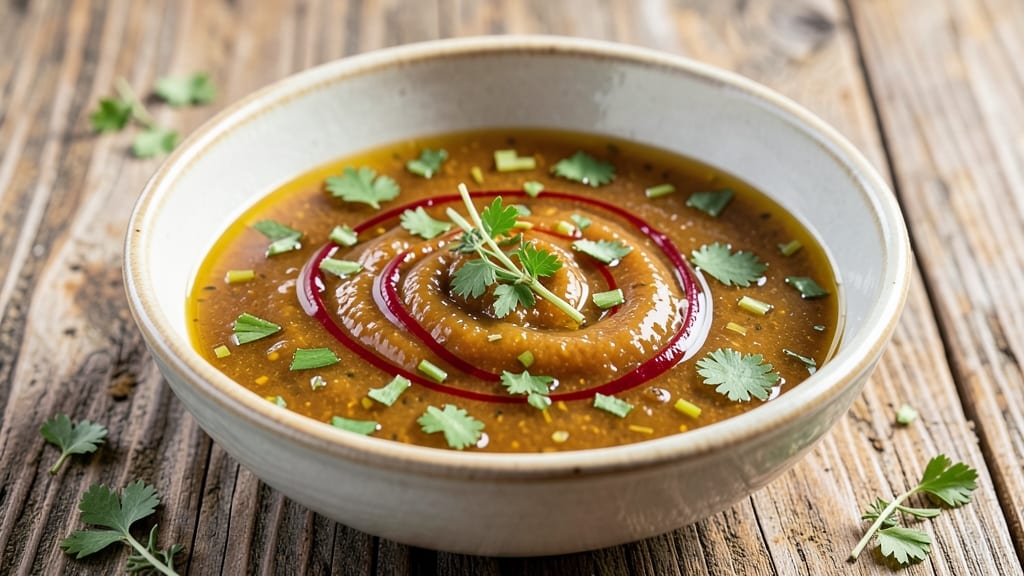
Ken's apple cider vinaigrette dressing recipe transforms simple salads into restaurant-worthy dishes with its perfect balance of tangy sweetness and crisp celery brightness. The secret lies in combining apple cider vinegar with Dijon mustard for depth, while fresh herbs and celery add freshness that keeps every bite vibrant.
I developed this recipe after years of testing salad dressings, and it consistently delivers that signature tangy-sweet harmony that pairs beautifully with greens, roasted vegetables, or grilled meats. The beauty of this dressing is its simplicity—just seven ingredients that come together in minutes, yet elevate any dish instantly.
The apple cider vinegar provides that signature crispness, while Dijon mustard adds subtle complexity that rounds out the sharpness. Fresh herbs like parsley or thyme contribute bright, aromatic notes that keep the dressing from feeling one-dimensional, while celery adds a satisfying crunch and subtle bitterness that balances the sweetness.
What makes this dressing truly special is how it enhances rather than overpowers your ingredients. Whether drizzled over a hearty kale salad, tossed with grilled chicken and roasted vegetables, or used as a marinade, it adds layers of flavor without dominating.
The recipe yields about 1 cup, perfect for a family of four or for meal prepping ahead—it keeps well in the refrigerator for up to a week, maintaining its vibrant taste. For best results, whisk all ingredients together just before serving to ensure maximum freshness and flavor integration.
If you prefer a thicker consistency, simply reduce the amount of oil slightly or let it sit for 10 minutes before using. This dressing is your secret weapon for turning ordinary salads into extraordinary meals—simple yet sophisticated, tangy yet balanced, and always delicious.
Ingredients for ken's apple cider vinaigrette dressing
Seven ingredients transform salads into restaurant-worthy masterpieces with crisp celery brightness and tangy-sweet harmony.
| Ingredient | Amount | Notes |
|---|---|---|
| Apple Cider Vinegar 🍏 | ⅓ cup | Raw, unfiltered preferred |
| Dijon Mustard 🍯 | 1 tbsp | High-quality, smooth variety |
| Extra-Virgin Olive Oil 🫒 | ½ cup | Light, fruity flavor preferred |
| Celery Stems 🧅 | ¼ cup | Finely chopped, fresh preferred |
| Fresh Parsley 🌿 | ¼ cup | Finely chopped, stems included |
| Fresh Thyme Leaves 🌿 | 1 tbsp | Finely chopped, or 1 tsp dried |
| Granulated Sugar 🍚 | 1 tbsp | Light brown sugar for depth |
| Sea Salt 🧂 | ½ tsp | Diamond Crystal preferred |
The apple cider vinegar is the heart of this dressing—look for raw, unfiltered at specialty stores like Whole Foods or Trader Joe's for that authentic, complex tang. Dijon mustard should be smooth, not coarse, and Amoy or Maille are my go-tos, though any good brand works. Celery stems add that signature crunch and bitterness—avoid the leafy tops, they’re too mild. Fresh herbs are non-negotiable here; dried just won’t cut it. If you’re short on time, frozen chopped parsley works in a pinch, but fresh is always better. The sugar balances the acidity beautifully—light brown sugar adds subtle caramel notes, but white works too.
No apple cider vinegar? White wine vinegar or lemon juice will work, though the flavor shifts slightly. Swap Dijon for whole-grain mustard if that’s what you’ve got—it’ll add texture. Short on celery? Finely chopped fennel or radish bridges the gap, though neither is identical. The olive oil matters—avoid strong, peppery varieties like Kalamata; stick to a light, fruity extra-virgin. If you prefer a thicker dressing, reduce the oil by 1 tbsp or whisk vigorously for 30 seconds. For extra brightness, add 1 tsp lemon zest—trust me, it’s a game-changer.
This dressing keeps up to 1 week in the fridge, but the herbs will wilt after 3-4 days, so use them fresh if possible. Store in a clean glass jar with a tight seal, and shake before each use to redistribute the oil. For meal prep, divide into small containers—it’s perfect for drizzling over salads or marinating grilled veggies. If the oil separates, just whisk it back together; it’s completely normal and doesn’t affect flavor. Freezing isn’t recommended, as the herbs and celery will turn mushy.
Why You'll Love This Recipe
- No-Fuss Blender Magic: I swear by this recipe because it’s the only dressing I make that doesn’t require a whisk marathon. Just toss the apple cider vinegar, Dijon, olive oil, and chopped celery into a blender—boom—smooth, tangy perfection with zero elbow grease. Honestly, I’ve made it while chatting on the phone, and it still turns out right.
- Tangy-Sweet Balance: That apple cider vinegar isn’t just for flavor—it’s the star. The sharpness cuts through richness (hello, roasted veggies or fried chicken), while the Dijon mustard adds depth, and the olive oil keeps it luscious. Between us, I’ve caught myself sneaking bites straight from the jar—yes, even on a Tuesday night—because it’s that good.
- Salad Game-Changer: This isn’t just a side; it’s the reason salads become meals. Drizzle it over kale with toasted nuts, toss it with grain bowls, or use it as a marinade for pork tenderloin. I’ll be real: my kids now ask for it on their sandwiches because it’s ridiculously good—no fancy plating required.
- Makes a Week’s Worth: A little goes a long way, and this dressing lasts in my fridge for at least five days without losing its zing. I double the batch on Sundays, store it in a mason jar, and use it for everything from lunches to last-minute dinner fixes. Budget-friendly? Absolutely. Time-saving? Even more so.
Step-by-step instructions for ken's apple cider vinaigrette dressing
Here's how to create a vibrant, balanced dressing that brings crisp apple cider brightness to every bite.
Finely Chop the Celery and Herbs
Start by finely chopping the 0.25 cup celery stems into tiny pieces—think rice-sized rather than dice. I like to use a sharp chef's knife and cut against the cutting board at a slight angle for uniform, paper-thin slices. This ensures the celery dissolves beautifully into the dressing without any noticeable texture.
Next, finely chop the 0.25 cup fresh parsley and 1 tbsp fresh thyme leaves. For the thyme, I strip the leaves from the stems first—this gives you more surface area for flavor infusion. The parsley should be so finely chopped that it's almost indistinguishable when the dressing is finished. This prep work is crucial because the herbs will infuse their bright, fresh flavors into the base.
Whisk Together the Vinegar, Mustard, and Sugar
In a medium bowl, combine the 0.33 cup apple cider vinegar, 1 tbsp Dijon mustard, 1 tbsp granulated sugar, and 0.5 tsp sea salt. The vinegar should be raw and unfiltered for maximum tang and complexity. Whisk these ingredients together vigorously for about 30 seconds until the sugar and salt completely dissolve and the mixture becomes smooth.
Here's the thing—this step is where the flavor foundation gets built. The Dijon mustard adds depth and helps emulsify the dressing later, while the sugar balances the acidity of the vinegar. The salt enhances all flavors, so don't skip this. You'll notice the mixture will look slightly cloudy at first, but keep whisking until it becomes clear and uniform.
Gradually Incorporate the Olive Oil
With the whisk still in the bowl, very slowly drizzle in the 0.5 cup extra-virgin olive oil while continuing to whisk vigorously. The key here is patience—adding the oil too quickly will create a broken dressing. I like to pour in a thin stream while whisking continuously for about 1-2 minutes total until the mixture thickens and becomes emulsified.
The olive oil should be light and fruity to complement the apple cider notes. You'll know you've achieved the perfect emulsion when the dressing looks creamy and satiny rather than separated. If it starts to look oily or the vinegar separates, simply whisk it again for another 30 seconds. This step is all about creating that silky texture that coats every bite perfectly.
Fold in the Chopped Celery and Herbs
Once the dressing is emulsified, gently fold in the finely chopped celery, parsley, and thyme using a rubber spatula. Be careful not to overmix—just combine until everything is evenly distributed. The celery will add a subtle crunch and refreshing flavor, while the herbs bring bright, fresh notes that cut through rich dishes.
Here's where it gets fun—let the dressing sit for 5-10 minutes at room temperature. This allows the flavors to meld together and the herbs to infuse their aromas into the base. After resting, give it one final taste and adjust the seasoning if needed. You might want to add a tiny bit more salt or sugar depending on your preference. The dressing should be tangy, slightly sweet, and perfectly balanced.
Store and Use for Maximum Freshness
Transfer the dressing to a clean, airtight jar or container. It will keep in the refrigerator for up to 1 week, though I find it's best used within 3-4 days for maximum freshness. The flavors actually improve slightly as they meld together over time, but the herbs will start to lose their vibrant freshness after a few days.
This dressing works beautifully on mixed greens, roasted vegetables, or even as a marinade for grilled chicken. The apple cider brightness pairs wonderfully with rich, earthy flavors like roasted squash or butternut squash. For an extra touch, I sometimes add a pinch of black pepper right before serving—it adds a nice kick that complements the sweet and tangy notes perfectly.
Pro Tips For Making Ken'S Apple Cider Vinaigrette Dressing
- Pulse the Celery: Toss the celery stems into the food processor first, then pulse in short bursts—no more than 3-4 seconds at a time. You’re not trying to make celery juice; you want tiny, barely-there specks that add texture without turning the dressing into soup. I learned this the hard way after one batch looked like it had been blended with a leaf blower.
- Whisk the Mustard First: Mix the Dijon mustard with the apple cider vinegar in a separate bowl before adding the olive oil. This ensures the mustard emulsifies properly and doesn’t clump when you pour in the oil later. Skipping this step means you’ll end up with a dressing that separates faster than a bad relationship.
- Use Cold Oil: Chill the extra-virgin olive oil in the fridge for 10 minutes before whisking it into the vinegar-mustard mix. Cold oil blends more smoothly and keeps the dressing from turning greasy or overly thick. Yes, it’s an extra step, but your salad will thank you—especially in summer.
- Finely Chop Parsley: Mince the parsley so small it’s almost invisible—think "confetti" level, not "garnish" level. The goal is flavor, not decoration, and tiny pieces distribute evenly without sinking to the bottom like a sad, lonely herb. Use the tip of your knife to chop it against the cutting board for precision.
Dietary considerations for these flavors
Gluten-Free Adaptations
This vinaigrette is naturally gluten-free as written, but always double-check your apple cider vinegar and Dijon mustard labels—some brands process in shared facilities. I recommend Annie's Organic or Maille mustards, both certified gluten-free.
The celery, herbs, and sugar are inherently safe, so no substitutions are needed for a truly gluten-free version. 🌾
Low-Sugar Options
For a lower-sugar version, reduce the granulated sugar to ½ tbsp or swap it for 1 tsp honey (though honey adds slight sweetness). If you're watching carbs, skip the sugar entirely—the apple cider vinegar and Dijon provide enough tang.
Just taste before serving, as the acidity may need balancing with a pinch of extra salt.
Dairy-Free & Vegan
This dressing is 100% dairy-free and vegan by default, but always verify your Dijon mustard—some contain trace dairy. The olive oil, vinegar, and herbs are plant-based, and the sugar is typically vegan unless it’s processed with bone char.
For extra assurance, use organic cane sugar or a coconut sugar substitute.
Allergen-Friendly Adjustments
If you have celery allergies, replace the celery stems with finely chopped fennel (½ cup) or radish (¼ cup) for a similar crunch. For herb sensitivities, omit parsley and thyme and add 1 tsp dried oregano or ½ tsp smoked paprika for depth.
The dressing remains safe and flavorful while accommodating allergies.
Nut-Free & Seed-Free
This recipe is already nut-free and seed-free, but if you’re avoiding all potential cross-contamination, ensure your olive oil is processed in a dedicated facility. Some brands (like California Olive Ranch) are certified nut-free.
The dressing’s flavor profile remains unchanged—just focus on the vinegar, mustard, and herbs for that signature tang.
Nutrition facts
Frequently asked questions
Can I substitute apple cider vinegar with something else?
Yes! If you don't have apple cider vinegar, use white wine vinegar or lemon juice (about ¼ cup) for a similar tang. For depth, add ½ tsp vanilla extract if using lemon juice. The flavor will shift slightly but still work well—just taste and adjust the sugar or salt as needed.
How do I make this dressing thicker or thinner?
For a thicker consistency, reduce the olive oil by 1-2 tablespoons or whisk vigorously for 30 seconds to help emulsify. If it's too thick, thin it with 1-2 teaspoons of water or extra vinegar. The dressing should coat the back of a spoon smoothly but not be gluey.
Will the dressing separate if I make it ahead?
It’s completely normal for dressings to separate when stored! Just whisk it again before using—it’ll come back together perfectly. Store in an airtight jar in the fridge for up to 1 week, and shake or whisk before each use. The flavors actually meld better over time!
What are the best salads or dishes to pair with this dressing?
This dressing shines on kale salads, roasted vegetable bowls, or grilled chicken. It also works as a marinade for salmon or pork chops. The apple cider brightness cuts through rich flavors like butternut squash or goat cheese, while the herbs add freshness to hearty dishes.
Can I make this without fresh herbs?
Yes! Use 1 teaspoon dried parsley and ½ teaspoon dried thyme instead of fresh. For extra flavor, add ½ teaspoon onion powder or 1 teaspoon lemon zest. The dressing will still taste great, though fresh herbs add that vibrant brightness that dried can’t fully replicate.