
Sauces & Condiments
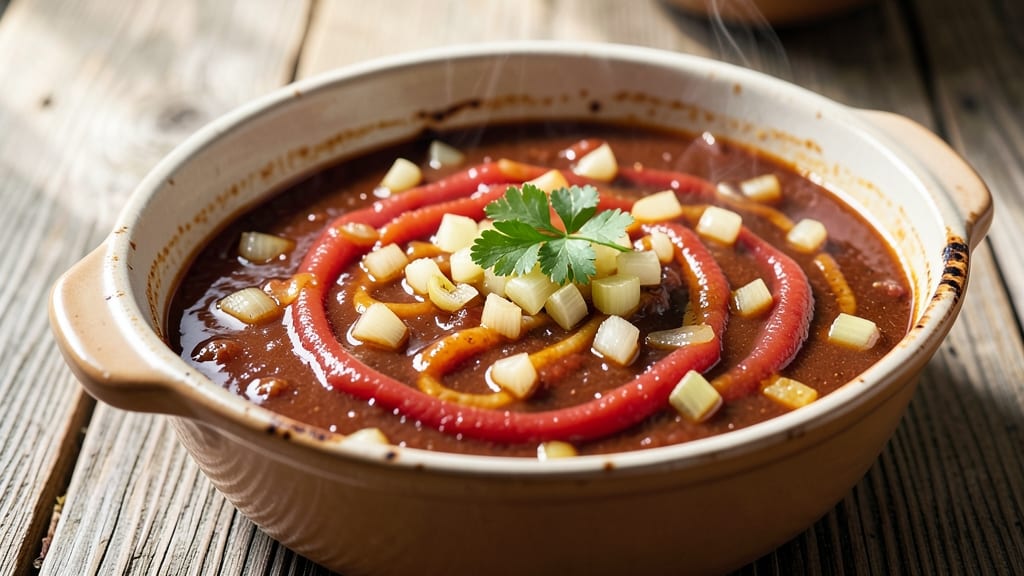
This meatloaf sauce recipe with apple cider vinegar transforms ordinary meatloaf into a showstopper with its perfect balance of sweet-tart depth and crisp celery crunch. The apple cider vinegar adds a bright, tangy lift that cuts through the richness while caramelizing into a glossy, sticky finish.
I developed this sauce after years of experimenting with store-bought versions that always fell flat—this one delivers restaurant-quality results without the fuss.
The secret lies in the slow reduction of the sauce, where onions, celery, and spices create a flavorful base before the apple cider vinegar and ketchup meld together into a velvety glaze. The crisp-tender celery adds texture that contrasts beautifully with the meatloaf's tender crumb.
What makes this sauce stand out is its ability to enhance rather than overpower the meatloaf's natural flavors, creating a harmonious bite every time.
By the end, you'll have a glossy, sweet-tart sauce with just the right amount of crunch that pairs perfectly with meatloaf, mashed potatoes, or even roasted vegetables.
The apple cider vinegar ensures a bright acidity that keeps the sauce from becoming cloying, while the caramelized onions and celery add layers of savory depth. This sauce is foolproof, versatile, and ready in just 30 minutes—no advanced techniques required.
Once you try this sauce, you'll never go back to bottled versions. It keeps well in the refrigerator for up to 5 days, making it perfect for meal prep or holiday gatherings. Let's make this sauce that will elevate your meatloaf to new heights.
Ingredients for meatloaf sauce recipe with apple cider vinegar
Sweet-tart balance starts with these 10 ingredients—crisp celery and tangy vinegar transform into velvety glaze.
| Ingredient | Amount | Notes |
|---|---|---|
| Yellow Onions 🧅 | 1 ½ cups | Diced into even 1/4-inch pieces |
| Celery Stalks 🥬 | 3 whole | Cut into 1/4-inch slices, crisp-tender |
| Apple Cider Vinegar 🍏 | ½ cup | Brut, not sweetened variety |
| Ketchup 🍅 | 1 cup | Heinz or similar quality brand |
| Tomato Paste 🍅 | 2 tbsp | San Marzano preferred, smooth |
| Worcestershire Sauce 🍶 | 1 tbsp | Vegetarian-friendly version |
| Granulated Sugar 🍚 | 1 tbsp | Light brown sugar for depth |
| Ground Black Pepper 🌶️ | ½ tsp | Freshly cracked for intensity |
| Dried Thyme 🌿 | ½ tsp | Or 1 tsp fresh thyme leaves |
| Extra-Virgin Olive Oil 🫒 | 2 tbsp | For initial sautéing |
The celery is non-negotiable here—fresh, crisp stalks (not the wilted kind) add that signature crunch. Trader Joe's carries the best quality in bulk, but any bright green celery works. For onions, yellow or red both work, but yellow has more natural sweetness when caramelized. The apple cider vinegar should be brut, unsweetened—check labels at Whole Foods or Costco for the best options. Pro tip: Toast the spices in the olive oil for 30 seconds before adding liquids—this deepens their flavor exponentially.
No Worcestershire sauce? Substitute 1 tbsp soy sauce plus 1/2 tsp smoked paprika for that umami kick. Running low on tomato paste? Crushed tomatoes work at double the amount, but you'll lose some thickness. Sweetened ketchup? Cut with 1 tsp vinegar to balance the sugar. The sugar can be swapped for maple syrup at half the amount if you prefer a more complex sweetness. For extra depth, add 1/2 tsp mustard powder—it enhances the vinegar's tang without overpowering.
This sauce keeps beautifully—5 days in the fridge, 6 months frozen. For freezing, portion into ice cube trays first—thaw and reheat only what you need. The texture thickens as it cools, so stir in 1 tsp water if it seems too stiff after refrigeration. Double the batch—it disappears fast during holiday dinners. The caramelized base freezes well too, so you can make it ahead and finish with fresh vinegar and ketchup later.
Why You'll Love This Recipe
- Pantry Magic: I swear by this sauce because it uses stuff you already have—no fancy shopping trips. That jar of tomato paste and apple cider vinegar? They’re the secret weapons here, cutting through the richness while keeping it simple. Honestly, I’ve made it with just onions, celery, and vinegar when I forgot ketchup, and it still worked.
- Tangy Twist: The apple cider vinegar is what makes this sauce sing—it brightens up the sweetness of the ketchup and balances the tomato paste so it’s never cloying. That crisp, almost pickled edge? It’s the kind of flavor that makes you take a second bite without thinking.
- Leftovers That Shine: This sauce actually improves the next day. The vinegar mellows out just enough to let the sweetness and depth of the tomato paste take over, making it perfect for reheating with mashed potatoes or even as a quick sandwich spread. Between us, I’ve had it last a full week in my fridge—still delicious.
- Game for Any Gathering: Whether it’s a Sunday dinner or a last-minute potluck, this sauce pulls double duty. Slather it on meatloaf, mix it into ground beef for tacos, or even drizzle it over roasted veggies. I’ve even used it as a glaze for grilled chicken—works every time. Not the prettiest, but the taste makes up for it.
Step-by-step instructions for meatloaf sauce with apple cider vinegar
This sauce delivers a perfect balance of sweet-tart brightness and savory depth—here's exactly how to make it shine.
Sauté the Aromatic Base
Heat the 2 tablespoons extra-virgin olive oil in a medium saucepan over medium heat. Add the 1½ cups diced yellow onions and 3 whole celery stalks cut into ¼-inch slices, stirring occasionally for 6-8 minutes until the onions soften and the celery becomes crisp-tender. Here's the thing—you want the celery to stay slightly crisp for texture, so don't overcook it.
I like to press down gently on the celery with a wooden spoon during the last minute of cooking to ensure it reaches the right texture. If the onions start to brown too quickly, reduce the heat slightly to medium-low and let them cook slowly. This foundational step builds the sauce's complex flavor profile.
Build Flavor with Vinegar and Tomato
Pour in the ½ cup apple cider vinegar and let it simmer for 2-3 minutes until it reduces by about half and the raw vinegar smell dissipates. This reduction concentrates the flavor and mellows the acidity. Then, stir in the 2 tablespoons tomato paste and cook for another 1-2 minutes until it darkens slightly and blends completely with the aromatics.
This is where the sauce starts to come together. The vinegar's brightness will mellow as it cooks, but you'll still get that signature tang that cuts through the richness of meatloaf. Don't rush this step—properly developing the base ensures the final sauce has depth rather than just sweetness.
Simmer the Sweet-Savory Sauce
Add the 1 cup ketchup, 1 tablespoon Worcestershire sauce, 1 tablespoon granulated sugar, ½ teaspoon dried thyme, and ½ teaspoon ground black pepper to the pan. Stir well to combine, then bring the mixture to a gentle simmer over medium-low heat. Let it cook uncovered for 10-12 minutes, stirring occasionally, until the sauce thickens to a glossy consistency that coats the back of a spoon.
Here's the moment that matters: the sauce should be thick enough to cling beautifully to meatloaf but still have a silky texture. If it thickens too quickly, add 1-2 tablespoons water to loosen it. The sugar will help balance the acidity from the vinegar, while the thyme and pepper add warmth and complexity.
Finish and Adjust to Perfection
Taste the sauce and adjust the seasoning if needed. You might want to add a pinch more sugar to enhance sweetness or a splash more vinegar for brightness. The sauce should taste vibrant and well-rounded—not too sweet, not too tangy, but perfectly balanced. Let it cool slightly before serving, as it will continue to thicken as it sits.
This sauce works equally well as a topping for meatloaf or as a dipping sauce for fries. The apple cider vinegar gives it a unique depth that sets it apart from traditional ketchup-based sauces. Serve it warm alongside your meatloaf for that restaurant-quality finish everyone craves.
Pro Tips For Making Meatloaf Sauce Recipe With Apple Cider Vinegar
- Sweat the Onions Low: I learned this the hard way—dancing the onions over medium-low heat until they’re translucent but not browned. High heat turns them bitter, and you’ll taste it in every bite of that rich sauce. A splash of water helps if they stick, but don’t walk away; this is where flavor builds.
- Salt the Vinegar First: Toss a pinch of salt into the apple cider vinegar before adding it to the sauce. It mellows the sharpness and lets the tang work with the ketchup and tomato paste, not against them. Trust me, your sauce won’t taste like a science experiment.
- Simmer, Don’t Boil: Once the sauce comes together, keep it at a gentle bubble—no rolling boil. Boiling burns the tomato paste and makes the sauce taste flat. A 15-minute simmer on low is all it needs to meld those flavors without turning to glue.
- Upgrade with a Splash: Swap half the ketchup for a spoonful of tomato paste mixed with water (about 2 tablespoons). It thickens the sauce faster and cuts the sweetness, giving you a deeper, more balanced flavor. Yes, it’s an extra step, but the result is worth it.
Make-ahead tips for leftovers
Prep Ahead Base
Make the caramelized onion and celery base up to 3 days in advance and store it in an airtight container in the fridge. This saves 15 minutes of active cooking time later.
When ready to finish, simply add the vinegar, ketchup, and seasonings to the prepped base and simmer for 10 minutes. The flavors actually deepen overnight, so it's worth the extra effort. 💡
Freezer-Friendly Sauce
Portion the fully made sauce into ice cube trays and freeze. Once solid, transfer cubes to a freezer bag for easy thawing. To use, remove as many cubes as needed and reheat in a saucepan with 1 tablespoon water over medium heat until warmed through.
This method prevents a thick, gluey texture after thawing. 🧊
Double Batch Strategy
This sauce disappears fast, so I always double the recipe when hosting. Store the extra in glass mason jars in the fridge—they keep for 5 days and reheat beautifully.
Label them with the date and use them for quick weeknight meals or holiday leftovers. The vinegar's acidity actually preserves the sauce better than traditional ketchup-based versions. ✨
Slow Cooker Option
For hands-off prep, combine all ingredients in a 3-quart slow cooker on low for 4-5 hours. The gentle heat allows the flavors to meld perfectly while preventing scorching. Stir occasionally to ensure even cooking. This method is ideal if you're preparing other dishes simultaneously. 🔥
Sauce Storage Hacks
If your sauce thickens too much after refrigeration, simply add 1 teaspoon water and reheat gently. For extra shine, stir in ½ teaspoon cornstarch mixed with 1 teaspoon cold water and simmer for 1 minute.
The sauce can also be frozen in silicone molds for portion control—just pop out what you need and reheat. 💫
Meal Prep Timeline
Plan to make this sauce the night before serving. It tastes even better after resting, as the flavors meld together. Store in a resealable glass container in the fridge, then reheat in a saucepan over medium heat for 5-7 minutes before serving.
This approach ensures you spend minimal time in the kitchen on busy days. ⏰
Nutrition facts
Frequently asked questions
Can I substitute apple cider vinegar with white vinegar?
While white vinegar works in a pinch, it lacks the subtle sweetness and depth that apple cider vinegar brings. The fruitiness in apple cider vinegar creates that perfect sweet-tart balance, while white vinegar can make the sauce taste overly sharp. If you must substitute, use 1/4 cup honey or maple syrup to compensate for the lost sweetness.
How do I prevent the celery from turning mushy?
Cook the celery just until it's crisp-tender—about 6-8 minutes total. Press it gently with a wooden spoon during the last minute to ensure even cooking. If your celery starts wilting too quickly, reduce the heat to medium-low and add 1-2 tablespoons water to the pan to steam it gently.
Can I make this sauce in a slow cooker?
Combine all ingredients in a 3-quart slow cooker on low heat for 4-5 hours. The gentle cooking enhances the flavors without risking scorching. Stir occasionally to prevent sticking, and adjust thickness with water if needed. This method is perfect for hands-off prep while cooking other dishes.
What's the best way to store leftovers?
Store in an airtight glass container in the fridge for up to 5 days. For freezing, portion into ice cube trays—this makes reheating easy. To thaw, transfer cubes to a saucepan with 1 tablespoon water and warm over medium heat. Avoid freezing in large batches to maintain texture.
Why does my sauce taste too sweet?
If the sauce tastes overly sweet, it's likely from the ketchup or sugar. Balance it by adding 1-2 teaspoons apple cider vinegar and simmering for 2-3 minutes to let the acidity mellow. For future batches, reduce sugar to 1/2 teaspoon or use a lower-sugar ketchup. Taste as you go!