
Sauces & Condiments
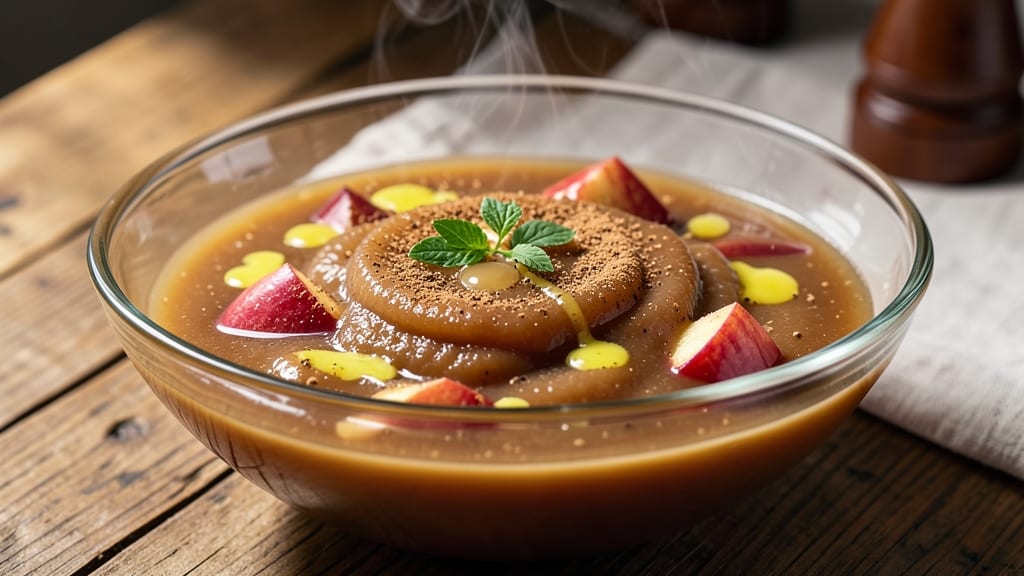
This organic applesauce recipe transforms simple apples into a velvety, naturally sweet sauce that requires no added sugar. The secret lies in selecting the right organic apples—like Honeycrisp or Fuji—and slow cooking them until they break down into a smooth, fragrant puree.
This method preserves the natural sweetness while creating a texture so silky, it rivals store-bought versions.
The process is straightforward: peel, core, and chop the apples, then simmer them with just enough water to keep them moist until they become tender. A touch of lemon juice brightens the flavor, while a pinch of cinnamon adds warmth without overpowering.
The result is a versatile sauce that works as a topping, spread, or even a pie filling alternative.
What makes this recipe stand out is its simplicity and health benefits—no refined sugar, no artificial ingredients, just pure fruit. The applesauce keeps well in the refrigerator for up to a week or can be frozen for longer storage, making it perfect for meal prep.
Whether you're looking for a natural sweetener or a comforting side, this applesauce delivers.
For added depth, try blending in a splash of vanilla or a sprinkle of nutmeg, or leave some chunks for texture. The possibilities are endless, but the foundation remains the same: wholesome, naturally sweet, and effortlessly smooth.
Ingredients for organic apple sauce
Four pounds of organic apples create this velvety sauce with no refined sugar.
| Ingredient | Amount | Notes |
|---|---|---|
| Organic Honeycrisp Apples 🍎 | 4 lb | Peeled, cored, and chopped |
| Fresh Lemon Juice 🍋 | 2 tbsp | Brightens flavor naturally |
| Ground Cinnamon 🌿 | ½ tsp | For subtle warmth |
| Water 💧 | 1 ½ cups | Just enough to moisten |
| Pure Vanilla Extract 🍯 | 1 tsp | Optional for depth |
| Ground Nutmeg 🌿 | ¼ tsp | For added complexity |
| Organic Cane Sugar 🍬 | 1 tbsp | Minimal sweetener only |
| Sea Salt 🧂 | ¼ tsp | Balances flavors |
The apples are the foundation—Honeycrisp or Fuji deliver the perfect balance of sweetness and texture. Look for organic apples at Whole Foods or your local farmers' market for the best flavor. Avoid mealy varieties like Granny Smith, as they won't break down smoothly. If you can't find organic, conventional apples work in a pinch, but wash thoroughly to remove any wax or residue. The cinnamon and nutmeg should be fresh-ground for maximum aroma, though pre-ground works fine for convenience.
No Honeycrisp? Gala or Braeburn are excellent alternatives—they're sweeter and hold up well during cooking. Short on vanilla? A splash of apple cider adds depth without altering the flavor profile. The organic cane sugar is optional but helps bring out the natural sweetness if your apples are tart. Substitute maple syrup at half the amount if you prefer, though it may slightly alter the texture. For a chunkier texture, leave some apple pieces whole during cooking and blend only half at the end.
Store the applesauce in an airtight container in the refrigerator for up to one week. For longer storage, portion into ice cube trays and freeze—perfect for smoothies or baking. The sauce thickens as it cools, so reheat gently with a splash of water if needed. Label containers with the date to track freshness. This recipe makes about 4 cups, so double it for meal prep or gifting.
Why You'll Love This Recipe
- Five-Ingredient Magic: I swear by this combo—Honeycrisp apples (naturally sweet, no sugar needed) + a splash of lemon juice to brighten things up. That’s it. No peeling, no fuss, just peel-and-slice simplicity.
- Cinnamon-Vanilla Kiss: Between us, the cinnamon and vanilla transform this from basic applesauce to something ridiculously cozy. The Honeycrisp’s natural tang pairs perfectly with the warmth—like autumn in a jar, but better because it’s your kitchen.
- Pantry-to-Party Ready: Make a big batch on Sunday, and you’ve got breakfast (oatmeal), snacks (with crackers), or even a pie filling base. The lemon juice keeps it fresh for days—no weird aftertaste, just pure, versatile goodness.
- Budget-Friendly Luxury: Organic apples cost more upfront, but this recipe stretches them far. A few apples + spices = enough for the week, and you’re using whole ingredients, not processed junk. My wallet and taste buds win.
Step-by-step instructions for organic applesauce
Here's how to transform fresh apples into velvety applesauce with natural sweetness and perfect texture.
🍳 Step 1: Cook Apples Until Tender
In a large, heavy-bottomed pot, combine the 4 lb Organic Honeycrisp Apples with the 1.5 cups Water. Bring to a boil over medium-high heat, then reduce heat to medium-low and let it simmer uncovered for 15-20 minutes, stirring occasionally.
You'll know the apples are tender when a knife slides in easily with minimal resistance. The skin should also begin to pull away from the flesh. Honeycrisp apples break down beautifully, creating that signature smooth texture. Keep an eye on the water level—it should reduce by about half during this time.
👨🍳 Step 2: Season and Simmer for Flavor Development
Once the apples are tender, stir in the 2 tbsp Fresh Lemon Juice, 0.5 tsp Ground Cinnamon, 0.25 tsp Ground Nutmeg, 1 tbsp Organic Cane Sugar, and 0.25 tsp Sea Salt. The lemon juice will brighten the natural sweetness of the apples while balancing the spices. Add the 1 tsp Pure Vanilla Extract now if using—it adds depth that complements the warm spices.
Return the mixture to a gentle simmer and cook for an additional 10-15 minutes, stirring occasionally. This step allows the flavors to meld together. You'll notice the sauce becoming thicker and the aroma more pronounced. The spices should be fragrant but not overpowering—this is where the magic happens.
🥘 Step 3: Process Until Silky Smooth
Using an immersion blender, blend the applesauce directly in the pot until completely smooth. Work in batches if needed, but avoid overfilling the blender. The result should be a velvety texture with no visible apple pieces. If you prefer some texture, use a potato masher instead for a rustic finish.
For extra-smooth applesauce, strain the mixture through a fine-mesh sieve after blending. This removes any remaining skin bits and creates that ultra-luxurious consistency. Taste and adjust seasoning if needed—you might want to add a pinch more cinnamon or a splash of lemon juice for balance.
⏰ Step 4: Cool and Store Properly
Transfer the applesauce to a clean glass jar or airtight container. Let it cool to room temperature before refrigerating. The sauce will thicken slightly as it cools, which is normal. For best results, store in the refrigerator for up to 1 week or freeze for up to 3 months.
When reheating, warm gently on the stove over low heat or in the microwave until hot throughout. The texture should remain smooth, and the flavors should be vibrant. This applesauce keeps beautifully—perfect for quick breakfasts, snacks, or as a natural sweetener in recipes.
Pro Tips For Making Organic Apple Sauce
- PEEL AND CORE FAST: Grab a sharp paring knife and slice off the stem end first—it gives you a flat surface to stand the apple on. Cut down to the core in one smooth motion, then twist the knife to pop it out. I used to waste 10 minutes chopping uneven pieces; this cuts that time in half and keeps the sauce consistent.
- SIMMER LOW AND LONG: Start with a rolling boil, but once the apples break down, drop the heat to a bare simmer. Honeycrisp apples turn to mush fast—if you let it boil hard, you’ll end up with gluey, watery sauce. I learned this the hard way after making a batch that looked like apple pudding.
- LEMON JUICE FIRST: Add the lemon juice before the cinnamon and vanilla. The acid stops the apples from browning while you cook, and it brightens the whole flavor. Skip this, and your sauce will taste flat—like you forgot the lemon entirely.
- STRAIN FOR SMOOTHNESS: If you want a silky texture, force the hot apple mixture through a fine-mesh sieve or food mill. A blender just chops up the skins and seeds, leaving grit. I was skeptical until I tried it—I now use it every time, even if it takes an extra minute.
Pro cooking tips for perfect results
Pot Selection Matters
Use a heavy-bottomed Dutch oven or stainless steel pot to prevent scorching and ensure even heat distribution. I love my All-Clad pot—it maintains consistent temperatures and prevents hot spots that can burn the apples.
Avoid thin aluminum pots, which heat unevenly and may cause some apples to stick or brown too quickly. 🔥
Peel or Leave Skin?
For the smoothest texture, peel the apples before cooking—this eliminates any fibrous bits that can make blending difficult. However, if you prefer a rustic look, leave the skin on and simply strain the sauce after blending.
I find Honeycrisp apples peel beautifully, while Gala apples sometimes hold onto their skin better if you use a vegetable peeler instead of a knife.
Control Moisture Levels
Start with 1.5 cups of water—this is just enough to keep the apples moist without making the sauce watery. If your apples are particularly tart, add 1 extra tablespoon of water during cooking to help dissolve the natural sugars.
Taste as you go: the sauce should coat the back of a spoon but still have a slight sheen, not be soupy. 💧
Spice Timing is Key
Add cinnamon and nutmeg only after the apples are tender—this prevents the spices from burning and ensures their flavors develop fully during the final 10-15 minutes of simmering. For extra depth, toast the spices in a dry pan for 30 seconds before adding them to the apples.
I also like adding a pinch of cardamom (just ¼ tsp) for a sophisticated twist.
Blending Like a Pro
An immersion blender is your best friend here—it keeps everything contained and makes cleanup effortless. If you don’t have one, transfer the apples to a food processor in batches, blending until smooth.
For ultra-silky sauce, strain through a fine-mesh sieve lined with cheesecloth. This step removes any lingering skin or fiber, giving you that restaurant-quality texture. ✨
Avoid Over-Sweetening
The 1 tbsp organic cane sugar is optional but helps balance tart apples. If your apples are naturally sweet (like Fuji), skip it entirely. For a dairy-free twist, replace the sugar with 1 tsp maple syrup—it adds a subtle caramel note.
Taste before blending: the sauce should taste like ripe apples with just a hint of spice, not like dessert. 🍯
Nutrition facts
Frequently asked questions
Can I make this applesauce without sugar?
Skip the 1 tbsp organic cane sugar entirely if your apples are naturally sweet (like Fuji or Gala). For tart apples (such as Granny Smith), add 1 tsp maple syrup or a splash of apple cider instead. The natural sweetness will develop as the apples cook. Taste before blending to adjust!
How do I fix applesauce that's too thick or too thin?
If your applesauce is too thick, stir in 1-2 tbsp water and reheat gently. For a thinner sauce, simmer uncovered for 5-10 extra minutes to reduce moisture. Pro tip: The texture thickens as it cools, so it’s better to err on the thinner side while warm.
Can I use frozen organic apples instead of fresh?
Yes! Thaw frozen apples first, then peel, core, and chop as directed. Frozen apples work well but may release more liquid during cooking, so reduce the water to 1 cup instead. The texture will be just as smooth—just monitor the simmer time closely.
What are the best apples for smooth applesauce?
Honeycrisp, Fuji, or Gala are ideal—they’re sweet, tender, and break down beautifully. Avoid Granny Smith (too tart) or Rome apples (too fibrous). For extra flavor, mix 2 varieties, like Honeycrisp + Gala. Organic apples ensure no wax or pesticides interfere with taste.
How can I make this applesauce kid-friendly?
Skip the spices and add ½ tsp vanilla extract for a mild flavor. For extra appeal, blend in 1 tbsp unsweetened applesauce (like Gerber) or a pinch of cinnamon. Serve warm with a sprinkle of granola for texture. Always taste first—kids’ palates vary!