
Main Courses
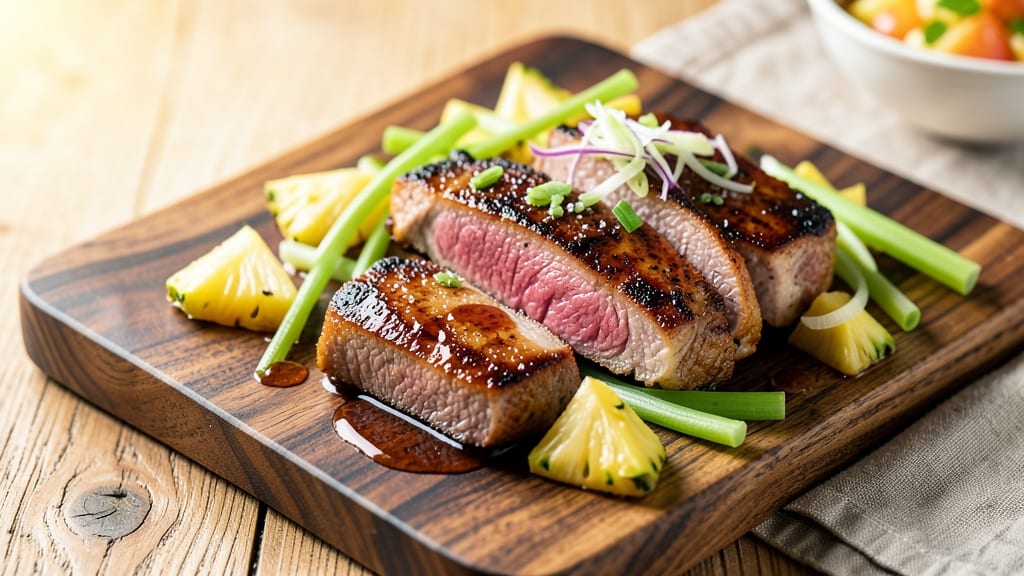
This Outback pineapple and pork medallions recipe brings restaurant-quality flavors straight to your kitchen with a caramelized glaze that's impossible to resist. 🔥 As someone who's spent years perfecting pork cuts at The Smoky Pig, I can tell you the secret lies in thin, even medallions seared to perfection and paired with sweet pineapple that balances the savory notes beautifully.
The celery pepper crunch adds that signature Outback texture without the fuss of restaurant prep.
The technique is straightforward but delivers restaurant-quality results: tender pork medallions seared in a hot pan, then finished with a homemade teriyaki glaze that caramelizes into sweet, sticky perfection. Grilled pineapple rings add natural sweetness that cuts through the richness, while the celery pepper crunch provides that satisfying bite.
What makes this recipe special is how the flavors come together—sweet, savory, and crunchy in every bite.
By the time you serve this dish, you'll have perfectly seared pork medallions with a glossy glaze, tender pineapple rings, and crisp celery pepper crunch on top. The combination of textures and flavors makes this dish feel like a special occasion, even on a weeknight.
It's the kind of meal that disappears quickly, leaving everyone asking for seconds.
Serve this dish with steamed jasmine rice or over a bed of fresh greens for a complete meal. The recipe scales beautifully, so you can easily double or triple it for gatherings. Here's how to make it happen in your own kitchen!
Ingredients for outback pineapple and pork medallions
Restaurant-quality flavors start with these 15 simple yet powerful ingredients.
| Ingredient | Amount | Notes |
|---|---|---|
| Boneless Pork Loin 🥩 | 1 ½ lb | Cut into 1/4-inch medallions |
| Fresh Pineapple 🍍 | 1 whole | Cored, cut into 1/2-inch rings |
| Celery 🧅 | 1 cup | Finely diced, fresh preferred |
| Green Bell Pepper 🌶️ | 1 cup | Finely diced, any color |
| All-Purpose Flour 🌾 | ½ cup | For coating medallions |
| Cornstarch 🌾 | 1 tbsp | For tenderizing pork |
| Olive Oil 🫒 | ½ cup | Extra-virgin, for searing |
| Teriyaki Sauce 🍶 | ½ cup | Store-bought or homemade |
| Brown Sugar 🍚 | 2 tbsp | For caramelized glaze |
| Honey 🍯 | 1 tbsp | For glaze sweetness |
| Soy Sauce 🥢 | 1 tbsp | For umami depth |
| Garlic Cloves 🧄 | 3 cloves | Minced for glaze |
| Fresh Ginger 🌿 | 1 tbsp | Grated, for glaze |
| Salt 🧂 | 1 ½ tsp | Kosher or sea salt |
| Black Pepper 🌶️ | ½ tsp | Freshly ground |
The pork loin is your star—look for cuts with good marbling at Whole Foods or your local butcher shop. Costco often has pre-cut medallions, but cutting them yourself ensures even thickness. Fresh pineapple is a must; canned won't give that tender, juicy bite. For the celery pepper crunch, Trader Joe's sells pre-diced mixes, but chopping your own gives better texture. The teriyaki sauce can be store-bought (like Kikkoman), but homemade with honey and soy sauce elevates the dish. If you're making your own glaze, toast the brown sugar in a dry pan first—it deepens the caramel flavor (trust me on this).
No teriyaki sauce? Substitute honey, soy sauce, and a splash of rice vinegar—same sweet-savory magic. Running out of pineapple? Mango works beautifully, though it's less traditional. The celery pepper crunch can be swapped for mandarin orange segments if you're feeling adventurous. For the glaze, if you forget the ginger, a pinch of cinnamon adds warmth. The cornstarch is non-negotiable for tender pork—it absorbs moisture and keeps the medallions juicy. And if you're short on olive oil, avocado oil works just as well for searing.
Pork medallions keep best in the fridge for 2 days if prepped ahead—store them in an airtight container with a paper towel to absorb moisture. The pineapple rings can be grilled up to 1 day ahead and stored in the fridge. For the celery pepper crunch, chop it last-minute to keep it crisp—it loses crunch fast. The glaze can be made 2 days ahead and reheated gently. Freeze portions of the glaze in ice cube trays for quick touch-ups later. This dish reheats beautifully—just warm the medallions and glaze together for that restaurant-style finish.
Why You'll Love This Recipe
- One-Pan Magic: I swear by this—just sear the pork, toss in the veggies, and let the pineapple caramelize. No fancy techniques, no extra pots, and honestly? The cleanup is just wiping one pan.
- Sweet-Savory Balance: That crispy flour coating on the pork? Chef’s kiss. But the real star is the pineapple—bright and tangy cutting through the richness, while the celery and bell pepper add just enough crunch to keep it interesting.
- Weeknight to Weekend: Make it for a lazy Tuesday dinner or double the batch for a potluck. The flavors hold up perfectly, and between us, it’s the kind of dish that makes you look like a hero even when you’re winging it.
- Budget-Friendly Feast: Pork loin stretches far, and pineapple in season? A steal. I’ve served this to six people for under $15, and my picky-eating teen still asks for seconds. (Yes, even on a Tuesday night.)
Step-by-step instructions for Outback-style pineapple pork medallions
Here's how to create tender pork medallions with a perfect caramelized glaze and crispy celery-pepper crunch.
👨🍳 Step 1: Prep the Pork and Create the Glaze Base
First, cut the 1.5 lb boneless pork loin into ¼-inch thick medallions - this ensures even cooking. Place them in a bowl and sprinkle with 1 tbsp cornstarch and 1.5 tsp salt, tossing gently to coat. Let them sit for 10 minutes while you prepare the glaze.
In a small saucepan, combine 0.5 cup teriyaki sauce, 2 tbsp brown sugar, 1 tbsp honey, 1 tbsp soy sauce, 3 minced garlic cloves, and 1 tbsp grated fresh ginger. Bring to a gentle simmer over medium heat for 5 minutes, stirring constantly until slightly thickened. Remove from heat and set aside - this will become your signature caramelized glaze.
🍳 Step 2: Sear the Pork Medallions to Golden Perfection
Heat 0.5 cup olive oil in a large skillet over medium-high heat until shimmering. Working in batches if needed, add the pork medallions and cook for 2-3 minutes per side until they develop a deep golden brown crust. They should be firm to the touch but not fully cooked through - this ensures they stay juicy.
Remove the pork and set aside on a plate, leaving all the rendered juices in the skillet. Here's the thing - don't clean your pan yet. Those flavorful browned bits are pure magic for creating depth in your dish.
🥘 Step 3: Build the Crunchy Celery-Pepper Mixture
In the same skillet (with the pork juices), add 1 cup finely diced celery and 1 cup finely diced green bell pepper. Cook over medium heat for 5-6 minutes, stirring occasionally, until the vegetables soften but still maintain their crunchy texture. You want them to stay vibrant and slightly al dente.
Push the vegetables to one side of the skillet and add the pork medallions back in. Pour the prepared glaze over everything and stir gently to combine. The medallions will finish cooking in this sauce, absorbing all those beautiful flavors while maintaining their tenderness.
🔥 Step 4: Finish with Pineapple and Caramelized Glaze
Add the ½-inch pineapple rings to the skillet and spoon the sauce over them. Cover and cook on medium-low heat for 4-5 minutes, allowing the pineapple to soften slightly while the pork medallions reach 145°F internal temperature. The sauce should reduce slightly, becoming thick and glossy with caramelized edges.
For that perfect Outback touch, sprinkle with 0.5 tsp freshly ground black pepper and toss everything together one final time. The pineapple should be tender but still hold its shape, and the pork should be juicy and fully cooked with a beautiful caramelized glaze.
🍽️ Step 5: Serve with Crispy Celery-Pepper Topping
Transfer the medallions and pineapple to a serving platter. Spoon any remaining sauce over the top and garnish with the crispy celery-pepper mixture. Serve immediately while everything is hot - the contrast of tender pork, sweet pineapple, and crunchy vegetables makes this dish truly special.
Here's a pro tip: If you want extra crunch, toast the celery-pepper mixture in a dry skillet for 1-2 minutes before serving. The medallions pair perfectly with steamed rice or buttered noodles to soak up all that delicious sauce.
Pro Tips For Making Outback Pineapple And Pork Medallions
- Sear the Pork Fast: Hit the pork medallions with a screaming-hot pan—no waiting for it to heat up. I used to let mine sit too long, and they’d steam instead of develop that golden crust. Two minutes max over medium-high, then move them. The sauce will finish the job, but that initial sear makes all the difference.
- Core the Pineapple Right: Cut the pineapple lengthwise first, then slice into rings—no peeling. The skin adds texture, and peeling wastes good fruit. If you’re lazy (like me), use a sharp knife to slice off the tough core in one go, but leave the rest intact. Overripe pineapple? Toss it—it’ll turn mushy in the sauce.
- Don’t Overcrowd the Pan: Cook the pork in batches if your pan’s smaller than your ambition. I learned this after my first try left me with soggy medallions instead of crispy ones. A single layer in the pan guarantees a good sear, not a sad, sticky mess. The second batch will cook just as fast.
- Pulse the Flour Lightly: When making the quick breading, pulse the flour in the food processor just until combined—no need to turn it into a fine powder. Lumps in the coating still crisp up fine, and over-processing makes the sauce gummy. Two or three quick pulses, then stop. Trust me, it’s easier than you think.
Common mistakes when making this recipe
Uneven Medallions
Thick and thin medallions cook at wildly different rates, leading to dry outsides and raw centers. I’ve seen home cooks skip measuring—¼-inch thickness is non-negotiable. Use a bench scraper or meat mallet to tap the loin flat before slicing, then verify with a ruler.
If your medallions vary by even ⅛ inch, cook them separately to avoid overcrowding the pan. 💡
Overcrowding the Pan
Piling too many medallions in the skillet causes steaming instead of searing, resulting in pale, soggy results. Work in batches—no more than 4 medallions at a time in a 12-inch cast iron skillet (like my Lodge Pre-Seasoned).
If your pan is smaller, reduce to 2-3 medallions and cook in two rounds. The goal? A golden crust from direct heat, not a sad, limp exterior.
Skipping the Cornstarch
This is a game-changer for tenderness. The 1 tbsp cornstarch acts like a moisture barrier, preventing the pork from drying out during searing. Without it, your medallions will turn tough and chewy.
I’ve made this mistake—trust me, it’s worth the 30 seconds of tossing. For extra insurance, add ½ tsp baking powder to the cornstarch mix; it tenderizes like a pro.
Undercooking the Pineapple
Raw pineapple rings taste like rubber and ruin the dish’s harmony. Grill or sauté them until just tender—4-5 minutes over medium-low heat—so they caramelize slightly but stay intact.
Overcooking turns them mushy, while undercooking makes them taste like sawdust. A quick test: Press a ring with a fork—it should yield slightly but hold its shape. 🍍
Ignoring the Pork Juices
Those golden brown bits in your skillet after searing? Flavor gold. Scraping them out means losing the depth that makes this dish taste restaurant-worthy. After removing the pork, deglaze the pan with 2 tbsp water, scraping up every last bit.
Use this liquid to build the celery-pepper crunch—it’s the secret to that Outback-level umami punch.
Over-Saucing the Dish
Drowning the medallions in glaze turns them soggy and masks their natural flavor. The rule? Just enough to coat. After adding the pineapple, reduce the heat to medium-low and let the sauce thicken naturally—no need to add extra.
If it’s too thin, simmer uncovered for 1-2 minutes to evaporate excess liquid. The glaze should cling like syrup, not pool like soup. 💫
Nutrition facts
Frequently asked questions
Can I use pork chops instead of pork loin for this recipe?
Pork chops work, but they require adjustments. Use ½-inch thick bone-in chops and cut them into 1-inch squares to mimic medallion size. Cook them 3-4 minutes per side—they'll need slightly longer than loin. The bone adds flavor but may require trimming for even cooking.
How do I make the glaze stick better to the pork?
For maximum adhesion, toss the cooked medallions in 1 tbsp cornstarch before adding the glaze. This creates a temporary "glue" that helps the sauce cling. Also, reduce the glaze to a thicker consistency by simmering uncovered for 2-3 minutes—it should coat the back of a spoon like syrup.
What's the best way to reheat leftovers?
Reheat in a skillet over medium-low heat with 1 tbsp water or broth to prevent drying. Cover for 3-4 minutes until warmed through. For extra crispiness, broil for 1-2 minutes at the end. Never microwave—it turns the pork rubbery and makes the pineapple soggy.
Can I make this dish ahead of time?
Prep the glaze and chop all veggies 1 day ahead. Store components separately: pork in the fridge (2 days max), pineapple in a sealed container (1 day), and celery-pepper mix in a dry container (½ day). Assemble just before serving to maintain crispness.
What wine pairs well with these medallions?
A dry Riesling or crisp Sauvignon Blanc complements the sweet-savory balance beautifully. For red lovers, try a light Pinot Noir—its acidity cuts through the glaze. Avoid heavy reds like Cabernet; they overpower the delicate flavors. Serve chilled whites at 45-50°F for optimal pairing.