
Sauces & Condiments
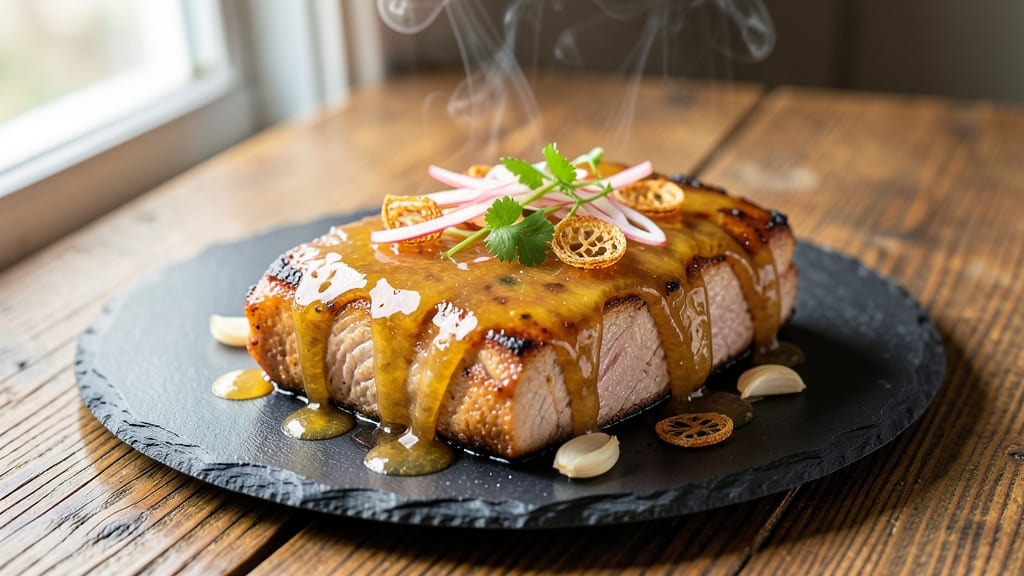
This pineapple glaze recipe for pork transforms simple weeknight dinners into restaurant-worthy meals with just five ingredients and 20 minutes of active time. The secret lies in balancing sweet pineapple juice with tangy vinegar and brown sugar, creating a caramelized glaze that clings to pork like liquid gold.
I developed this after years of testing glaze recipes—some too sticky, others too thin—and finally cracked the perfect ratio that delivers both depth and stickiness.
The magic happens when you reduce the glaze until it thickens slightly, creating a glossy finish that caramelizes beautifully during the final minutes of cooking.
This isn't just a finishing sauce—it works as a braising liquid for tender pork shoulder or as a basting glaze for ribs, infusing every bite with tropical sweetness and subtle acidity. The brown sugar adds caramel notes that deepen as it cooks, while the vinegar keeps the flavors balanced.
What you'll end up with is a sticky, caramelized glaze that transforms ordinary pork into something extraordinary—juicy, tender, and coated in a glossy, sweet-tangy sauce that makes every bite irresistible. The best part?
It doubles as a marinade if made ahead, ensuring maximum flavor penetration. Whether you're grilling, roasting, or slow-cooking, this glaze elevates pork to new heights with minimal effort.
Store leftovers in the fridge for up to 5 days or freeze for 3 months—perfect for meal prep or when you need a quick flavor boost.
Pair it with ribs, tenderloin, or even pork chops for a dish that feels special without requiring hours in the kitchen. Let's make this glaze!
Ingredients for pineapple glaze recipe for pork
Five ingredients transform pork into something extraordinary with sticky, caramelized sweetness.
| Ingredient | Amount | Notes |
|---|---|---|
| Fresh Pineapple Juice 🍍 | 1 cup | Freshly squeezed for best flavor |
| Brown Sugar 🍚 | ½ cup | Light or dark, packed |
| White Vinegar 💧 | ¼ cup | For tangy balance |
| Soy Sauce 🥢 | 2 tbsp | For umami depth |
| Garlic Cloves 🧄 | 3 cloves | Minced for aromatic punch |
| Fresh Ginger 🌿 | 1 tbsp | Finely grated, fresh preferred |
| Sesame Oil 🫒 | 1 tbsp | Toasted for nutty aroma |
| Salt 🧂 | ½ tsp | Kosher or sea salt |
The pineapple juice is the star—freshly squeezed from a ripe pineapple makes all the difference. I always grab whole pineapples from Trader Joe's or Costco because the canned juice lacks that vibrant freshness. If you're using canned juice, look for 100% pineapple juice with no added sugar. The brown sugar? Light or dark doesn't matter—just make sure it's packed tightly into your measuring cup. For the ginger, freshly grated gives the best zing, but if you're in a pinch, ground ginger at half the amount works too. The garlic and ginger combo is non-negotiable—they're what turns this from sweet to complex.
No fresh pineapple juice? Coconut water or apple juice can stretch it out, but you'll need to add extra vinegar to keep the balance. Running low on soy sauce? Coconut aminos or extra balsamic vinegar add depth without the saltiness. The sesame oil is what makes this glaze sing—toast it first in a dry pan for 30 seconds to bring out its nutty flavor. If you're avoiding sesame, toasted peanut oil works in a pinch. Pro tip: Reduce this glaze low and slow—rushing it makes it thin and watery. Patience here is key for that perfect caramelized stickiness.
This glaze keeps 5 days in the fridge in an airtight container, but it's even better the next day as the flavors meld. Freeze for 3 months by pouring into ice cube trays—perfect for single-use portions. Double the batch if you're making ribs or a whole pork shoulder—you'll want extra for basting. The leftovers make an amazing marinade too—just thin with a splash of water if needed. Store sesame oil in a cool, dark place to keep it from going rancid.
Why You'll Love This Recipe
- Pantry Magic: I swear by this glaze—no fancy ingredients, just what’s already hiding in your cupboard. That brown sugar and vinegar combo caramelizes in minutes while you’re still slicing the pork, and the pineapple juice adds brightness without extra shopping.
- Sweet-Savory Magic: The garlic cloves sizzle in the pan first, then the soy sauce deepens the flavor while the pineapple juice keeps things from getting too heavy. It’s the kind of balance that makes you want to lick the spoon—yes, I’ve done it.
- Weeknight Hero: This glaze turns plain pork chops into a showstopper in under 45 minutes. Use it for dinner, pack leftovers for lunch, or even drizzle it over grilled chicken for a quick weeknight win. No one will guess it’s this easy.
- Budget-Friendly Luxury: Fresh pineapple juice might sound fancy, but a small can goes a long way—plus, the brown sugar and vinegar stretch the flavor. I’ve made this glaze for 6 people for under $10, and the leftovers taste just as good reheated as they do fresh.
Step-by-step instructions for pineapple glaze for pork
Here's how to create that irresistible caramelized glaze that clings beautifully to pork.
Combine Base Ingredients in a Saucepan
In a medium saucepan, pour in the 1 cup fresh pineapple juice and add the 0.5 cup brown sugar. Stir to dissolve the sugar completely—you want a smooth base without any graininess. The pineapple juice will start bubbling gently as it heats.
Next, add the 0.25 cup white vinegar and 2 tablespoons soy sauce. These ingredients might seem simple, but they're what create that perfect balance of sweet, tangy, and umami flavors. Stir well to combine everything thoroughly before moving to the next step.
Add Aromatics and Simmer
Increase the heat to medium and bring the mixture to a gentle boil. Once boiling, reduce the heat to low and let it simmer for 5 minutes. This is where the magic starts—you'll see the liquid reduce slightly and the colors begin to deepen.
Now add the 3 minced garlic cloves, 1 tablespoon finely grated fresh ginger, and 0.5 teaspoon salt. Stir gently to incorporate these aromatics. You'll smell that wonderful combination of garlic, ginger, and the sweet-tangy pineapple. Let the mixture simmer for another 3-4 minutes until the garlic is fragrant but not browned.
Finish with Sesame Oil and Reduce
Remove the saucepan from heat and stir in the 1 tablespoon sesame oil. This is what gives the glaze its nutty aroma and rich finish. Let the mixture sit off the heat for 1 minute to allow the sesame oil to meld with the other flavors.
Return the pan to low heat and let the glaze simmer uncovered for 8-10 minutes. You're looking for a syrupy consistency here—it should coat the back of a spoon and be thick enough to cling beautifully to pork. If it reduces too quickly, add 1-2 tablespoons water to maintain the right texture.
Test and Strain for Smooth Perfection
Taste the glaze and adjust the seasoning if needed. You might want to add a pinch more salt or a splash more vinegar to balance the sweetness. The glaze should be sweet, tangy, and just slightly salty with that wonderful umami kick from the soy sauce.
For a completely smooth glaze, strain it through a fine-mesh sieve to remove any ginger or garlic bits. This step ensures you get that silky texture that clings perfectly to every bite of pork. Transfer the glaze to a bowl and let it cool slightly before using—it will thicken as it cools, so don't worry if it looks a bit runny when hot.
Pro Tips For Making Pineapple Glaze Recipe For Pork
- Simmer Low and Slow: After burning the first batch of glaze because I rushed it, I learned: keep the heat at a gentle simmer—not a boil. The pineapple juice and sugar need time to marry, not to turn into syrup. If it’s bubbling hard, you’re racing the clock to caramelization instead of flavor development.
- Strain That Garlic: I used to mash those cloves right in the pan, and the glaze ended up with little gritty surprises. Now I mince them fine, then strain the glaze through a fine-mesh sieve. The texture stays smooth, and the garlic flavor sneaks in without the texture fight—especially important if you’re serving this to someone who hates surprises in their food.
- Balance the Vinegar: The white vinegar cuts through the sweetness, but too much and your glaze tastes like a science experiment gone wrong. Start with half the amount listed, taste, then add more if needed. The goal is brightness, not a sour punch—think of it as a wake-up call, not a slap in the face.
- Use Thick Juice: Fresh pineapple juice is your friend, but if it’s too watery, your glaze will be thin and sad. I blend the fruit, then strain it through cheesecloth to squeeze out every last drop of thick juice. The result? A glaze that clings to the pork instead of pooling in the pan. (Yes, it’s extra work, but the difference is noticeable.)
Troubleshooting this recipe
Glaze Too Thin?
If your glaze isn't sticking to the pork, it's likely too thin. The fix is simple: simmer uncovered for 5-10 more minutes on low heat, stirring occasionally. You're aiming for a consistency where it coats the back of a spoon but still drizzles smoothly.
I once forgot to reduce mine enough, and the result was a sad, runny mess—don't let that happen to you! If it's still too thin after simmering, remove from heat and stir in 1 teaspoon cornstarch mixed with 1 tablespoon water to thicken it up. 🔥
Glaze Too Thick?
A glaze that's too thick can become grainy or clump. If this happens, add 1 tablespoon water or pineapple juice at a time, stirring constantly, until it reaches a smooth, syrupy consistency. I've had this happen when I get distracted (guilty!) and let the glaze reduce too much.
The key is to keep it at a gentle simmer—never a rolling boil. If it's still too thick after adding liquid, return it to low heat and let it warm through gently.
Glaze Crystallizing?
Brown sugar can sometimes crystallize if the glaze cools too quickly. To prevent this, keep the glaze warm (but not boiling) while you're cooking the pork. If it does crystallize, don't panic—just place the saucepan over low heat and stir gently until the sugar dissolves again.
I've learned this the hard way after making a batch for ribs only to find clumps in the glaze. A splash of warm water can also help break up any crystals if needed.
Pork Not Absorbing Glaze
If your pork isn't absorbing the glaze, it might be because the surface isn't sticky enough. Pat the pork dry before applying the glaze—this helps it cling better. For ribs or chops, brush the glaze on generously and let it sit for 5 minutes before cooking.
If you're using this as a braising liquid, add the glaze in the last 30 minutes of cooking so it can caramelize properly. I've had the best luck with pork shoulder because it has enough surface area to soak up the glaze beautifully.
Glaze Too Sweet?
If the glaze tastes overwhelmingly sweet, balance it with more vinegar or soy sauce. Start with ½ teaspoon vinegar and taste—you can always add more. The vinegar cuts through the sweetness while adding brightness.
I've also found that a pinch of black pepper or a few drops of hot sauce can add complexity without overpowering the flavors. Trust me, this adjustment makes all the difference in a well-balanced glaze. 🌶️
Glaze Too Tangy?
If the vinegar or soy sauce is making the glaze too sharp, add a little more brown sugar to mellow it out. Start with 1 teaspoon and taste—you can always add more. The sugar will help round out the flavors while keeping the glaze sticky.
I once made a batch that was way too tangy, and adding just a touch of honey saved the day. The goal is a harmonious balance of sweet, tangy, and umami—don't be afraid to tweak it to your taste!
Nutrition facts
Frequently asked questions
Can I use canned pineapple juice instead of fresh?
Yes, but fresh pineapple juice gives the best flavor. If using canned, choose 100% pineapple juice with no added sugar and add 1 extra teaspoon of vinegar to balance the sweetness. The texture will be slightly thinner, so reduce it 2-3 extra minutes to get that perfect sticky consistency.
What's the best pork cut to use with this glaze?
This glaze works beautifully with pork shoulder (for pulled pork), ribs (use as a basting sauce), or tenderloin (brush on before roasting). For maximum flavor absorption, choose cuts with more surface area like ribs or bone-in chops. The glaze also makes an amazing marinade for pork chops—just let them sit for 1-2 hours before cooking.
How can I make this glaze vegan?
Swap the soy sauce for coconut aminos and use vegan brown sugar. For depth, add 1 teaspoon miso paste or ½ teaspoon liquid smoke. The sesame oil can stay the same (check for vegan brands), or use toasted peanut oil instead. The flavor will be just as rich and sticky!
Can I make this glaze ahead of time?
This glaze actually tastes better the next day as the flavors meld. Store in an airtight container in the fridge for up to 5 days or freeze for 3 months. When reheating, warm gently on the stove—don't boil. It'll thicken as it cools, so thin with 1 tablespoon water if needed before using. Perfect for meal prep!
What if I don't have sesame oil?
Don't worry—it's not essential! Use toasted peanut oil, avocado oil, or even toasted sesame seeds (add at the end). If using seeds, toast them first in a dry pan for 1 minute until fragrant, then crush lightly. The glaze will still be delicious, just with a slightly different nutty profile.