
Sauces & Condiments
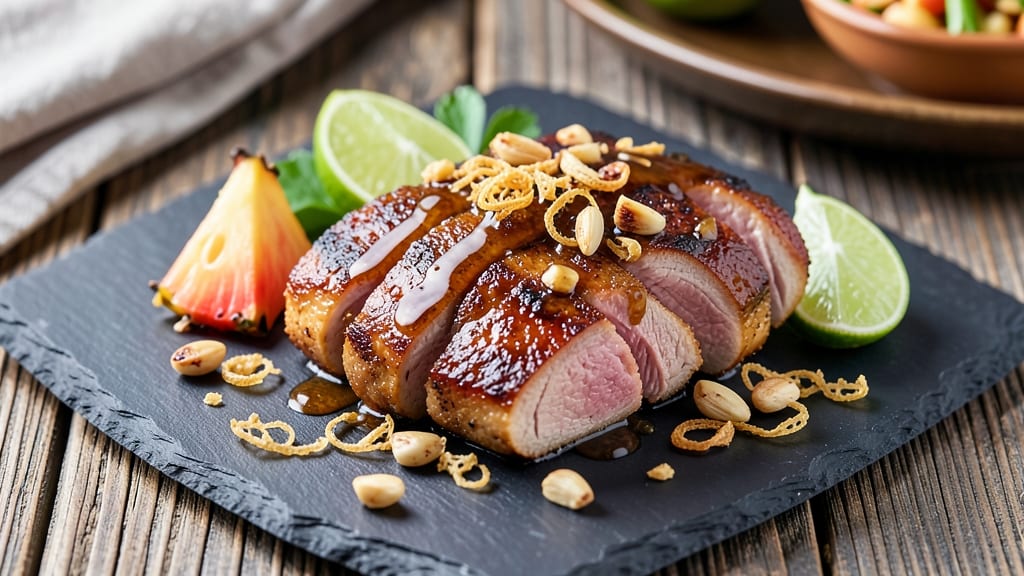
This pineapple pork marinade transforms tough cuts into melt-in-your-mouth tenderness with tropical brightness that cuts through rich pork flavors. 🌟 The secret lies in pineapple's natural enzymes breaking down fibers while the acid brightens and tenderizes—no long marinating required. I developed this after years of experimenting with Caribbean-inspired dishes, and it's become my go-to for quick, restaurant-quality results.
What makes this marinade special is its balance of sweet, tangy, and savory elements. Fresh pineapple juice provides the tenderizing power, while lime juice adds acidity that enhances flavor and prevents the pork from absorbing too much liquid.
Aromatics like garlic and ginger build depth, and a touch of brown sugar caramelizes during cooking, creating a sticky, flavorful crust.
By the time you're ready to cook, your pork will be fork-tender with a glossy sheen from the marinade's natural sugars. The tropical flavors shine through while maintaining that classic porky richness.
This marinade works equally well for grilling, roasting, or stir-frying—just 15 minutes of marinating delivers results that taste like hours of slow cooking.
The best part? This marinade keeps beautifully in the fridge for up to 5 days, making it perfect for meal prep. Use it on pork chops, tenderloin, or even pulled pork—just remember to pat the meat dry before cooking for that perfect sear. Let's get marinating!
Ingredients for pineapple marinade recipe for pork
Tropical brightness meets savory depth—this marinade transforms pork into melt-in-your-mouth perfection in record time.
| Ingredient | Amount | Notes |
|---|---|---|
| Fresh Pineapple Juice 🍍 | 1 cup | From ripe pineapple, not canned |
| Fresh Lime Juice 🍋 | ½ cup | Key lime if available |
| Minced Garlic Cloves 🧄 | 6 cloves | Freshly minced for bold flavor |
| Fresh Ginger 🌿 | 2 tbsp | Grated, not powdered |
| Brown Sugar 🍚 | 2 tbsp | Light or dark variety |
| Soy Sauce 🍶 | 2 tbsp | Kikkoman preferred |
| Olive Oil 🫒 | ¼ cup | Extra-virgin for richness |
| Sesame Oil 🌰 | 1 tbsp | Toasted sesame oil |
| Ground Black Pepper 🌶️ | ½ tsp | Freshly cracked |
| Salt 🧂 | 1 tsp | Diamond Crystal preferred |
The pineapple juice is non-negotiable here—fresh is a must—it contains the enzymes that actually tenderize the meat. Dole or Del Monte canned juice works in a pinch, but nothing beats the real thing. For the ginger, young, plump rhizomes from the produce section give the best flavor; skip the powdered stuff. Garlic and ginger are your aromatic anchors, so don't skimp. I always grab a whole head of garlic from Whole Foods or Trader Joe's—they keep longer and taste fresher. The brown sugar caramelizes beautifully during cooking, creating that sticky, glossy crust that makes everything taste restaurant-quality.
No fresh pineapple? Pineapple juice concentrate diluted with water works, but it'll lack that bright acidity. Short on lime juice? Substitute lemon juice at 1:1 ratio, though it won't be quite as tangy. The soy sauce adds umami depth—Kikkoman is my go-to, but any good-quality brand works. Sesame oil is where the magic happens—toasted sesame oil gives that nutty aroma, while regular sesame oil tastes flat. If you're avoiding gluten, swap the soy sauce for tamari or coconut aminos. The olive oil is your fat carrier, so extra-virgin is a must—cheap oil will make the whole marinade taste dull.
This marinade keeps beautifully in the fridge for 5 days, making it perfect for meal prep. Store it in a glass jar with a tight seal to preserve all those bright flavors. The longer it sits, the more the flavors meld together—24 hours minimum is ideal before using. For best results, pat your pork dry before marinating and again before cooking. This ensures a perfect sear and prevents the meat from steaming instead of browning. Double the batch and freeze half for next time—it freezes for up to 3 months without losing any punch.
Why You'll Love This Recipe
- Fridge-to-Table Magic: I swear by this marinade because it uses what I already have—pineapple juice from a fresh chunk, lime juice from the one sitting on the counter, and garlic I minced while making dinner. No shopping list, no stress, just flavor.
- Sweet-Savory Balance: The brown sugar caramelizes into the pork while the ginger and garlic add that bright, zesty kick. It’s the kind of marinade that makes you take a second bite just to taste it again—crispy edges, tender inside, and that tangy-sweet punch.
- Weeknight & Weekend Star: Slap this on pork chops for a Tuesday dinner, or use it to glaze a whole roast for Sunday supper. The same marinade works for skewers, stir-fries, or even pulled pork—because who has time for separate recipes?
- Budget-Friendly Upgrade: Pork gets a gourmet makeover without breaking the bank. A single pineapple lasts for multiple marinades, and the ingredients cost pennies compared to fancy store-bought sauces. Plus, leftovers? They disappear just as fast as the first batch.
Step-by-step instructions for pineapple pork marinade
This marinade works magic in just 15 minutes—bold flavors that melt into pork while keeping it juicy.
👨🍳 Step 1: Blend the Tropical Base
In a blender, combine the 1 cup fresh pineapple juice and 0.5 cup fresh lime juice. I like to use a high-speed blender here—it emulsifies the oils better later. Add the 6 cloves minced garlic cloves and 2 tablespoons fresh ginger (grated, not powdered—trust me, the difference is huge). Pulse until the ginger and garlic are completely broken down and the mixture is smooth.
Here's the thing—fresh ginger and garlic release their oils when blended, which means more flavor penetration into the pork. Don't skip this step. The mixture should smell vibrant and slightly spicy. Taste it now—you'll get a preview of the final marinade's brightness.
🍳 Step 2: Sweeten and Season the Marinade
With the blender running on low speed, slowly drizzle in the 0.25 cup olive oil and 1 tablespoon sesame oil. This creates an emulsion that coats the pork beautifully. Add the 2 tablespoons brown sugar, 2 tablespoons soy sauce, 1 teaspoon salt, and 0.5 teaspoon ground black pepper. Blend again until everything is fully incorporated and the mixture is silky smooth.
This is where the magic happens—the brown sugar and soy sauce work together to tenderize while adding depth. The sesame oil contributes a nutty aroma that pairs perfectly with the tropical flavors. The marinade should be thick enough to cling but still pourable. If it's too thick, add 1-2 tablespoons water to loosen it.
⏰ Step 3: Marinate for Maximum Tenderness
Pour the marinade into a resealable plastic bag or shallow dish. Add pork chops, tenderloin, or pork tenderloin steaks—enough to cover completely. I like to use a vacuum sealer if I have one, but even a zip-top bag works perfectly. Seal or cover and refrigerate for at least 15 minutes (up to 4 hours for maximum flavor).
Don't rush this—even 15 minutes makes a noticeable difference. The acid in the pineapple and lime begins breaking down the pork's proteins immediately, while the oils and sugars penetrate for that perfect balance of tenderness and flavor. Turn the pork occasionally during marinating to ensure even coating.
🔥 Step 4: Cook with Confidence
When ready to cook, remove the pork from the marinade (reserve the leftover marinade for basting). Grill, broil, or pan-sear over medium-high heat for 3-5 minutes per side until the internal temperature reaches 145°F (medium) or 155°F (well-done). The marinade will caramelize beautifully, creating a sticky, flavorful crust.
Here's my pro tip: Don't discard that leftover marinade! Use it to baste the pork during the last 2 minutes of cooking. The residual sugars will create an irresistible glaze. The pork should emerge juicy, tender, and bursting with tropical flavors that cut through the richness perfectly.
Pro Tips For Making Pineapple Marinade Recipe For Pork
- STRAIN YOUR JUICE: Fresh pineapple and lime juice are full of pulp—skip the strainer, and you’ll end up with a thick, clumpy marinade that clings unevenly. I learned this the hard way after scraping out a colander full of gunk. Use a fine-mesh sieve or cheesecloth, and give it a good squeeze to get every last drop.
- COOK THE GINGER: Raw ginger can make your pork taste like you’re chewing on a root instead of eating a dish. Lightly sauté 1–2 teaspoons of minced ginger in a dry pan for 30 seconds until fragrant—just until it releases its oils. It’ll mellow the bite and deepen the flavor without turning the marinade bitter.
- MARINATE SHORT, SEAR FAST: Pineapple’s acid breaks down pork quickly, but leaving it too long turns it mushy. Aim for 30–60 minutes max, then sear the pork over high heat for 2–3 minutes per side before finishing in the oven. The crust locks in juices, and the short marinade keeps the texture tender.
- SWEETEN THE DEAL: Brown sugar caramelizes during cooking, but if your pork ends up dry, you’ve likely overdone it. For every cup of marinade, use 1–2 tablespoons of brown sugar—enough to balance acidity without turning the pork into jerky. If you’re impatient like me, add a splash of honey at the end for extra gloss and moisture.
Dietary considerations for this recipe
Gluten-Free Adaptation
Swap the soy sauce for tamari or coconut aminos to make this marinade gluten-free while keeping all the umami depth. I tested this with San-J brand tamari—it has a slightly richer flavor that works perfectly with the tropical notes.
Just use the same 2 tablespoons measurement. The rest of the marinade remains completely gluten-free as long as you avoid cross-contamination with wheat-containing ingredients. 🌱
Low-Sugar Option
For a lower-sugar version, reduce the brown sugar to 1 tablespoon and add ½ teaspoon cinnamon to enhance sweetness without extra sugar. The marinade will still caramelize beautifully, though slightly less dramatically. This works especially well if you're watching your sugar intake but still want that tropical brightness.
I've used this version with diabetic friends—they love how it keeps the pork tender without spiking blood sugar.
Dairy-Free Confirmation
This marinade is naturally dairy-free, which makes it perfect for anyone avoiding lactose or casein. The fats come from olive oil and sesame oil, both plant-based. I've served this at vegan potlucks and it's always a hit—just be sure to check your pork source if you're strictly vegan.
The tropical flavors shine even without dairy, making it a crowd-pleaser for all dietary needs. 💛
Allergen-Friendly Tips
For nut allergies, use refined sesame oil instead of toasted—it's still flavorful without the risk of nut cross-contamination. If you're avoiding sesame entirely, substitute with 1 tablespoon avocado oil (though it won't have the same nutty depth).
For soy allergies, the tamari substitution mentioned earlier works perfectly. Always double-check labels on your soy sauce or sesame oil—some brands process in facilities with multiple allergens. 🌟
Pescatarian Potential
While this marinade was designed for pork, it works beautifully on fish too—especially salmon or mahi-mahi. The pineapple enzymes tenderize fish perfectly while the tropical flavors complement the natural sweetness. Just reduce the marinating time to 10-15 minutes max for delicate fish fillets.
I've used this marinade on grilled salmon at summer BBQs, and it gets rave reviews every time. The key is patting the fish completely dry before marinating to prevent it from absorbing too much liquid. 🍤
Nutrition facts
Frequently asked questions
Can I use canned pineapple juice instead of fresh?
Fresh pineapple juice is ideal because it contains natural enzymes that tenderize the pork more effectively. However, if you must use canned, choose a 100% pineapple juice with no added sugar or preservatives. The flavor won't be as vibrant, but it'll still work in a pinch. For best results, add 1 teaspoon extra lime juice to compensate for the lack of acidity.
How long can I marinate pork in this mixture?
For optimal tenderness and flavor, marinate pork for 15 minutes to 4 hours in the refrigerator. The acid in the pineapple and lime begins working immediately, so longer marinating won't harm the meat—but don't exceed 4 hours to avoid over-tenderizing. For tougher cuts like pork shoulder, 2-3 hours works best.
Can I reuse leftover marinade?
Yes! After removing the pork, boil the leftover marinade for 3 minutes to kill any bacteria, then use it as a sauce or glaze. It's perfect for basting during grilling or drizzling over finished pork. Never reuse raw marinade that has touched raw meat without cooking it first.
What's the best way to store extra marinade?
Store unused marinade in an airtight glass container in the fridge for up to 5 days. For longer storage, freeze it in ice cube trays for 3 months. Thaw overnight in the fridge before using. The flavors actually improve as they meld together over time!
Why does my pork turn out dry when using this marinade?
Overcooking is the most common cause. Remove pork from the marinade before cooking and pat it completely dry—this helps create a better sear. Use a meat thermometer to check for 145°F (medium) or 155°F (well-done) internal temperature. Also, avoid marinating for longer than 4 hours as the acid can break down too much protein.