
Main Courses
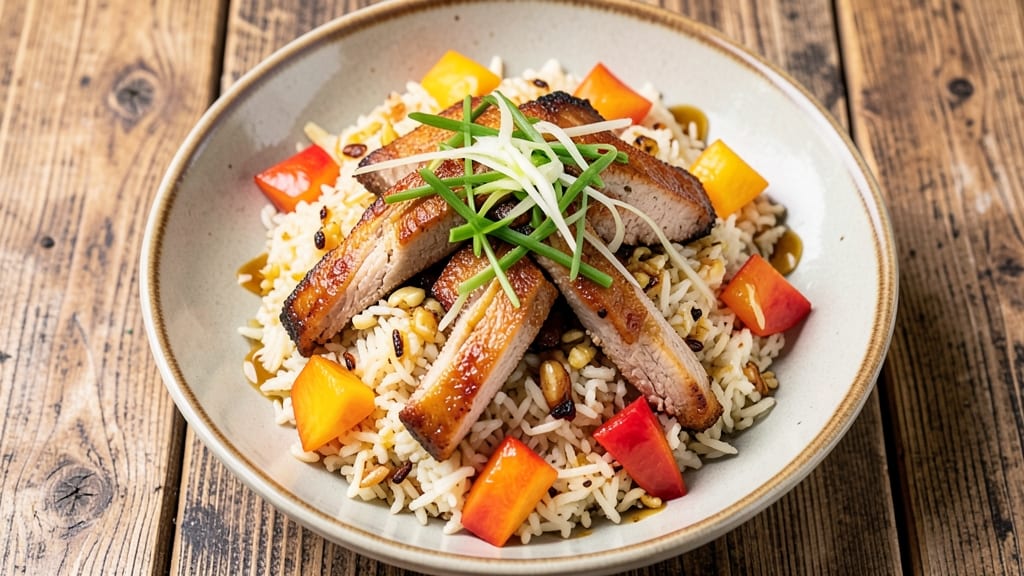
This pineapple pork fried rice recipe transforms a classic wok staple into a vibrant fusion dish where tropical sweetness meets savory umami in every bite. The secret lies in perfectly balanced flavors—juicy pork, tender rice, and caramelized pineapple—all seared together in a fragrant garlic-ginger base.
After years of testing variations, I’ve refined this method to deliver restaurant-quality results with minimal effort.
The magic happens in the wok, where high heat creates that signature smoky crunch while keeping the pork tender and the pineapple just sweet enough to caramelize slightly.
A splash of soy sauce and a pinch of sesame oil elevate the dish from ordinary to extraordinary, creating a harmony of textures and flavors that’ll have everyone asking for seconds. This isn’t just fried rice—it’s a celebration of bold, contrasting tastes.
What you’ll end up with is a plate of golden-brown fried rice speckled with pink pork, bright pineapple chunks, and fragrant green onions. The rice stays separate and fluffy, the pork remains juicy, and the pineapple adds a bright, tropical sweetness that cuts through the richness.
It’s the kind of dish that’s perfect for lunch, dinner, or even a quick weeknight meal that feels special.
Serve it as-is for a clean, satisfying bowl, or garnish with extra sesame seeds and sliced scallions for added texture. The leftovers reheat beautifully, making it an ideal meal prep option for busy weeks. Let’s get cooking!
Ingredients for pineapple pork fried rice
Four cups of day-old rice, juicy pork, and tropical pineapple—this fusion dish delivers restaurant-quality wok crunch at home.
| Ingredient | Amount | Notes |
|---|---|---|
| Day-Old Cooked White Rice 🍚 | 4 cups | Cold, separated grains preferred |
| Boneless Pork Shoulder 🐖 | 1 lb | Thinly sliced, 1/4-inch thick |
| Fresh Pineapple Chunks 🍍 | 1 ½ cups | Firm, juicy variety preferred |
| Green Onions 🧅 | ½ cup | White and green parts, sliced |
| Garlic Cloves 🧄 | 4 cloves | Minced, aromatic variety |
| Fresh Ginger 🌿 | 1 tbsp | Grated, peeled |
| Soy Sauce 🍶 | ⅓ cup | Light or all-purpose |
| Sesame Oil 🫒 | 1 tbsp | Toasted, for aroma |
| Vegetable Oil 🫒 | ½ cup | High smoke point preferred |
| White Pepper 🌶️ | ½ tsp | Freshly ground for heat |
| Black Pepper 🌶️ | ¼ tsp | Freshly ground for balance |
| Toasted Sesame Seeds 🌾 | 1 tbsp | For garnish, optional |
| Honey 🍯 | 1 tbsp | For caramelizing pineapple |
| Cornstarch 🌾 | 1 tbsp | For tenderizing pork |
The pork shoulder is non-negotiable here—it stays juicy and tender when sliced thin. Look for well-marbled cuts at your butcher or grocery store's meat counter. I always ask for it to be sliced against the grain for that signature chewy texture. For the pineapple, fresh is a must—canned chunks lack the bright sweetness and juiciness needed. If you can't find fresh, Trader Joe's frozen pineapple chunks work in a pinch, but thaw and drain them well. The rice? Day-old works best—fresh rice turns mushy under high heat. If you're short on time, cook extra rice the night before and store it uncovered in the fridge.
No boneless pork shoulder? Chicken thigh or shrimp works as a quick substitute, but adjust cooking time accordingly. Swapping pineapple for mango or peaches adds a different tropical twist. The soy sauce can be subbed with coconut aminos for a gluten-free option, though the flavor will differ slightly. For extra umami depth, add 1 tsp fish sauce if you're not avoiding it. The cornstarch is key for tenderizing the pork—don't skip it. If you're making this ahead, marinate the pork in soy sauce and cornstarch for at least 30 minutes before cooking for even better results.
This dish reheats beautifully—just add a splash of water or soy sauce to prevent drying out. Store leftovers in an airtight container for up to 4 days in the fridge. For meal prep, portion into containers with a small amount of sesame oil on top to keep it fresh. The flavors actually improve after the first night as everything melds together. Freeze for up to 3 months if needed, though the texture changes slightly upon thawing. Garnish with extra sesame seeds and green onions right before serving for maximum freshness.
Why You'll Love This Recipe
- One-Pan Magic: I swear by this trick—just toss everything into one hot pan, and the pork caramelizes while the rice soaks up all those juices. No messy cleanup, no extra dishes, and that smoky garlic-pineapple aroma fills the kitchen before the dish even hits the table.
- Sweet-Savory Balance: The pineapple’s tang cuts through the richness of the pork, and when you sear those garlic cloves until they’re golden, it’s like a little flavor explosion. Honestly, the first bite makes me forget it’s just fried rice—it’s ridiculously good.
- Lunchbox Hero: Between us, this is my go-to for meal prep. The rice stays firm overnight, and the pork gets even more flavorful. Pack it in containers, and it’s a hit with kids (my daughter picks out the pineapple first, but still asks for seconds) or coworkers who think they’re too busy for lunch.
- Budget Breakthrough: Pork shoulder is cheap, and a single pineapple lasts for weeks. I’ll be real: this recipe stretches to feed four for under $15, and leftovers reheat like a dream. Plus, using day-old rice? That’s just smart cooking.
Step-by-step instructions for pineapple pork fried rice
Here's how to balance sweet pineapple and savory pork for a restaurant-quality wok dish.
Prep the Pork for Maximum Tenderness
Slice the 1 lb boneless pork shoulder into ¼-inch thick strips against the grain. This ensures each bite stays tender. In a small bowl, combine the sliced pork with 1 tablespoon cornstarch and ¼ teaspoon black pepper, tossing until evenly coated. Let it sit for 10 minutes—this helps create a light crust that seals in juices during cooking.
While the pork marinates, prepare the pineapple by tossing the 1.5 cups fresh pineapple chunks with 1 tablespoon honey in a separate bowl. Let them sit for 5 minutes at room temperature. This step caramelizes the pineapple slightly, enhancing its natural sweetness and making it more flavorful when cooked.
Build the Flavor Base in the Wok
Heat a large wok or skillet over high heat until smoking. Add ½ cup vegetable oil and swirl to coat the surface. Add the 4 cloves minced garlic and 1 tablespoon grated fresh ginger, cooking for 30 seconds until fragrant but not browned. Immediately add the pork in a single layer, cooking undisturbed for 2 minutes until lightly browned on one side.
Stir the pork and cook for another 3-4 minutes until fully cooked through. Remove the pork with a slotted spoon and set aside. In the same wok, add the ½ cup sliced green onions and cook for 30 seconds until softened. Pour in the ⅓ cup soy sauce and scrape up any browned bits from the bottom with a wooden spoon—this releases all the flavor locked in during cooking.
Cook the Pineapple and Combine Ingredients
Return the pork to the wok and add the honey-tossed pineapple. Stir-fry for 2 minutes until the pineapple begins to soften slightly and release its juices. The combination of heat and honey will create a beautiful caramelized glaze on the pineapple chunks.
Add the 4 cups day-old cooked white rice, breaking up any clumps with your spatula. Drizzle in 1 tablespoon sesame oil and sprinkle with ½ teaspoon white pepper. Stir-fry for 3-4 minutes until the rice is heated through and begins to develop a slight char on the edges. This is where the magic happens—the wok hei (breath of the wok) creates that signature smoky aroma.
Finish and Garnish for Perfect Texture
Reduce heat to medium and cook for another 2 minutes, allowing the rice to absorb all the flavors. Taste and adjust seasoning with additional soy sauce if needed—you want a balance of sweetness from the pineapple and saltiness from the soy.
Remove from heat and transfer to serving plates. Garnish immediately with 1 tablespoon toasted sesame seeds for texture and visual appeal. Serve while hot, with extra green onions sprinkled on top for freshness. The rice should be slightly sticky from the pineapple juices, with crispy edges from the wok cooking.
Pro Tips For Making Pineapple Pork Fried Rice
- CRISP THE PORK FIRST: I used to toss in raw pork shoulder and wonder why it stayed chewy—turns out, pre-cooking it until just done (internal temp 165°F) and slicing it thin makes all the difference. Then, quick-fry it in the same pan you’ll use for the rice so the fat renders and flavors everything.
- USE DRY, COLD RICE: Day-old rice is key, but it’s even better if it’s cold—straight from the fridge. Spread it on a tray to dry out for 10 minutes before stirring it into the pan. Wet rice turns mushy; dry rice gets that perfect chewy bite.
- SAUTE GARLIC LOW AND SLOW: High heat burns garlic faster than you can blink. Once you add the minced garlic to the pan, drop the heat to medium-low and let it sizzle gently for 30 seconds—just until fragrant, not brown. Burnt garlic ruins the whole dish.
- TOSS IN PINEAPPLE LAST: Pineapple releases liquid when cooked, and if you add it too early, your fried rice will turn soggy. Save the chunks for the final 2 minutes, letting them warm through while everything else gets a quick toss together.
Best sauces and condiments for this recipe
Sweet-Savory Soy Sauce
This dish thrives on a balanced soy sauce base—I use ⅓ cup light soy sauce for its clean, salty profile that complements the sweet pineapple and rich pork. For extra depth, add 1 teaspoon fish sauce (if you're not avoiding it) to amplify umami.
If you prefer a gluten-free option, swap soy sauce for coconut aminos, though the flavor will be slightly milder. 🍶
Honey-Glazed Pineapple
The 1 tablespoon honey mixed with pineapple before cooking is non-negotiable—it caramelizes the fruit, creating a sticky-sweet contrast to the savory pork. For a spicier twist, add ½ teaspoon chili flakes to the honey mixture.
If you're using canned pineapple, drain it well and pat dry to prevent a soggy rice texture.
Sesame Oil Magic
Toasted sesame oil is the secret weapon here—I use 1 tablespoon total, half during cooking and half for finishing. It adds a nutty aroma that ties all the flavors together.
For a smoky depth, try 1 teaspoon chili oil instead, but add it at the very end to preserve its heat. Never use untoasted sesame oil—it lacks the rich, aromatic punch.
Spicy Sesame Seed Garnish
Finish with 1 tablespoon toasted sesame seeds for crunch and visual appeal. For a spicy kick, mix ½ teaspoon crushed red pepper flakes into the seeds before sprinkling. I also love adding a drizzle of sriracha or gochujang on the side for guests who crave heat.
The seeds should be toasted in a dry pan for 30 seconds until golden and fragrant.
Umami Boost Options
For extra umami depth, stir in 1 teaspoon oyster sauce or 1 tablespoon hoisin sauce with the soy sauce base. Both add a rich, slightly sweet complexity that pairs beautifully with the pineapple.
If you're vegetarian, swap pork for tofu or mushrooms and use vegetarian oyster sauce for the same effect.
Sweet-Tangy Condiment Pairings
Serve with a side of plum sauce or mango chutney for dipping—both enhance the tropical flavors. A squeeze of lime wedges on the side brightens each bite. For a refreshing contrast, pair with a cucumber salad** tossed in rice vinegar and sesame seeds.
The cool, crisp textures balance the warm, spicy fried rice perfectly. 💫
Nutrition facts
Frequently asked questions
Why use day-old rice for fried rice?
Day-old rice is crucial because it's dry and separate, preventing a mushy texture when stir-fried. Fresh rice releases too much moisture, turning your dish into a soggy mess. If you're short on time, cook extra rice the night before and store it uncovered in the fridge to speed up drying. The slightly stale texture is actually what creates that perfect wok crunch!
Can I substitute pork with another protein?
For a quicker version, use chicken thigh or shrimp, but adjust cooking times accordingly. Chicken needs about 4-5 minutes total, while shrimp cooks in just 2 minutes—they turn opaque and curl at the edges. For vegetarian options, try tofu or mushrooms (like shiitake) with a splash of soy sauce to mimic the meaty texture.
How do I prevent the pineapple from making the rice soggy?
Drain any excess juice from canned pineapple thoroughly, and for fresh pineapple, pat it dry with a paper towel before adding to the wok. The key is cooking the pineapple separately for 2 minutes before mixing with the rice—this lets it caramelize slightly while releasing juices gradually. If using frozen pineapple, thaw and drain it completely first.
What's the best way to reheat leftovers?
Reheat in a skillet over medium heat with a splash of water or soy sauce to restore moisture. Stir frequently to prevent sticking. Microwaving works too, but add 15 seconds of rest time between intervals to redistribute heat evenly. For crispy edges, finish under a broiler for 30 seconds. Leftovers keep well for 4 days in an airtight container.
Can I make this gluten-free?
Yes! Swap regular soy sauce for coconut aminos (use ⅓ cup plus 1 tsp extra since it's less salty) and check your sesame oil label for gluten-free certification. For extra umami, add 1 tsp gluten-free fish sauce or 1 tbsp gluten-free oyster sauce. The texture remains identical—just the flavor profile shifts slightly.