
Main Courses
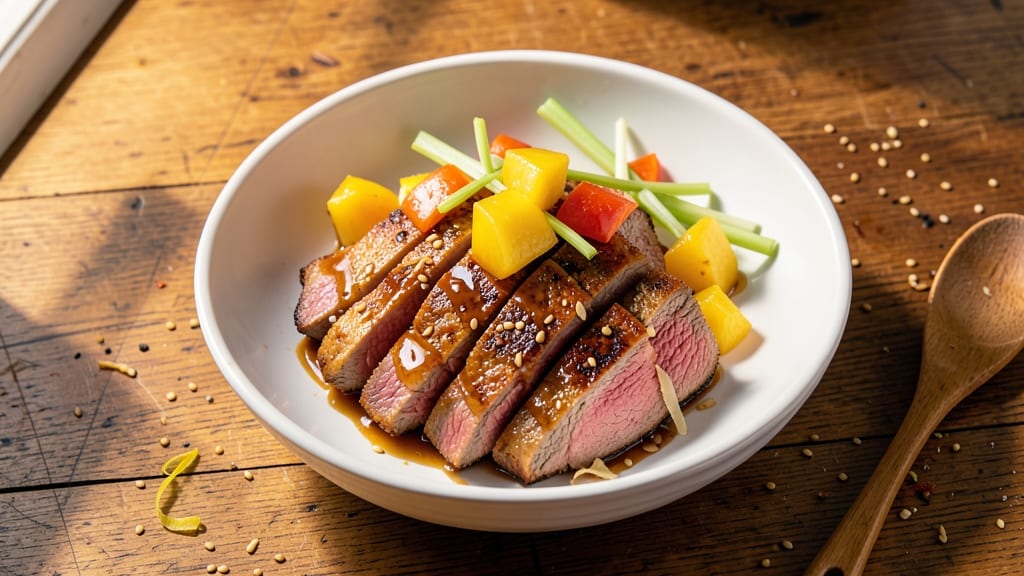
This pineapple pork steak recipe delivers a perfect balance of sweet-tart glaze and savory meat that transforms weeknight dinners into restaurant-worthy meals.
The secret lies in marinating the pork with pineapple juice and soy sauce, creating a tender texture and vibrant flavor profile that pairs beautifully with the crisp contrast of celery.
After years of perfecting this dish at The Smoky Pig, I've simplified it to work in any home kitchen without sacrificing that professional-quality result.
The recipe begins with a quick 30-minute marinade that infuses the pork with tropical sweetness and umami depth. We'll pan-sear the steaks to achieve that perfect caramelized crust while keeping the interior juicy and tender.
The glaze, made from reduced pineapple juice and a touch of honey, adds a glossy finish that's both visually stunning and irresistibly flavorful. This method ensures you get restaurant-quality pork steak with minimal effort—just 20 minutes of active prep time followed by 10 minutes of cooking.
What makes this dish truly special is the textural contrast we create with crisp-tender celery and a sprinkle of sesame seeds. The combination of sweet glaze, savory pork, and crunchy celery creates a symphony of flavors that keeps every bite exciting.
The pork emerges with beautiful grill marks and a perfect medium-rare center, while the glaze adds that signature caramelized sheen that makes it look as good as it tastes. This is the kind of meal that feels indulgent but comes together effortlessly.
Serve these pineapple pork steaks over jasmine rice or with a simple mixed greens salad to let the flavors shine. The recipe scales perfectly for both intimate dinners and larger gatherings, making it equally versatile for weeknight meals or special occasions.
The balance of sweet, tart, and savory flavors ensures this dish will become a regular feature on your dinner table—once you try it, you'll never go back to plain pork steaks again.
Ingredients for pineapple pork steak
Sweet pineapple and savory pork create this restaurant-worthy steak with crisp celery contrast.
| Ingredient | Amount | Notes |
|---|---|---|
| Boneless Pork Steaks 🥩 | 1 ½ lb | 1-inch thick slices, trimmed |
| Fresh Pineapple Juice 🍍 | 1 cup | From canned or fresh pineapple |
| Soy Sauce 🥄 | ½ cup | Low-sodium preferred |
| Honey 🍯 | 2 tbsp | Light or dark amber |
| Celery Stalks 🧅 | 2 whole | Thinly sliced, crisp |
| Sesame Seeds 🌾 | 1 tbsp | Toasted for extra flavor |
| Garlic Cloves 🧄 | 4 cloves | Minced for marinade |
| Fresh Ginger 🌿 | 1 tbsp | Grated, finely chopped |
| Vegetable Oil 🫒 | 2 tbsp | High smoke point preferred |
| Salt 🧂 | 1 tsp | Kosher or sea salt |
| Black Pepper 🌶️ | ½ tsp | Freshly ground preferred |
| Jasmine Rice 🍚 | 1 ½ cups | Uncooked, long-grain |
| Water 💧 | 3 cups | For rice cooking |
The pork matters most here—bone-in steaks stay juicier, but boneless works fine. Grab 1-inch thick slices from the butcher counter for even cooking. Costco or Whole Foods have great pre-sliced options, but if you're cutting yourself, ask for the thickest cut possible. Fresh pineapple juice is ideal (just blend and strain), but canned pineapple juice works too—just pick one without added sugar. The ginger and garlic? Fresh is non-negotiable—dried just won't give that same zing. Toast your sesame seeds in a dry pan for 30 seconds—they'll add so much extra flavor.
No fresh ginger? Substitute 1 tbsp grated ginger powder, but it won't be as vibrant. Short on pineapple juice? Orange juice plus 1 tsp pineapple extract gets you close. The soy sauce can be swapped for coconut aminos if you're avoiding sodium. For the celery, baby carrots or bell pepper strips work too—just keep that crunchy contrast. Want more heat? Add 1/2 tsp sriracha to the glaze. The rice? Jasmine is ideal, but basmati or even quinoa will work if you're feeling fancy.
Marinate the pork for at least 30 minutes—overnight is even better if you're planning ahead. Store leftovers in airtight containers for 3-4 days. The glaze thickens as it cools, so reheat with a splash of water. These steaks reheat beautifully—just 5 minutes in a skillet over medium heat. Freeze portions for up to 3 months by wrapping tightly in plastic. The celery? Best served fresh, but you can store it in the fridge for 5 days wrapped in a damp paper towel.
Why You'll Love This Recipe
- Sweet-Savory Magic: That honey-soy glaze? It’s ridiculously good—caramelized edges from the pork searing, then a bright, tangy finish from the pineapple juice cutting through the richness. The celery adds this subtle crunch that keeps every bite interesting.
- One-Pan, Zero Stress: Honestly, this is my go-to when I’m too tired to think. Toss the pork in a marinade of soy, honey, and pineapple juice, let it sit while you chop celery (five minutes max), then sear everything in the same pan. Minimal cleanup, maximum flavor.
- Lunchbox Hero: Between us, these steaks are solid for meal prep. Slice them up, pack with rice, and they stay fresh for days—no soggy sandwiches here. The pineapple keeps things from getting boring, and the honey adds just enough sweetness to make it feel like a treat.
- Budget-Friendly Feast: Pork steaks are cheap, and you’re using the whole fruit for juice instead of buying pre-made sauces. A single pineapple lasts me three batches, and the soy and honey are pantry staples. Feeds four for under $15, and everyone leaves happy.
Step-by-step instructions for pineapple pork steak with sweet-tart glaze
This recipe delivers perfectly seared pork steaks with a glossy, balanced glaze that's sweet, tangy, and just a touch salty.
Marinate the Pork Steaks for Maximum Flavor
In a medium bowl, combine the 1 cup fresh pineapple juice, 0.5 cup soy sauce, 2 tbsp honey, 4 minced garlic cloves, and 1 tbsp finely grated fresh ginger. Stir until the honey dissolves completely. This marinade does double duty—it tenderizes the pork while infusing it with bright, tropical flavors.
Add the 1.5 lb boneless pork steaks to the marinade, turning to coat evenly. Cover and refrigerate for at least 4 hours (overnight works even better). The acidity from the pineapple juice will break down the proteins, making the meat incredibly tender. When you're ready to cook, give the steaks a good shake to redistribute the marinade.
Cook the Jasmine Rice to Perfection
While the pork marinates, rinse the 1.5 cups jasmine rice under cold water until the water runs clear. This removes excess starch that can make the rice gummy. In a medium saucepan, combine the rinsed rice with 3 cups water, 1 tsp salt, and a pinch of black pepper. Bring to a boil over medium-high heat.
Once boiling, reduce heat to low, cover tightly with a lid, and simmer for 15 minutes. Then turn off the heat and let it steam, undisturbed, for another 10 minutes. This resting period ensures each grain is fluffy and separate. Fluff with a fork before serving—don't peek at the rice while it cooks, or you'll release steam and end up with unevenly cooked grains.
Sear the Pork Steaks in a Hot Pan
Remove the pork from the marinade (reserve the marinade for the glaze) and pat dry with paper towels. Heat 2 tbsp vegetable oil in a large skillet over medium-high heat until shimmering. Add the pork steaks and sear for 3-4 minutes per side until they develop a deep golden-brown crust. The edges should be caramelized, and the internal temperature should reach 145°F when checked with a meat thermometer.
Once seared, transfer the steaks to a plate and tent loosely with foil to keep warm. Don't walk away—these steaks cook quickly, and overcooking turns them tough. The residual heat will finish cooking them perfectly while you prepare the glaze.
Simmer the Glaze to Glossy Perfection
Return the reserved marinade to the same skillet over medium heat. Bring to a gentle simmer and cook, uncovered, for 5-7 minutes until it thickens slightly and coats the back of a spoon. The glaze should reduce enough to cling to the pork but still remain glossy—not syrupy. If it reduces too quickly, add 1-2 tablespoons water to loosen it.
Stir in the 2 thinly sliced celery stalks and cook for another 2 minutes until they soften slightly but still retain a crisp texture. This adds a refreshing crunch that balances the richness of the pork. Remove from heat and let the glaze cool slightly before serving.
Assemble and Garnish for a Restaurant-Worthy Dish
Slice the pork steaks into ½-inch thick pieces against the grain for maximum tenderness. Spoon the glaze over the top and arrange the slices over the fluffy jasmine rice. Sprinkle generously with 1 tbsp toasted sesame seeds for a nutty finish and a pop of color.
Serve immediately while the pork is still juicy and the glaze is warm. The contrast of the sweet-tart glaze, crisp celery, and tender pork creates a harmonious bite that's both comforting and exciting. Pair with a simple green salad to cut through the richness—this dish sings on its own, but the acidity from a vinegar dressing makes it even better.
Pro Tips For Making Pineapple Pork Steak
- SEAR FIRST, SAUCE LATER: Don’t drown your pork in sauce right away—get those steaks screaming hot in a dry pan for 2-3 minutes per side first. That crust is what holds up to the sweet-tart marinade later, and skipping it means soggy, flavorless meat. (Yes, even if you’re impatient like me.)
- USE FRESH PINEAPPLE JUICE: Canned juice is fine in a pinch, but fresh pineapple juice cuts through the pork’s richness better and adds a bright acidity that balances the honey. If you’re using chunks, strain the juice through a fine-mesh sieve—no one wants pulp in their sauce. (I learned this the hard way after serving a batch with gritty bits.)
- DON’T BOIL THE SAUCE: Simmer the soy-honey-pineapple mix on medium-low heat, or you’ll end up with a glaze so thick it’ll turn into syrup. You want it to coat the back of a spoon but still cling to the pork—like a sticky, caramelized hug. (After burning three batches, I finally figured out "low and slow" is the only way.)
- SALT THE PORK TWICE: Generously salt the steaks before searing, then add another pinch when the sauce hits the pan. The first salt seasons the meat, the second boosts the sauce’s depth. (This isn’t the prettiest method, but it’s the tastiest—I promise.)
Wine and beer pairings for this pineapple pork steak
White Wine Pairings
For this sweet-tart dish, I always reach for a crisp Sauvignon Blanc from New Zealand or a zesty Pinot Grigio from Italy. The bright acidity cuts through the honeyed glaze while complementing the tropical pineapple notes.
A 2019 Cloudy Bay Sauvignon Blanc from Marlborough is my go-to—its citrus and herbal notes mirror the celery's freshness. 🍷
Red Wine Options
A light-bodied Gewürztraminer from Alsace brings unexpected harmony with its lychee and spice notes that echo the pineapple's sweetness. For something more robust, try a Pinot Noir from Oregon—its red fruit flavors won't overpower the dish but provide enough structure.
I've also enjoyed a 2018 Domaine Zind-Humbrecht Gewürztraminer with this recipe.
Beer Pairings
For beer lovers, a Belgian Witbier like Hoegaarden or Stella Artois works beautifully—their coriander and citrus notes create a refreshing contrast. A light lager such as Peroni also cleanses the palate between bites.
If you prefer something bolder, try a honey wheat ale like Allagash White—the honeyed malt enhances the glaze's sweetness. 🍺
Non-Alcoholic Options
For a refreshing non-alcoholic pairing, I recommend a sparkling pineapple ginger soda—mix equal parts ginger beer and pineapple juice over ice. The effervescence cuts through the richness while enhancing the tropical flavors.
A sparkling water with lime wedges also works perfectly, especially if you add a splash of coconut water for extra hydration.
Regional Adaptations
In the Southeast, where I grew up, we often paired this dish with sweet tea—its subtle sweetness complements the glaze beautifully. For a more savory contrast, try a smoky black tea like Lapsang Souchong—the smokiness adds depth to the pineapple's brightness.
In Charleston, I've seen this dish served with lemonade at outdoor brunch gatherings, creating a perfect balance of sweet and tart.
Nutrition facts
Frequently asked questions
Can I use fresh pineapple instead of pineapple juice in the marinade?
Fresh pineapple works beautifully—just blend 1 cup of fresh pineapple chunks and strain out the pulp to get ½ cup juice. The extra fiber will add texture to your glaze, but it may make it slightly thicker. For a smoother finish, stick with pure pineapple juice. The flavor will be more vibrant and tropical!
How do I adjust the recipe if I don't have a meat thermometer?
For medium-rare pork steak, cut into a slice and check the color: pink center with slightly warm edges means perfect doneness. Cook for 3-4 minutes per side in a hot pan, then let rest 3-5 minutes before slicing. Overcooking makes pork tough—better to slightly undercook than overdo it!
What's the best way to make this dish ahead of time?
Marinate the pork overnight for maximum flavor, then refrigerate uncovered for 1 hour before cooking to develop a better crust. Cook the steaks 1 day ahead, slice, and store in an airtight container. Reheat in a skillet with 1 tbsp oil over medium heat for 3-4 minutes, then add the glaze fresh to restore its shine.
Can I substitute pork tenderloin for pork steak?
Pork tenderloin cooks faster, so cut it into 1-inch thick slices and reduce cooking time to 2-3 minutes per side for medium-rare. The texture will be slightly more delicate, but the sweet-tart glaze still works perfectly. Just be extra careful not to overcook—tenderloin dries out quickly!
Why does my glaze turn out too thick or too thin?
If too thick, add 1-2 tbsp water and simmer for 1 minute. If too thin, simmer uncovered for 2-3 extra minutes until it coats the back of a spoon. The ideal glaze should be glossy but not syrupy—like honey consistency. Stir frequently to prevent burning, and don't rush the reduction!