
Sauces & Condiments
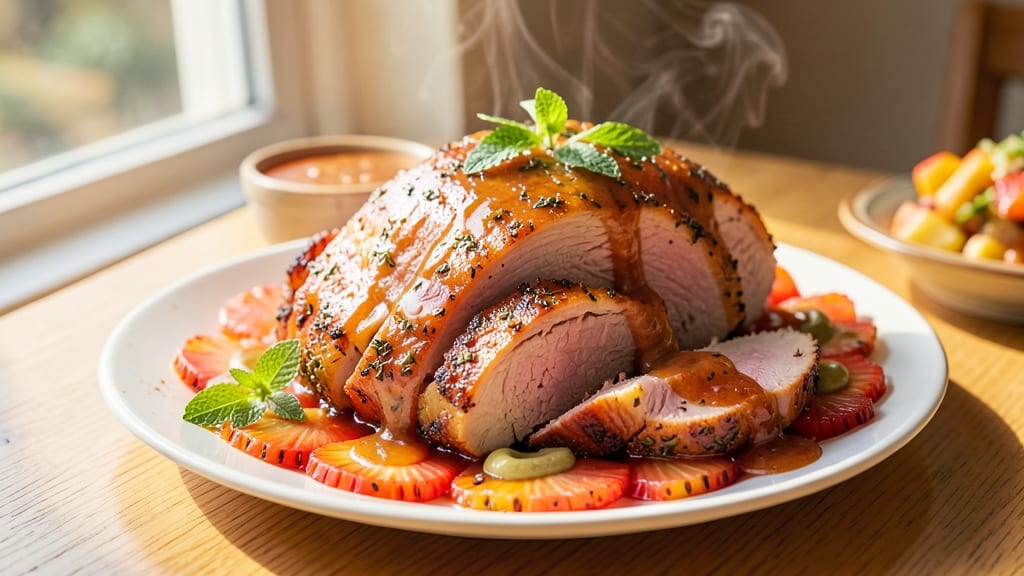
This pineapple sauce transforms ordinary baked ham into a showstopper with its caramelized edges and sweet-tangy glaze. The secret lies in balancing pineapple juice, brown sugar, and vinegar for a sauce that's rich enough to coat every slice yet bright enough to cut through the ham's richness.
I've perfected this recipe over years of holiday feasts, where it consistently earns compliments for its depth of flavor and effortless elegance.
The sauce begins with a simple simmer of pineapple juice, sugar, and vinegar, which develops into a glossy, syrupy consistency perfect for brushing onto ham. A touch of cinnamon and cloves adds warmth, while a splash of mustard introduces subtle tanginess that prevents the sauce from becoming cloying.
The real magic happens when you brush it onto the ham during the final hour of baking—it caramelizes beautifully, creating those coveted sticky, golden edges that everyone reaches for first.
What makes this sauce truly special is its versatility. It reheats beautifully for serving over rice or as a dipping sauce for the ham, and it stores well in the refrigerator for up to two weeks.
The balance of sweetness and acidity ensures it complements the ham without overpowering it, while the caramelized edges add a gourmet touch that elevates even the simplest holiday spread. This isn't just a sauce—it's the centerpiece of your meal.
Whether you're hosting a large gathering or simply treating yourself to a special meal, this pineapple sauce delivers restaurant-quality results with minimal effort. The ingredients are simple, the process straightforward, and the outcome undeniably impressive.
Let's get started on creating this tropical glaze that will make your baked ham the star of the table.
Ingredients for pineapple sauce for baked ham
Seven simple ingredients transform your ham into a showstopper with caramelized edges and tropical brightness.
| Ingredient | Amount | Notes |
|---|---|---|
| Pineapple Juice 🍍 | 1 cup | Freshly squeezed preferred |
| Light Brown Sugar 🍚 | ¾ cup | Packed firmly for accuracy |
| White Vinegar 💧 | ¼ cup | Distilled vinegar works too |
| Dijon Mustard 🍯 | 1 tbsp | For that subtle tang |
| Ground Cinnamon 🌿 | ½ tsp | Freshly ground for warmth |
| Ground Cloves 🌶️ | ¼ tsp | Whole cloves work too |
| Salt 🧂 | ½ tsp | Kosher or sea salt |
| Unsalted Butter 🧈 | 2 tbsp | Full-fat for richness |
| Fresh Pineapple Chunks 🍍 | ½ cup | Optional for texture |
The pineapple juice is non-negotiable—canned works, but fresh is a game-changer (look for it at Trader Joe's or Latin markets). Brown sugar should be light for that perfect caramel balance, and Whole Foods usually has it packed for easy measuring. The Dijon mustard adds depth, so don't skip it—Maille is my go-to, but any good-quality brand does the trick. For the spices, Penzeys sells pre-ground blends, but if you're using whole cloves, toast them first for extra aroma. The butter? Full-fat only—it's what gives the sauce that luxurious finish when caramelized.
No pineapple juice? Crushed pineapple (drained well) works in a pinch, but it's thinner and less flavorful. Swap the vinegar for apple cider vinegar if you prefer a fruitier tang. Short on cloves? Nutmeg at half the amount gives warmth without overpowering. The mustard can be skipped, but you'll miss that perfect balance of sweet and tang. For a smoother sauce, strain out the pineapple chunks before brushing—though I love the little bursts of texture they add. If your sauce thickens too much, just thin it with a splash of water or extra pineapple juice while brushing the ham.
This sauce keeps beautifully—up to 2 weeks in the fridge, sealed in an airtight container. For the best results, reheat gently in a saucepan with a splash of water to loosen it up. Freezes for up to 3 months, though the texture might change slightly. I always make extra—it reheats perfectly for serving over rice or as a dipping sauce for the ham. The caramelized edges? That's the magic of brushing it on during the final hour of baking. Trust me, it's worth the extra minute.
Why You'll Love This Recipe
- Five-Ingredient Magic: I swear by this combo—just heat, stir, and simmer. No peeling, no dicing, no fuss. That brown sugar caramelizes into something rich while the vinegar cuts through the sweetness, and suddenly, your ham isn’t just glazed—it’s transformed.
- Sweet-Tart Balance: The pineapple juice brings that bright, tangy punch, but the cinnamon and Dijon mustard ground it into something sophisticated. It’s not cloying, not overpowering—just ridiculously good on every bite, like a grown-up version of your favorite holiday memory.
- Holiday Hero: This sauce turns a basic ham into the centerpiece of Thanksgiving, Christmas, or even a random Sunday dinner. It’s the kind of dish that makes you feel like you’ve put in effort, even when you’re just stirring a pot. (Between us, it’s my secret weapon for potlucks.)
- Leftovers? No Problem: Make a double batch—it keeps for weeks in the fridge and freezes like a dream. Slather it on sandwiches, drizzle it over rice, or just eat it straight from the jar. Honestly, I’ve been known to do all three.
Step-by-step instructions for tropical pineapple glaze
This sauce transforms ordinary baked ham into a showstopper with its caramelized edges and tangy-sweet flavor.
Combine Wet Ingredients in a Saucepan
In a medium saucepan, whisk together the 1 cup pineapple juice, 0.75 cup light brown sugar, and 0.25 cup white vinegar. I like to use a whisk for this step to dissolve the sugar completely—you should see it fully incorporated with no graininess remaining. Place the pan over medium heat and bring the mixture to a gentle boil, stirring occasionally to prevent scorching.
Here's the thing—this initial boiling helps drive off some of the raw vinegar sharpness while concentrating the flavors. You'll notice the mixture will start to bubble vigorously, but don't walk away. The sugar will begin to caramelize at the edges, which is exactly what we want for that rich glaze texture. Let it boil for about 5 minutes, stirring every minute or so to distribute the heat evenly.
Add Spices and Mustard for Depth
Once the mixture reaches a steady boil, reduce the heat to medium-low and stir in the 1 tablespoon Dijon mustard, 0.5 teaspoon ground cinnamon, 0.25 teaspoon ground cloves, and 0.5 teaspoon salt. The spices will infuse their warm, aromatic qualities into the sauce, creating that signature tropical-holiday flavor profile.
Let the sauce simmer for 8-10 minutes, stirring frequently. You'll see the color deepen from a pale yellow to a rich amber hue, and the scent will become irresistibly spicy-sweet. This is where the magic happens—the spices bloom and the sugar continues to caramelize. If you notice the sauce thickening too much before it smells fully developed, add 1-2 tablespoons of water to keep it pourable but still thick enough to cling to the ham.
Incorporate Butter and Pineapple Chunks
After the spices have had time to infuse, remove the pan from heat and let it cool slightly for 2 minutes. This prevents the butter from seizing when added. Cut the 2 tablespoons unsalted butter into small pieces and stir them in one at a time, allowing each addition to melt completely before adding the next. The butter adds richness that balances the tangy-sweet profile.
Finally, fold in the 0.5 cup fresh pineapple chunks using a silicone spatula. These add a pleasant texture contrast and bursts of fresh pineapple flavor that cut through the caramelized sweetness. If you're using frozen pineapple, thaw it first and pat it dry to prevent the sauce from becoming watery. The chunks should be evenly distributed throughout the sauce—this ensures every bite of your ham gets that tropical touch.
Simmer and Thicken to Glaze Consistency
Return the sauce to medium-low heat and let it simmer for another 5-7 minutes, stirring occasionally. You're looking for a consistency that's thick enough to coat the back of a spoon but still flows smoothly enough to glaze the ham. The sauce should coat the ham beautifully without dripping off—this is the perfect glaze texture.
Taste and adjust the seasoning if needed. You might want to add a pinch more salt or a splash of pineapple juice to balance the flavors. Once you're satisfied with the consistency and taste, remove the pan from heat and let the sauce cool slightly before using. This sauce tastes even better after resting for 10 minutes, as the flavors meld together more fully. Now your ham is ready for that gorgeous, caramelized finish!
Pro Tips For Making Pineapple Sauce For Baked Ham
- Simmer Slow and Low: I learned this the hard way—boiling pineapple sauce too fast turns it into syrup. Keep the heat at a gentle simmer (just small bubbles breaking the surface) to let the flavors meld without burning the sugar or making it cloyingly sweet.
- Strain the Mustard: Dijon mustard clumps like a stubborn guest at a party if you don’t handle it right. Whisk it into the warm (not boiling) liquid first, then strain the sauce through a fine-mesh sieve to keep it silky smooth—no gritty surprises when you drizzle.
- Balance the Vinegar: Too much white vinegar and your sauce tastes like a science experiment gone wrong. Start with just 1 tablespoon, taste as you go, and add more only if the sweetness feels overwhelming—you can always adjust, but you can’t un-vinegar it.
- Toast the Cinnamon: Skip the ground cinnamon straight from the jar—it’s too mild. Lightly toast a whole cinnamon stick (or ½ teaspoon ground) in a dry pan for 30 seconds until fragrant, then grind it yourself. The warmth deepens the flavor and cuts through the pineapple’s tartness better than store-bought powder ever will.
Wine and beer pairings for this recipe
Sweet White Wine
For this tropical pineapple sauce, I always reach for a dry Riesling from Germany or Austria—its crisp acidity and subtle honeyed notes mirror the sauce's bright sweetness while cutting through the ham's richness. A Pinot Grigio from Italy also works beautifully, especially if you prefer a lighter, more citrus-forward profile.
Avoid anything too sweet like Moscato, as it will clash with the caramelized edges of the ham. 🍷
Crisp Lager Beer
A Mexican lager like Modelo Especial or Pacifico pairs perfectly with this dish. The clean, slightly malty profile complements the pineapple's tang without overpowering it. For a domestic option, try a crisp American lager like Budweiser or Miller Lite—their light body won't interfere with the sauce's caramelized depth.
The carbonation also helps cleanse your palate between bites of ham.
Spiced Rum Cocktail
If you're feeling festive, a dark rum punch made with Captain Morgan spiced rum, pineapple juice, and a splash of lime juice elevates the experience. The rum's warm, caramelized notes harmonize with the sauce, while the lime adds a refreshing zing.
Serve it chilled in a hurricane glass for that tropical vibe. For a non-alcoholic twist, use spiced apple cider instead—it still delivers warmth and depth.
Herbal Tea Pairing
For a sophisticated non-alcoholic option, hibiscus tea (also called Mexican punch) is a fantastic match. Its tart, cranberry-like flavor complements the pineapple sauce beautifully. Brew it with a touch of cinnamon stick and a slice of orange for extra warmth.
Serve it chilled or warm, depending on your preference—it's a crowd-pleaser that adds a festive touch to your meal.
Dessert Wine Bonus
Save a glass of Moscato d'Asti for dessert—its effervescent sweetness balances the richness of the ham and sauce. The bubbles and light fruitiness make it a refreshing palate cleanser. If you prefer red, a light Pinot Noir from Oregon offers earthy notes that pair surprisingly well with the tropical flavors.
Just avoid heavy, oaky wines—they'll overpower the delicate balance of this dish.
Nutrition facts
Frequently asked questions about pineapple glaze for ham
Can I make this pineapple sauce ahead of time?
This sauce actually tastes better when made a day ahead. Store it in an airtight container in the fridge for up to 2 weeks. The flavors meld beautifully, and it reheats perfectly—just warm it gently in a saucepan with a splash of water or pineapple juice to restore its glossy consistency.
How do I prevent the sauce from getting too thick?
If your sauce thickens too much while simmering, simply add 1-2 tablespoons of water or pineapple juice to loosen it. The ideal consistency should coat the back of a spoon but still flow smoothly enough to glaze the ham. For extra insurance, stir occasionally while simmering to prevent sticking.
Can I use canned pineapple juice instead of fresh?
Yes, but fresh pineapple juice delivers superior flavor. If using canned, choose 100% pineapple juice with no added sugar. For extra depth, add 1/4 teaspoon of grated fresh ginger or a pinch of alaea powder to mimic fresh pineapple's complexity. The texture will be slightly thinner, but it still works beautifully.
What's the best way to store leftover sauce?
Transfer cooled sauce to an airtight container and refrigerate for up to 2 weeks. For longer storage, freeze in ice cube trays or small portions—thaw overnight in the fridge before reheating. The sauce reheats beautifully for serving over rice, as a dipping sauce, or even as a glaze for grilled chicken.
Can I make this sauce without cloves?
Yes! If you don't have cloves, substitute with 1/8 teaspoon ground nutmeg or 1/4 teaspoon cinnamon for warmth. For a different twist, add 1/4 teaspoon of ground ginger to enhance the tropical flavors. The key is maintaining that warm, spiced profile that balances the sweet-tangy glaze.