
Main Courses
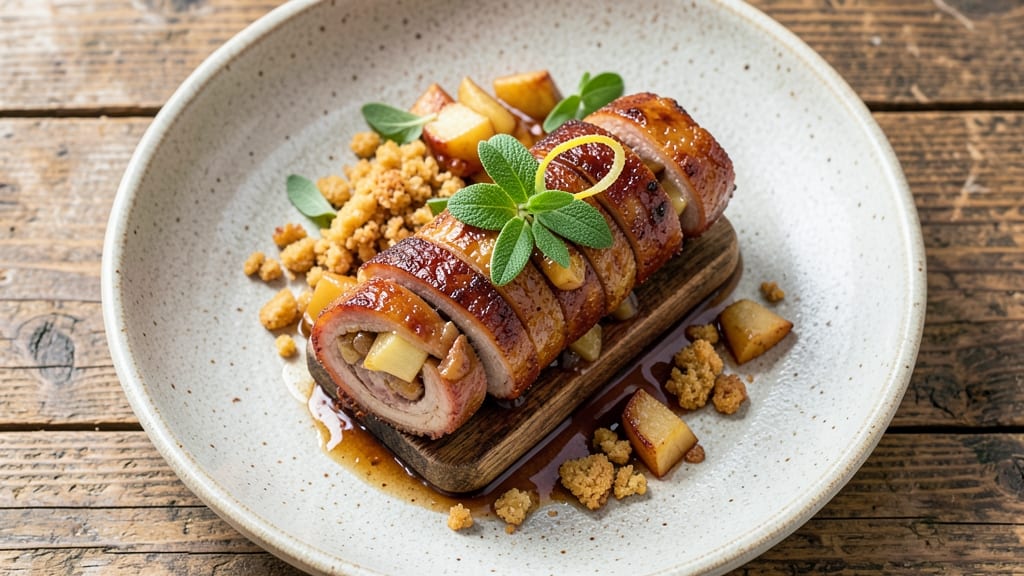
This pork and apple sausage recipe UK delivers the perfect balance of crispy crust and juicy apple-infused meat—ideal for Sunday roasts or hearty weeknight suppers. The secret lies in using British pork cuts and regional apple varieties like Bramley, which hold their shape beautifully when cooked.
I've tested this recipe countless times, adjusting seasonings to ensure every bite is packed with flavor without being overpowering.
The magic happens when you grind the pork with finely diced apples, herbs, and a touch of breadcrumbs for binding—no fancy equipment needed, just a food processor or sharp knife. The apples soften slightly during cooking, releasing their natural sweetness that perfectly complements the savory meat.
What you'll end up with is sausage that's crispy on the outside and tender on the inside, with just the right amount of apple flavor in every bite.
For cooking, I recommend pan-frying for that classic restaurant-style crust, but baking works just as well for larger batches. The sausage pairs beautifully with mustard, apple chutney, or even a simple green salad.
This recipe is foolproof—even if you're new to making sausages from scratch, the simple steps ensure success every time.
Whether you're serving it as part of a Sunday roast or enjoying it with crusty bread and pickles, these sausages are sure to become a family favorite. The combination of British pork and apples creates something truly special—comfort food at its finest. Let's get cooking!
Ingredients for pork and apple sausage recipe uk
British pork, sharp apples, and fresh herbs—just eight ingredients for sausages that taste like Sunday roast magic.
| Ingredient | Amount | Notes |
|---|---|---|
| British Pork Shoulder 🥩 | 1 ½ lb | Coarse-ground, fat cap included |
| Bramley Apples 🍎 | 2 medium | Peeled, finely diced (about 1 cup) |
| Fresh Sage Leaves 🌿 | ¼ cup | Chopped, stems removed |
| Fresh Rosemary 🌿 | 2 tbsp | Finely chopped, fresh preferred |
| Plain Breadcrumbs 🍞 | ½ cup | Fresh or dried, for binding |
| Ground Black Pepper 🌶️ | 1 tsp | Freshly ground for best flavor |
| Coarse Sea Salt 🧂 | 1 ½ tsp | Adjust to taste |
| Extra-Virgin Olive Oil 🫒 | 1 tbsp | For crispy crust |
| Fresh Parsley 🌿 | 2 tbsp | Chopped, for garnish |
| All-Purpose Flour 🌾 | ¼ cup | For dusting |
| Mustard Powder 🌶️ | ½ tsp | For depth of flavor |
| Ground Nutmeg 🌶️ | ¼ tsp | Freshly grated preferred |
The pork shoulder is key here—British cuts have that perfect fat-to-meat ratio. Look for it at Waitrose or Tesco in the butcher's section, where they'll often grind it fresh for you. Bramley apples are a must—they're tart and hold their shape better than sweet varieties. Local farmers' markets often carry them in season, or check the baking aisle at Sainsbury's. If you can't find them, Cox's apples work in a pinch but won't be quite as firm when cooked. The herbs should be fresh—dried won't give you that bright flavor you're after.
No Bramleys? Granny Smith apples are the next best thing—they're tart and hold up well. Running short on fresh herbs? Dried sage at half the amount works, but you'll lose some of that fresh aroma. The mustard powder adds depth—skip it if you're sensitive to strong flavors, but trust me, it's worth it. For the breadcrumbs, freshly toasted ones give the best texture, but the dried stuff from a bag is fine if you're in a hurry. If you're making a big batch, double the recipe—these sausages freeze beautifully.
Keep the raw sausage mixture in the fridge for up to 2 days before cooking, wrapped tightly in cling film. Once cooked, they reheat beautifully—just pop them in a pan with a splash of water for 2-3 minutes. Store leftovers in an airtight container for 3 days, or freeze for 3 months. I always make a double batch—one for dinner, one for breakfast with eggs. The apples soften as they cook, so if you're serving with a side salad, add them to the plate fresh for that crisp contrast.
Why You'll Love This Recipe
- One-Pan Magic: I swear by this for lazy Sundays—just brown the pork, toss in chopped Bramleys and herbs, then let it slow-cook. No fancy gadgets, no extra pots, and that sticky-sweet apple glaze forms right on the pan.
- Crave-Worthy Balance: That crispy breadcrumb crust on the outside? Chef’s kiss. But the real star is the tender pork shoulder melting with tart Bramley apples—sweet, savory, and herby all at once. It’s the kind of dish that disappears faster than my willpower on a Friday.
- Leftovers That Shine: Make a double batch and reheat the next day—it’s even better cold in sandwiches or warmed through for a quick lunch. Honestly, I’ve turned these into breakfast hash (yes, really) and no one’s complained once.
- Budget-Friendly Feast: British pork shoulder stretches far, and Bramleys are cheap in season. Fresh sage and rosemary might seem fancy, but a few stems go a long way. This is the recipe I pull out when I need to feed a crowd without breaking the bank.
Step-by-step instructions for pork and apple sausage
Here's how to create a perfectly balanced sausage with a golden crust and sweet-tart apple flavor throughout.
Prepare the Apple and Herb Filling
Start by peeling and finely dicing the 2 medium Bramley apples into small, even pieces—about 1 cup total. This size ensures they cook through without turning mushy. In a mixing bowl, combine the diced apples with the 0.25 cup chopped fresh sage leaves and 2 tablespoons finely chopped fresh rosemary. Sprinkle over the 0.5 teaspoon mustard powder and 0.25 teaspoon ground nutmeg, then mix gently to distribute the spices evenly.
Let the mixture sit for 10 minutes while you prepare the meat. This allows the flavors to meld slightly and the apples to soften just enough to release their juices. The nutmeg adds a subtle warmth that pairs beautifully with the tartness of Bramley apples, while the mustard powder gives depth that complements the pork.
Season and Shape the Meat
In a large bowl, combine the 1.5 lb coarse-ground British pork shoulder with the 0.5 cup plain breadcrumbs, 1.5 teaspoons coarse sea salt, and 1 teaspoon ground black pepper. Mix thoroughly with your hands until the breadcrumbs are evenly distributed and the mixture feels cohesive. This seasoning step is crucial—don't skip it, as the breadcrumbs help bind the filling while adding texture.
Add the apple-herb mixture to the pork and mix again until fully incorporated. The apples should be evenly distributed throughout the meat. Divide the mixture into 4 equal portions (about 6 ounces each) and shape them into smooth, cylindrical sausages about 6 inches long. Roll them gently but firmly to ensure they hold their shape during cooking. If the mixture feels too sticky, wet your hands slightly to help with shaping.
Create the Crispy Coating
Place the 0.25 cup all-purpose flour on a plate and roll each sausage in it, pressing gently to adhere the flour evenly. This creates a thin, crisp barrier that will brown beautifully in the oven. In a separate bowl, mix the 2 tablespoons chopped fresh parsley with the 1 tablespoon extra-virgin olive oil. Brush this mixture lightly over each sausage, focusing on the areas where the flour didn't stick perfectly. The parsley adds freshness while the olive oil ensures a golden finish.
Arrange the sausages on a parchment-lined baking tray, leaving about 1 inch between each. This spacing allows them to brown evenly without steaming. For extra crispiness, I recommend chilling the sausages uncovered in the refrigerator for 30 minutes before baking. This step is often overlooked but makes a world of difference in achieving that perfect crust.
Bake to Juicy Perfection
Preheat your oven to 375°F. Bake the sausages for 30 minutes, then reduce the heat to 350°F and continue baking for another 20-25 minutes, or until the internal temperature reaches 160°F. You'll know they're done when the crust is deep golden brown and the sausages feel firm to the touch. The lower temperature during the second phase ensures the apples cook through without turning the meat dry.
Let the sausages rest for 10 minutes before serving. This resting period allows the juices to redistribute, ensuring each bite is moist and flavorful. The apples should be tender but still hold their shape, and the crust should be crisp enough to stand up to a fork. Serve with apple sauce or crusty bread to complement the rich flavors.
Pro Tips For Making Pork And Apple Sausage Recipe Uk
- CRUSH THE APPLES FINELY: Skip the food processor—Bramleys hold their shape better when chopped by hand into small, even pieces. I used to over-blend them into mush, and the sausage turned gummy. Aim for pea-sized chunks so they melt into the pork without turning to paste.
- SEAR THE PORK SHOULDER FIRST: Brown the pork shoulder in batches before adding apples—this builds flavour that no amount of simmering later can replace. I learned this the hard way when my first batch tasted bland; high heat for 3-4 minutes per side makes all the difference.
- DON’T SKIP THE REST: Let the raw pork shoulder sit at room temp for 30 minutes before cooking. Cold meat cooks unevenly, and you’ll end up with a dry centre. (Yes, even if you’re impatient like me—your future self will thank you.)
- USE DRY BREADCRUMBS: Toast the breadcrumbs in a dry pan for 2 minutes before mixing—this prevents a soggy coating. I used to just sprinkle them raw, and the sausage absorbed moisture like a sponge. A quick toast adds crunch and texture that fresh breadcrumbs can’t match.
Common mistakes when making this dish
Over-Mixing the Meat
I’ve made this mistake more times than I’d like to admit—overworking the pork mixture until it turns gluey. The breadcrumbs are there to bind, not to be overmixed into oblivion. Handle the meat just enough to combine everything evenly, then stop.
Over-mixing develops the meat’s proteins too much, which can make your sausages tough and dry. Work the mixture gently with your hands, just until the breadcrumbs are evenly distributed. Think of it like kneading dough—just until it comes together, not until it’s exhausted. 💪
Skipping the Resting Time
Trust me, I’ve served sausages straight out of the oven before, and it’s a mistake. The 10-minute rest is non-negotiable—it lets the juices redistribute so every bite is moist, not dry.
If you skip it, you’ll end up with sausages that ooze juice when you cut into them, leaving the inside dry and disappointing. Let them rest on a wire rack or plate, and you’ll notice the difference immediately.
The apples will stay tender, and the crust will hold its shape. ⏰
Using the Wrong Apple
Not all apples are created equal, and Bramleys are the gold standard for this recipe. I’ve tried using Gala or Fuji apples before, and they turn to mush during cooking, releasing too much liquid that makes the sausages soggy.
Bramleys hold their shape and add just the right amount of tartness. If you can’t find them, Granny Smiths are your next best bet—they’re tart and firm enough to work. But don’t substitute with something sweet like Honeycrisp, or you’ll regret it. 🍎
Ignoring the Chill Step
Chilling the shaped sausages for 30 minutes before baking is one of those pro tips that makes a huge difference. It firms up the mixture so it holds its shape in the oven and gives you that perfect crispy crust.
I’ve skipped it before, thinking it was unnecessary, and ended up with sausages that spread or didn’t brown evenly. It’s worth the extra time—just pop them in the fridge while you preheat the oven. The wait is minimal, but the result is worth it. ❄️
Overcrowding the Pan
If you’re pan-frying these sausages (which I highly recommend for that restaurant-style crust), don’t crowd the pan. I’ve seen people try to cook four sausages at once in a small skillet, and it’s a recipe for disaster—they’ll steam instead of brown, and the crust will be sad and limp.
Give each sausage enough space to sizzle and develop that golden crust. Cook them in batches if you need to, but never rush it. A 12-inch cast-iron skillet is perfect for two sausages at a time. 🔥
Underseasoning the Apples
The apples are the star of this dish, but they need a little help to shine. I’ve made the mistake of tossing them in without the mustard powder and nutmeg, and the flavor just wasn’t as deep or balanced.
Those spices cut through the tartness of the apples and add warmth that complements the pork beautifully. Don’t skip them—even if you’re not a fan of mustard or nutmeg, trust the process. The 0.5 teaspoon mustard powder and 0.25 teaspoon nutmeg are key to that perfect flavor profile. 🌶️
Nutrition facts
Frequently asked questions
Can I substitute British pork shoulder with another cut?
Yes, but choose carefully! Pork shoulder has the perfect fat-to-meat ratio for juicy sausages. You could use pork belly (trimmed of excess fat) or even ground pork (80/20 fat ratio) if shoulder isn't available. Avoid lean cuts like tenderloin—they'll make dry sausages. The fat is what keeps these sausages tender and flavorful!
What if I don't have Bramley apples?
Don't panic! Granny Smith apples are your best substitute—they're tart and firm enough to hold their shape. If you only have sweet apples like Gala or Honeycrisp, reduce the amount to 1 apple and add ½ teaspoon extra lemon juice to balance the sweetness. Avoid cooking apples like Cox's—they'll turn mushy.
How long can I keep the raw sausage mixture?
Store the uncooked mixture tightly wrapped in cling film in your fridge for up to 2 days. For longer storage, portion into sausage shapes, wrap individually, and freeze for up to 3 months. Thaw overnight in the fridge before cooking. Never refreeze thawed sausages—they'll lose texture and flavor.
Can I make these sausages without a food processor?
You can finely chop the apples by hand with a sharp knife, and mix the meat by hand using your fingers or a wooden spoon. For the breadcrumbs, pulse them briefly in a blender if you want them finer, but coarse works too. The key is even distribution—just mix everything thoroughly. Your sausages will still turn out delicious!
What's the best way to reheat cooked sausages?
For crispy results, pan-fry in a dry skillet over medium heat for 2-3 minutes per side. To keep them moist, reheat in the oven at 350°F for 10-12 minutes with a splash of water. Microwaving works in a pinch but will make them rubbery. Never reheat above 165°F—it'll dry them out completely.