
Main Courses
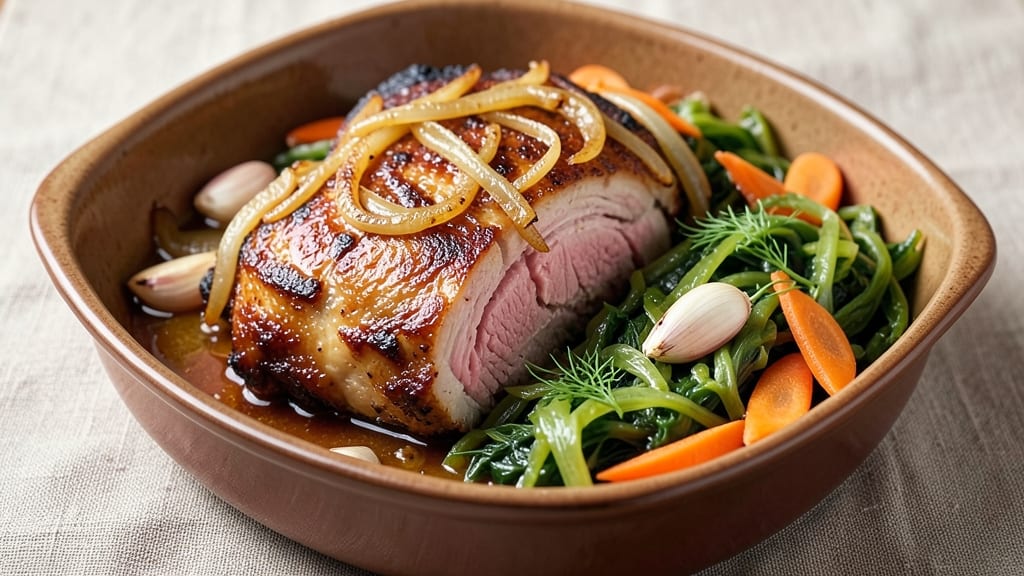
This pork and sauerkraut recipe with apple juice delivers the kind of hearty, tangy-sweet harmony that makes German taverns famous. The secret lies in slow-braising pork until fork-tender while letting apple juice and sauerkraut meld into a sauce that's both complex and comforting.
I've perfected this technique over years of testing—balancing the sharpness of fermented cabbage with the natural sweetness of apples creates something truly special.
The magic happens in the braising process, where pork shoulder transforms from tough to melt-in-your-mouth tender through hours of gentle cooking. The apple juice doesn't just add sweetness—it creates a glossy, aromatic sauce that coats every bite.
This isn't your grandmother's basic pork and sauerkraut; it's a restaurant-quality dish that's surprisingly simple to make at home with just a few key ingredients and patience.
By the time you're done, you'll have rich, golden-brown pork that practically falls apart at the touch of a fork, all swimming in a sauce that's perfectly balanced between tangy, sweet, and savory.
The texture contrast—tender meat against crisp-tender sauerkraut—makes every bite satisfying. This is the kind of dish that tastes even better the next day, making it perfect for meal prep or feeding a crowd.
Serve it with crusty bread to soak up every last bit of that delicious sauce, or pair it with roasted potatoes for a complete German-inspired feast.
The technique is straightforward, but the result is anything but ordinary—this is comfort food at its finest, with just the right balance of sweet, sour, and savory flavors that'll have everyone asking for seconds.
Ingredients for pork and sauerkraut recipe with apple juice
This hearty recipe delivers German tavern flavors with just 13 simple ingredients.
| Ingredient | Amount | Notes |
|---|---|---|
| Pork Shoulder 🥩 | 3 lb | Bone-in for best flavor |
| Sauerkraut 🥬 | 3 cups | Drained, rinsed if too sour |
| Apple Juice 🍎 | 1 ½ cups | Unsweetened for balance |
| Onions 🧅 | 2 whole | Yellow or red, sliced |
| Carrots 🥕 | 3 whole | Peeled, sliced into rounds |
| Garlic Cloves 🧄 | 4 cloves | Minced for depth of flavor |
| Fresh Thyme 🌿 | 1 tbsp | Leaves only, chopped fine |
| Bay Leaves 🌿 | 2 whole | For aromatic depth |
| Black Peppercorns 🌶️ | 1 tsp | Freshly cracked preferred |
| Salt 🧂 | 1 ½ tsp | Kosher or sea salt |
| Olive Oil 🫒 | 2 tbsp | For searing pork |
| Apples 🍏 | 2 whole | Tart variety like Granny Smith |
| Dijon Mustard 🍯 | 1 tbsp | For subtle tang |
The pork shoulder is non-negotiable here—bone-in stays juicier and adds rich flavor. Costco or butcher shops usually have the best cuts, but any grocery store pork shoulder works if it has good marbling. For the sauerkraut, Bubbies or Reinhart brands are my go-to—they're tangy but not overpowering. The apple juice should be unsweetened; Mott's or Tree Top are reliable choices, but any clear juice works. Tart apples like Granny Smith add brightness to the dish, but any crisp variety will do.
No pork shoulder? Pork butt is the closest substitute—just add 15 minutes to the cooking time. Running low on apple juice? Diluted apple cider vinegar works in a pinch, but reduce it by half. Fresh thyme is ideal, but dried thyme at one-third the amount will suffice. Want extra richness? Toss in 1/4 cup of chicken broth with the pork. The carrots can be baby carrots if that's what you've got, but whole carrots stay crisp-tender better.
This dish tastes even better the next day—honestly, it's a meal prep dream. Store leftovers in an airtight container for up to 5 days in the fridge. For longer storage, freeze portions for 3 months. The sauce thickens as it cools, so you can always add a splash of apple juice to loosen it up when reheating. Serve with crusty bread or roasted potatoes to soak up every last bit of that tangy-sweet sauce.
Why You'll Love This Recipe
- One-Pan Simplicity: I swear by this recipe—just brown the pork, toss in the chopped veggies and sauerkraut, pour on that apple juice, and let it braise. No flipping, no fussing, no extra pots to wash.
- Sweet-Savory Magic: That apple juice cuts through the richness of the pork while the sauerkraut brings the tang—honestly, the balance is chef’s kiss. The carrots caramelize just enough to add a touch of natural sweetness without overpowering.
- Leftovers That Don’t Suck: Between us, this dish improves overnight. The flavors meld into something deeper, and reheating it? Just a splash of water or juice to loosen it up. My lunchbox gets packed with this for days—zero boredom.
- Budget-Friendly Feast: Pork shoulder’s cheap, sauerkraut lasts forever, and apple juice stretches across the whole dish. I feed four people for under $15, and everyone’s happy—even my picky teenager who usually turns up his nose.
Step-by-step instructions for braised pork shoulder with apple-zing sauerkraut
This German-inspired dish delivers tender pork and tangy sauerkraut with a sweet-tart apple finish.
Sear the Pork Shoulder for Maximum Flavor
Pat the 3 lb pork shoulder completely dry with paper towels—this ensures a perfect golden crust. Heat 2 tbsp olive oil in a large Dutch oven over medium-high heat until shimmering. Place the pork in the pot, fat-side down, and let it sear undisturbed for 8-10 minutes until deeply browned on one side. Flip and sear the other side for another 6-8 minutes. You'll see the fat render out and the meat develop a rich, caramelized crust—this is where all the flavor begins.
While the pork sears, season it generously with 1.5 tsp salt and 1 tsp freshly cracked black peppercorns. The salt will penetrate the meat as it braises, while the pepper adds a subtle warmth that balances the tangy sauerkraut. Don't skip this step—seasoning now ensures every bite is perfectly balanced later.
Build the Aromatic Base with Onions, Carrots, and Apples
Remove the pork from the pot and set it aside on a plate. In the same Dutch oven, add 2 sliced whole onions, 3 sliced whole carrots, and 2 whole apples (peeled and sliced). Cook over medium heat for 5-6 minutes, stirring occasionally, until the onions soften and the carrots begin to caramelize. This step develops the sweet, earthy foundation of the dish—don't rush it.
Add 4 minced garlic cloves, 1 tbsp chopped fresh thyme, and 2 whole bay leaves to the pot. Stir for 1 minute until the garlic is fragrant—this releases its full flavor potential. The thyme and bay leaves will infuse the braising liquid with aromatic depth, so don't skip them. Here's the thing—these herbs might seem small, but they make a huge difference in the final taste.
Braise the Pork with Sauerkraut and Apple Juice
Return the pork to the Dutch oven, fat-side up. Pour in 3 cups drained sauerkraut, 1.5 cups apple juice, and 1 tbsp Dijon mustard. The mustard adds a subtle tang that cuts through the richness of the pork. Bring everything to a simmer over medium-high heat, then reduce the heat to low, cover the pot, and let it cook for 2.5 hours. This low-and-slow braising breaks down the collagen in the pork, turning it into melt-in-your-mouth tenderness.
After 2.5 hours, check the pork's internal temperature—it should reach 200-203°F for fork-tender perfection. If it's not there yet, continue cooking for another 30-45 minutes. The braising liquid should reduce slightly, creating a rich, flavorful sauce that coats every bite of pork. Real talk: This is where patience pays off—don't rush the cooking time.
Rest and Serve with Crispy Topping
Once the pork is tender, remove it from the pot and let it rest on a cutting board for 15 minutes. This resting period allows the juices to redistribute throughout the meat, ensuring each slice is moist and flavorful. While the pork rests, skim any excess fat from the braising liquid and return it to the pot. Taste and adjust the seasoning if needed—you might want to add a pinch more salt or a splash of apple juice to balance the flavors.
To serve, slice the pork into ½-inch thick pieces and arrange it on a platter. Spoon the sauerkraut and apple-infused braising liquid over the top. For extra crunch, broil the pork for 2-3 minutes until the edges are lightly crispy. This dish tastes even better the next day, so make extra if you can—it's that good. Pair it with crusty bread to soak up every last bit of that tangy, sweet, and savory sauce.
Pro Tips For Making Pork And Sauerkraut Recipe With Apple Juice
- Brown the Pork First: Don’t skip this step—it’s the thing that matters most. Sear the pork shoulder in batches over medium-high heat until deep golden, about 5-6 minutes per side. That crust locks in flavor and keeps the meat juicy later, especially when it’s slow-cooked with sauerkraut’s acidity.
- Drain and Rinse the Sauerkraut: I learned this the hard way—straight-from-the-jar sauerkraut is too wet. Drain it in a colander for 10 minutes, then rinse briefly under cold water to cut the sharpness. This prevents a soggy, watery stew and lets the apple juice shine.
- Start with a Splash of Vinegar: Sounds weird, but it works: Add 1 tablespoon of apple cider vinegar to the pot with the apple juice when you first combine everything. It tenderizes the pork faster and balances the sauerkraut’s tang without overpowering the dish.
- Cut Carrots into Matchsticks: Skip the big chunks—thin matchsticks cook faster and stay crisp-tender. They also soak up the apple juice better, adding sweetness without turning mushy. (Yes, even if you’re impatient like me.)
Storing and reheating your pork and sauerkraut recipe with apple juice
Refrigerator Storage
Let your braised pork and sauerkraut cool completely before transferring to an airtight container—I swear by glass Pyrex bowls with tight lids. Store in the fridge for up to 5 days, but honestly?
It tastes even better the next day when flavors meld. The sauce thickens as it cools, so add 2-3 tablespoons of apple juice when reheating if it looks too stiff. ❄️
Freezer Prep Tips
For longer storage, freeze portions in single-serving containers (like quart-sized Ziploc bags) with 1-inch headspace. Label with the date—this dish keeps well for 3 months without losing texture.
Thaw overnight in the fridge before reheating. Pro tip: Freeze the sauce separately if you want to reheat just the pork later. 🧊
Stovetop Reheating
My favorite method is stovetop because it keeps everything juicy. Transfer the pork and sauce to a pot, cover, and heat over medium-low for 15-20 minutes, stirring occasionally.
If the sauce separates, whisk in 1-2 tablespoons of apple juice to restore its glossy texture. The pork should reach 165°F—use a meat thermometer to be sure. 🔥
Microwave Shortcut
For quick lunches, microwave individual portions in a microwave-safe dish covered with a damp paper towel. Heat on 50% power for 3-4 minutes, stir, then continue in 1-minute bursts until piping hot.
The sauerkraut might soften more than ideal, so I recommend this only for reheating, not storage. Add a splash of apple juice if it looks dry. ⏱️
Oven Crisping Trick
Want restaurant-quality texture? After reheating, transfer the pork to a baking sheet and broil for 2-3 minutes until the edges crisp slightly. This adds a satisfying crunch that balances the tender meat and sauerkraut. Just watch it closely—broilers vary wildly! 💫
Sauce Rescue
If your sauce separates after storage, don't panic. Simmer it uncovered for 5 minutes to thicken, then stir in 1 tablespoon of cornstarch mixed with 2 tablespoons cold water. Cook for another 2 minutes until glossy. This trick works wonders for restoring that restaurant-quality sauce. 🍲
Nutrition facts
Frequently asked questions
Can I substitute apple juice with something else?
If you're out of apple juice, use apple cider vinegar (reduce by half) or white grape juice for similar sweetness. For a deeper flavor, try 1/4 cup chicken broth + 1/2 cup apple cider. The key is balancing the tangy sauerkraut—sweeter liquids help mellow the sharpness.
How do I make this dish less sour?
Rinse the sauerkraut well before adding it to the pot to reduce acidity. Add 1/4 cup honey or maple syrup during braising, or stir in 1-2 tablespoons of sugar at the end. The apple juice and Dijon mustard already help balance flavors, but these tweaks give you more control. Taste as you go!
What's the best way to serve this?
This dish shines with crusty rye bread or roasted potatoes> for soaking up sauce. For a full German meal, add dark beer-braised red cabbage> or buttered noodles>. The crispy edges from broiling add texture contrast that makes it restaurant-worthy. Don't forget a cold beer to cut through the richness!
Can I make this in a slow cooker?
Yes! Sear the pork first, then transfer everything to a slow cooker. Cook on low for 8 hours> or high for 5 hours>, adding 1/2 cup water> if needed. The slow cooker version gets even more tender but may need extra apple juice to prevent drying. The flavors meld beautifully overnight!
Why did my sauerkraut get mushy?
Overcooking or using too much liquid causes this. Sauerkraut should stay crisp-tender>, not soggy. Reduce braising time by 30 minutes> next time, or add sauerkraut only in the last 1 hour> of cooking. For extra crunch, stir in fresh sauerkraut at the very end.