
Main Courses
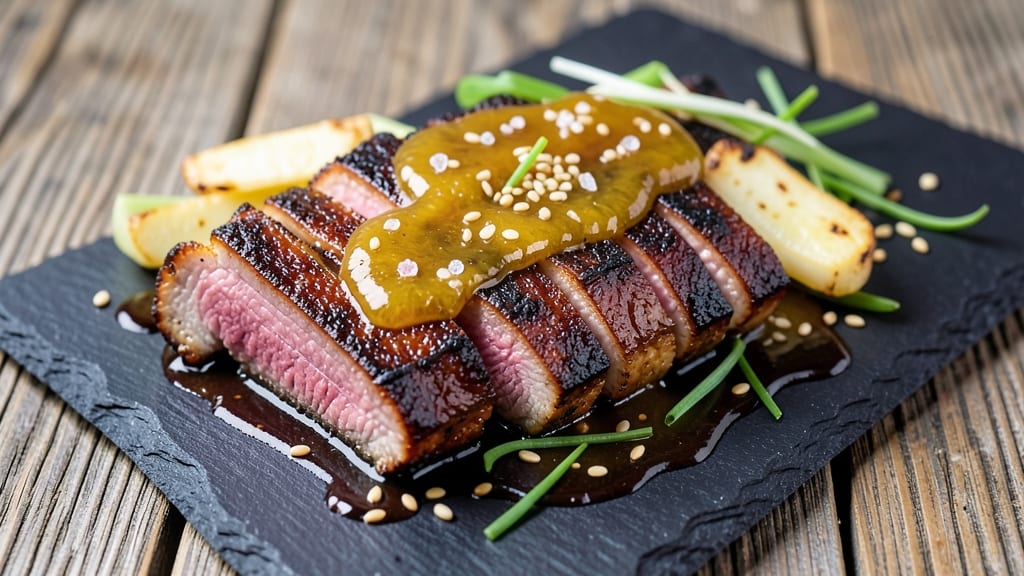
This pork humba recipe with pineapple juice transforms simple pork into a restaurant-worthy masterpiece with a caramelized glaze that balances sweet, tangy, and savory flavors. 🌟 The secret lies in marinating the pork overnight in pineapple juice, garlic, and spices, then slow-cooking it until tender and sticky.
I first discovered this technique while traveling through the Caribbean, where grilled pork with tropical glazes became a staple for family gatherings.
The magic happens when the pineapple juice reduces into a thick, glossy glaze that clings to the pork, creating a perfectly juicy interior with a caramelized exterior. This recipe delivers restaurant-quality results without requiring advanced techniques—just patience and attention to the slow-cooking process.
The glaze isn’t just a topping; it’s the star, infusing every bite with bright, tropical notes that cut through the richness of the pork.
What makes this dish truly special is its versatility. Serve it over fluffy rice, alongside roasted plantains, or with a crisp green salad for a complete meal.
The pineapple glaze works equally well on pork chops, tenderloin, or even ribs, making this a go-to recipe for weeknight dinners or special occasions. The aroma alone will have everyone at the table asking for seconds.
Ready in about 2 hours (including marinating time), this recipe is perfect for those who want flavor without fuss. The slow-cooking method ensures the pork stays juicy and tender, while the pineapple glaze adds a touch of sweetness that balances the savory spices.
Whether you're cooking for a crowd or treating yourself to a special meal, this dish delivers big on flavor and satisfaction.
Ingredients for pork humba recipe with pineapple juice
Transform simple pork into a restaurant-quality masterpiece with this tropical glaze recipe.
| Ingredient | Amount | Notes |
|---|---|---|
| Boneless Pork Shoulder 🍖 | 2 lb | Cut into 1.5-inch cubes |
| Fresh Pineapple Juice 🍍 | 1 ½ cups | From 1 large pineapple, strained |
| Garlic Cloves 🧄 | 8 cloves | Minced, for marinade and glaze |
| Fresh Ginger 🌿 | 2 tbsp | Finely grated, for depth |
| Soy Sauce 🥄 | ½ cup | Low-sodium preferred |
| Brown Sugar 🍚 | ½ cup | Packed, for caramelization |
| Apple Cider Vinegar 🍎 | ¼ cup | For tangy balance |
| Ground Allspice 🌶️ | 1 tsp | Freshly ground for warmth |
| Ground Cinnamon 🌿 | ½ tsp | For subtle sweetness |
| Ground Black Pepper 🌶️ | 1 tsp | Freshly cracked |
| Kosher Salt 🧂 | 1 ½ tsp | Diamond Crystal preferred |
| Extra-Virgin Olive Oil 🫒 | 2 tbsp | For searing pork |
| Fresh Thyme Leaves 🌿 | ¼ cup | Chopped, for aromatic depth |
| Fresh Scallions 🧅 | 4 whole | Sliced, for garnish |
The pork shoulder is non-negotiable for this dish—its fat content renders during slow cooking, creating a juicy, self-basting result. Look for cuts with visible marbling at Whole Foods or your local butcher shop. If pre-cut isn't available, ask for a 2-pound bone-in shoulder and cube it yourself for better flavor. The pineapple juice should be freshly strained from a ripe pineapple (no canned juice—it lacks the bright acidity needed for proper caramelization). For the garlic, Penzeys or bulk bins at Trader Joe's provide the freshest, most flavorful cloves. The ginger should be organic when possible, as conventional varieties often contain bitter peel.
No fresh pineapple? High-quality pineapple juice from concentrate works in a pinch, but reduce it by half first to compensate for water content. Substitute the soy sauce with coconut aminos for a gluten-free option, though the umami depth will differ slightly. The brown sugar can be swapped for coconut sugar (1:1 ratio) for a less processed alternative. If you're avoiding vinegar, lime juice at double the amount provides similar acidity. For the spices, pre-ground works, but toasting whole spices in a dry pan before grinding releases deeper flavors—worth the extra minute if you're ambitious. The olive oil should be fruity and peppery (like California Gold), not mild varieties that won't withstand high heat.
Marinate the pork overnight in the fridge—never at room temperature—to ensure proper tenderization. The glaze reduces best when made in a heavy-bottomed saucepan (like All-Clad) to prevent burning. Store leftovers in an airtight container for up to 4 days in the fridge, though the flavor improves after 24 hours as the glaze sets. For freezing, portion into single-serving containers with a thin layer of glaze on top to preserve moisture. Reheat gently in a skillet with a splash of water to maintain juiciness—microwaving dries out the pork.
Why You'll Love This Recipe
- One-Pan Magic: I swear by this recipe—just toss the pork, garlic, and ginger in a single pan, pour in that bright pineapple juice, and let the stove do the work. No chopping mountains of veggies or flipping endless pans here.
- Sweet-Savory Balance: The pineapple juice cuts through the richness of the pork like a breath of fresh air, while the soy and ginger add depth that lingers. It’s the kind of dish where every bite feels like a little flavor explosion.
- Weeknight Workhorse: I make this when I’m too tired to think but still want something impressive. It’s perfect for feeding a crowd, reheats like a dream, and even my picky-eating teen asks for seconds—(yes, even on a Tuesday night).
- Budget-Friendly Feast: Pork shoulder stretches across meals without breaking the bank, and pineapple juice is cheaper than you’d think if you buy fresh. Honestly, it’s the kind of recipe that makes grocery day feel like a win.
Step-by-step instructions for pork humba with tropical pineapple glaze
Master this technique and you'll transform simple pork into melt-in-your-mouth perfection with a glossy, caramelized crust.
🔥 Step 1: Marinate the Pork for Maximum Flavor Infusion
In a large bowl, combine the 1.5 cups fresh pineapple juice, 0.5 cup soy sauce, 0.25 cup apple cider vinegar, 2 tbsp finely grated fresh ginger, 8 minced garlic cloves, 1.5 tsp kosher salt, 1 tsp ground black pepper, 1 tsp ground allspice, and 0.5 tsp ground cinnamon. Whisk until the brown sugar is fully dissolved—you should see a syrupy marinade with visible sugar crystals.
Add the 2 lb boneless pork shoulder cut into 1.5-inch cubes, ensuring each piece is fully submerged. Cover and refrigerate for at least 4 hours (overnight is ideal). The acidity in the pineapple juice will begin tenderizing the meat while the spices penetrate deeply. You'll notice the marinade darkens slightly as it absorbs into the pork—this is normal and indicates the flavors are working their magic.
🍳 Step 2: Sear the Pork for Deep Color and Texture
Heat 2 tbsp extra-virgin olive oil in a large skillet over medium-high heat until shimmering. Working in batches (to avoid overcrowding), add the marinated pork and sear for 3-4 minutes per side until deep golden brown with caramelized edges. The pork should release easily from the pan—if it sticks, your oil isn't hot enough.
As you sear, the marinade will bubble vigorously and begin to reduce. This concentrated flavor will form the base of your glaze. Transfer the seared pork to a plate but reserve the pan drippings—they're packed with flavor. Here's the thing: don't skip this step. Proper searing creates the Maillard reaction that builds complex flavors and gives your dish that restaurant-quality depth.
🥘 Step 3: Build the Tropical Glaze Through Reduction
Return the skillet to medium heat and add the reserved marinade from the bowl. Bring to a gentle simmer and reduce by half—this should take about 8-10 minutes—until the liquid thickens to a glossy syrup consistency. You're looking for a glaze that coats the back of a spoon but still flows freely when stirred.
Stir in the 0.25 cup chopped fresh thyme leaves and simmer for another 2 minutes to infuse their aromatic qualities. The thyme will release its piney notes as it steeps in the liquid. This is where the magic happens: the pineapple's natural sweetness combines with the caramelized sugars and umami from the soy sauce to create that signature humba glaze. Taste and adjust seasoning if needed—you might want to add a splash more pineapple juice if it's too thick.
⏰ Step 4: Braise Until Fork-Tender with Glossy Glaze
Transfer the seared pork back to the skillet with the reduced glaze. Cover and transfer to a 325°F oven for 2-2.5 hours, spooning the glaze over the pork every 30 minutes. The pork is done when it reaches 203°F internal temperature and a fork slides in with minimal resistance. The glaze should be thick enough to coat the pork completely, forming a sticky, caramelized crust.
Real talk: the pork will look dry at first, but that's just the surface. As it braises, the connective tissues break down and the glaze works its way into the meat, keeping it incredibly juicy. If the glaze reduces too much before the pork is done, add 1-2 tablespoons of water to maintain the moisture balance. The final result should be pork that falls apart at the touch with a glossy, sweet-savory glaze clinging to every bite.
🍽️ Step 5: Garnish and Serve with Fresh Contrasts
Transfer the pork to a serving platter and drizzle with any remaining glaze from the skillet. Garnish with 4 sliced fresh scallions for a bright, fresh contrast to the rich pork. The scallions add a crisp texture and mild onion flavor that cuts through the sweetness of the glaze.
Serve immediately with steamed jasmine rice or buttery mashed potatoes to soak up that luscious glaze. The perfect bite delivers tender, juicy pork with a caramelized crust, balanced by the tangy-sweet glaze and fresh garnish. For extra presentation, arrange the scallions in a circular pattern around the pork—it looks stunning and tastes even better.
Pro Tips For Making Pork Humba Recipe With Pineapple Juice
- STEAM THE PINEAPPLE FIRST: Fresh pineapple juice is the star here, but squeezing it straight from the fruit leaves behind bitter pulp and watery residue. Instead, cut the pineapple into chunks, boil them for 10 minutes to soften, then strain—this extracts pure, vibrant juice without the grittiness. (Yes, it’s more work upfront, but the flavor pays off.)
- SALT THE PORK 24 HOURS EARLY: Pork shoulder needs time to tenderize, and salting it in advance guarantees juicy, flavorful slices. Rub it with 1.5 teaspoons of salt per pound, let it sit uncovered in the fridge, then pat dry before cooking. I learned this the hard way—rushed pork turns out dry, no matter how much pineapple sauce you drown it in.
- DON’T BOIL THE SOY SAUCE DRY: When reducing the pineapple-garlic-ginger sauce, keep the heat medium and stir constantly. Letting it burn turns the soy sauce bitter and smoky, ruining the bright, tangy balance. A splash of water or extra pineapple juice can rescue it, but you’ll taste the difference if you just watch it like a hawk.
- USE GINGER SCRAPE, NOT JUICE: Fresh ginger loses its kick when juiced, but the fibrous scrape packs heat and texture. For 1-inch ginger, peel it, then grate directly into the sauce—no need to strain. (I was skeptical until I tried it; the dish now has real depth, not just a hint of spice.)
Flavor customization for this pork humba recipe with pineapple juice
Spice Level Control
Adjust the heat with Penzeys hot pepper flakes—start with ½ tsp for mild or double to 1 tsp for medium heat. For a smoky kick, add ½ tsp smoked paprika to the marinade.
I've found that Jamaican jerk seasoning (½ tsp) works beautifully, especially when paired with the pineapple's natural sweetness. 🌶️
Sweetness Variations
Swap the brown sugar for honey (½ cup) or agave nectar (⅓ cup) for a more floral sweetness. For a deeper caramelization, add 1 tbsp molasses to the glaze. I once used coconut sugar and noticed a subtle toasted note that complemented the pineapple beautifully.
Tangy Twists
Boost the tang by adding 1 tbsp lime juice to the marinade or 1 tsp fish sauce for umami depth. For a tropical twist, mix in 2 tbsp mango purée with the pineapple juice. The acidity from lime or vinegar helps balance the sweetness, creating a more complex flavor profile.
Herbal Enhancements
Infuse the glaze with ½ tsp dried oregano or 1 sprig fresh thyme for Mediterranean notes. For a Caribbean flair, add ½ tsp ground nutmeg or 1 bay leaf to the marinade. I love the contrast of cilantro in the final garnish—it brightens the dish with a citrusy freshness.
Protein Swaps
Use chicken thighs instead of pork for a lighter option, or pork tenderloin for quicker cooking. For a seafood twist, try shrimp skewers with the same glaze—just reduce cooking time to 10-12 minutes. The glaze works beautifully on all proteins, adapting to their natural textures.
Glaze Thickness Adjustments
For a thinner glaze, add 1-2 tbsp water during reduction. For a thicker, spreadable glaze, simmer uncovered until it reaches a syrup-like consistency. I once made a glaze so thick it could be drizzled like honey—perfect for glazing roasted vegetables alongside the pork. 💫
Nutrition facts
Frequently asked questions
Can I use canned pineapple juice instead of fresh?
Fresh pineapple juice delivers the brightest flavor and proper acidity for caramelization, but you can use high-quality canned juice in a pinch. Reduce it by half first to compensate for added water content. For best results, choose a brand with no added sugar and simmer the marinade longer to intensify the flavor.
What's the best cut of pork for this recipe?
Pork shoulder is ideal because its fat content keeps the meat juicy during slow cooking. If you prefer leaner cuts, use pork tenderloin but reduce cooking time to 1 hour instead of 2.5 hours. Never use pork chops—they'll dry out before the glaze develops properly.
Can I make this recipe in a slow cooker?
After searing, transfer everything to a slow cooker and cook on low for 6-7 hours or high for 3-4 hours. The glaze will thicken naturally during cooking. Just add 2-3 tablespoons of water if it gets too dry before the pork is done.
Why does my glaze turn out too thick or too thin?
Glaze consistency depends on reduction time. For thicker glaze, simmer uncovered until syrupy (15-20 minutes). For thinner glaze, add 1-2 tablespoons of water during reduction. The perfect glaze should coat the back of a spoon but still flow freely when stirred.
How do I store leftovers?
Store in an airtight container for up to 4 days in the fridge. For freezing, portion into single servings with a thin layer of glaze on top to preserve moisture. Reheat gently in a skillet with a splash of water to maintain juiciness—never microwave directly.