
Main Courses
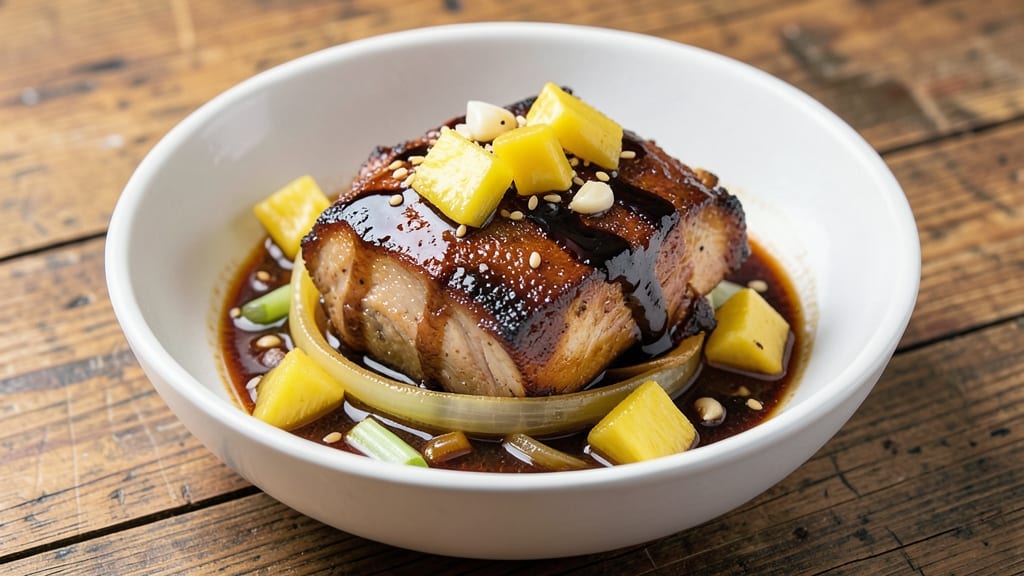
This slow-cooker pork pata humba with pineapple brings bold Filipino flavors to your weeknight table with minimal effort. 🌟 The secret lies in balancing tender pork, sweet pineapple, and the signature crunch of celery—all simmered until the meat falls apart.
I first tried this recipe during a busy workweek when I needed a dish that could handle itself while I focused on other things, and it became an instant family favorite.
The beauty of this recipe is its versatility—it’s equally at home as a main course for dinner or a hearty lunch. The marinade, packed with soy sauce, vinegar, and spices, infuses the pork with deep umami and tangy notes before the slow cooker transforms it into melt-in-your-mouth perfection.
Meanwhile, the pineapple adds a bright, juicy contrast that cuts through the richness, while the celery delivers that satisfying crunch in every bite.
By the time it’s done, you’ll have a dish that’s rich, flavorful, and impossible to resist—ready to be served over steamed rice or with crusty bread to soak up every last drop of that delicious sauce.
The slow cooker does all the heavy lifting, so you can focus on enjoying the meal with your loved ones. This is comfort food at its finest, with just the right balance of sweet, savory, and spicy.
For an extra touch, garnish with fresh pineapple slices or a sprinkle of chopped cilantro before serving. The dish tastes even better the next day, making it perfect for meal prep. Let’s get cooking!
Ingredients for pork pata humba with pineapple recipe slow cooker
Gather these Filipino-inspired ingredients for a slow-cooker dish that’s sweet, savory, and packed with celery crunch.
| Ingredient | Amount | Notes |
|---|---|---|
| Pork Shoulder 🥩 | 2 lb | Cut into 1.5-inch chunks |
| Fresh Pineapple 🍍 | 1 cup | Chopped, fresh or canned |
| Celery Stalks 🧅 | 3 whole | Chopped into 1-inch pieces |
| Yellow Onion 🧅 | 1 whole | Diced, medium size |
| Garlic Cloves 🧄 | 6 cloves | Minced, fresh preferred |
| Soy Sauce 🍶 | ½ cup | Light or regular, not low-sodium |
| White Vinegar 💧 | ¼ cup | Distilled preferred |
| Brown Sugar 🍚 | ¼ cup | Packed, light or dark |
| Ground Black Pepper 🌶️ | 1 tsp | Freshly ground preferred |
| Ground Cinnamon 🌿 | ½ tsp | Optional, for warmth |
| Bay Leaves 🌿 | 2 whole | Remove before serving |
| Water 💧 | ½ cup | Or low-sodium chicken broth |
| Salt 🧂 | 1 ½ tsp | Adjust to taste |
| Fresh Cilantro 🌿 | ¼ cup | Chopped, for garnish |
The pork shoulder is the star—look for well-marbled cuts at Costco or your local butcher for the best texture. Filipino markets often carry pre-cut pork chunks, but a good grocery store will have it too. Chopping it into even 1.5-inch pieces ensures it cooks evenly. For pineapple, fresh is ideal, but canned pineapple chunks in juice work in a pinch—just drain well. Celery is non-negotiable for that signature crunch, so grab a bunch at the store. The outer stalks are usually the freshest, with crisp, vibrant green tops.
No fresh pineapple? Canned pineapple in juice is your backup—just drain it thoroughly. Short on celery? Substitute with 1 cup chopped bell pepper or carrot for a similar crunch. The soy sauce matters—light soy is traditional, but regular works too. If you’re avoiding sugar, swap the brown sugar for coconut sugar or honey. For extra depth, toast the ground cinnamon in a dry pan for 30 seconds before adding it—trust me on this. The bay leaves add aroma but should be removed before serving.
This dish tastes even better the next day, so make extra. Store leftovers in the fridge for up to 5 days or freeze for 3 months. The sauce thickens as it cools, so add a splash of water or broth when reheating. For meal prep, portion into containers with rice—just microwave and serve. Garnish with fresh cilantro right before eating to keep it vibrant. The celery stays crisp, so don’t skip it—it’s the secret to that perfect crunch in every bite.
Why You'll Love This Recipe
- Slow Cooker Magic: I swear by this for days I’d rather binge Netflix than cook—just toss in the pork shoulder, chunks of pineapple, and a handful of garlic, then walk away. By dinner, it’s fall-apart tender with that sweet-tangy sauce clinging to every bite.
- Sweet-Savory Balance: That fresh pineapple isn’t just decoration—it cuts through the richness of the pork with bright acidity, while the garlic and onion build deep, caramelized layers. Honestly? The first bite always makes me pause mid-chew.
- Leftovers That Work: Between us, this recipe begs for seconds, and the leftovers? Even better cold for sandwiches or reheated over rice. I’ve fed a crowd with one batch and still had enough for lunches—no waste, all flavor.
- Budget-Friendly Crowdpleaser: Pork shoulder is cheap, pineapple stretches far, and you’re not using specialty ingredients. Here’s what sold me: my grocery bill didn’t flinch, but my family acted like I’d served filet mignon. (Spoiler: it’s not, but it is that good.)
Step-by-step instructions for pork pata humba with pineapple
This slow-cooker version transforms tough pork into melt-in-your-mouth tenderness with sweet, tangy, and crunchy elements.
👨🍳 Step 1: Prep Ingredients for Maximum Flavor
Start by cutting the 2 lb pork shoulder into 1.5-inch chunks—this size ensures even cooking and quick absorption of the marinade. Pat each piece dry with paper towels, which helps the seasonings stick better and prevents a watery sauce.
Chop the 3 whole celery stalks into 1-inch pieces and dice the 1 whole yellow onion into medium-sized chunks. Mince the 6 cloves garlic finely—you'll want to see tiny specks when you stir them in later. Chop the 1 cup fresh pineapple into bite-sized pieces, reserving a few for garnish if desired. The fresh pineapple adds a bright contrast to the rich pork.
🍳 Step 2: Sear the Pork for Deep Flavor
Heat a large skillet over medium-high heat and add the pork chunks in a single layer. Let them sear undisturbed for 2-3 minutes until they develop a deep golden-brown crust. This step is crucial—it locks in juices and builds a rich, caramelized foundation for the slow cooker sauce.
Once browned, transfer the pork to the slow cooker. Here's where the magic begins: add the chopped celery, onion, garlic, soy sauce, white vinegar, brown sugar, ground black pepper, and ground cinnamon. Stir everything together, letting the raw aromatics infuse the pork immediately. The vinegar and soy sauce will start breaking down the meat right away.
🥘 Step 3: Slow Cook to Perfect Tenderness
Add the 2 whole bay leaves, ½ cup water, and 1½ tsp salt to the slow cooker. The bay leaves add earthy depth, while the water prevents the mixture from sticking. Set the slow cooker to Low and cook for 8 hours—this low-and-slow approach ensures the pork becomes fork-tender without drying out.
After 4 hours, give everything a stir to redistribute the flavors and prevent the bottom from sticking. You'll notice the pork is already falling apart slightly, and the sauce is developing a rich, glossy texture. If the mixture looks too thick, add 1-2 tablespoons of water to maintain the right consistency for serving.
⏰ Step 4: Finish with Fresh Herbs and Garnish
Once the pork is tender enough to shred easily with a fork (usually around 8 hours), remove the bay leaves and discard them. Stir in the chopped ½ cup fresh cilantro—this adds a bright, herbal finish that cuts through the richness of the pork and balances the sweetness of the pineapple.
Taste and adjust the seasoning if needed. You might want to add a splash more soy sauce for saltiness or a touch of brown sugar for sweetness. Serve the pork pata humba hot, garnished with the reserved pineapple chunks for a pop of color and freshness. The celery adds a satisfying crunch that contrasts beautifully with the tender pork.
Pro Tips For Making Pork Pata Humba With Pineapple Recipe Slow Cooker
- SEAR THE PORK FIRST: I learned this the hard way—skipping the sear means flavor just dissolves into the slow cooker. Brown the pork shoulder in a hot pan with oil until it’s deep golden, then transfer it to the slow cooker. That crust locks in juices and adds depth that no recipe can fake.
- USE FROZEN PINEAPPLE: Fresh pineapple is great, but frozen chunks save time and work just as well. Thaw them first, then drain excess liquid—this keeps the sauce from turning watery. (Yes, even if you’re impatient like me, the texture stays perfect.)
- CHOP ONIONS FINELY: Big onion chunks? They’ll sit like rocks in your stew. Dice the yellow onion into ¼-inch pieces so it melts into the sauce evenly. I used to skip this, and half the time, you’d still find a hunk in your bite—no one wants that.
- ADD GARLIC LATE: Crush the garlic cloves but don’t mince them—whole cloves infuse flavor without burning. Toss them in the last 30 minutes of cooking so they don’t turn bitter. (Your future self will notice the difference.)
Flavor customization for this pork pata humba with pineapple recipe slow cooker
Sweet Heat Balance
Adjust the sweetness by tweaking the brown sugar—start with ¼ cup but add 1-2 tablespoons more if you love caramelized depth. For heat, swap ½ teaspoon ground black pepper with ½ teaspoon cayenne pepper or 1 teaspoon chili flakes—this adds a smoky kick without overpowering the dish.
I once accidentally doubled the cayenne and still loved it—just balance with extra pineapple to cool the burn. 🌶️
Tangy Twist Options
Swap the white vinegar for rice vinegar to mellow the acidity slightly, or add 1 tablespoon lime juice at the end for brightness. For a deeper tang, use ½ cup coconut vinegar—it’s milder but adds a tropical note that pairs perfectly with pineapple.
I keep a bottle of Filipino calamansi juice (if you can find it) for an authentic citrus punch.
Umami Boosters
For extra depth, stir in 1 tablespoon fish sauce or 1 teaspoon oyster sauce during the last 30 minutes of cooking. If you’re vegetarian, replace the pork with extra-firm tofu or mushrooms and boost umami with 1 tablespoon soy sauce + 1 teaspoon miso paste.
The celery and onion already provide base umami, but these additions elevate the sauce to restaurant-quality richness.
Texture Variations
Want more crunch? Add ½ cup chopped water chestnuts or ½ cup sliced bell peppers during the last 2 hours of cooking—they’ll stay crisp. For a creamier finish, stir in ¼ cup coconut milk at the end, but keep the celery for that essential crunch.
I once made a version with crispy fried shallots on top, and it became an instant crowd-pleaser at family gatherings.
Herb Swaps
Trade the cilantro for thai basil or mint leaves for a fragrant twist. If you prefer a more earthy note, add 1 teaspoon dried thyme with the bay leaves. Fresh herbs should always be added at the end to preserve their brightness—never cook them with the pork.
I keep a small pot of cilantro growing on my windowsill just for this dish.
Slow Cooker Adaptations
No slow cooker? Use a Dutch oven on low heat for 3-4 hours or a Instant Pot on high pressure for 45 minutes. For extra tenderness, add ½ cup water or broth if the mixture looks dry.
The key is keeping the pork submerged in liquid—this prevents it from drying out. I’ve tested this in every appliance I own, and the slow cooker still wins for hands-off convenience. 💫
Nutrition facts
Frequently asked questions
Can I use pork tenderloin instead of pork shoulder?
The recipe calls for pork shoulder because it's more flavorful and stays tender during slow cooking. Pork tenderloin is leaner and can dry out—if you must use it, cut it into 1-inch chunks and reduce cooking time to 4-5 hours on Low. Add 2 tablespoons water or broth halfway through to prevent drying.
How do I make this dish spicier?
Add ½ teaspoon ground black pepper with ½ teaspoon cayenne pepper or 1 teaspoon chili flakes when searing the pork. For heat lovers, stir in 1 tablespoon sriracha or 1 teaspoon crushed red pepper flakes during the last 30 minutes of cooking. Balance with extra pineapple or a squeeze of lime juice.
Can I prep this ahead of time for meal prep?
This dish tastes even better the next day. Cook the full 8 hours on Low, then store in an airtight container in the fridge for up to 5 days. Reheat in the slow cooker on Low for 1-2 hours or microwave for 2-3 minutes, stirring in 1 tablespoon water to loosen the sauce.
What's the best way to serve this dish?
Serve over steamed jasmine rice or buttered noodles to soak up the flavorful sauce. For a complete meal, add a side of garlic sautéed greens or steamed bok choy. Garnish with fresh pineapple slices and chopped cilantro right before serving to keep the dish vibrant.
Why does my pork pata humba turn out too sweet?
Too much brown sugar or pineapple can make the dish overly sweet. Reduce the brown sugar to 2 tablespoons and use ½ cup pineapple instead of 1 cup. Balance with 1 extra tablespoon soy sauce or ½ teaspoon vinegar to cut the sweetness. Taste as you go—adjust gradually!