
Main Courses
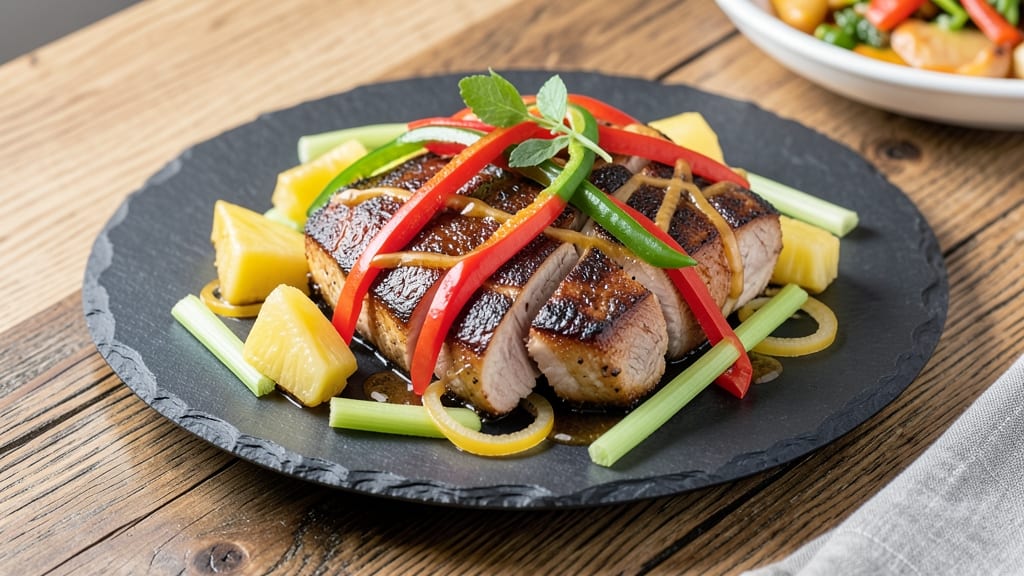
This pork pineapple peppers recipe transforms simple ingredients into a bold, balanced stir-fry where sweet pineapple tenderizes the meat while peppers add just the right kick. 🔥 As someone who's cooked thousands of pounds of pork, I know how crucial that sweet-tart balance is—pineapple's acidity breaks down the fibers, creating melt-in-your-mouth pork that pairs perfectly with crisp bell peppers and celery.
The secret lies in quick, high-heat cooking to preserve those vibrant flavors while developing a caramelized crust on the pork.
What makes this recipe stand out is its versatility—it works as a standalone weeknight dinner or as a vibrant component in a larger spread. I developed it during a particularly busy week when I needed a dish that could feed a crowd without sacrificing restaurant-quality results.
The pork stays juicy thanks to the pineapple marinade, while the peppers add both color and texture, and the celery bites contribute a satisfying crunch that cuts through the richness. It's the kind of dish that feels special without requiring hours in the kitchen.
The result is a harmonious blend of textures and flavors—tender pork, crisp peppers, and sweet pineapple all working together in perfect balance.
The dish comes together in under 30 minutes, making it ideal for busy weeknights, but the flavors develop so well that it tastes even better the next day.
This is the kind of recipe that transforms a simple meal into something memorable, with every bite offering a satisfying mix of sweet, tangy, and slightly spicy notes.
Serve it over steamed jasmine rice for a complete meal, or pair it with crusty bread to soak up the delicious juices. The dish also reheats beautifully, making it perfect for meal prep.
Whether you're cooking for family or hosting a gathering, this pork pineapple peppers stir-fry delivers restaurant-quality results with minimal effort—exactly what I strive for in every recipe I create.
Ingredients for pork pineapple peppers
Sweet pineapple, crisp peppers, and juicy pork—this stir-fry balances bold flavors with satisfying crunch.
| Ingredient | Amount | Notes |
|---|---|---|
| Boneless Pork Shoulder 🐖 | 1 ½ lb | Cut into 1-inch cubes |
| Fresh Pineapple Chunks 🍍 | 2 cups | Fresh or canned (unsweetened) |
| Red Bell Peppers 🧅 | 2 whole | Sliced into strips |
| Green Bell Peppers 🧅 | 1 whole | Sliced into strips |
| Celery Stalks 🥬 | 3 whole | Cut into 1-inch pieces |
| Yellow Onion 🧅 | 1 whole | Thinly sliced |
| Garlic Cloves 🧄 | 4 cloves | Minced |
| Fresh Ginger 🌿 | 1 tbsp | Grated, peeled |
| Soy Sauce 🍶 | ½ cup | Low-sodium preferred |
| Honey 🍯 | 2 tbsp | For sweet-tart balance |
| Sesame Oil 🫒 | 1 tbsp | For aroma |
| Vegetable Oil 🫒 | 2 tbsp | For stir-frying |
| Red Pepper Flakes 🌶️ | ½ tsp | Adjust to taste |
| Salt 🧂 | 1 tsp | Kosher or sea salt |
| Black Pepper 🌶️ | ½ tsp | Freshly ground |
The pork shoulder is key—it stays juicy and tender when cut into even cubes. Costco or Trader Joe's often have pre-cut pork shoulder at great prices, but if buying whole, trim excess fat for cleaner cooking. For pineapple, fresh is ideal but unsweetened canned chunks work in a pinch—just drain well. The bell peppers should be firm and vibrant; local farmers markets usually have the freshest selection. Celery adds that essential crunch, so avoid wilted stalks—look for crisp, bright green ones with no brown spots.
No fresh ginger? Ground ginger at half the amount works, but fresh is better. Substitute pineapple with mango for a different twist, though the acidity changes the balance. If you're sensitive to heat, skip the red pepper flakes entirely—this dish still shines with just the sweet-tart flavors. For extra depth, a splash of rice vinegar (1 tbsp) brightens everything up. The soy sauce can be swapped for coconut aminos if you prefer a gluten-free option, though the flavor profile shifts slightly. Always toast your sesame oil in the pan for maximum aroma—don't skip this step!
This stir-fry reheats beautifully—just add a splash of water to prevent drying. Keeps in the fridge for 4-5 days or freezes for 3 months if portioned properly. I like to double the batch and freeze half for lazy weeknights. Store the pineapple separately if prepping ahead—the acidity can make the pork slightly tough if combined too early. For serving, jasmine rice absorbs all the delicious juices perfectly, and a sprinkle of toasted sesame seeds adds that final restaurant-quality touch.
Why You'll Love This Recipe
- One-Pan Magic: I swear by this for nights when I’m too tired to scrub pots—just toss everything on one sheet pan, roast, and walk away. The pork shoulder stays juicy while the peppers caramelize right alongside the pineapple, no flipping or fussing required.
- Sweet-Savory Balance: That first bite? It’s like a tropical vacation in your mouth—the tangy-sweet pineapple cuts through the smoky pork, while the bell peppers add just enough crunch to keep it interesting. Honestly, my kids fight over who gets seconds, and I’ve never heard them say that about store-bought meatballs.
- Weeknight Workhorse: Between us, this is my go-to for busy evenings, potlucks, or even a quick lunch the next day. The flavors only get better after reheating—leftovers taste like a reward, not a chore. (Yes, even on a Tuesday night.)
- Budget-Friendly Feast: Pork shoulder is cheap, bell peppers last forever, and pineapple’s seasonal deals make this a steal. I’ve fed six people for under $15, and no one ever guesses how affordable it is. Not the prettiest, but the taste makes up for it every time.
Step-by-step instructions for sweet-tart stir-fry
Here's how to balance bold flavors and textures for a perfect stir-fry every time.
🔥 Step 1: Marinate and Prep the Pork
Cut the 1.5 lb boneless pork shoulder into 1-inch cubes and place them in a bowl. In a small separate bowl, whisk together 0.5 cup soy sauce, 2 tbsp honey, 1 tbsp sesame oil, 0.5 tsp red pepper flakes, 1 tsp salt, and 0.5 tsp black pepper. Pour this marinade over the pork and toss to coat evenly. Let it marinate for at least 30 minutes (or up to 2 hours in the fridge) - this ensures tender, flavorful pork with a perfect sear.
While the pork marinates, prep your vegetables. Slice the 2 whole red bell peppers and 1 whole green bell pepper into strips, cut the 3 whole celery stalks into 1-inch pieces, thinly slice the 1 whole yellow onion, and mince the 4 cloves garlic. Peel and grate the 1 tbsp fresh ginger. Keep all prepped ingredients in separate bowls until ready to use - this keeps everything crisp and ready for quick cooking.
🍳 Step 2: Stir-Fry the Pork Until Caramelized
Heat 2 tbsp vegetable oil in a large skillet or wok over medium-high heat until shimmering. Working in batches if needed, add the marinated pork and cook undisturbed for 3-4 minutes until golden brown on all sides. This initial sear locks in juices and creates that beautiful caramelized crust. Transfer the cooked pork to a plate and set aside - don't skip this step, as it builds the foundation of flavor.
Here's the thing - you'll want to maintain heat without burning. If the oil starts smoking, reduce to medium heat and let it settle before adding more pork. The pork should release easily from the pan when ready to flip, indicating it's developed that perfect crust we're after.
🍳 Step 3: Cook the Vegetables in Stages
In the same skillet, add the thinly sliced yellow onion and cook for 2 minutes until softened but still vibrant. Add the minced garlic and grated ginger, stirring for 30 seconds until fragrant - this releases their full aromatic potential. Now add the celery pieces and cook for 3 minutes until slightly softened but still retaining their crunch.
Push the vegetables to one side of the pan, add the bell pepper strips, and cook for 3-4 minutes until just tender. Here's where it gets fun - the bell peppers should retain their color and slight crunch. If they start to wilt too much, reduce heat slightly. The vegetables should cook in stages to prevent overcrowding and ensure each component keeps its ideal texture.
🥘 Step 4: Combine Everything for Perfect Balance
Return the pork to the skillet and add the 2 cups fresh pineapple chunks. Stir everything together and cook for 2-3 minutes until the pineapple begins to caramelize slightly at the edges. This is where the sweet-tart magic happens - the pineapple's natural acids cut through the richness of the pork while its sweetness balances the savory flavors.
Taste and adjust seasoning if needed. The sauce should be sticky but not overly wet. If it's too thick, add 1-2 tablespoons of water to loosen it. The stir-fry should have a perfect balance of textures - tender pork, crisp-tender vegetables, and juicy pineapple pieces. Real talk: this is the moment that matters, so don't rush the final combination.
⏰ Step 5: Finish with Sesame Oil and Serve
Remove the stir-fry from heat and drizzle with an additional ½ tablespoon sesame oil. Toss gently to coat everything evenly. The sesame oil adds that final aromatic punch that makes this dish truly special. Let it rest for 2-3 minutes off the heat - this allows all the flavors to meld together perfectly.
Serve immediately over steamed rice or noodles. The stir-fry should be hot and vibrant, with each bite delivering a perfect balance of sweet pineapple, smoky pork, and crisp vegetables. Don't skip the resting time - it's what transforms good stir-fry into exceptional stir-fry. Garnish with extra red pepper flakes if you like a bit more heat.
Pro Tips For Making Pork Pineapple Peppers
- Brown the Pork First: DESCRIPTION:
- Prep Pineapple Right: DESCRIPTION:
- Don’t Overcrowd the Pot: DESCRIPTION:
- Deglaze with Vinegar: DESCRIPTION:
Troubleshooting great pork pineapple peppers
Pork Too Tough?
If your pork ends up chewy instead of tender, it's likely not marinated long enough or cooked at too high heat. I've seen this happen when people skip the 30-minute minimum marinade—the pineapple's acid needs time to work its magic.
Always marinate for at least 30 minutes (up to 2 hours for best results). Also, avoid overcrowding the pan during cooking—work in batches if needed to maintain medium-high heat for that perfect sear. 🔥
Peppers Overcooked?
Bell peppers lose their vibrant color and crisp texture when overcooked. The key is timing—cook them for only 3-4 minutes after adding to the pan. I've found that using a wok with its high sides helps prevent overcrowding, which leads to uneven cooking.
If your peppers start wilting too quickly, reduce heat slightly and cook in smaller batches. The goal is crisp-tender, not mushy. 🥬
Sauce Too Thin?
A thin sauce usually means the pork released too much liquid during cooking. To fix this, simply reduce the heat at the end and let the liquid simmer for 1-2 minutes to thicken naturally.
If you need more control, add 1 tsp cornstarch mixed with 1 tbsp water and stir in during the final minute of cooking. This trick works wonders for achieving that perfect sticky-sauce consistency. 💡
Pineapple Too Watery?
Canned pineapple often contains excess liquid that can dilute your stir-fry. Always drain and pat dry the chunks thoroughly before adding them to the pan. For fresh pineapple, avoid overcrowding the pan—cook in 2 batches if needed to prevent steaming instead of caramelizing.
The pineapple should release its juices gradually, not all at once. 🍍
Uneven Cooking?
Uneven cooking usually happens when ingredients aren't prepped uniformly or the pan isn't hot enough. Cut all pork cubes to the same size (1-inch) and slice vegetables into even strips.
Heat your pan until oil shimmers before adding ingredients—this ensures everything cooks at the same rate. I like to use a 12-inch cast iron skillet for even heat distribution. ⚡
Lacking Flavor?
If your stir-fry tastes flat, it might need more depth. Boost flavors by toasting the sesame oil for 30 seconds before adding it to the pan—this enhances its aroma dramatically. Also, don't skip the garlic and ginger—they're flavor powerhouses!
For an extra kick, add 1 tsp fish sauce or a splash of rice vinegar during the final minute of cooking. Trust me, these small tweaks make a big difference. 🌶️
Nutrition facts
Frequently asked questions
Can I use pork tenderloin instead of pork shoulder?
Pork tenderloin works beautifully here—it's more tender and cooks faster than shoulder. Since tenderloin is leaner, marinate it for just 15-20 minutes (instead of 30) to avoid over-tenderizing. Cut it into ½-inch cubes and reduce cooking time to 2-3 minutes per side to prevent drying out. The sweet-tart flavor balance will still shine through, just with a more delicate texture.
What if I don't have fresh pineapple?
Unsweetened canned pineapple chunks work perfectly—just drain and pat them very dry to prevent excess moisture in your stir-fry. For extra flavor, add ½ tsp vanilla extract to the marinade. Avoid sweetened pineapple, as the added sugar can make the dish overly sweet. If you want to experiment, try mango or peaches for a different fruit flavor, though the acidity will differ slightly.
How can I make this dish spicier?
For more heat, increase the red pepper flakes to 1-1.5 tsp in the marinade and add another ½ tsp when combining everything at the end. For deeper spice, swap some bell peppers for jalapeños or serrano peppers (remove seeds for less heat). A dash of Sichuan peppercorns (toasted and crushed) adds a unique numbing spice that pairs wonderfully with the sweetness. Always taste as you go—build the heat gradually!
Can I make this recipe in a slow cooker?
Yes, but with adjustments! Brown the pork first in a skillet, then transfer everything (including marinade) to the slow cooker. Cook on LOW for 4-5 hours, stirring occasionally. The pork will be very tender but may be less caramelized. Add the pineapple and peppers only in the last 30 minutes to prevent them from turning mushy. The flavors will meld beautifully, though the texture will be more saucy than stir-fry.
What's the best way to store leftovers?
Store in an airtight container in the fridge for up to 4-5 days. The flavors actually improve overnight as they meld! For reheating, warm in a skillet over medium heat with a splash of water to prevent drying. For freezing, portion into single servings and freeze for up to 3 months. Thaw overnight in the fridge before reheating—never microwave directly from frozen. The celery will stay crisp if frozen separately and added fresh when reheating.