
Main Courses
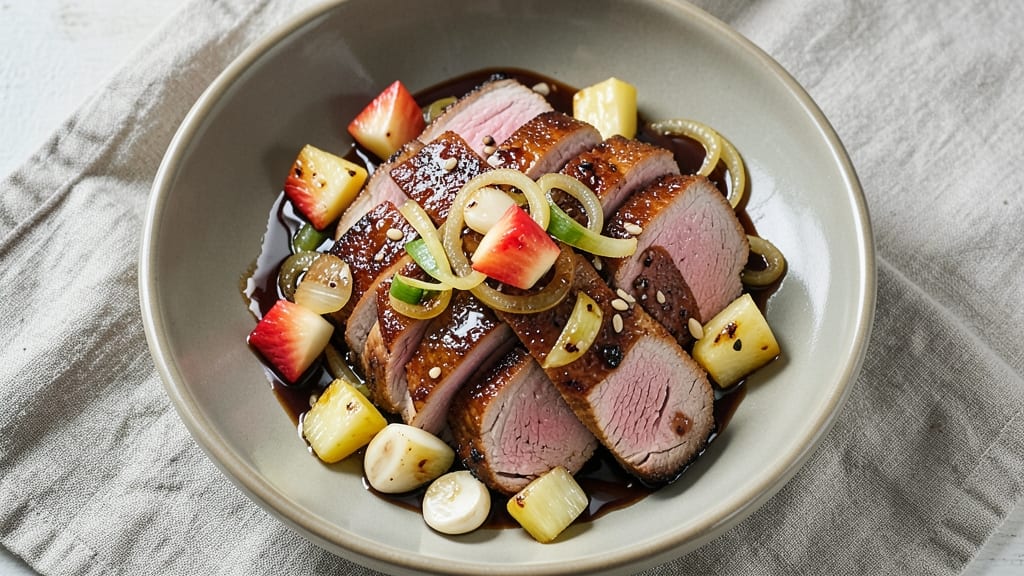
This pork with pineapple tidbits recipe delivers a perfect balance of sweet and savory that transforms ordinary weeknight dinners into something special. The secret lies in a caramelized glaze that enhances the natural sweetness of pineapple while keeping the pork tender and juicy—no fancy techniques required.
I've perfected this dish after countless experiments with different marinades and cooking methods, and it consistently delivers restaurant-quality results at home.
The beauty of this recipe is its versatility—whether you're grilling, pan-searing, or slow-roasting the pork, the pineapple tidbits add a bright, tangy contrast that cuts through the richness.
The glaze isn't just sweet; it develops deep caramelized notes when cooked properly, creating a complex flavor profile that makes every bite unforgettable. Plus, it's a great way to use up leftover pineapple or incorporate fresh tidbits for maximum freshness.
What you'll end up with is succulent pork slices paired with perfectly caramelized pineapple tidbits, all coated in a glossy, sweet-tart glaze that's impossible to resist. The combination of textures—tender pork, slightly chewy pineapple, and the smooth glaze—makes this dish feel indulgent yet balanced.
It's the kind of recipe that elevates simple ingredients into something truly special without requiring hours in the kitchen.
Serve this dish over steamed rice for a comforting meal, alongside roasted vegetables for a complete plate, or even as a standalone main course with a side salad. The glaze also works beautifully as a dipping sauce for extra flavor.
Let's get started on creating this crowd-pleasing dish that's sure to become a regular in your meal rotation.
Ingredients for pork recipe with pineapple tidbits
Transform ordinary pork into restaurant-quality bites with this sweet-tart glaze and pineapple tidbits.
| Ingredient | Amount | Notes |
|---|---|---|
| Boneless Pork Loin 🥩 | 1 ½ lb | Cut into 1-inch thick slices |
| Fresh Pineapple Tidbits 🍍 | 1 ½ cups | Cut into bite-sized pieces |
| Yellow Onion 🧅 | 1 whole | Thinly sliced |
| Garlic Cloves 🧄 | 4 cloves | Minced for glaze |
| Fresh Ginger 🌿 | 1 tbsp | Grated, finely |
| Soy Sauce 🥢 | ⅓ cup | Low-sodium preferred |
| Brown Sugar 🍚 | ½ cup | Packed tightly |
| Honey 🍯 | ¼ cup | Wildflower preferred |
| Rice Vinegar 🍶 | ¼ cup | Seasoned preferred |
| Sesame Oil 🫒 | 1 tbsp | Toasted sesame preferred |
| Olive Oil 🫒 | 2 tbsp | Extra-virgin for richness |
| Salt 🧂 | 1 ½ tsp | Diamond Crystal preferred |
| Black Pepper 🌶️ | 1 tsp | Freshly ground |
| Cornstarch 🌾 | 1 tbsp | For thickening glaze |
The pork loin is critical here—look for well-marbled cuts at your local butcher or Whole Foods for the best texture. Fresh pineapple tidbits make all the difference; Trader Joe's or Costco often carry pre-cut, high-quality pieces, but if using fresh pineapple, remove the core and cut into even bite-sized cubes for consistent cooking. The ginger should be fresh and vibrant—none of that dried, dusty stuff. For the glaze, brown sugar and honey work together to create that perfect caramelized depth, so don't skimp on quality. If you're prepping ahead, store the pork and pineapple separately in the fridge for up to 2 days before cooking.
No fresh ginger? Ground ginger at half the amount works in a pinch, though fresh is ideal. Running low on sesame oil? Toasted walnut oil adds a similar depth, though it lacks the signature aroma. The soy sauce can be swapped for coconut aminos if you're avoiding sodium, but the umami balance will shift slightly. For the cornstarch, arrowroot powder is a 1:1 substitute if you're out, though it may require slightly more for thickening. The pineapple tidbits can be fresh or thawed frozen—just pat them dry before cooking to ensure proper caramelization. If you're grilling, marinate the pork in the glaze for at least 2 hours to maximize flavor infusion.
This dish reheats beautifully—simply warm in a skillet with a splash of water for 2-3 minutes to restore moisture. The glaze thickens as it cools, so if it becomes too syrupy, thin with 1 tsp water or pineapple juice. Store leftovers in an airtight container for up to 4 days in the fridge or freeze for 3 months. For meal prep, portion the pork and pineapple separately to maintain texture. The glaze can be made ahead and reheated gently—just add 1 tsp water to prevent burning. Serve over steamed jasmine rice or alongside roasted asparagus for a complete plate.
Why You'll Love This Recipe
- One-Pan Magic: I swear by this—just toss the pork, pineapple, and aromatics in one skillet. No fancy dishes, no stress. The onions caramelize right alongside the pork, and those pineapple tidbits? They release their sweetness like clockwork.
- Sweet-Savory Balance: That first bite of tender pork with the bright, juicy pineapple? It’s the kind of contrast that makes you pause mid-chew. The ginger and garlic mellow into something warm, while the pineapple keeps it lively—no heavy sauces needed.
- Weeknight to Dinner Party: Make it for yourself on a Tuesday or double the batch for guests. The flavors hold up perfectly, and it’s got that "I put effort in" vibe without the fuss. Serve it with rice or over toasted baguette—either way, it’s a crowd-pleaser.
- Budget-Friendly Leftovers: Pork loin stretches far, and pineapple tidbits are cheaper than you’d think. I’ll often make extra because reheating it later? Still just as good. Plus, the leftovers taste like a treat, not a chore.
Step-by-step instructions for sweet-tart pork with pineapple
Here's how to create a perfectly balanced glaze that caramelizes beautifully while keeping the pork tender and juicy.
Prepare the Pork and Marinate for Depth of Flavor
Begin by slicing the 1.5 lb boneless pork loin into 1-inch thick slices. Pat each slice dry with paper towels—this ensures a better sear and helps the glaze adhere properly. In a bowl, combine 0.33 cup soy sauce, 1 tbsp sesame oil, 1.5 tsp salt, and 1 tsp black pepper. Add the pork slices and toss to coat evenly. Let them marinate for at least 30 minutes (or up to 2 hours in the refrigerator) to allow the flavors to penetrate.
While the pork marinates, thinly slice the 1 whole yellow onion and cut the 1.5 cups fresh pineapple tidbits into bite-sized pieces. Set these aside—they'll be added later to balance the sweetness with tartness. This prep step ensures everything is ready when you're ready to cook, keeping the process smooth and efficient.
Sear the Pork for Maximum Flavor and Texture
Heat 2 tbsp olive oil in a large skillet over medium-high heat until it shimmers. Working in batches if needed, add the marinated pork slices and cook for 3-4 minutes per side until they develop a deep golden-brown crust. The pork should release easily from the pan—if it sticks, don't force it; let it cook longer until it releases naturally. This searing step locks in juices and builds a flavorful foundation for the glaze.
Once the pork is browned, transfer it to a plate and tent loosely with foil to keep it warm. The residual heat will continue cooking the pork slightly, but not so much that it dries out. Keep the skillet on the heat—you'll use it for the glaze next.
Build the Sweet-Tart Glaze Layer by Layer
In the same skillet, reduce the heat to medium and add the thinly sliced yellow onion. Cook for 4-5 minutes until softened and slightly caramelized. Add the 4 minced garlic cloves and 1 tbsp finely grated fresh ginger, cooking for an additional 30 seconds until fragrant. This step develops the aromatic base of the glaze, ensuring every bite is packed with flavor.
Pour in 0.5 cup packed brown sugar, 0.25 cup honey, and 0.25 cup rice vinegar. Stir to combine and let the mixture simmer for 3-4 minutes until slightly thickened. The sugar will begin to caramelize, creating a glossy, sticky glaze. This is where the magic happens—the balance of sweet, tart, and umami flavors comes together.
Thicken the Glaze and Finish the Dish
In a small bowl, whisk together 1 tbsp cornstarch with 2 tablespoons water to create a slurry. Slowly pour this into the simmering glaze while stirring constantly. The mixture will thicken almost immediately—keep stirring for another 1-2 minutes until it reaches a syrupy consistency that coats the back of a spoon. If it thickens too quickly, add a splash of water to adjust.
Return the seared pork to the skillet and spoon the glaze evenly over the top. Add the pineapple tidbits and cook for an additional 2-3 minutes, just until the pineapple is heated through and the glaze begins to caramelize around the edges. The pork should be fully coated in the glaze, with a glossy sheen that signals it's ready to serve.
Rest and Serve for Perfect Texture
Transfer the pork and pineapple to a serving platter, ensuring the glaze is evenly distributed. Let the dish rest for 5 minutes before serving—this allows the juices to redistribute, keeping the pork tender and moist. The glaze will continue to thicken slightly as it cools, creating a perfect balance of sweet, tangy, and savory flavors in every bite.
Serve immediately with steamed jasmine rice or over a bed of fresh greens to complement the rich, caramelized flavors. The contrast of the tender pork, sweet pineapple, and tangy glaze makes this dish a standout for any occasion.
Pro Tips For Making Pork Recipe With Pineapple Tidbits
- SEAR PORK IN BATCHES: If you’re frying pork loin in one go, you’ll end up with sad, steamed meat instead of caramelized crust. Cut the slices into even ½-inch-thick pieces and cook them in two rounds—first side down until golden, then flip and finish. The pan won’t overcrowd, and the pork won’t turn into rubber.
- USE FROZEN PINEAPPLE: Fresh pineapple tidbits are great, but frozen works just as well—and saves you from peeling and dicing. Toss them straight from the bag into the pan after the pork sears, no thawing needed. They’ll soften and caramelize right alongside the onions and garlic.
- SALT THE PORK TWICE: Don’t just season before cooking—sprinkle a pinch of salt on the pork after searing while it rests. The crust will absorb it, and the meat stays juicier. I learned this the hard way when my first batch came out bland despite my best efforts.
- STIR-FRY THE AROMA BASE FIRST: Skip tossing everything in at once—sauté the onions, garlic, and ginger in oil until they’re soft and fragrant (about 3 minutes). This builds flavor before the pork and pineapple join the party. Rushed batches taste flat because the aromatics never get a chance to sing.
Pro cooking tips for this dish
Glaze Thickening Secrets
The glaze is where this dish shines, and getting it right requires patience. I’ve found that cornstarch slurry is your best friend here—whisk it with 2 tbsp cold water to prevent lumps, then slowly pour into the simmering glaze while stirring constantly.
The moment it thickens to a syrupy consistency (about 1-2 minutes of stirring), remove it from heat immediately. Overcooking turns it grainy, so keep a close eye on it. 🌡️
Pineapple Prep Matters
Fresh pineapple tidbits are non-negotiable for texture and flavor. Pat them completely dry with paper towels before adding them to the skillet—this ensures they caramelize instead of steaming. If using frozen tidbits, thaw and drain them well, then pat dry.
For extra sweetness, toss them in 1 tsp brown sugar before adding to the pan. This step makes all the difference in achieving that perfect balance of sweet and tart.
Searing Like a Pro
Don’t rush the sear—this is where the pork develops its deep, savory crust. Heat your skillet until it’s smoking hot before adding the pork, and resist the urge to move it around too much. Let it develop a deep golden-brown on each side (3-4 minutes per side).
I like to use a cast-iron skillet for even heat distribution, but a heavy stainless steel pan works too. If your pork sticks, it’s not ready—let it cook longer until it releases naturally.
Marinate Smartly
The longer the pork marinates, the more flavor it absorbs. I’ve found that 2 hours is ideal, but if you’re short on time, even 30 minutes makes a noticeable difference. Store the marinated pork in an airtight container in the fridge to prevent drying.
Pro tip: Add 1 tsp grated ginger to the marinade for an extra layer of complexity. This step ensures every bite is packed with flavor, not just surface-level taste.
Heat Control is Key
When building the glaze, maintain medium heat to avoid burning the sugar. If the mixture starts to darken too quickly, reduce the heat slightly or add 1 tsp water to mellow the flavor. The goal is a glossy, caramelized glaze, not a burnt one.
I’ve learned this the hard way—once, I walked away for just a minute, and the glaze turned into a sticky mess! Keep stirring and stay attentive. 🔥
Resting for Juiciness
This is one of those steps that’s easy to skip but makes a world of difference. Let the pork rest for 5 minutes after cooking—this allows the juices to redistribute, keeping the meat tender and moist. Tent it loosely with foil to retain heat, but don’t seal it completely.
If you’re serving a crowd, use this time to plate the dish and drizzle extra glaze over the top for that restaurant-worthy finish. Trust me, this small step elevates the dish from good to amazing.
Nutrition facts
Frequently asked questions
Can I use frozen pineapple tidbits instead of fresh?
Just thaw the frozen tidbits completely, then pat them very dry with paper towels before cooking. This ensures they caramelize rather than steam. For extra sweetness, toss them in 1 tsp brown sugar before adding to the pan. The texture will be slightly different but still delicious.
What's the best way to store leftovers?
Store the pork and pineapple separately in an airtight container in the fridge for up to 4 days. The glaze can be reheated gently with 1 tsp water to prevent burning. For freezing, portion the pork and pineapple separately for 3 months of quality storage. Reheat in a skillet with a splash of water for 2-3 minutes to restore moisture.
Can I make this recipe in a slow cooker?
Yes! Sear the pork first, then combine it with all glaze ingredients (except cornstarch) in your slow cooker. Cook on low for 4-5 hours, then thicken the glaze separately on the stovetop with cornstarch. The pineapple tidbits should be added in the last 30 minutes to prevent overcooking. The flavors will meld beautifully, though the texture will be slightly more tender than pan-seared.
Why is my glaze too thin or too thick?
If your glaze is too thin, simmer it uncovered for an extra 2-3 minutes to reduce. For a thicker glaze, whisk in 1 tsp cornstarch with 1 tbsp water and stir until it reaches the desired consistency. The key is patience—don't rush the thickening process. The glaze should coat the back of a spoon but still be pourable.
What's the best way to serve this dish?
This dish shines with steamed jasmine rice or over a bed of fresh greens like spinach or arugula. For a complete meal, add roasted vegetables like broccoli or asparagus. The glaze also works beautifully as a dipping sauce for extra flavor. Garnish with sesame seeds or sliced green onions for a pop of color and freshness.