
Sauces & Condiments
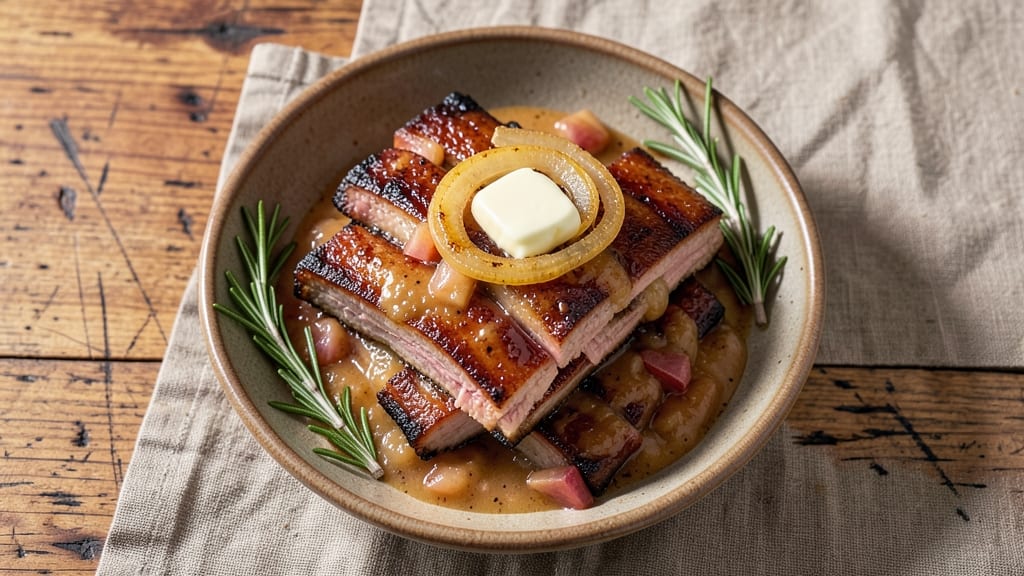
This pork ribs with apple sauce recipe transforms tough cuts into fall-off-the-bone tenderness with a sweet-tart glaze that caramelizes the meat edges into irresistible crispness. The secret lies in balancing the natural sweetness of apples with just enough acidity to cut through the richness, creating a sauce that's both vibrant and deeply flavorful. I developed this method after years of experimenting with different glaze techniques, and it consistently delivers restaurant-quality results at home.
The process begins with a simple dry rub that enhances the ribs' natural flavor before they're slow-cooked to perfection. Whether you choose to grill, braise, or bake, the key is patience—allowing the meat to break down slowly while the apple sauce simmers into a thick, glossy glaze.
This isn't just a side dish; it's the star of the meal, turning an ordinary weeknight dinner into something special.
By the time you're done, you'll have ribs that are tender enough to pull apart with a fork, coated in a glossy, caramelized apple sauce that adds a perfect balance of sweet and tangy flavors.
The sauce clings to every bite, creating a harmonious blend that's both comforting and sophisticated. Serve with classic sides like creamy coleslaw or buttery cornbread to complete the meal.
This recipe is designed to be foolproof, with step-by-step instructions that ensure success every time. Whether you're cooking for a family gathering or treating yourself to a special meal, these pork ribs with apple sauce will impress even the most discerning palates. Let's get started!
Ingredients for pork ribs apple sauce
Sweet-tart balance meets smoky ribs—just 14 ingredients for restaurant-worthy flavor.
| Ingredient | Amount | Notes |
|---|---|---|
| Pork Ribs (Baby Back) 🥓 | 4 lb | Bone-in, meaty cuts preferred |
| Granulated Sugar 🍚 | ½ cup | For caramelization |
| Apple Cider Vinegar 🍎 | ¼ cup | For tangy balance |
| Unsalted Butter 🧈 | ½ cup | Full-fat for richness |
| Yellow Onion 🧅 | 1 whole | Diced, for sauce base |
| Garlic Cloves 🧄 | 4 cloves | Minced for aromatic depth |
| Fresh Cinnamon Sticks 🌿 | 2 whole | For subtle warmth |
| Fresh Rosemary 🌿 | 2 tbsp | Chopped, for herbal notes |
| Salt 🧂 | 2 tbsp | Kosher or sea salt |
| Ground Black Pepper 🌶️ | 1 tbsp | Freshly ground preferred |
| Smoked Paprika 🌶️ | 1 tbsp | For smoky depth |
| Apples (Honeycrisp or Fuji) 🍎 | 2 whole | Peeled, cored, chopped |
| Apple Juice (unsweetened) 🍏 | ½ cup | For sauce consistency |
| Water 💧 | ½ cup | For simmering sauce |
The ribs are non-negotiable here. Baby back cuts are ideal, but spare ribs work too—just add 30 minutes to cooking time. Look for ribs with good marbling and a vibrant pink color (not grayish). Costco or Whole Foods usually have the best quality, but your local butcher might have even fresher options. If you're buying frozen, thaw them overnight in the fridge—never in hot water, or they'll turn mushy. The apples? Honeycrisp or Fuji are perfect—they're sweet enough to caramelize but tart enough to balance the sauce. If you can't find them, Granny Smith works in a pinch, but you'll need to add a touch more sugar to compensate for the tartness.
No apple cider vinegar? White vinegar or lemon juice works, but you'll need to cut the amount to half a tablespoon—it's more acidic. The butter is crucial for richness, so don't substitute margarine. Want to skip the cinnamon sticks? Ground cinnamon at half the amount is fine, but the sticks infuse deeper flavor. The rosemary can be swapped for thyme or sage if you're out, but trust me, it's worth hunting down. For the apples, if you're short on time, unsweetened applesauce works in a bind, but fresh apples give that glossy, caramelized texture the sauce needs. And if you're feeling fancy, add a splash of bourbon or apple brandy to the sauce for an adult twist.
Ribs keep best in the fridge for 2 days before cooking—wrap them tightly in plastic wrap or foil to keep them moist. The sauce can be made a day ahead and reheated gently on the stove; it actually tastes better after the flavors meld overnight. Store it in an airtight container in the fridge for up to 5 days. For leftovers, ribs reheat beautifully in a 350°F oven for 15-20 minutes, covered with foil. The sauce? Just warm it on the stovetop—no need to thicken it again. Freeze portions of sauce for up to 3 months; thaw overnight in the fridge before reheating. And if you're making this for a crowd, double the sauce recipe—it's that good.
Why You'll Love This Recipe
- Sweet-Savory Balance: The apple cider vinegar and sugar combo caramelizes into a glossy glaze that’s ridiculously good—tangy, sweet, and sticky enough to make your ribs fall off the bone. Honestly, that first bite where the crispy edge meets the tender meat? It’s the kind of flavor that makes you forget to breathe.
- One-Pan Magic: Between us, this recipe is my secret weapon for lazy Sundays. Toss the ribs and sauce in one pan, cover it, and let the oven do the work—no flipping, no fussing, just hands-off perfection. My daughter even helps me baste them (she’s obsessed with the smell).
- Leftovers for Days: That sauce? It’s dangerously good reheated. I’ve turned cold ribs into sandwiches, tacos, and even a last-minute charcuterie board staple—just slap on some cheese, and suddenly you’ve got a gourmet moment. (Yes, even on a Tuesday night.)
- Budget-Friendly Feast: Baby back ribs might sound fancy, but this recipe stretches them far—you’re talking full meals for four with minimal cost. Plus, the onions and vinegar add depth without breaking the bank. I’ll be real: it’s the kind of dish that makes you feel like you’re feeding a crowd without the grocery bill to match.
Step-by-step instructions for pork ribs with apple sauce
This method delivers tender ribs with a glossy, caramelized crust and a sweet-tart apple sauce that clings to every bite.
Prep and Season the Ribs for Maximum Flavor
Start by patting the 4 lb pork ribs (baby back) completely dry with paper towels—this ensures a perfect sear. In a small bowl, combine 2 tbsp salt, 1 tbsp ground black pepper, 1 tbsp smoked paprika, and 2 tbsp chopped fresh rosemary. Rub this mixture all over the ribs, pressing firmly so the spices adhere. Let them sit at room temperature for 30 minutes while you prep the sauce—this helps the seasoning penetrate deeper.
Here's the thing—don't skip the rosemary. It adds an herbal depth that balances the sweetness of the apple sauce. If you're using bone-in cuts, make sure to season the meaty parts thoroughly, as those are where the most flavor develops during cooking. The ribs should look uniformly coated and slightly glistening from the oil in the butter you'll add later.
Build the Apple Sauce Base
In a large Dutch oven or heavy pot, melt 0.5 cup unsalted butter over medium heat. Add the 1 whole yellow onion (diced) and cook for 5-6 minutes until softened and translucent. Stir in the 4 cloves garlic (minced) and cook for another 30 seconds until fragrant—this prevents the garlic from burning, which would make the sauce bitter.
Add the 2 whole fresh cinnamon sticks and 0.5 cup granulated sugar, stirring to combine. Cook for 2 minutes until the sugar begins to caramelize slightly at the edges. This step is crucial—it develops the foundation for that glossy finish on your ribs. If you notice the sugar burning before it caramelizes, reduce the heat slightly and keep stirring.
Simmer the Sauce with Apples and Vinegar
Pour in the 0.25 cup apple cider vinegar and scrape up any browned bits from the bottom of the pot—this releases all the flavor locked in the caramelized sugar. Add the 2 whole apples (peeled, cored, chopped) and 0.5 cup apple juice (unsweetened), then stir to combine. Bring the mixture to a gentle simmer over medium-low heat and let it cook for 15 minutes, partially covered, until the apples break down into a thick, chunky sauce.
Here's where the magic happens: the vinegar cuts through the sweetness while the apples release their natural pectin, creating a sauce that's thick enough to cling to the ribs. If the sauce starts to stick to the pot, add 0.5 cup water to maintain the right consistency. The sauce should be thick but still spoonable—you want it glossy, not gluey.
Cook the Ribs to Perfect Tenderness
Increase the heat to medium-high and carefully add the seasoned ribs to the Dutch oven. Pour the apple sauce over the ribs, making sure it coats them evenly. Cover the pot with a lid and reduce the heat to low. Let the ribs cook for 2.5-3 hours, turning them occasionally and spooning sauce over the top to ensure they stay moist and develop that glossy crust.
Real talk: the ribs are done when they're fork-tender and pull away from the bone easily. You'll know they're ready when the internal temperature reaches 195-203°F at the thickest part of the meat. The sauce should reduce slightly and become even more concentrated in flavor. If the sauce seems too thin at this point, uncover the pot and simmer for another 10 minutes to thicken it further.
Rest and Serve with Glossy Perfection
Once the ribs are perfectly tender, transfer them to a serving platter and let them rest for 10 minutes. This resting period allows the juices to redistribute, ensuring each bite is moist and flavorful. During this time, skim any excess fat from the sauce if desired—though I like to leave a little for richness.
Serve the ribs hot, spooning the glossy apple sauce over the top or on the side. The sauce should be thick enough to cling to the ribs, offering a perfect balance of sweet and tangy flavors with every bite. The edges of the ribs will have that beautiful caramelized crust from the sauce, while the meat inside remains tender and juicy. Pair with crusty bread to soak up any extra sauce—trust me, you'll want every last drop.
Pro Tips For Making Pork Ribs Apple Sauce
- Trim the Fat First: Baby back ribs have that fatty membrane on the bone side—peel it off before cooking. I learned this the hard way when my ribs turned greasy instead of tender. A sharp knife and steady hand make this step faster than you’d think.
- Sweat the Onion Low: Don’t rush the onion—cook it on medium-low heat until it’s soft and translucent, not browned. I used to rush this, and the sauce ended up tasting raw. A splash of apple cider vinegar halfway through keeps it bright and stops bitterness.
- Skip the Boiling Vinegar: Add apple cider vinegar to the sauce after the ribs are mostly cooked, not at the start. I once dumped it in early, and the acid turned the butter grainy. Save it for the last 5 minutes to balance flavor without breaking the sauce.
- Use Cold Butter: Stir in cubed unsalted butter at the end when the sauce is off the heat—it’ll melt instantly and coat everything smoothly. I tried adding it hot once, and it separated like a sad salad dressing. Cold butter = silky sauce.
Perfect pairings for this recipe
Sauce Variations
The classic apple sauce in this recipe is versatile—try swapping Honeycrisp apples for Braeburn or Pink Lady for a deeper tartness. For a smoky twist, add 1 tbsp chipotle powder to the sauce base while simmering.
If you prefer a smoother texture, blend the cooked apples with ¼ cup apple juice until silky. 🍎
Glaze Techniques
For extra caramelization, brush the ribs with sauce twice during cooking: first after 1 hour, then again after 2 hours. For a sticky glaze, reduce the sauce uncovered on high heat for 5-7 minutes until it thickens to a syrup-like consistency.
Save a small batch of sauce to glaze the ribs just before serving for that restaurant-quality shine.
Beverage Pairings
A crisp American pale ale like Fat Tire complements the sweet-tart balance perfectly—its malty notes mirror the caramelized sauce. For wine lovers, a dry Riesling cuts through the richness while enhancing the apple flavors. Coffee drinkers? A bold dark roast with a splash of cream balances the meal’s sweetness. 🍺
Side Dish Harmony
Creamy coleslaw with a tangy vinegar dressing provides the perfect crunch to contrast the ribs' tenderness. For a heartier option, serve with cornbread or buttery dinner rolls to soak up the sauce. A simple green salad with a balsamic vinaigrette adds freshness to the rich meal. 🥗
Make-Ahead Sauce
Prepare the apple sauce a day ahead—it actually tastes better as flavors meld! Store in an airtight container in the fridge for up to 5 days. Reheat gently on the stove, adding 1 tbsp water if it thickens too much.
For the ribs, season them the night before and refrigerate uncovered for maximum flavor penetration. 💡
Nutrition facts
Frequently asked questions
Can I use spare ribs instead of baby back ribs?
Yes, but you'll need to adjust the cooking time. Spare ribs are tougher and larger, so increase the total cooking time to 3-3.5 hours and add 1 extra cinnamon stick to the sauce for deeper flavor. The apple sauce will still work perfectly—the longer cooking time lets the fat render out, making the meat even more tender.
How do I prevent the apple sauce from being too sweet?
Balance the sweetness by adding 1 extra tablespoon of apple cider vinegar when simmering the sauce. For tart apples like Granny Smith, reduce the sugar to 0.375 cup instead of 0.5 cup. The vinegar cuts through sweetness while the cinnamon adds warmth without overpowering. Taste as you go—adjust in 1-teaspoon increments!
What's the best way to reheat leftover ribs with sauce?
Wrap ribs tightly in foil with a spoonful of sauce and reheat at 300°F for 15 minutes. For extra crispiness, broil for 2-3 minutes at the end. Reheat sauce separately on the stovetop over low heat, adding 1 tablespoon water if it thickens too much. Never microwave—it makes the sauce rubbery.
Can I make this recipe in a slow cooker?
Brown the ribs first in a skillet, then transfer to the slow cooker with the sauce. Cook on low for 6-7 hours or high for 4-5 hours. The sauce will thicken naturally, and the ribs will be fork-tender. For extra shine, brush with reserved sauce during the last 30 minutes of cooking.
Why did my ribs turn out dry?
Overcooking is the most common cause—ribs should reach 195-203°F internally. Keep the lid on tightly and avoid peeking! If using a grill, wrap ribs in foil after the first hour to trap steam. For oven cooking, reduce heat to 275°F and cook longer at a lower temp. The apple sauce should always stay moist—if it dries out, add 2 tbsp apple juice while simmering.