
Main Courses
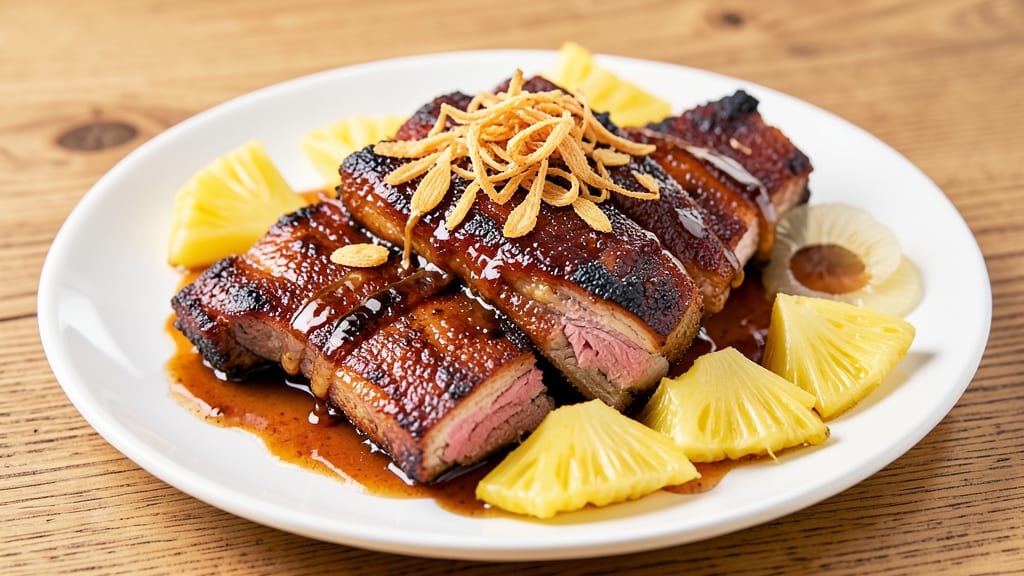
This Filipino-style pork ribs with pineapple recipe delivers that perfect balance of smoky, sweet, and tangy flavors that make every bite unforgettable. 🔥 After years of perfecting this dish at The Smoky Pig, I’ve cracked the code for tender ribs glazed with caramelized pineapple and a touch of soy sauce—just like my favorite Filipino grill houses.
The secret lies in marinating the ribs overnight, ensuring they stay juicy while absorbing those vibrant flavors.
The beauty of this recipe is its versatility—whether you grill, braise, or slow-cook, the ribs emerge fall-off-the-bone tender with a sticky-sweet glaze that’s impossible to resist.
I use a blend of pineapple juice and vinegar for the marinade, which not only tenderizes the meat but also adds that signature tangy depth. The pineapple isn’t just a garnish; it’s the star, caramelizing into a glossy glaze that ties everything together.
By the time you’re done, you’ll have ribs that are crispy on the edges, tender in the center, and dripping with that perfect balance of sweet and savory.
Serve them with steamed rice to soak up every last drop of that delicious glaze, and don’t forget a side of atchara for that tangy crunch. This is the kind of dish that turns a simple weeknight dinner into a celebration.
Trust me, once you try this recipe, you’ll never go back to basic ribs again. The technique is foolproof, and the flavors are pure comfort food magic. Let’s get cooking!
Ingredients for pork ribs with pineapple filipino
Pineapple, soy sauce, and smoky ribs—just 14 ingredients for Filipino comfort food magic.
| Ingredient | Amount | Notes |
|---|---|---|
| Pork Baby Back Ribs 🍖 | 3 lb | Bone-in, meaty ends included |
| Fresh Pineapple 🍍 | 1 whole | Juicy variety, cut into chunks |
| Pineapple Juice 🍍 | 1 cup | Freshly squeezed, no pulp |
| Cane Vinegar 🍶 | ½ cup | White or apple cider vinegar |
| Soy Sauce 🥄 | ¼ cup | Light or regular, not low-sodium |
| Brown Sugar 🍚 | ½ cup | Packed, light or dark |
| Garlic Cloves 🧄 | 6 cloves | Minced, fresh preferred |
| Ginger Root 🌿 | 1 tbsp | Fresh, grated, not powdered |
| Black Peppercorns 🌶️ | 1 tsp | Freshly cracked, not ground |
| Olive Oil 🫒 | ¼ cup | Extra-virgin, for marinade |
| Salt 🧂 | 1 ½ tbsp | Kosher or sea salt |
| White Vinegar 🍶 | 1 tbsp | For balancing sweetness |
| Green Onions 🧅 | 2 whole | Sliced, for garnish |
| Sesame Oil 🫒 | 1 tsp | Toasted, for finishing |
The ribs are non-negotiable—baby back for tenderness, bone-in for flavor. Costco or Trader Joe's usually have the best prices, but any grocery store will work. Look for ribs with good meat coverage and minimal fat. Pineapple is the star, so grab a ripe but firm one—juicy varieties like Gold or Smooth Cayenne work best. If you can't find fresh pineapple juice, canned pineapple juice (no sugar added) is fine, but strain out the pulp for a smoother marinade. The garlic and ginger? Freshly grated or minced makes all the difference—pre-ground spices just won't cut it here.
No pineapple juice? Coconut milk works in a pinch, but it’ll change the flavor profile. Running low on soy sauce? Coconut aminos is a decent substitute, though it’s more expensive. The brown sugar can be swapped for coconut sugar if you’re avoiding refined sugar, but the texture might be slightly different. If you’re grilling, charcoal or hardwood pellets give the best smoky flavor—gas grills work too, just crank up the heat. The sesame oil is for finishing, so don’t skip it—it adds that authentic umami punch. And trust me, freshly cracked black pepper tastes worlds better than pre-ground.
Marinate the ribs overnight—they’ll thank you later. Store the marinade in a glass jar in the fridge, and give it a good shake before using. The ribs keep 2-3 days in the fridge once cooked, but they’re even better reheated the next day. For leftovers, wrap tightly in foil and reheat in the oven at 300°F until warm. The pineapple chunks can be frozen for up to 3 months—perfect for quick glaze additions later. And if you make extra marinade? Save it for brining chicken—it’s amazing stuff.
Why You'll Love This Recipe
- One-Pan Magic: I swear by this recipe because it’s that simple—just ribs, pineapple chunks, and a quick glaze of soy, vinegar, and pineapple juice. No flipping pans, no fussing with marinades. Honestly, the hardest part is waiting for the ribs to caramelize.
- Sweet-Savory Balance: That tangy-sweet glaze? It’s the star. The cane vinegar cuts through the richness of the ribs while the pineapple adds just enough brightness to make every bite ridiculously good. (Yes, even the kids will fight over the last piece.)
- Leftovers for Days: Cook a big batch and you’ll have lunch covered for the week. The ribs stay tender when reheated, and the sauce clings perfectly—great for sandwiches or rice bowls. Between us, I’ve eaten these cold from the fridge, and they’re still solid.
- Budget-Friendly Feast: Pork ribs are a splurge, but this recipe stretches them far. A single pineapple and a bottle of soy sauce go a long way, and the vinegar adds depth without breaking the bank. My go-to for gatherings when I don’t want to overspend.
Step-by-step instructions for pork ribs with pineapple Filipino style
Here's how to create that perfect balance of smoky, sweet, and tangy flavors.
👨🍳 Step 1: Prepare the Marinade and Season the Ribs
In a large bowl, combine the 1 cup pineapple juice, 0.5 cup cane vinegar, 0.25 cup soy sauce, 0.5 cup brown sugar, 6 cloves minced garlic, 1 tbsp grated ginger, 1 tsp cracked black peppercorns, and 1.5 tbsp salt. Whisk until the brown sugar dissolves completely. This marinade is the flavor foundation - you'll notice the aromas intensify as the ingredients meld together.
Pat the 3 lb pork baby back ribs dry with paper towels, then place them in a large resealable bag. Pour the marinade over the ribs, making sure they're completely coated. Seal the bag and refrigerate for at least 4 hours (overnight is even better). The acidity in the vinegar and pineapple will begin breaking down the meat fibers, ensuring tender ribs. I like to turn the bag occasionally to ensure even coating.
🍳 Step 2: Grill the Ribs to Perfect Doneness
Preheat your grill to medium-high heat (around 375-400°F). Remove the ribs from the marinade (don't drain) and place them bone-side down on the grill. Close the lid and cook for 20-25 minutes, until you see those beautiful grill marks forming and the ribs start to brown. Here's the thing - don't move them around too much during the first 10 minutes. Let them develop that crust.
After the initial sear, flip the ribs bone-side up and continue grilling for another 15-20 minutes, brushing occasionally with any remaining marinade. You'll know they're close to done when the internal temperature reaches 195-203°F (use a meat thermometer inserted into the thickest part of the meat). The ribs should be tender enough that they fall apart easily with a fork but still have a slight resistance when you press them.
🥘 Step 3: Create the Sticky-Sweet Glaze
While the ribs are grilling, prepare the pineapple mixture. In a medium saucepan, combine the 1 whole fresh pineapple (cut into chunks), 1 tbsp white vinegar, and 1 tsp sesame oil. Cook over medium heat for 8-10 minutes until the pineapple softens slightly and releases its juices. You want to preserve some texture, so don't overcook it.
In a small bowl, mix together 2 tbsp of the reserved marinade (from the bag) with 1 tbsp brown sugar. This will be your finishing glaze. Once the pineapple is tender, transfer it to a blender or food processor and puree until smooth. Strain through a fine-mesh sieve to remove any fibrous bits if you prefer a silky texture.
🔥 Step 4: Glaze and Finish the Ribs
When the ribs reach the proper internal temperature, transfer them to a large platter. Pour the pineapple puree over the ribs, making sure to coat them evenly. Then brush on the sugar-marinade glaze, working quickly so the ribs don't cool down too much. Return the ribs to the grill (or transfer to a baking sheet if using an oven) and grill for another 5-7 minutes, basting with the glaze until it caramelizes and becomes sticky.
The ribs are done when they're completely coated in that glossy, caramelized glaze and the edges are slightly charred. This is where the magic happens - the combination of the smoky grill flavor, tender meat, and sweet-tangy glaze creates that perfect Filipino restaurant taste. The glaze should be thick enough to coat a spoon but still drizzle slightly when poured.
🍽️ Step 5: Serve with Fresh Garnishes
Transfer the ribs to a serving platter and let them rest for 5 minutes. This resting period allows the juices to redistribute throughout the meat. While they rest, slice the 2 whole green onions into thin rings. Garnish the ribs with the green onions just before serving.
Serve the ribs immediately, cutting between the bones for easy eating. The combination of tender, smoky ribs with that sweet-tangy pineapple glaze is what makes this dish so special. Each bite should deliver a perfect balance of flavors - the savory pork, the sweet pineapple, and that subtle tang from the vinegar. The green onions add a fresh contrast that cuts through the richness.
Pro Tips For Making Pork Ribs With Pineapple Filipino
- Trim the Membrane: That thin white membrane on the bone side of the ribs? Scrape it off before cooking—it’ll keep your ribs from curling up and make the sauce cling better. Use a butter knife or your fingers (gloves help) and dig under it like you’re prying open a stubborn jar lid.
- Char the Pineapple: Skip the raw chunks—grill or sear the pineapple slices first. The caramelized edges cut through the richness of the ribs and add a smoky depth that store-bought juice can’t match. Brush them lightly with oil and hit them hard over direct heat for 2-3 minutes per side.
- Balance the Vinegar: Cane vinegar is potent, and too much will turn your sauce sour. Start with 2 tablespoons per cup of pineapple juice, then taste as you simmer. If it’s biting, add a splash of soy sauce or a pinch of sugar to round it out—this sauce should taste like a hug, not a slap.
- Braise, Don’t Boil: After searing the ribs, cover them with sauce and simmer on low heat—think 30-45 minutes, not 10. High heat turns the sauce into glue and toughens the meat. A gentle bubble keeps the ribs tender and the sauce glossy. I learned this the hard way when my ribs came out chewy and the sauce separated like oil and water.
Storing and reheating this dish
Refrigerator Storage
Your Filipino-style pork ribs with pineapple glaze stay fresh in the fridge for 2-3 days when stored properly. I recommend transferring the ribs to an airtight container lined with parchment paper to prevent sticking.
The pineapple glaze will thicken slightly, so add 1-2 tablespoons of water when reheating to restore its silky consistency. 💫
For maximum flavor retention, let the ribs cool completely before refrigerating. Store them in a single layer to maintain their shape, and always keep them submerged in their glaze. The acidity from the pineapple helps preserve the meat's tenderness longer than traditional BBQ sauces.
Freezer Prep
Freezing these ribs is a game-changer for meal prep. Wrap each rack tightly in heavy-duty aluminum foil, then place them in a freezer bag with all the glaze. Label with the date - they'll keep for up to 3 months without losing their signature sweet-tangy flavor.
When ready to eat, thaw overnight in the fridge for even cooking.
Pro tip: Freeze the ribs with their glaze still on. The pineapple's natural sugars act as a protective barrier against freezer burn. Just add 5-10 extra minutes to your cooking time when reheating from frozen.
Oven Reheating
My preferred method for reheating is the oven - it preserves that perfect caramelized crust. Preheat to 300°F and place the ribs on a baking sheet lined with foil.
Cover loosely with foil and heat for 15-20 minutes, basting with 2 tablespoons of water every 5 minutes to prevent drying. The ribs should reach 165°F internal temperature when done. 🔥
For extra crispiness, broil for the final 2 minutes after removing from the oven. This reactivates the caramelization process, giving you that restaurant-quality finish. The pineapple glaze will bubble up beautifully - just be careful not to burn it.
Grill Reheating
If you're using the grill, preheat to medium heat (350°F) and place the ribs bone-side down. Cover and cook for 10-12 minutes, brushing with 1 tablespoon of reserved marinade every 3 minutes. The direct heat helps restore that smoky flavor profile that gets lost during storage.
For best results, reheat ribs that were originally grilled on the grill. The heat transfer maintains the proper texture contrast between the tender meat and crispy edges. Just watch closely - the glaze will caramelize quickly on the grill.
Microwave Shortcut
When you're in a hurry, the microwave works surprisingly well. Place the ribs on a microwave-safe plate with 2 tablespoons of water, cover with a damp paper towel, and heat on 50% power for 3-4 minutes.
Stir halfway through to distribute the heat evenly. The ribs won't be as crispy as oven-reheated, but they'll be hot and delicious. ✨
For a quick glaze refresh, microwave the pineapple puree separately for 1 minute and brush it over the ribs after heating. This restores that glossy finish that makes the dish look (and taste) restaurant-quality.
Nutrition facts
Frequently asked questions
Can I use regular ribs instead of baby back ribs?
You can absolutely use spare ribs, but they'll need extra time to become tender. Spare ribs have more connective tissue, so plan for 1-2 additional hours of cooking. The pineapple glaze works beautifully with either cut—just monitor the internal temperature closely to avoid drying out.
What's the best way to substitute fresh pineapple?
For convenience, use canned pineapple chunks in juice (drained), but add 1 extra tablespoon of vinegar to compensate for the lack of fresh acidity. If using frozen pineapple, thaw it first and pat dry to prevent excess moisture in your glaze. The texture will be slightly different, but the sweet-tangy flavor remains intact.
How do I make these ribs in the oven instead of grilling?
Preheat your oven to 275°F and place the ribs on a rack in a roasting pan. Cook for 2.5-3 hours until tender, basting with marinade every 45 minutes. For the glaze, finish under the broiler for 3-5 minutes to caramelize. The oven method gives you more control over temperature, making it ideal for cooler weather.
Can I make the marinade ahead of time?
Yes! Store the marinade in an airtight container in the fridge for up to 5 days. It actually tastes better after resting as the flavors meld. When ready to use, simply add the ribs and marinate for at least 4 hours. Pro tip: Save any leftover marinade for future meals—it's perfect for brining chicken or tofu.
Why did my ribs turn out dry?
Overcooking is the most common cause. Use a meat thermometer and remove ribs when they reach 195-203°F—they'll continue cooking slightly while resting. Another culprit could be high heat—keep your grill or oven at medium-high or lower. The pineapple glaze should be applied after the ribs are fully cooked to lock in moisture.