
Main Courses
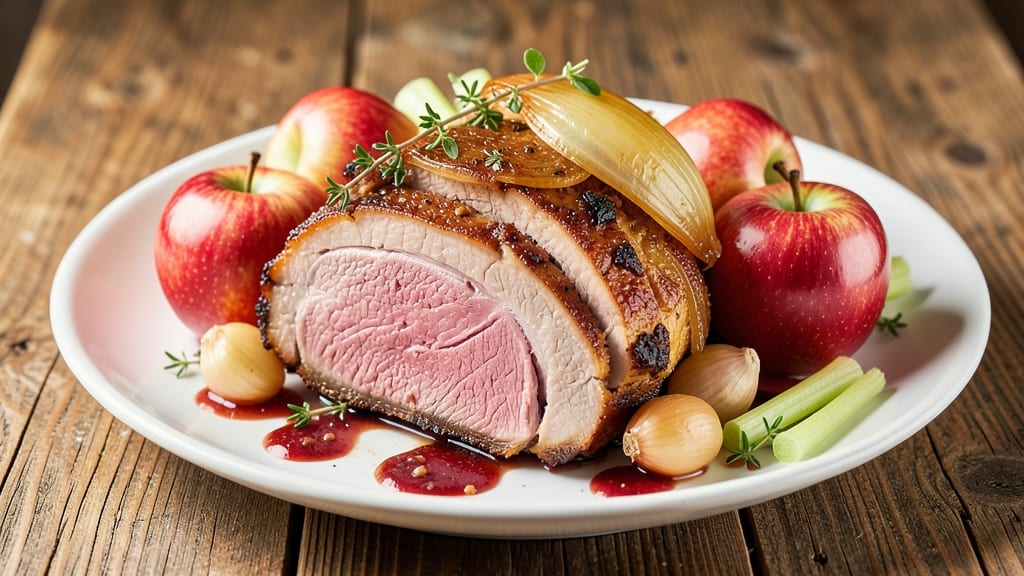
This pork shoulder with apples recipe transforms humble ingredients into a showstopping centerpiece that balances rich, tender meat with crisp celery and sweet-tart apple crunch. 🌟 I developed it after years of perfecting slow-braised pork—where the apples caramelize into a glossy glaze while the celery stays delightfully crisp, cutting through the fat.
The secret? A two-stage braise that renders fat for flavor while keeping the apples from turning mushy.
What sets this dish apart is the textural contrast that makes every bite exciting—juicy, pull-apart pork shoulder, sweet apples with just a hint of bite, and celery that adds freshness without overpowering.
The recipe draws from French confit techniques but simplifies them for home cooks, using just five key ingredients that work together like a well-rehearsed ensemble. No fancy equipment needed beyond a heavy pot and patience.
By the time you serve this, your table will smell like a Southern farmhouse kitchen, where the pork falls apart at the touch of a fork and the apples release their natural juices in perfect harmony.
The celery adds that essential crunch, while the rendered fat creates a sauce that coats every bite. This is the kind of dish that turns weeknight dinners into memorable gatherings—without requiring hours of prep.
Pair it with crusty sourdough to soak up the juices or simple mashed potatoes to balance the richness. The leftovers? Even better the next day, as the flavors deepen and the pork becomes impossibly tender. Let’s get cooking—this recipe delivers restaurant-quality results with minimal fuss.
Ingredients for pork shoulder apple
Five key ingredients transform humble pork shoulder into a restaurant-worthy centerpiece with crisp apples and celery crunch.
| Ingredient | Amount | Notes |
|---|---|---|
| Pork Shoulder (Bone-In) 🍖 | 4 lb | Well-marbled, cut into 2-inch chunks |
| Honeycrisp Apples 🍎 | 3 whole | Peeled, cored, cut into 1-inch chunks |
| Celery Stalks 🧅 | 4 whole | Trimmed, cut into 2-inch pieces |
| Yellow Onion 🧅 | 1 whole | Peeled, sliced into 1/4-inch rounds |
| Garlic Cloves 🧄 | 6 cloves | Peeled, smashed |
| Fresh Thyme 🌿 | ¼ cup | Stems removed, leaves chopped |
| Fresh Rosemary 🌿 | ⅛ cup | Needles only, finely chopped |
| Apple Cider Vinegar 🍏 | ¼ cup | Bragg or similar brand preferred |
| Kosher Salt 🧂 | 1 ½ tbsp | Diamond Crystal preferred |
| Freshly Ground Black Pepper 🌶️ | 1 tbsp | Cracked peppercorns preferred |
| Olive Oil 🫒 | ¼ cup | Extra-virgin, for searing |
| Beef Broth 💧 | 1 ½ cups | Low-sodium preferred |
| Brown Sugar 🍚 | ¼ cup | Light or dark, packed |
The pork shoulder is non-negotiable for this dish—look for well-marbled cuts at Whole Foods or your local butcher shop. Honeycrisp apples deliver the perfect balance of sweetness and tartness, but Fuji or Gala work well too. The celery should be crisp and firm, with no browning at the base. For the best flavor, source your fresh thyme and rosemary from the bulk section at Trader Joe's or a specialty market. The apple cider vinegar adds depth, so avoid the cheap stuff—Bragg is my go-to for consistent results. Prep all your vegetables before starting; efficiency is key when you're working with a two-stage braise.
No Honeycrisp apples? Granny Smith adds tartness, while Gala or Braeburn will sweeten the dish. Substitute leeks for onion if you prefer, but the onion's sharpness cuts through the richness beautifully. Running short on thyme? Fresh oregano at half the amount works in a pinch, though it lacks the piney depth. For the vinegar, white wine vinegar is a decent swap, but it won't carry the same apple-forward complexity. The beef broth can be swapped for vegetable broth if you're avoiding meat-based liquids, though the pork's natural fat will still render flavorful sauce. If you're feeling ambitious, toast your brown sugar in a dry pan for 2-3 minutes to deepen its caramel notes before adding it to the braise.
This dish tastes even better the next day as the flavors meld, so plan ahead—it reheats beautifully in a 325°F oven for 20-25 minutes. Store leftovers in an airtight container with the rendered fat preserved on top for up to 5 days. For longer storage, freeze portions for up to 3 months. The apples and celery can be prepped ahead and refrigerated for 2 days before braising, but add them to the pot just before the final hour of cooking to maintain their crisp texture. The rendered fat from the pork is liquid gold—save it for future braises or roasts, or drizzle it over mashed potatoes for extra richness.
Why You'll Love This Recipe
- One-Pan Magic: I swear by this recipe when I’m too tired to scrub pots—just toss the pork, apples, celery, and onion on a sheet pan, add a splash of broth, and let the oven do the work. The apples caramelize right alongside the meat, so you get two things cooking at once with zero fuss.
- Sweet-Savory Balance: That crisp Honeycrisp bite cutting through tender pork? It’s like fall in your mouth. The onions and garlic mellow into something rich, but the apples keep it bright—no heavy sauces, just pure, satisfying harmony.
- Leftovers That Shine: Between us, this dish tastes better the next day. The pork gets even more fall-apart tender, and the apples soak up all the juices. I pack it for lunches or reheat slices for breakfast—yes, even on a Tuesday morning.
- Budget-Friendly Crowd-Pleaser: A bone-in pork shoulder stretches for a week’s worth of meals, and Honeycrisp apples are cheaper than you think when you buy them in season. Plus, celery and onions last forever in the crisper. It’s the kind of recipe that makes grocery shopping feel like a win.
Step-by-step instructions for slow-braised pork shoulder with apples
Master this technique and you'll achieve melt-in-your-mouth pork with sweet-tart apple crunch every time.
🔥 Step 1: Sear the Pork Shoulder for Deep Flavor
Heat a Dutch oven over medium-high heat until very hot. Add the 0.25 cup olive oil and let it shimmer for 1 minute. Working in batches if needed, add the 4 lb pork shoulder (bone-in) in 2-inch chunks, arranging them in a single layer. Don't crowd the pan—this ensures proper browning.
Sear each piece for 3-4 minutes per side until deeply golden brown with crispy edges. The pork should release easily from the pan when ready. Transfer the seared pork to a plate and set aside. Here's the thing—this searing step builds flavor through the Maillard reaction, which creates that rich, caramelized crust you'll taste in every bite.
👨🍳 Step 2: Build the Aromatic Base
In the same Dutch oven, add the 4 whole celery stalks (cut into 2-inch pieces), 1 whole yellow onion (sliced into ¼-inch rounds), and 6 cloves garlic cloves (smashed). Cook over medium heat for 5-6 minutes, stirring occasionally, until the vegetables soften and begin to caramelize.
Add the 0.25 cup fresh thyme and 0.125 cup fresh rosemary, stirring for 30 seconds until fragrant. Pour in the 0.25 cup apple cider vinegar and scrape up any browned bits from the bottom of the pan. These bits are packed with flavor—don't miss this step. Let the vinegar simmer for 2 minutes until reduced by half.
🥘 Step 3: Combine and Braise Until Tender
Return the seared pork to the Dutch oven. Add the 3 whole honeycrisp apples (cut into 1-inch chunks), 1.5 cups beef broth, and 0.25 cup brown sugar. Stir to combine, then sprinkle with the 1.5 tbsp kosher salt and 1 tbsp freshly ground black pepper. The apples should be partially submerged in the liquid.
Bring the mixture to a gentle simmer over medium-low heat, then cover tightly with a lid. Transfer to a 300°F oven and braise for 3-3.5 hours until the pork is fork-tender and pulls away from the bone. The apples should be tender but still hold their shape with a slight crunch. Real talk: This is where patience pays off—the slow cook transforms tough pork into tender perfection.
⏰ Step 4: Rest and Serve with Crisp Contrast
Remove the pork from the braising liquid and transfer it to a cutting board. Tent loosely with foil and let it rest for 15-20 minutes. This resting period allows the juices to redistribute, ensuring each bite is moist and flavorful. Skim any excess fat from the braising liquid and reduce it over medium heat for 3-4 minutes until slightly thickened.
Slice the pork against the grain into ¼-inch thick slices. Serve the pork over a bed of the braised apples and vegetables, ladling the reduced sauce generously over the top. The contrast of tender pork with the slight crunch of the apples creates a perfect balance of textures. Garnish with additional chopped fresh thyme if desired—this dish shines when served immediately while the apples still retain their subtle crunch.
Pro Tips For Making Pork Shoulder Apple
- Sear the Pork Hard: Cast iron or stainless steel only—get those apple slices and pork shoulder edges blistered and caramelized before adding liquid. I used to rush this, and the flavors stayed dull. Two minutes per side, high heat, no crowding the pan.
- Core the Apples: Honeycrisp stays crispest when you remove the core after slicing, not before. Cut into wedges first, then dig out the stem with a paring knife—keeps them from turning to mush while braising.
- Salt the Pork Twice: Generously salt the pork shoulder before searing, then again when it goes into the pot with apples. The first layer gets locked in during the sear, the second balances the sweetness later. Yes, even if it looks dry at first.
- Deglaze with Apple Juice: After searing, scrape up those browned bits with a splash of apple juice (not water) before adding the full braising liquid. It cuts through the richness and adds natural depth—no extra ingredients needed.
Flavor customization for these flavors
Sweet-Tart Apple Variations
Swap the Honeycrisp apples for Granny Smith to add sharp tartness that cuts through the richness of the pork. For a sweeter profile, use Gala or Braeburn apples—they caramelize beautifully while keeping their natural juiciness.
I once used Pink Lady apples in a late-season braise, and their floral notes elevated the dish to new heights. 🍏
For a spiced twist, toss the apple chunks with ½ tsp ground cinnamon and ¼ tsp nutmeg before adding them to the braise. This works especially well with Fuji apples—the warmth of the spices complements their natural sweetness perfectly.
If you're feeling adventurous, try apple cider reduction by simmering 1 cup apple cider with 1 tbsp brown sugar until syrupy, then drizzling it over the finished dish.
Celery & Onion Swaps
Replace the celery with leeks for a milder, sweeter flavor that pairs beautifully with the pork. Slice them into ¼-inch rounds just like the onion, and they'll soften without losing their subtle sweetness.
For extra depth, add 1 tbsp apple cider vinegar directly to the braising liquid—it enhances the celery's natural crunch while balancing the pork's richness.
If you prefer a sharper onion flavor, swap the yellow onion for red onion or shallots. Shallots, in particular, add a delicate sweetness that won’t overpower the dish. I often use 1 large shallot minced finely and sautéed with the garlic for a more refined aromatic base. 🧅
Herb & Spice Customizations
For a herbaceous twist, add ½ cup fresh parsley at the end of cooking—it brightens the dish with a fresh, slightly peppery note. If you love earthy flavors, swap the rosemary for fresh sage (use ¼ cup leaves).
Sage pairs exceptionally well with apples and adds a rustic, woodland charm to the braise.
Craving heat? Add ½ tsp smoked paprika or ¼ tsp cayenne pepper to the braising liquid. The smokiness complements the apples beautifully, while the cayenne adds a subtle kick.
For a citrusy finish, zest 1 lemon over the pork before serving—it cuts through the fat and adds a bright, refreshing contrast. 🌶️
Sweet & Savory Balances
Adjust the brown sugar to taste—reduce to 2 tbsp for a less sweet profile or increase to ⅓ cup for a deeper caramelized flavor. For a honey-glazed finish, stir in 2 tbsp honey during the last 15 minutes of braising.
The honey and apples create a natural, sticky glaze that clings to the pork.
Want to add a umami depth? Stir in 1 tbsp soy sauce or 1 tsp fish sauce when combining the braising ingredients. The saltiness enhances the pork’s natural flavors while balancing the sweetness of the apples. Trust me, this small addition transforms the dish into something truly special. 💫
Nutrition facts
Frequently asked questions
Why do the apples need to be added at the end of braising?
Adding apples later keeps their texture crisp and prevents them from turning mushy during the long braise. The 3-3.5 hour cook time would completely break down their structure if included from the start. This two-stage approach preserves that essential crunch while still allowing them to absorb flavor from the pork and sauce.
Can I use bone-in or boneless pork shoulder?
Bone-in pork shoulder is ideal because the bone adds flavor and helps tenderize the meat. However, if you must use boneless, trim it of excess fat first and expect slightly faster cooking (2.5-3 hours instead of 3-3.5 hours). The bone also helps stabilize the meat during braising.
What's the best way to reheat leftovers?
Slice the pork and store it separately from the sauce in an airtight container. Reheat pork slices in a skillet with 1 tbsp olive oil over medium heat for 3-4 minutes until warmed through. Warm the sauce separately in a saucepan over low heat—never microwave, as it makes the apples rubbery. Pro tip: Add a splash of apple cider to the sauce when reheating to restore its glossy texture.
How do I know when the pork is fully tender?
Use the fork test: Insert a fork into the thickest part of the meat—it should slide in effortlessly with no resistance. The pork should pull apart into shreds rather than requiring cutting. For bone-in cuts, check the meat around the bone where it's thickest. If it still feels firm after 3.5 hours, add 15-20 minutes more at 300°F.
Can I make this in a slow cooker instead?
Yes! Brown the pork first in a skillet, then transfer everything to a 6-quart slow cooker on Low for 7-8 hours or High for 4-5 hours. The apples will soften more than in the oven method, so add them only 1 hour before serving. The texture will be more saucy than braised, but still delicious—just reduce the broth by ½ cup to compensate for the slow cooker's moisture.