
Sauces & Condiments
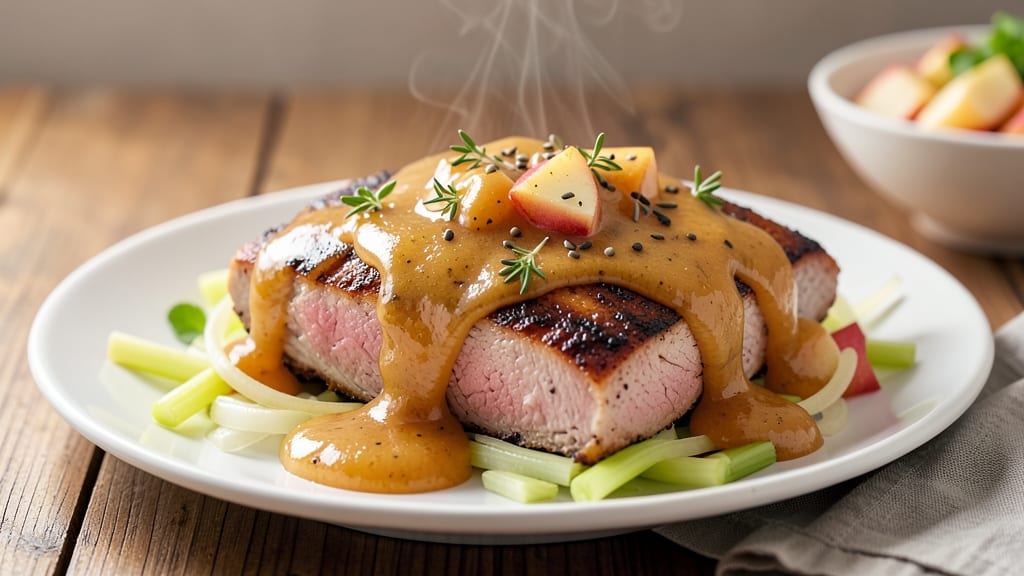
This pork tenderloin apple sauce recipe delivers the perfect balance of crispy celery and sweet apple glaze—transforming simple ingredients into a restaurant-worthy dish.
After years of perfecting this technique at The Smoky Pig, I’ve cracked the code for achieving tender pork with a caramelized crust and a glossy, tangy-sweet sauce that ties everything together.
The secret lies in the slow reduction of apples and celery until they form a thick, flavorful glaze that clings to every bite.
The beauty of this recipe is its simplicity: just a few ingredients, 30 minutes of active prep, and a total cooking time of under an hour. You’ll start with a well-seasoned pork tenderloin, seared to lock in juices before finishing in the oven.
Meanwhile, the applesauce—made fresh with just apples, celery, and a touch of vinegar—reduces into a glossy, aromatic sauce that’s both sweet and slightly tangy, cutting through the richness of the pork.
What you’ll end up with is tender, juicy pork with a crispy exterior, smothered in a velvety apple-celery glaze that’s sticky enough to drip but not so sweet it overpowers the meat.
The celery adds a subtle earthiness that rounds out the sweetness, while the vinegar in the sauce ensures a bright finish. This dish is elegant enough for a dinner party but simple enough for a weeknight—proof that restaurant-quality meals don’t require complicated techniques.
Serve it with roasted potatoes or a simple green salad to let the pork and sauce take center stage. The leftovers reheat beautifully, making this the ultimate make-ahead meal for busy families or entertaining guests. Let’s get cooking—this is pork tenderloin at its finest.
Ingredients for pork tenderloin apple sauce
Restaurant-worthy pork tenderloin with a velvety apple-celery glaze—just 13 ingredients for elegant weeknight dining.
| Ingredient | Amount | Notes |
|---|---|---|
| Pork Tenderloin 🥩 | 1 ½ lb | Center-cut for even cooking |
| Honeycrisp Apples 🍎 | 2 medium | Peeled, cored, sliced thin |
| Celery Stalks 🧅 | 3 whole | Thinly sliced, crisp |
| Yellow Onion 🧅 | 1 medium | Diced, yellow variety |
| Apple Cider Vinegar 🍏 | ¼ cup | For tangy brightness |
| Unsalted Butter 🧈 | 2 tbsp | Cold, for searing |
| Olive Oil 🫒 | 1 tbsp | Extra-virgin for richness |
| Salt 🧂 | 1 ½ tsp | Kosher or sea salt |
| Ground Black Pepper 🌶️ | ½ tsp | Freshly ground |
| Garlic Cloves 🧄 | 3 cloves | Minced, for depth |
| Fresh Thyme Leaves 🌿 | ½ tsp | Or 1/4 tsp dried |
| Brown Sugar 🍚 | 1 tbsp | Lightly packed |
| Fresh Rosemary 🌿 | 1 sprig | For aromatic finish |
The pork tenderloin should be center-cut for even cooking—ask your butcher to trim any silver skin. Honeycrisp apples are ideal for their balance of sweetness and tartness, but Fuji or Gala work well too. Celery adds subtle earthiness that complements the apples beautifully. For the best quality, source organic apples from Whole Foods or your local farmers market during peak season. The yellow onion should be firm with no soft spots, and fresh thyme from the grocery store's produce section will elevate the dish beyond dried substitutes.
No Honeycrisp apples? Granny Smith adds tartness or Gala for milder sweetness. Substitute apple juice concentrate for vinegar if needed, though the acidity helps balance the sauce. The brown sugar can be swapped for maple syrup for a deeper flavor, though it may darken the glaze more. For a quicker prep, use pre-minced garlic from a jar, but fresh is always superior. If you prefer less acidity, reduce the vinegar to 2 tablespoons and add 1 teaspoon of Dijon mustard for complexity. The rosemary can be omitted if you dislike its piney notes, but it adds a sophisticated finish.
Pork tenderloin reheats beautifully—simply warm in a skillet with a splash of apple sauce for 2-3 minutes until heated through. Store leftovers in an airtight container for up to 4 days in the fridge, or freeze for 2 months by wrapping tightly in plastic. The apple-celery glaze can be made ahead and reduced to a thicker consistency for 3 days in the fridge. For presentation, drizzle extra glaze over the pork and garnish with thin apple slices or chopped celery for a restaurant-worthy touch.
Why You'll Love This Recipe
- One-Pan Magic: I swear by this recipe because it’s that simple—just toss the pork, diced apples, celery, and onion on a single sheet pan, drizzle with apple cider vinegar, and let the oven do the work. No chopping boards overflowing, no pots to scrub afterward.
- Sweet-Savory Balance: That crisp, juicy Honeycrisp apple glaze caramelizing on the pork? It’s like a hug for your taste buds. The vinegar cuts through the richness, while the celery adds a fresh crunch—every bite feels like a little flavor adventure.
- Weeknight Hero: Between us, this is my go-to when I’m too tired to think. The leftovers reheat beautifully for lunches, and it’s the kind of dish that makes even my picky-eating partner ask for seconds. (Yes, even on a Tuesday night.)
- Budget-Friendly Feast: Pork tenderloin stretches further than you’d think, especially with the apples and veggies bulking it up. Honestly, I’ve fed four people for under $15 with this—plus, the apples make it feel fancy without the grocery bill.
Step-by-step instructions for pork tenderloin with sweet apple pan glaze
Here's the method for achieving perfectly tender pork with a glossy, caramelized apple-celery glaze that balances sweet and savory notes.
Prep and Sear the Pork Tenderloin
Pat the 1.5 lb pork tenderloin completely dry with paper towels—this ensures maximum crispiness. Season generously with 1.5 tsp salt and 0.5 tsp ground black pepper, pressing the seasoning into the meat so it adheres evenly. Let it sit at room temperature for 15 minutes while you prepare the glaze ingredients.
Heat a heavy skillet over medium-high heat and add 1 tbsp olive oil. Once shimmering, add the pork and sear for 3-4 minutes per side until the exterior develops a deep golden-brown crust. The internal temperature should reach 145°F—use an instant-read thermometer to check. Remove the pork and set aside on a plate, tented loosely with foil to keep warm.
Build the Sweet-Savory Glaze Base
In the same skillet (no need to clean it—the browned bits add flavor), add 2 tbsp unsalted butter and 1 tbsp olive oil. Once melted and foaming, add the 1 medium yellow onion and 3 whole celery stalks, sliced thin. Cook for 5-6 minutes until softened and slightly caramelized.
Add the 3 cloves minced garlic and 0.5 tsp fresh thyme leaves, stirring for 30 seconds until fragrant. This aromatic base forms the foundation of your glaze, so don't rush this step. The thyme and garlic will infuse their flavors deeply into the sauce.
Cook the Apple-Celery Mixture
Stir in the 2 medium Honeycrisp apples (previously peeled, cored, and sliced thin) and 1 tbsp brown sugar. Cook for 4-5 minutes until the apples begin to soften but still retain some texture. This balance ensures the glaze has a pleasant bite while contributing natural sweetness.
Pour in the 0.25 cup apple cider vinegar and 1 sprig fresh rosemary, scraping up any browned bits from the bottom of the pan. Let the mixture simmer for 2-3 minutes until slightly reduced. The vinegar adds tangy brightness that cuts through the natural sweetness of the apples and pork.
Finish and Glaze the Pork
Return the pork tenderloin to the skillet, spooning the apple-celery mixture over the top. Cover and let it cook for 8-10 minutes on medium heat, basting occasionally with the pan juices. This steaming method ensures the pork stays moist while absorbing the glaze's flavors.
The pork is done when it reaches 145°F internally and the glaze has thickened into a glossy, caramelized sauce. Let it rest for 5 minutes before slicing—this allows the juices to redistribute, preventing them from running out onto your plate.
Serve with Perfect Glaze Presentation
Slice the pork tenderloin into ½-inch thick medallions and arrange on a warm serving platter. Spoon the remaining glaze over the top, ensuring each slice is generously coated. Garnish with additional fresh thyme leaves and a sprinkle of flaky sea salt for a restaurant-quality finish.
The result should be tender, juicy pork with a glossy glaze that balances sweet apples, crisp celery, and savory herbs. Each bite delivers a perfect harmony of textures and flavors—crispy edges on the pork, tender meat, and a sauce that's neither too sweet nor too tart.
Pro Tips For Making Pork Tenderloin Apple Sauce
- SEAR THE PORK FIRST: I learned this the hard way—skipping the sear means a bland, gray pork center. Hit that tenderloin with a screaming-hot pan for 2-3 minutes per side until it’s deep golden. The crust locks in flavor and keeps the meat from drying out when it roasts later.
- COARSELY GRATE THE APPLES: Honeycrisp apples break down fast, and fine grates turn the sauce into mush. Use the large holes of a box grater—this keeps texture and prevents a watery glaze. If you’re lazy, a food processor works, but pulse just until chunky, not smooth.
- SWEAT THE AROMATICS LOW: Celery and onion need time to soften, not burn. Cook them on medium-low for 8-10 minutes until translucent, stirring occasionally. Rushed? You’ll end up with bitter bits instead of sweet, mellow base for the sauce.
- REST THE PORK UNDER FOIL: Cutting into pork tenderloin right after roasting means dry, stringy meat. Let it sit 5-10 minutes under foil—this redistributes juices. I know, I know, but trust the process: the sauce will still cling perfectly to the moist interior.
Regional styles of this recipe
Southern BBQ Twist
In the Southeast, we love adding a smoky kick to pork tenderloin by finishing it in the oven with a splash of apple cider vinegar and a sprinkle of smoked paprika (about ½ teaspoon) while the glaze reduces.
This gives it that familiar Carolina BBQ vibe without needing a smoker. I often serve it with cornbread muffins on the side—trust me, the sweetness of the apples pairs perfectly with the crumbly texture. 🔥
German Apple Braten Style
For a heartier take, German cuisine transforms this into a classic Apfelbraten by wrapping the pork in thin apple slices (about ½ inch thick) before roasting. The apples caramelize into the meat, creating a natural glaze.
Add 1 teaspoon of cinnamon to the sauce for warmth, and serve with red cabbage slaw and buttery spaetzle for a full-on German feast. The contrast of crispy cabbage and tender pork is unbeatable.
French-Inspired Pan Sauce
Elevate this dish with a French touch by deglazing the pan with ¼ cup dry white wine (like Sauvignon Blanc) after searing the pork. Reduce the wine until syrupy, then add the apple-celery mixture to create a richer, more complex sauce.
Finish with a pat of cold butter (about 1 tablespoon) for a silky texture. Garnish with chopped parsley and serve with roasted fingerling potatoes for an elegant bistro-style meal. 💫
Midwest Apple Butter Glaze
Swap the vinegar for 2 tablespoons of apple butter (like Mott's) and add ½ teaspoon of ground cinnamon to the glaze for a cozy, spiced twist. This version is perfect for chilly autumn nights and pairs beautifully with mashed sweet potatoes**> and sautéed green beans.
The apple butter adds depth without overpowering the pork, making it a crowd-pleaser for family dinners.
Asian-Inspired Five-Spice Glaze
Infuse the glaze with ½ teaspoon of Chinese five-spice powder and a splash of 1 tablespoon of soy sauce for an unexpected but delicious fusion. The five-spice adds warmth and complexity, while the soy sauce deepens the umami.
Serve with jasmine rice and steamed bok choy for a balanced, flavor-packed meal that’s sure to impress. This variation is a game-changer for anyone who loves bold, aromatic flavors. ✨
Nutrition facts
Frequently asked questions
Can I substitute store-bought applesauce for the homemade glaze?
You can use store-bought applesauce as a shortcut, but it won't have the same depth of flavor or texture. For best results, choose unsweetened applesauce and simmer it with 1 tbsp brown sugar, 1 tbsp apple cider vinegar, and ½ tsp cinnamon for 5 minutes to thicken it. Thinned with a splash of water, it can mimic the glaze's consistency.
How do I keep the pork tenderloin from drying out?
Never skip the 15-minute room temperature rest before cooking, and always pat it completely dry before seasoning. Use an instant-read thermometer to pull it at 145°F—overcooking is the #1 cause of dryness. The 8-10 minute covered rest in the glaze steams the meat gently while it finishes cooking.
What's the best way to reheat leftovers?
Slice the pork and reheat in a skillet with 1 tbsp butter or the reserved glaze over medium-low heat for 2-3 minutes per side. Avoid microwaving—it turns the meat rubbery. For the glaze, warm it separately in a saucepan on low heat until thickened, then drizzle over the pork before serving.
Can I make this recipe ahead of time?
Cook the pork and glaze up to 2 days ahead and store in an airtight container. Reheat gently in the oven at 300°F for 15 minutes, covered with foil. The glaze will thicken further—just add a splash of water if it becomes too stiff. The flavors actually improve overnight!
What's the secret to getting crispy celery in the glaze?
Slice the celery paper-thin (almost translucent) and cook it in batches if needed. Use medium-high heat until the edges turn golden, then immediately add the apples to lock in the crispness. The key is timing—don't let it soften completely before adding the other ingredients.