
Main Courses
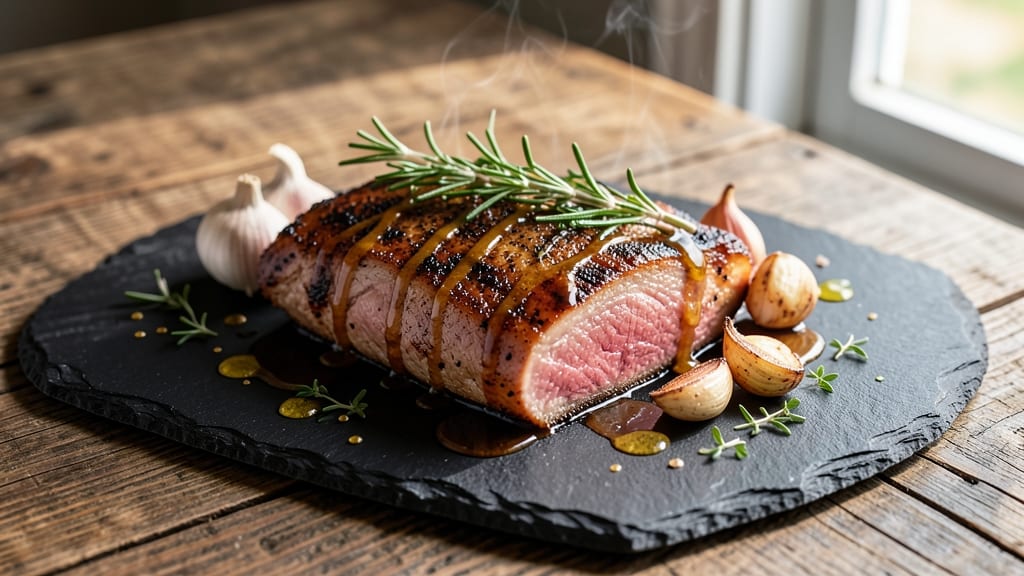
This pork tenderloin recipe with apple cider vinegar transforms tough meat into melt-in-your-mouth perfection in just 30 minutes. 🔥 The secret lies in that tangy vinegar—it tenderizes while building layers of flavor that cut through the richness.
I first discovered this technique when my local butcher swore by it for restaurant-quality results at home, and I’ve been perfecting it ever since.
The magic happens when you marinate the tenderloin in apple cider vinegar, garlic, and herbs before searing it to a golden crust. This method ensures the meat stays juicy and deeply flavorful, with a tender texture that’s impossible to resist.
The vinegar’s acidity breaks down the muscle fibers, while the aromatics create a savory-sweet balance that’s hard to match.
What you’ll end up with is a perfectly cooked pork tenderloin—crispy on the outside, tender and succulent on the inside—ready to be sliced and served with your favorite sides.
The apple cider vinegar adds a bright, tangy note that elevates the dish, making it feel special without requiring hours in the kitchen.
This recipe is ideal for weeknight dinners or special occasions, and it scales beautifully for gatherings. The technique is simple, but the results are restaurant-worthy. Let’s get started—your taste buds will thank you.
Ingredients for pork tenderloin recipe apple cider vinegar
The secret to melt-in-your-mouth pork tenderloin lies in these 13 ingredients—where tangy vinegar meets aromatic herbs.
| Ingredient | Amount | Notes |
|---|---|---|
| Pork Tenderloin 🐖 | 1 ½ lb | Center-cut, trimmed of silver skin |
| Apple Cider Vinegar 🍎 | ½ cup | Raw, unfiltered preferred |
| Garlic Cloves 🧄 | 6 cloves | Peeled, smashed slightly |
| Fresh Rosemary 🌿 | ¼ cup | Finely chopped, stems removed |
| Fresh Thyme Leaves 🌿 | ¼ cup | Or 1 tbsp dried thyme |
| Olive Oil 🫒 | 3 tbsp | Extra-virgin, for searing |
| Brown Sugar 🍚 | 2 tbsp | Light or dark variety |
| Salt 🧂 | 1 ½ tsp | Diamond Crystal kosher |
| Black Pepper 🌶️ | 1 tsp | Freshly cracked |
| Beef Broth 🍲 | ½ cup | Low-sodium preferred |
| Honey 🍯 | 1 tbsp | For balancing acidity |
| Unsalted Butter 🧈 | 2 tbsp | Cold, cubed for finishing |
| Fresh Parsley 🌿 | ⅛ cup | Chopped, for garnish |
The pork tenderloin is the star, so pick a center-cut piece—it's more tender and cooks faster. Your local butcher can trim the silver skin for you, but if you're doing it yourself, just slice it off. For the apple cider vinegar, raw and unfiltered adds depth, but any good-quality vinegar works. I always grab mine from Molly McButter's or the bulk section at Whole Foods. Fresh herbs make all the difference here—rosemary and thyme should smell vibrant, not dried out. If you're short on time, dried thyme works at one-third the amount, but fresh is worth the extra minute.
No apple cider vinegar? White wine vinegar or lemon juice in a pinch, though the flavor will be slightly different. Running low on fresh herbs? Dried works at one-third the amount, but toast them first—just heat in a dry pan for 30 seconds to wake up the flavors. The beef broth can be swapped for vegetable broth if you're vegetarian, but the depth of flavor will be slightly different. For the honey, local raw honey adds extra complexity, but any variety works. The butter should be cold and cubed when adding at the end—this creates a luxurious sauce that coats every bite.
This dish reheats beautifully—just warm in a skillet with a splash of broth. Keeps for 3-4 days in the fridge, or freeze portions for up to 3 months. I always make extra because the leftovers make incredible sandwiches or salads. For serving, slice against the grain for maximum tenderness. The sauce thickens as it cools, so add a splash of broth if it feels too thick when reheating.
Why You'll Love This Recipe
- One-Pan Magic: I swear by this recipe—just sear the tenderloin, toss it in a mix of apple cider vinegar, minced garlic, and chopped rosemary/thyme, then let the oven do the work. No chopping boards, no extra pots, and honestly? The cleanup is just rinsing one sheet pan.
- Tangy Crispy Perfection: That apple cider vinegar isn’t just for flavor—it tenderizes the meat while giving it a glorious crust. The garlic and herbs caramelize into something dangerously addictive, especially when you cut into that juicy center. (Yes, even on a Tuesday night.)
- Weeknight to Dinner Party: Same recipe, different vibes. Toss it with roasted potatoes for a lazy weeknight, or serve it sliced over a bed of greens with a drizzle of honey for a fancier spread. My in-laws asked for the recipe after one bite—no pressure, but it’s that good.
- Budget-Friendly Protein Power: Pork tenderloin is lean, affordable, and this method makes it feel special without breaking the bank. A single cut feeds four, and leftovers reheat beautifully—perfect for meal prep or when you’re too tired to cook again. (Between us, I’ve lived on this for three days straight.)
Step-by-step instructions for braised pork tenderloin
Here's how to transform lean pork into melt-in-your-mouth perfection using apple cider vinegar's magic.
🔥 Step 1: Sear the Pork Tenderloin for Depth of Flavor
Heat 2 tablespoons of the olive oil in a large oven-safe skillet over medium-high heat until shimmering. Pat the pork tenderloin dry with paper towels—this ensures maximum browning. Season generously with 1 teaspoon salt and ½ teaspoon black pepper, focusing on all sides.
Sear the pork for 3-4 minutes per side until it develops a deep golden crust. The reason we sear first is to lock in juices through the Maillard reaction while creating that fundamental flavor base. If the pan gets too crowded, work in batches—don't rush this step. You'll know it's ready when the pork releases easily from the pan (no sticking). Transfer to a plate and tent loosely with foil.
🍳 Step 2: Build the Apple Cider Vinegar Braising Liquid
In the same skillet, add the remaining 1 tablespoon olive oil and reduce heat to medium. Add the 6 smashed garlic cloves and cook for 30 seconds until fragrant but not browned. Here's where it gets good—add the ½ cup apple cider vinegar and scrape up all those browned bits from the bottom of the pan with a wooden spoon.
Let the vinegar simmer for 2 minutes until it reduces by about half and the aroma becomes tangy and complex. Add the 2 tablespoons brown sugar, ½ cup beef broth, and 1 tablespoon honey. Stir well to combine—this creates a balanced braising liquid that tenderizes the meat while adding sweet-tart depth. The sugar will caramelize slightly, adding another layer of flavor.
🥘 Step 3: Braise Until Fork-Tender
Return the seared pork to the skillet, nestling it into the braising liquid. Add the ¼ cup chopped fresh rosemary and ¼ cup fresh thyme leaves around the pork. Place the skillet in a 375°F preheated oven and braise for 20-25 minutes until the pork reaches 145°F internally and is fork-tender.
I check doneness by inserting a meat thermometer—when it hits 145°F, the pork will pull apart easily with minimal resistance. The braising liquid should reduce to a glossy sauce that coats the back of a spoon. If it's too thin, remove the pork and reduce the sauce on the stovetop for 2-3 minutes before returning the pork to coat in the sauce.
🔪 Step 4: Finish with Butter and Garnish
Remove the pork from the oven and transfer it to a cutting board. Let it rest for 5 minutes while you finish the sauce. Increase the oven temperature to broil and return the skillet to the oven for 2-3 minutes to reduce the sauce slightly and develop a glossy sheen.
Remove from heat and stir in the 2 tablespoons cold cubed butter until melted and incorporated. The butter adds richness and helps create a velvety sauce. Slice the pork against the grain into ½-inch thick medallions and arrange on a platter. Spoon the sauce over the top and garnish with the ¼ cup chopped fresh parsley. Serve immediately with roasted vegetables or crusty bread to soak up every last drop of that tangy, herb-infused sauce.
Pro Tips For Making Pork Tenderloin Recipe Apple Cider Vinegar
- Trim the Fat: Pork tenderloin is lean, but if you see any silverskin or connective tissue, slice it off before seasoning—it won’t break down like the rest and can make the meat chewy. I learned this the hard way when I left a tiny strip on and ended up with a tough bite right in the middle.
- Vinegar First, Heat Last: Deglaze the pan with apple cider vinegar after searing the pork, not before. The acid will mellow out if you add it too early, and you’ll lose that deep, caramelized crust on the meat. Let that pork get golden-brown first—it’s the only time it matters.
- Smash Those Garlic Cloves: Don’t just mince the garlic—give those cloves a good smash with the flat side of your knife first. It releases more flavor and blends into the vinegar reduction better. I used to skip this, and the garlic would just sit there like tiny, underwhelming pebbles.
- Rest It Foiled: After roasting, tent the pork with foil and let it sit for 5-10 minutes before slicing. The vinegar marinade keeps the meat juicy, but cutting into it too soon sends all that flavor running out. Trust me, even if you’re starving—your future self will notice the difference.
Serving suggestions for pork tenderloin recipe apple cider vinegar
Classic Complements
This braised pork tenderloin pairs beautifully with roasted root vegetables—think carrots, parsnips, and celery—tossed in olive oil, salt, and fresh thyme. I roast them at 400°F for 25 minutes until caramelized, then drizzle with a touch of honey to balance the vinegar's tang.
For a heartier option, serve with creamy mashed potatoes—the buttery sauce will melt into every forkful. 🥔
Fresh Herb Garnishes
Brighten the plate with chopped fresh parsley or thinly sliced chives right before serving. I also love adding microgreens or watercress for a peppery contrast that cuts through the richness. For an extra touch, sprinkle toasted pine nuts or pumpkin seeds—their crunch adds texture while complementing the tender pork.
Save a few sprigs of thyme or rosemary from the recipe to garnish the platter.
Bread Pairings
Crusty baguette slices or sourdough are perfect for soaking up the tangy sauce. I like to toast them in the oven until golden, then rub with a garlic clove. For a lighter option, serve with rosemary focaccia—its olive oil richness mirrors the pork's flavors.
If you're feeling fancy, try brioche for an extra buttery contrast that elevates the dish to restaurant-level presentation. 🥖
Seasonal Sides
In fall, roasted butternut squash with sage and pecans makes an ideal partner. For spring, a crisp arugula salad with lemon vinaigrette refreshes the palate.
Summer calls for grilled asparagus with a sprinkle of Parmesan, while winter benefits from wild rice pilaf with dried cranberries for a festive touch. Each side should balance the pork's richness with contrasting textures and temperatures.
Sauce Variations
If you want to get creative, stir 1 teaspoon Dijon mustard into the finished sauce for a tangy kick. For a creamy twist, whisk in 2 tablespoons crème fraîche or Greek yogurt at the end.
A splash of port wine (about 2 tablespoons) adds depth, while a pinch of smoked paprika gives the sauce a subtle smokiness. Always taste as you go—adjust seasoning to match your preference. 🍷
Make-Ahead Serving
This dish reheats beautifully, making it perfect for meal prep. Store leftovers in an airtight container in the fridge for up to 4 days. To serve, warm in a skillet with a splash of beef broth or water until heated through.
For a quick assembly, keep the sauce separate and let guests drizzle it over their portions. I often prep the pork ahead and finish it just before serving to maintain that restaurant-fresh quality. 💫
Nutrition facts
Frequently asked questions
Why does apple cider vinegar make pork tenderloin so tender?
The acidity in apple cider vinegar breaks down muscle fibers during cooking, creating tiny gaps that absorb moisture and flavor. This tenderizes the meat while the sugar and honey in the braising liquid caramelize, adding depth. The result is juicy, fork-tender pork that falls apart easily—perfect for any meal.
Can I use white wine vinegar instead of apple cider vinegar?
Yes, but the flavor will be slightly different. White wine vinegar is more acidic and less sweet, so you might want to add an extra 1 teaspoon of honey to balance the tang. For the best results, stick with apple cider vinegar—its mild sweetness and complexity complement the pork beautifully.
How do I know when the pork tenderloin is fully cooked?
Use a meat thermometer to check the internal temperature—it should reach 145°F. The pork will also pull apart easily with minimal resistance when pierced with a fork. If it’s slightly underdone, return it to the oven for another 2-3 minutes to finish cooking.
Can I make this recipe ahead of time?
The pork tenderloin reheats beautifully. Store leftovers in an airtight container in the fridge for up to 4 days. To serve, warm in a skillet with a splash of beef broth or water until heated through. The sauce may thicken slightly, so thin it with a little extra broth if needed.
What’s the best way to slice the pork tenderloin for maximum tenderness?
Always slice against the grain—look for the direction of the muscle fibers and cut perpendicular to them. This shortens the fibers, making each bite more tender. For even slices, aim for ½-inch thick medallions that showcase the juicy interior and crispy edges.