
Main Courses
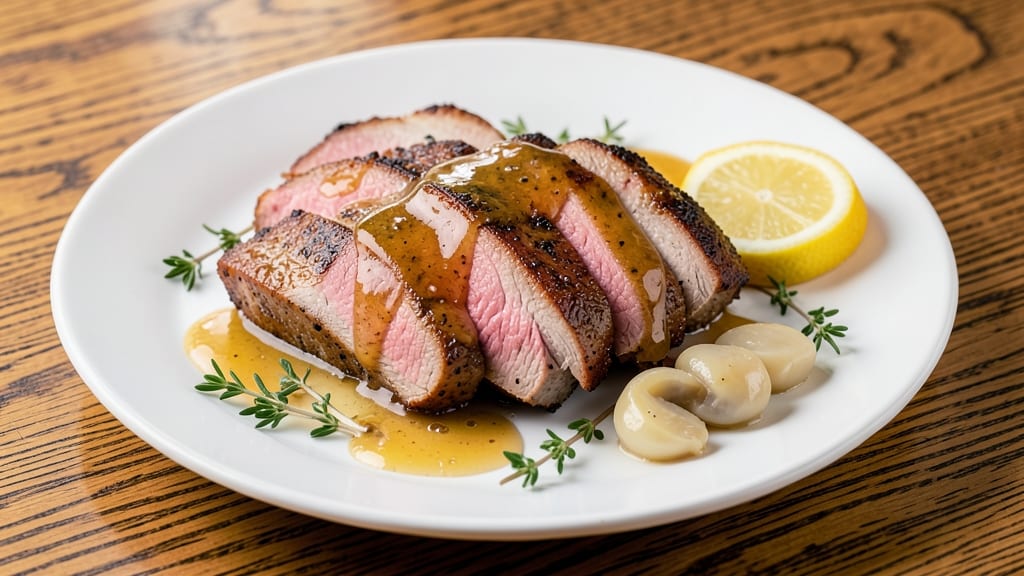
This pork tenderloin recipe with apple juice transforms simple ingredients into a showstopping meal where sweet and savory dance perfectly. 💛 The apple juice doesn't just tenderize—it caramelizes into a glossy pan gravy that adds depth and a subtle sweetness that balances the pork's natural richness.
I first discovered this technique while trying to elevate a weeknight dinner, and it became an instant family favorite that always disappears quickly.
The secret lies in the cooking method: searing the pork first for a crispy crust, then finishing it in the oven with apple juice and spices that infuse the meat with flavor.
This approach ensures tender results every time while keeping prep simple—no fancy techniques required. The apple juice also helps create that luscious pan gravy that makes even the simplest sides feel special.
What you'll end up with is perfectly tender pork with a caramelized glaze, served with a rich, spiced gravy that's ideal for drizzling over roasted potatoes or crusty bread. The apple juice adds just enough sweetness to complement the savory spices without overpowering the natural flavor of the meat.
It's the kind of recipe that feels impressive yet remains approachable for weeknight cooking.
This dish pairs beautifully with roasted root vegetables or a simple green salad to round out the meal. The gravy alone makes it worth trying—it's the kind of sauce that disappears faster than you can say "second helping." Let's get started on creating this restaurant-worthy dinner at home.
Ingredients for pork tenderloin recipe with apple juice
Sweet-spiced ingredients that transform simple pork into restaurant-quality perfection with minimal effort.
| Ingredient | Amount | Notes |
|---|---|---|
| Pork Tenderloin 🥓 | 1 ½ lb | Center-cut for even cooking |
| Unsalted Butter 🧈 | 2 tbsp | For searing and gravy |
| Apple Juice 🍏 | ½ cup | Unsweetened, 100% pure |
| Dijon Mustard 🍯 | 1 tbsp | For depth of flavor |
| Garlic Cloves 🧄 | 3 cloves | Minced, fresh preferred |
| Fresh Thyme Leaves 🌿 | ¼ cup | Chopped, stems removed |
| Fresh Rosemary 🌿 | 1 tbsp | Chopped, sprigs removed |
| Diamond Crystal Kosher Salt 🧂 | 1 ½ tsp | For seasoning and gravy |
| Freshly Ground Black Pepper 🌶️ | ½ tsp | Cracked peppercorns preferred |
| All-Purpose Flour 🌾 | 1 tbsp | For gravy thickening |
| Red Wine Vinegar 🍷 | 1 tsp | For brightness in gravy |
| Honey 🍯 | 1 tsp | Optional, for extra caramelization |
| Fresh Parsley 🌿 | ⅛ cup | Chopped, for garnish |
The pork tenderloin is where this dish shines—center-cut pieces ensure even cooking and maximum tenderness. Whole Foods or local butchers often carry premium cuts with excellent marbling, but any quality grocery store's pre-packaged tenderloin works. Look for pieces that are firm to the touch with a vibrant pink hue, avoiding any with grayish edges. The apple juice should be 100% pure, unsweetened—avoid those with added sugars or preservatives, as they'll alter the caramelization process. Fresh herbs are critical here; Trader Joe's often has affordable bundles of thyme and rosemary that stay fresh longer than single stems.
No Dijon mustard? Whole-grain mustard at double the amount works in a pinch, though it lacks the same depth. Substituting apple juice with white grape juice maintains sweetness but loses some complexity. Fresh herbs can be swapped for dried at one-third the amount, though texture suffers—Penzeys bulk dried herbs are a great backup. The honey addition is optional but worth it for that extra caramelized glaze; local raw honey adds subtle floral notes if you're feeling adventurous. For the gravy, if you prefer a richer texture, add an extra 1 tbsp of butter at the end while whisking.
This dish reheats beautifully—200°F for 10-15 minutes in the oven with a splash of apple juice keeps it moist. Store cooked pork in an airtight container for 3-4 days in the fridge, though it's best enjoyed within 24 hours for peak tenderness. The gravy can be reheated separately, with an additional splash of apple juice or water to thin as needed. For meal prep, portion the pork and gravy separately—freeze gravy in ice cube trays for easy reheating later. Leftovers make fantastic sandwiches or tacos the next day.
Why You'll Love This Recipe
- Same recipe, different vibes: toss it on a sheet pan for a lazy Tuesday or plate it elegantly with roasted veggies for guests. Between us, the apple-Dijon glaze makes even the simplest meal feel special.
- Foolproof Roast: I swear by this method—just sear the pork, pour in the apple juice, and let the oven do the work. No basting, no fuss, and the tenderloin comes out juicy every single time.
- Apple-Juice Magic: That sweet-tart apple juice glaze caramelizes into a sticky, savory crust while keeping the inside melt-in-your-mouth tender. Honestly, the first time I made it, I nearly licked the pan clean.
- Weeknight to Dinner Party: Same recipe, different vibes: toss it on a sheet pan for a lazy Tuesday or plate it elegantly with roasted veggies for guests. Between us, the apple-Dijon glaze makes even the simplest meal feel special.
Step-by-step instructions for pork tenderloin with apple juice gravy
Master this technique for perfectly tender pork with a caramelized apple gravy that balances sweet and savory notes.
🍳 Step 1: Sear the Pork Tenderloin for Maximum Flavor
Pat the 1.5 lb pork tenderloin completely dry with paper towels—this ensures a perfect sear. Heat 1 tablespoon of the unsalted butter in a heavy skillet over medium-high heat until foaming. Season the pork generously with 1.5 teaspoons Diamond Crystal kosher salt and 0.5 teaspoon freshly ground black pepper on all sides.
Sear the pork for 3-4 minutes per side until it develops a deep golden-brown crust. The internal temperature should reach 145°F at this stage—use a meat thermometer to check. Remove the pork and let it rest on a wire rack for 5 minutes while you prepare the aromatics. This resting period prevents juices from escaping when you slice.
👨🍳 Step 2: Build the Sweet-Spiced Apple Gravy Base
In the same skillet (no need to clean it—those browned bits are flavor gold), reduce heat to medium and add the remaining 1 tablespoon unsalted butter. Add the 3 minced garlic cloves and cook for 30 seconds until fragrant but not browned. Stir in the 0.25 cup chopped fresh thyme leaves and 1 tablespoon chopped fresh rosemary, cooking for another 1 minute to release their aromatic oils.
Pour in the 0.5 cup apple juice and scrape up any browned bits from the bottom of the pan. Add the 1 tablespoon Dijon mustard and 1 teaspoon red wine vinegar, then bring to a gentle simmer. Let it reduce by half—about 3-4 minutes—until the liquid thickens slightly and the apple flavors concentrate. This is where the magic happens: the acidity from the vinegar and sweetness from the apple juice create the perfect balance.
🔥 Step 3: Finish with Honey and Flour for Richness
Return the pork to the skillet and spoon the reduced apple mixture over it. Increase heat to medium-high and let it simmer for 2-3 minutes until the pork reaches 145°F internally. Remove the pork again and let it rest for 10 minutes—this is critical for juicy meat.
In a small bowl, whisk together the 1 tablespoon all-purpose flour and 1 teaspoon honey (if using). Gradually whisk this into the pan juices, stirring constantly to prevent lumps. Simmer for 2-3 minutes until the gravy thickens to a glossy, spoonable consistency. The honey adds subtle caramelization that deepens the apple flavors while the flour creates a velvety texture. Taste and adjust seasoning with additional salt or pepper if needed.
🍽️ Step 4: Slice and Serve with Garnish
Slice the pork tenderloin into ½-inch thick medallions against the grain for maximum tenderness. Spoon the rich apple gravy over the top and garnish with 0.125 cup chopped fresh parsley. The parsley not only adds freshness but also provides a visual contrast to the deep caramelized gravy.
Serve immediately with roasted vegetables or mashed potatoes to soak up every last drop of that luscious gravy. The combination of tender pork, sweet-spiced apple sauce, and herbed crust creates a harmonious balance of flavors that's both comforting and elegant. This dish proves that simple ingredients can yield extraordinary results when prepared with care and technique.
Pro Tips For Making Pork Tenderloin Recipe With Apple Juice
- Use a Meat Thermometer: I learned this the hard way—pork tenderloin looks done when it’s still overcooked. Pull it at 140°F internal temp (it’ll rise to 145°F while resting), or you’ll end up with dry, sad meat. No excuses—grab one or use the finger test (press gently; if it springs back, it’s ready).
- Deglaze with Cold Apple Juice: Skip the hot pan splash—cold apple juice makes a smoother sauce. After searing the pork, pour in ½ cup cold juice and scrape up those browned bits. The cold liquid cuts through the fat better, and you won’t scorch the mustard later. Trust me, your sauce will taste richer.
- Pat Dry, Then Salt Generously: Moisture is the enemy of crust. After patting the tenderloin dry with paper towels, season it aggressively (about 1 tsp salt per pound) before searing. The salt draws out any lingering moisture, and the high heat will caramelize it into flavor instead of steaming the meat.
- Simmer the Juice Low and Slow: After deglazing, reduce the apple juice mixture to a gentle simmer—not a boil. If you rush it, the Dijon mustard will turn bitter and the sauce will clump. Five minutes of steady heat is all it takes; walk away and let it work. Patience here makes the difference between a glossy glaze and a sad, thin drizzle.
Storing and reheating this recipe
Fridge Storage
Store your cooked pork tenderloin in an airtight container with the apple gravy poured over it—this keeps everything moist and flavorful. I like using glass Pyrex containers because they distribute heat evenly when reheating.
The pork stays fresh for 3-4 days in the fridge, though I find it's most tender within 24 hours. The gravy can be stored separately if you prefer, but I always keep it together for convenience. 🥓
Freezer Prep
For longer storage, portion the pork and gravy into freezer-safe containers or quart-sized freezer bags, leaving ½-inch headspace for expansion. Label with the date—this dish freezes beautifully for up to 3 months.
When ready to eat, thaw overnight in the fridge for even reheating. I've also had success freezing just the gravy in ice cube trays for quick portions later. 🧊
Oven Reheating
My preferred method is reheating in a 350°F oven for 10-15 minutes with a splash of apple juice (about 2 tablespoons) to restore moisture. Cover loosely with foil to prevent drying.
The pork should reach 165°F internally—use a meat thermometer to check. For extra crispiness, broil for 1-2 minutes at the end. This method preserves the caramelized gravy beautifully. ⚡
Stovetop Refresh
For a quick stovetop reheat, place the pork and gravy in a skillet over medium-low heat. Add 2 tablespoons water or apple juice to prevent sticking, and simmer for 5-7 minutes until heated through.
Stir occasionally to distribute the heat evenly. The gravy will thicken as it reheats, so you might need to add a splash more liquid if it becomes too stiff. 🍲
Microwave Shortcut
When I'm in a rush, I reheat individual portions in the microwave on 50% power for 1-2 minutes, stirring halfway. Add 1 tablespoon apple juice to prevent drying.
For the gravy alone, microwave in 30-second bursts until warmed through, stirring between each interval. This method works best for quick lunches or when serving smaller portions. 💫
Gravy Revival
If your reheated gravy seems too thick, thin it with 1-2 tablespoons apple juice or water. For extra richness, stir in ½ tablespoon butter while reheating. The gravy's flavor actually improves after reheating—it develops deeper caramelized notes.
I always keep a small jar of reserved gravy in the fridge for quick flavor boosts on future meals. 🍯
Nutrition facts
Frequently asked questions
Can I substitute apple juice with another liquid?
Yes! For a similar sweetness, try white grape juice or pear juice—both work well in the gravy. If you prefer a tangier profile, swap for apple cider (reduce by 1 tablespoon since it's thicker). Avoid citrus juices—they'll overpower the dish.
How do I keep the pork tenderloin from drying out?
The key is not overcooking—remove the pork when it hits 145°F internally, then let it rest for 10 minutes before slicing. Searing first creates a flavorful crust that locks in moisture. For extra juiciness, baste with pan juices every 5 minutes during cooking.
Can I make this recipe in a slow cooker?
Sear the pork first, then transfer to a slow cooker with ½ cup apple juice, 1 tbsp Dijon mustard, and 1 tsp each thyme/rosemary. Cook on low for 4-5 hours or high for 2-3 hours. Finish by reducing the juices with 1 tbsp flour on the stovetop. The slow cooker keeps it tender but makes the gravy less caramelized.
What's the best way to use leftover pork?
Slice into ½-inch medallions for sandwiches with caramelized onions, or shred for tacos with pickled cabbage. The gravy freezes beautifully—portion into ice cube trays for quick flavor boosts later. For a hearty hash, chop leftovers and pan-fry with potatoes and apples.
Why does my gravy turn out too thin?
This usually happens if you didn't reduce the apple juice enough or if the pan wasn't hot enough when adding flour. Next time, simmer the reduced juice for 5 minutes before adding flour, and cook on medium-high heat until thickened. For instant fixes, mix 1 tbsp cornstarch with 1 tsp cold water and stir in while simmering.