
Main Courses
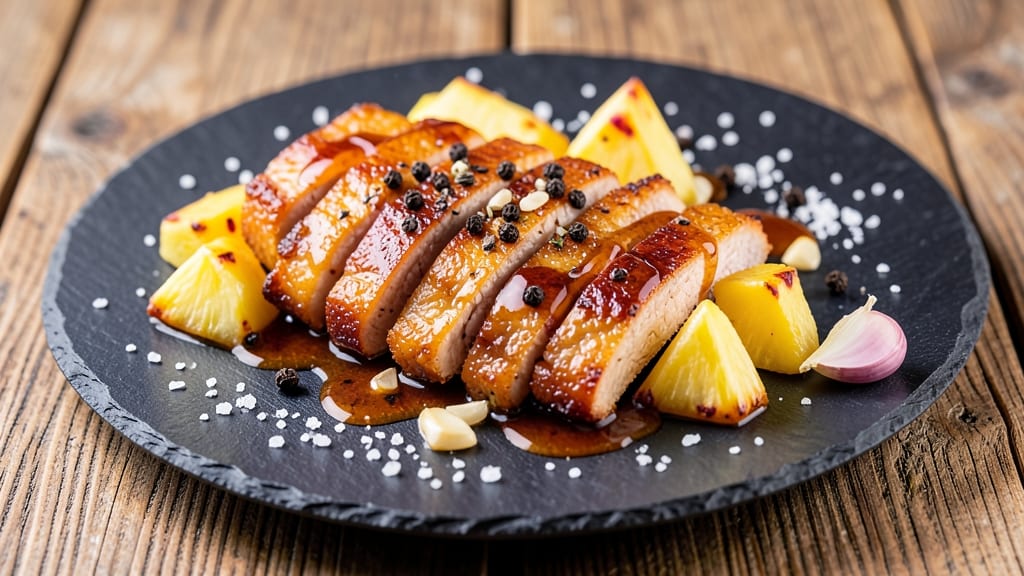
This pineapple juice pork tocino recipe transforms simple pork belly into melt-in-your-mouth slices with a glazed tenderness that balances sweet and savory. ✨ The secret lies in marinating overnight in pineapple juice—a Filipino technique that tenderizes while infusing tropical brightness.
I first discovered this method during a family visit to the Philippines, where my tita swore by its ability to transform tough cuts into something luxurious.
The magic happens in the frying: crispy edges give way to juicy, caramelized centers that practically fall apart. The pineapple juice marinade isn't just flavor—it's a game-changer that keeps the meat moist while developing a sticky, glossy glaze.
What makes this recipe special is how it bridges tradition with simplicity; no special equipment needed, just patience and a hot skillet.
By the time you serve these slices, you'll have restaurant-quality tocino that's worth every minute of marinating. The pineapple's acidity cuts through the richness, creating a perfect balance that pairs beautifully with steamed rice, atchara (pickled papaya), or a simple green salad.
This dish proves Filipino comfort food can be both nostalgic and impressive.
Ready in just 30 minutes of active time (plus overnight marinating), this recipe delivers foolproof results that'll have everyone asking for seconds. The key is letting the pork rest after frying—this ensures clean slices that hold their shape.
Let's make this tropical favorite your new go-to weekend breakfast or special occasion dish.
Ingredients for pork tocino recipe pineapple juice
Tropical brightness meets Filipino tradition in these tender pork slices—juicy, caramelized, and ready to impress.
| Ingredient | Amount | Notes |
|---|---|---|
| Pork Belly 🥓 | 1 ½ lb | Thinly sliced, 1/4-inch thick |
| Pineapple Juice 🍍 | 1 ½ cups | Fresh, unsweetened preferred |
| Brown Sugar 🍚 | ½ cup | Light or dark variety |
| Soy Sauce 🍶 | ¼ cup | Regular or tamari for gluten-free |
| Garlic Cloves 🧄 | 4 cloves | Minced, for marinade |
| Black Peppercorns 🌶️ | 1 tsp | Freshly cracked for depth |
| Vegetable Oil 🫒 | ½ cup | High smoke point for frying |
| White Vinegar 🍶 | 1 tbsp | Balances sweetness in marinade |
| Fresh Pineapple 🍍 | ½ cup | Diced, for garnish (optional) |
| Salt 🧂 | 1 ½ tsp | Kosher or sea salt |
| Ground White Pepper 🌶️ | ½ tsp | For elegant presentation |
| Coconut Oil 🥥 | 1 tbsp | For crispy edges (optional) |
The pork belly is where the magic begins. Look for thick-cut, well-marbled pork belly—this ensures maximum tenderness and flavor. Filipino markets or Asian grocery stores often carry the best cuts, but your local butcher can help too. If you can't find fresh pineapple juice, canned 100% pineapple juice (no sugar added) works perfectly—just give it a shake before using. The garlic should be freshly minced for the marinade, and if you're feeling fancy, toast the peppercorns in a dry pan for 30 seconds to deepen their aroma. My tita always used Filipino Calamansi juice if available, but pineapple delivers that signature tropical tang.
No fresh pineapple juice? Substitute with 1 cup coconut water plus 1/2 cup orange juice—it won't be identical, but it'll still tenderize. Running out of brown sugar? Honey or maple syrup at the same amount works in a pinch, though the flavor will shift slightly. For the soy sauce, regular or tamari both work, but if you're using tamari, reduce the salt slightly since it's naturally saltier. The white vinegar is key—it helps cut through the richness and keeps the meat tender. If you're serving this for a crowd, double the marinade and let it sit for 24 hours for maximum flavor infusion. And trust me on the coconut oil for frying—it adds a subtle sweetness and crispiness that regular vegetable oil can't match.
Marinate the pork for at least 8 hours (overnight is best)—this is non-negotiable for the tender results. Store the marinade (without pork) in an airtight container in the fridge for up to 3 days, and the cooked tocino keeps in the fridge for 4 days or freezes beautifully for 3 months. For reheating, I recommend the oven at 300°F for 10-15 minutes—it keeps the slices crispy without drying them out. The leftovers make amazing sandwiches or fried rice the next day. And if you have extra pineapple, blend it with a splash of water for a quick sorbet—no waste here!
Why You'll Love This Recipe
- One-Pan Magic: I swear by this recipe because it’s literally one pan, one pot, and done. The pork belly sizzles in its own fat, then simmers in pineapple juice until tender—no flipping, no fussing, just hands-off cooking while you stir in the brown sugar and soy sauce. Honestly, I’ve made it while scrolling through my phone.
- Sweet-Savory Balance: Between us, that combo of pineapple juice and brown sugar with soy sauce is ridiculously good. The garlic cloves add a punch, but it’s the caramelized edges on the pork that make it crave-worthy—like a breakfast treat with a grown-up twist. My kids fight over the last piece.
- Weeknight Workhorse: This is my go-to when I need something fast but still feels special. Serve it with rice for a full meal, or toss it in a wrap for lunch the next day. Even my picky husband doesn’t complain—(yes, even on a Tuesday night).
- Leftovers That Don’t Suck: Between us, most leftovers are sad. Not this. The pork stays tender, the sauce thickens into a glossy glaze, and reheating it? Just a splash of water in the pan, 5 minutes max. I’ve frozen portions too—perfect for lazy days when I don’t want to cook at all.
Step-by-step instructions for pineapple juice pork tocino
Here's how to transform simple pork belly into melt-in-your-mouth tocino with a perfect tropical glaze.
👨🍳 Step 1: Marinate the Pork Belly for Maximum Tenderness
In a large bowl, combine the 1.5 cups pineapple juice, 0.5 cup brown sugar, 0.25 cup soy sauce, 1 tbsp white vinegar, 1.5 tsp salt, 0.5 tsp ground white pepper, and 4 minced garlic cloves. Stir until the brown sugar dissolves completely—this creates your marinade base. The pineapple juice works magic here, breaking down tough fibers while adding natural sweetness.
Add the 1.5 lb pork belly slices to the marinade, ensuring each piece is fully coated. Cover the bowl with plastic wrap and refrigerate for at least 4 hours (overnight is ideal). This long marinating time guarantees fork-tender meat with deep tropical flavor infusion. I like to turn the slices occasionally for even exposure to the marinade.
🔥 Step 2: Pan-Fry Until Golden and Crispy
Heat 0.5 cup vegetable oil in a large skillet over medium-high heat until shimmering but not smoking. Working in batches to avoid crowding, add the marinated pork belly slices. Cook for 3-4 minutes per side until the edges develop a beautiful golden-brown crust and the internal temperature reaches 145°F. The oil should sizzle gently—if it's too hot, the exterior will burn before the interior cooks through.
As each batch cooks, transfer the crispy tocino to a paper towel-lined plate to drain excess oil. The residual marinade will caramelize during cooking, creating that signature glossy glaze. Don't skip this draining step—it prevents a greasy final dish while keeping all that delicious flavor.
🍳 Step 3: Glaze with Reduced Marinade
Pour the used marinade from the skillet into a saucepan and bring to a boil over medium-high heat. Reduce heat to medium-low and simmer uncovered for 8-10 minutes, stirring occasionally, until the liquid reduces by half and thickens slightly. You're looking for a syrupy consistency that will beautifully coat the tocino.
The reduced marinade should smell intensely of pineapple and garlic—this is your quality check. If it's too thin, simmer another 2-3 minutes. Once properly reduced, remove from heat and stir in the 1 tbsp coconut oil (if using) for extra richness and crispy edges when served.
🥘 Step 4: Assemble and Garnish
Return all the tocino slices to the skillet with the reduced marinade. Toss gently to coat evenly, letting the slices soak up that glorious glaze. Cook for an additional 1-2 minutes just to meld all the flavors together. The final dish should have a perfect balance of sweet, salty, and tangy notes from the marinade.
Transfer to a serving platter and garnish with 0.5 cup diced fresh pineapple for that tropical crunch. The contrast between the tender, crispy tocino and fresh pineapple pieces makes this dish truly special. Serve immediately while the pork is still warm and the glaze is glossy—this dish doesn't wait!
Pro Tips For Making Pork Tocino Recipe Pineapple Juice
- START HOT, THEN SLOW: I used to rush the browning step, and my tocino ended up gray instead of golden. Get that pork belly sizzling hard in the pan for 3-4 minutes—until it’s deep brown—then drop the heat to medium-low and let the pineapple juice simmer. That first sear locks in flavor, and the slow cook keeps the meat tender.
- SALT THE PINEAPPLE JUICE: The juice needs a pinch of salt (about ¼ teaspoon) before adding the pork. I learned this after tasting bland sauce—pineapple juice alone is sweet but lacks depth. A little salt balances the brown sugar and soy sauce, making the glaze richer.
- SKIP THE OVERCROWDING: Pork belly releases fat fast, and if you pile it all in the pan at once, you’ll end up steaming it instead of caramelizing. Cook in batches—2-3 slices at a time—so the meat gets crispy edges, not soggy ones.
- GARLIC: MINCE IT FINE: Whole garlic cloves won’t infuse the sauce like you’d hope. Crush them into a paste first, then sauté for 30 seconds before adding the pineapple juice. This releases their flavor directly into the liquid, giving every bite that aromatic punch. (Yes, even if you’re impatient like me.)
Best sauces and condiments for these flavors
Pineapple-Garlic Glaze
This isn't just any sauce—it's the star of your tocino. After frying, reduce the used marinade until it thickens into a glossy syrup that clings beautifully to the pork.
I like to add a splash of coconut water (about 2 tbsp) to the reduced marinade just before serving—it adds a subtle floral note that complements the pineapple perfectly. For extra depth, stir in 1 tsp toasted sesame oil during the final reduction.
This glaze should coat the back of a spoon when cool, ensuring every bite is packed with flavor. 🍍
Spicy Atchara Salsa
Filipino-style pickled papaya (atchara) is a must-have side that cuts through the richness. Mix 1 cup finely diced atchara with 1 tbsp lime juice, 1 tsp sugar, and ½ tsp chili flakes for a tangy, slightly spicy contrast.
If you can't find atchara, substitute with pickled jalapeños and diced cucumber tossed with lime juice. This salsa adds a refreshing crunch that balances the sweet, crispy tocino beautifully. I always make extra—it disappears fast!
Caramelized Onion Jam
For a richer pairing, caramelize 2 cups thinly sliced onions in 2 tbsp butter until deep golden brown (about 30 minutes). Add 2 tbsp brown sugar and 1 tbsp balsamic vinegar, then simmer until thickened.
This jam adds a deep, sweet complexity that pairs wonderfully with the tropical flavors. Spread a thin layer on toasted sourdough bread for an elevated serving platter. The contrast of textures and flavors is pure magic. 🥓
Fresh Pineapple Sorbet
Use any leftover pineapple to make a quick sorbet that cleanses the palate between bites. Blend 1 cup diced pineapple with 2 tbsp honey and 1 tbsp lime juice, then freeze for 4 hours.
Scoop as a refreshing palate cleanser or serve chilled in shot glasses alongside the tocino. This bright, citrusy sorbet mirrors the marinade's flavors while offering a cool contrast to the warm pork. It’s a game-changer for special occasions! 🍦
Crispy Garlic Fried Rice
Repurpose leftover tocino by dicing it into ½-inch pieces and stir-frying with 2 cups day-old jasmine rice, 1 cup frozen peas, and 2 tbsp soy sauce. Finish with 2 tbsp fried garlic (store-bought or homemade) for extra crunch.
The crispy rice soaks up all the residual glaze from the tocino, making it a perfect second-day meal. This dish is a crowd-pleaser and uses up ingredients efficiently. 🍚
Nutrition facts
Frequently asked questions
Can I use canned pineapple juice instead of fresh?
Yes! Use 100% canned pineapple juice (no sugar added) for the marinade—just shake the can well before measuring. For extra authenticity, look for brands like Del Monte or Dole that specify "unsweetened." The texture will be slightly thicker than fresh, but it still delivers that essential tropical tang and tenderizing power.
How do I prevent the tocino from getting soggy?
Rest the cooked slices for 10-15 minutes before serving—this lets the juices redistribute and creates a crisp exterior. Serve on a wire rack over paper towels to absorb excess moisture, and always slice just before eating. If reheating, use the oven at 300°F for 10 minutes instead of the microwave to maintain crispiness.
What's the best way to store leftovers?
Store cooked tocino in an airtight container in the fridge for up to 4 days, or freeze for 3 months. For reheating, wrap slices in foil and bake at 325°F for 15 minutes—this keeps them moist without losing crispiness. The glaze may separate slightly when reheated, so toss with a splash of water or pineapple juice to revive it.
Can I make this with chicken or shrimp instead?
While pork belly is traditional, you can adapt this for chicken thighs (bone-in, skin-on) or shrimp (peeled, deveined)—just reduce marinating time to 2-4 hours and cook at medium heat to avoid overcooking. For shrimp, use 1 lb large shrimp and cook for 2-3 minutes per side until pink. The pineapple marinade works beautifully with seafood too!
Why does my tocino taste too sweet?
This usually happens when the brown sugar doesn't fully dissolve in the marinade or when reducing the sauce too much. For balance, add 1 tbsp soy sauce or 1 tsp white vinegar to the reduced glaze before serving. You can also serve with spicy atchara salsa or pickled vegetables to cut through the sweetness. The key is the 1:3 ratio of sugar to pineapple juice in the marinade.