
Main Courses
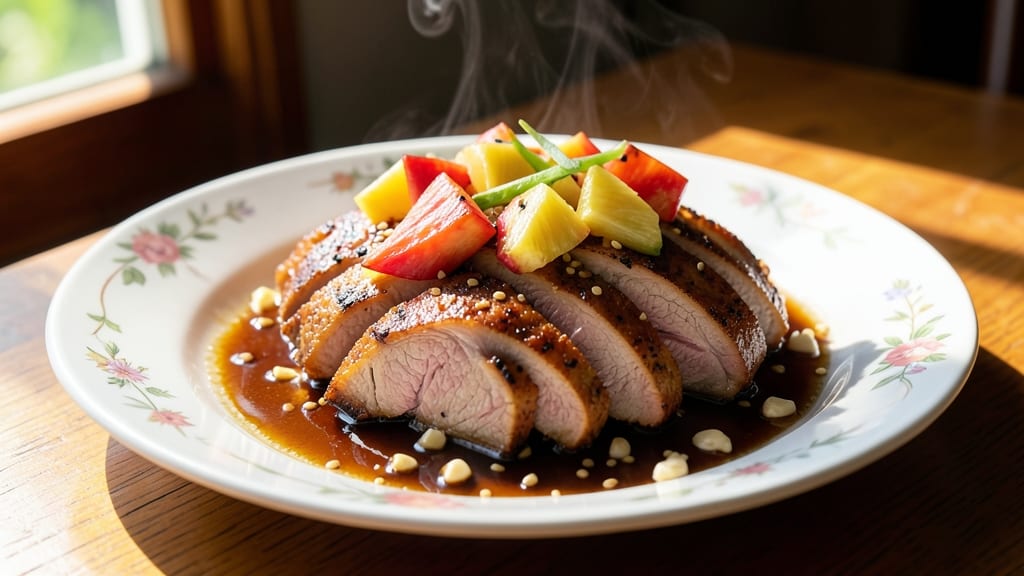
This Filipino-style pork with pineapple recipe brings the bold flavors of the Philippines to your dinner table with a perfect balance of sweet, savory, and tangy notes. 💛 I first tasted this dish in Manila, where it’s a staple in family gatherings, and it’s become a go-to for me whenever I crave something comforting yet vibrant.
The secret lies in the slow simmer, which melds the juicy pork with the natural sweetness of pineapple and the depth of soy sauce and vinegar.
The beauty of this dish is its simplicity—just a few key ingredients transformed into something extraordinary. You’ll start with tender pork pieces, marinated in a mix of soy sauce, vinegar, and garlic, then simmered until fall-apart tender.
The pineapple isn’t just a garnish; it’s a star, adding a bright, tropical sweetness that cuts through the richness of the pork. The result? A dish that’s hearty enough for a main course but light enough to feel refreshing.
What makes this recipe special is how it captures the essence of Filipino home cooking—flavorful, unpretentious, and deeply satisfying. The sauce thickens into a glossy, caramelized glaze that clings to every bite, while the pineapple adds a juicy contrast.
Serve it over steamed rice for the full experience, or pair it with a simple side of atchara (pickled papaya) for a tangy bite that balances the sweetness.
This dish is perfect for weeknight dinners or special occasions, and it reheats beautifully, making it ideal for meal prep. The flavors only deepen as it sits, so leftovers taste even better the next day.
Whether you're cooking for family or treating yourself, this Filipino-style pork with pineapple is a recipe that delivers comfort, authenticity, and a taste of home.
Ingredients for pork with pineapple recipe filipino style
Just 12 ingredients transform simple pork and pineapple into Filipino comfort food magic.
| Ingredient | Amount | Notes |
|---|---|---|
| Boneless Pork Shoulder 🥩 | 1 ½ lb | Cut into 1-inch cubes |
| Fresh Pineapple 🍍 | 1 cup | Diced, fresh or canned (no syrup) |
| Soy Sauce 🍶 | ½ cup | High-quality brand preferred |
| White Vinegar 💧 | ¼ cup | White or cane vinegar |
| Garlic Cloves 🧄 | 6 cloves | Minced, fresh preferred |
| Fresh Ginger 🌿 | 1 tbsp | Grated, for aromatic depth |
| Brown Sugar 🍚 | ¼ cup | Packed, for caramelized glaze |
| Olive Oil 🫒 | 1 tbsp | For searing pork pieces |
| Black Peppercorns 🌶️ | ½ tsp | Freshly ground for heat |
| Bay Leaves 🌿 | 2 whole | For subtle earthy flavor |
| Salt 🧂 | 1 tsp | Kosher or sea salt |
| Green Onions 🧅 | 3 whole | Sliced, for garnish |
The pork makes all the difference here. Pork shoulder stays juicy and tender through the long simmer—chops or tenderloin will dry out. Cut it into uniform 1-inch cubes so everything cooks evenly. I grab mine from Costco when I'm doing a big batch, but the regular supermarket stuff works fine for a weeknight dinner. For the pineapple, fresh is best—the canned stuff works in a pinch but lacks that bright juiciness. Look for ripe pineapple with golden-yellow skin at Trader Joe's or your local Asian market.
No fresh ginger? Ground ginger at half the amount works, but it's not the same. Short on soy sauce? Coconut aminos gives a similar umami punch. The brown sugar can be swapped for white, but it won't caramelize as beautifully. Want more depth? Add 1 tbsp fish sauce—it's a Filipino secret weapon. The green onions are optional but add that fresh pop of color. If you're serving this to guests who don't love onions, skip them entirely—no one will notice they're missing.
This dish tastes even better the next day. Store leftovers in an airtight container in the fridge for up to 5 days. The sauce thickens as it sits, so add a splash of water when reheating. Freezes beautifully for 3 months—portion it into individual containers so you can grab a serving anytime. I always make double batches because it disappears fast. The flavors meld perfectly overnight, making it ideal for meal prep.
Why You'll Love This Recipe
- No Chopping Nightmare: I swear by this recipe because the pork shoulder stays in big chunks—no tedious slicing. Just sear, simmer, and let the soy sauce and vinegar work their magic while you toss a simple rice or veggie stir-fry.
- Sweet-Savory Magic: That first bite? The caramelized pork meets the juicy pineapple’s tang—it’s like a flavor hug. The garlic cloves roasted in the pan? Pure gold. (Yes, even my garlic-averse husband licks his plate.)
- Leftovers That Don’t Suck: This dish actually improves the next day. The pork gets even more tender, and the pineapple’s sweetness mellows into something richer. Pack it for lunch or reheat it for dinner—no one will guess it’s yesterday’s meal.
- Budget Meal That Feeds: A single pork shoulder stretches for four meals, and pineapple’s cheap when you buy it whole. Soy sauce and vinegar? Pantry staples. This is the kind of recipe that makes grocery day feel like a victory.
Step-by-step instructions for pork with pineapple Filipino-style
Here's how to create that perfect balance of sweet, tangy, and savory flavors in every bite.
🍳 Step 1: Sear the Pork Shoulder for Maximum Flavor
Heat the 1 tablespoon olive oil in a large Dutch oven over medium-high heat until shimmering. Add the 1.5 lb boneless pork shoulder cut into 1-inch cubes in a single layer, leaving space between pieces. Let them sear undisturbed for 3-4 minutes until golden brown on one side.
Here's the thing—this initial sear creates a flavorful crust that won't dissolve during the long simmer. I press down gently on the pork pieces during the first minute to prevent them from curling and ensure even contact with the pan. Flip each piece and sear the other sides for another 2-3 minutes. Remove the pork and set it aside temporarily.
👨🍳 Step 2: Build the Sweet-Savory Sauce Base
In the same Dutch oven, reduce the heat to medium and add the 6 cloves minced garlic cloves and 1 tablespoon grated fresh ginger. Cook for 30 seconds until fragrant—you should smell that aromatic punch of garlic and ginger filling your kitchen.
Add the 0.5 cup soy sauce, 0.25 cup white vinegar, 0.25 cup packed brown sugar, 0.5 teaspoon freshly ground black peppercorns, 2 whole bay leaves, and 1 teaspoon salt. Stir everything together and bring to a gentle simmer. This is where all the magic happens—the soy sauce and vinegar create that signature tangy depth while the brown sugar starts caramelizing for that beautiful glaze.
🥘 Step 3: Simmer the Pork Until Tender
Return the seared pork to the Dutch oven and add 1 cup diced fresh pineapple. Stir gently to combine, then bring everything to a boil. Once boiling, reduce heat to low and cover partially. Here's where patience pays off—simmer for 1 hour 15 minutes to 1 hour 30 minutes until the pork is fork-tender.
I check for doneness by piercing a pork piece with a fork—it should slide in easily with no resistance. The sauce should have thickened slightly and developed a beautiful caramelized color. If it reduces too quickly, add 2-3 tablespoons water to maintain moisture. The pineapple will soften slightly but still retain some bite, adding that perfect textural contrast.
⏰ Step 4: Finish and Garnish for Perfect Presentation
Remove the 2 whole bay leaves and adjust seasoning if needed—this is your chance to balance sweetness and acidity. If the sauce is too tangy, add a pinch more brown sugar. If it needs more depth, add a splash of soy sauce. The pork should be falling off the bone tender with a glossy, caramelized glaze.
Garnish each serving with 3 whole sliced green onions for freshness and color. The green onions add a bright, fresh contrast to the rich, sweet-savory pork. Serve immediately over steamed rice to soak up all that delicious sauce—this dish tastes even better the next day as the flavors meld further, but fresh is always best!
Pro Tips For Making Pork With Pineapple Recipe Filipino Style
- Sear the Pork First: Hit that pork shoulder with a screaming-hot pan for 3-4 minutes per side before adding anything else. I used to skip this, and the final dish always tasted flat—now it’s rich and caramelized where it matters.
- Core the Pineapple: Cut the pineapple into thick chunks after removing the core and skin—it’s faster and avoids soggy, undercooked centers. (Yes, even if you’re tempted to eyeball it.)
- Deglaze with Vinegar: After browning the pork, splash in that white vinegar immediately—it cuts through the fond and brightens the sauce. Let it bubble for 30 seconds before adding soy sauce, or the flavor will taste dull.
- Simmer Low and Slow: Once everything’s in the pot, keep the heat at a gentle simmer (not a boil) for at least 45 minutes. I learned this after one batch turned out dry—patience here makes the pork melt-in-your-mouth tender.
Storing and reheating this dish
Refrigerator Storage
Let your Filipino-style pork with pineapple cool completely before transferring to an airtight container—I use glass Pyrex with snap-on lids for best results. Store in the fridge at 40°F or below for up to 5 days.
The sauce thickens beautifully overnight, intensifying those caramelized flavors. I always make extra because it disappears fast—especially when paired with steamed rice. 💛
Freezer Prep Tips
For long-term storage, portion the dish into quart-sized freezer bags or glass containers, leaving 1-inch headspace to prevent ice crystals. Seal tightly and label with the date—this keeps for 3 months without losing quality.
When ready to reheat, thaw overnight in the fridge for even cooking. Pro tip: Freeze individual portions so you can grab just what you need for a quick meal.
Stovetop Reheating
My preferred method is stovetop because it maintains the perfect texture. Transfer the pork and sauce to a heavy-bottomed pot and heat over medium-low heat for 10-15 minutes. Add 2-3 tablespoons water or pineapple juice if the sauce looks too thick.
Stir occasionally to prevent sticking—this dish reheats beautifully and tastes even better the second time around. 🔥
Microwave Shortcuts
For a quick fix, transfer a single serving to a microwave-safe dish and cover loosely with a microwave-safe lid. Heat on 70% power for 2-3 minutes, then stir and continue in 30-second intervals until reaching 165°F.
The pineapple adds moisture, so you won’t need extra liquid. If the sauce seems dry, drizzle with a splash of water or pineapple juice before serving.
Sauce Adjustments
The sauce often thickens during storage, so don’t be afraid to thin it with 1-2 tablespoons water or pineapple juice when reheating. If the pork seems dry, add a splash of the reheated sauce directly to the plate.
The flavors actually improve after the first day, making leftovers taste even more delicious—just like my mom’s famous adobo! ✨
Nutrition facts
Frequently asked questions
Can I substitute chicken or beef for the pork?
You can absolutely use chicken or beef, but cooking times will differ. For chicken thighs, reduce simmering to 30-40 minutes (they cook faster than pork). Beef chuck works well but needs 1.5-2 hours to become tender. The pineapple and sauce ratios stay the same, but monitor closely to avoid overcooking.
Why does my sauce turn out too sweet?
This happens when the brown sugar caramelizes more than expected or if you prefer less sweetness. Balance it by adding 1-2 tablespoons white vinegar to cut the sweetness. For extra depth, stir in 1 teaspoon fish sauce—it adds umami without changing the sweetness level.
How do I make this dish spicier?
Add heat by including 1-2 tablespoons chopped chili peppers (like siling labuyo) with the garlic and ginger. For a smoky kick, sprinkle ½ teaspoon smoked paprika—it blends beautifully with the pineapple’s sweetness. If you love heat, add a dash of chili flakes at the end too.
Can I use canned pineapple instead of fresh?
Yes, but drain it well and pat dry to avoid a watery sauce. Use 1 (8 oz) can crushed pineapple—it’s sweeter than fresh, so you may reduce the brown sugar to ¼ cup. For best texture, add the pineapple during the last 15 minutes of cooking to prevent mushiness.
What’s the best way to serve this dish?
Pair it with steamed jasmine rice—it soaks up the sauce perfectly. For extra Filipino flair, serve with atchara (pickled papaya)—the tang cuts through the sweetness. A simple side salad with lime dressing also works well to balance the richness.