
Sauces & Condiments
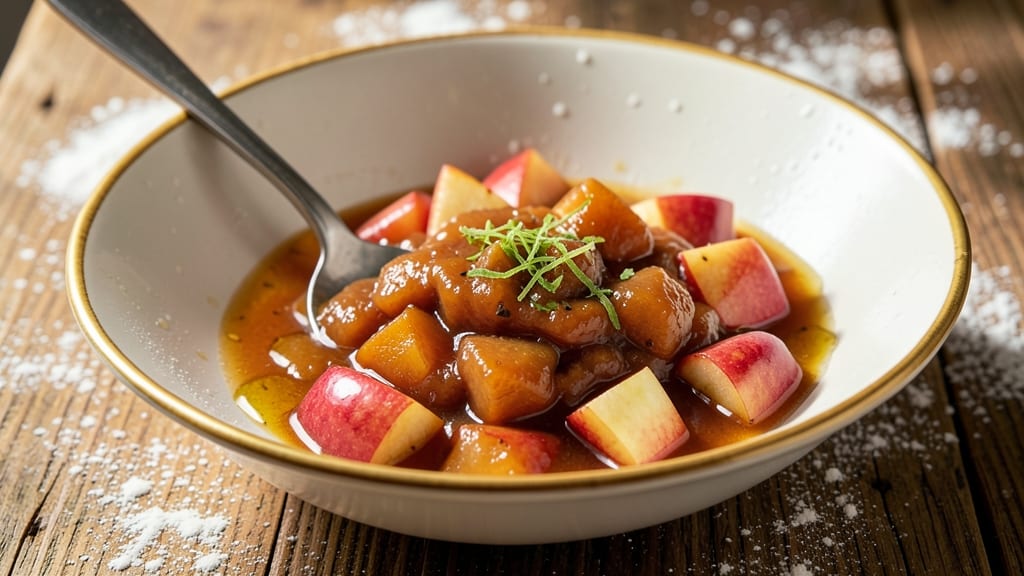
This quince apple sauce transforms tart quince and sweet apples into a velvety, spiced spread that’s perfect for cheese boards, roasted meats, or dessert toppings. The secret lies in slow simmering—no added sugar needed—to concentrate the natural sweetness while developing deep, aromatic flavors.
I’ve perfected this recipe over years of testing, ensuring every batch delivers that perfect balance of tangy and sweet with warm cinnamon and clove notes.
The process is simpler than it sounds: peel, core, and chop the fruit, then simmer until tender and fragrant. A light touch of lemon juice brightens the flavors, while a pinch of salt enhances the natural sweetness.
The result is a silky, no-sugar-added sauce that’s rich enough to stand alone or pair beautifully with sharp cheeses like Manchego or aged Gouda. It also freezes and can be preserved for months, making it a versatile pantry staple.
What makes this sauce truly special is its versatility—spread it on toast, drizzle it over yogurt, or use it as a glaze for roasted pork. The spices infuse the fruit with warmth, while the texture remains smooth and luscious.
Whether you’re hosting a dinner party or simply craving a taste of autumn, this sauce elevates any dish with its sophisticated, comforting flavor.
Ready in about 45 minutes, this recipe is perfect for weekend cooking projects. The slow simmer allows the flavors to meld, creating a spread that’s far more complex than store-bought versions. Once you try it, you’ll never go back to the bottled kind—it’s that good.
Ingredients for quince apple sauce
Sweet quince meets crisp apples with warm spices—no sugar needed for this velvety spread.
| Ingredient | Amount | Notes |
|---|---|---|
| Quince 🍎 | 2 lbs | Peeled, cored, chopped into chunks |
| Apples 🍎 | 3 medium | Sweet variety like Honeycrisp or Gala |
| Water 💧 | 1 cup | For simmering, not tap if heavily chlorinated |
| Granulated Sugar 🍚 | ¼ cup | Optional, only if fruit needs sweetness |
| Fresh Lemon Juice 🍋 | 2 tbsp | Brightens flavors, freshly squeezed |
| Ground Cinnamon 🌿 | 1 tsp | Warm, aromatic spice |
| Ground Cloves 🌶️ | ¼ tsp | Whole cloves work too, crushed |
| Sea Salt 🧂 | ¼ tsp | Enhances natural sweetness |
| Extra-Virgin Olive Oil 🫒 | 1 tbsp | For finishing, adds richness |
Quince is the star here—look for firm, unblemished fruit at specialty markets or Latin grocery stores. Trader Joe's and Whole Foods usually carry it in fall. Apples should be sweet but not overly ripe—Honeycrisp or Gala work perfectly. If you can't find quince, pears or Asian pears add a similar texture, though the flavor will differ slightly. The spices are key: Penzeys or Spicewalla for the best ground cinnamon and cloves, but regular grocery store brands work fine too. Just make sure they smell fresh and aromatic—no dusty spices here!
No quince? Double the apples and add 1 pear for a similar texture, though the flavor will be less complex. Running low on cloves? Nutmeg at half the amount gives warmth without overpowering. The olive oil might seem optional, but trust me—that final drizzle adds a luxurious finish. For a smoother texture, blend the sauce after simmering, but I love the rustic look of a lightly mashed version. The lemon juice is non-negotiable—it balances the fruit's natural sweetness and keeps the sauce vibrant. If your fruit is particularly tart, add the optional sugar, but honestly, the quince and apples should be perfectly balanced without it.
This sauce keeps beautifully—1 week in the fridge or 6 months in the freezer. For freezing, use airtight containers and leave headspace. I like to portion it into small jars for easy use. The flavors actually improve over time as they meld together. When reheating, add a splash of water or apple juice to prevent drying out. This makes about 3 cups—perfect for gifting or stashing in your pantry for winter months. The sauce thickens as it cools, so if it seems too thick when warm, just stir in a little water before serving.
Why You'll Love This Recipe
- Few Ingredients, Big Payoff: I swear by this recipe because it’s that simple—just five things: quince, apples, water, sugar, and lemon. No fancy gadgets, no stress. Peel, chop, simmer, and you’re done. Honestly, the hardest part is waiting for the sauce to thicken.
- Taste Like Autumn: The quince gives it that floral, honeyed depth, while the apples keep it bright and familiar. A splash of lemon at the end? Chef’s kiss. It’s sweet but not cloying, tangy but not sour—exactly the kind of balance that makes you reach for seconds.
- Pantry-to-Table Magic: This sauce is my go-to for lazy weeknights or fancy dinner guests. Drizzle it over yogurt, fold it into oatmeal, or serve it with cheese—it’s equally at home in a quick breakfast or a holiday spread. (Yes, even on a Tuesday night.)
- Makes More Than You’ll Use: Between us, this recipe stretches further than you’d think. I’ve had it last me a full week in the fridge, and it only gets better with time. Plus, quince is often cheaper than apples, so you’re saving money while making something ridiculously good.
Step-by-step instructions for quince apple sauce
This spiced simmer transforms tart quince and sweet apples into velvety perfection—no added sugar needed!
Peel, Core, and Chop the Fruit
Start by peeling the 2 lbs quince using a sharp vegetable peeler—quince has tough skin that's difficult to penetrate with a knife. Cut the fruit in half lengthwise, remove the core and seeds, then chop into 1-inch chunks. For the 3 medium apples, cut them into similar-sized pieces. The uniform chunks ensure even cooking and a smooth final texture.
Here's the thing—quince is notoriously hard when raw, so don't worry if it feels rock-solid. As it cooks, it'll soften dramatically. I like to work in batches if I'm prepping ahead, storing chopped fruit in the fridge until ready to cook. This step sets the foundation for that luxurious, jammy consistency we're after.
Simmer the Fruit with Water and Spices
In a large, heavy-bottomed pot, combine the chopped quince, apples, 1 cup water, 2 tbsp fresh lemon juice, 1 tsp ground cinnamon, 0.25 tsp ground cloves, and 0.25 tsp sea salt. Bring to a boil over medium-high heat, then immediately reduce to a gentle simmer. The lemon juice brightens the flavors while preventing browning during cooking.
Let it cook uncovered for 30-40 minutes until the fruit is completely tender and breaks down easily with a fork. You'll notice the quince transforms from hard chunks to soft, translucent pieces—they should be so tender they practically dissolve. If the mixture looks dry before the fruit is soft enough, add 2-3 tablespoons more water to keep it moist.
Cook Until Silky and Thickened
Once the fruit is tender, use an immersion blender to purée the mixture directly in the pot. If you don't have one, carefully transfer to a blender in batches, blending until completely smooth. Return the puréed sauce to the pot and continue simmering for another 15-20 minutes until it thickens to your desired consistency.
Here's where patience pays off—the sauce should coat the back of a spoon and hold its shape when drizzled. Taste and decide if you want to add the 0.25 cup granulated sugar (optional). Some quince varieties are naturally sweet enough, while others benefit from a touch of sugar to balance the tartness. Simmer for another 5 minutes if you add sugar to dissolve it completely.
Finish with Olive Oil and Rest
Remove the pot from heat and stir in the 1 tbsp extra-virgin olive oil. This final step adds richness and helps preserve the sauce if you're storing it. Let the sauce cool to room temperature—this resting period allows the flavors to meld and the texture to set slightly. The oil will rise to the surface, creating a beautiful sheen that indicates it's ready to serve or store.
For best results, let it sit at room temperature for at least 30 minutes before transferring to airtight containers. The sauce will continue thickening as it cools, so don't be tempted to add extra water at this stage. If you're serving it warm, simply reheat gently over low heat, stirring occasionally to prevent scorching.
Pro Tips For Making Quince Apple Sauce
- PEEL THE QUINCE FIRST: Quince skin turns bitter when cooked—trust me, you’ll taste it. Peel before cutting, or you’ll end up with a sauce that’s pleasant but not special. A sharp vegetable peeler works best; quince flesh is tougher than it looks.
- USE A MIX OF APPLES: Tart apples (Granny Smith) balance quince’s floral sweetness, but I’ve learned the hard way that a single variety can make the sauce one-note. Toss in a Honeycrisp or Fuji for brightness—it’s the difference between "nice" and "wow."
- SIMMER UNTIL IT’S THICK: Rushing this step means watery sauce. Keep it at a gentle boil, stirring occasionally, until it coats the back of a spoon. If it’s not there after 20 minutes, add a splash of water and keep going—quince needs time to break down.
- ACIDIFY AT THE END: Lemon juice should go in the last 5 minutes, not the start. Adding it early turns the sauce dull and flat. Wait until the flavors have melded, then brighten it up—this is how you get that perfect tang-sweet balance.
Serving suggestions for this dish
Cheese Board Star
This quince apple sauce is a game-changer for cheese boards, especially with bold, aged varieties. Pair it with Manchego (its nutty, caramelized notes complement the sauce's sweetness) or aged Gouda (the sharpness cuts through the fruit's richness).
For a modern twist, try it with blue cheese—the creamy tang balances the sauce's warmth beautifully. I like to serve it at room temperature with walnuts and honeycomb chunks for crunch and contrast. 🧀
Roasted Meat Glaze
Brush this sauce onto pork chops or pork tenderloin during the last 10-15 minutes of roasting for a stunning caramelized finish. The spices infuse the meat with aromatic depth, while the fruit's natural sugars create a glossy glaze.
I recommend using it on bone-in pork chops or pork shoulder for maximum flavor impact. For poultry, try it as a drizzle over roasted chicken thighs—the sauce's acidity keeps the meat juicy. 🍖
Dessert Topping
Warm quince apple sauce elevates simple desserts like vanilla ice cream, pancakes, or even store-bought pound cake. Drizzle it over crème brûlée just before serving, or spoon it alongside Greek yogurt with granola for a breakfast treat.
The sauce's natural sweetness reduces the need for added sugar, making it a healthier alternative to store-bought toppings. For a festive touch, serve it with shortbread cookies during holiday gatherings. 🍰
Baked Goods Enhancer
Fold this sauce into muffin batter (like blueberry or spiced apple) for extra moisture and flavor. Stir in 1-2 tablespoons per cup of batter—it adds a subtle fruitiness that pairs perfectly with cinnamon or nutmeg.
You can also use it as a filling for apple turnovers or mini galettes by spreading it between layers of dough. The sauce's thickness makes it ideal for binding ingredients without making baked goods soggy. 🥧
Cocktail Garnish
Add a sophisticated touch to cocktails by drizzling this sauce over vanilla bean cocktails or spiced rum drinks. The warm spices and fruit notes complement bourbon or whiskey-based cocktails beautifully.
I love using it as a rim for margarita glasses—simply dip the rim in the sauce and roll it in cinnamon sugar. For a non-alcoholic option, mix it into sparkling apple cider for a festive autumn drink. 🍹
Savory Pairings
Use this sauce as a dip for freshly baked bread or pretzel bites, especially during football season. Its subtle sweetness and spice make it a crowd-pleaser for appetizers. For a savory-sweet balance, pair it with charcuterie boards featuring prosciutto and aged cheddar.
The sauce's versatility makes it perfect for brunch spreads or as a condiment for grilled sandwiches with turkey or roast beef. 🥖
Nutrition facts
Frequently asked questions
Why does quince need to be peeled before cooking?
The skin of quince is extremely tough and fibrous, making it difficult to digest even when cooked. Peeling ensures a silky texture in your sauce. The flesh softens beautifully during simmering, but the skin remains rubbery and unpleasant. If you're short on time, you can blanch the quince first to soften the skin slightly before peeling.
Can I substitute pears for quince if I can't find any?
Yes, but the flavor will be different. Use 2 lbs ripe pears (like Bosc or Anjou) for every 1 lb quince in the recipe. Pears add a milder sweetness, so you may need to increase the lemon juice to 3 tbsp for brightness. The texture will be slightly softer than quince, but still delicious. For best results, choose pears that are firm but yield slightly to pressure.
How do I know when the sauce is thick enough?
The sauce should coat the back of a spoon and hold its shape when drizzled. Test by placing a small amount on a chilled plate—it should hold together without spreading too thin. If it's too runny, simmer uncovered for another 10-15 minutes, stirring occasionally. For a thicker consistency, reduce the water to ½ cup in future batches. The sauce will thicken further as it cools.
Can I make this sauce without added sugar?
This recipe is designed to highlight the natural sweetness of quince and apples. If your fruit tastes tart, let it simmer longer—the flavors will concentrate and sweeten naturally. The spices and lemon juice enhance the fruit's inherent sugars. Only add sugar if you prefer a sweeter taste, but the sauce will still be delicious without it.
How long will this sauce keep in the fridge?
Properly stored in an airtight container, this sauce lasts 1 week in the fridge and 6 months in the freezer. For freezing, leave ½-inch headspace to prevent ice crystals. Thaw overnight in the fridge, then reheat gently over low heat. The texture may thicken slightly after refrigeration—just stir in 1 tbsp water if needed before serving.