
Main Courses
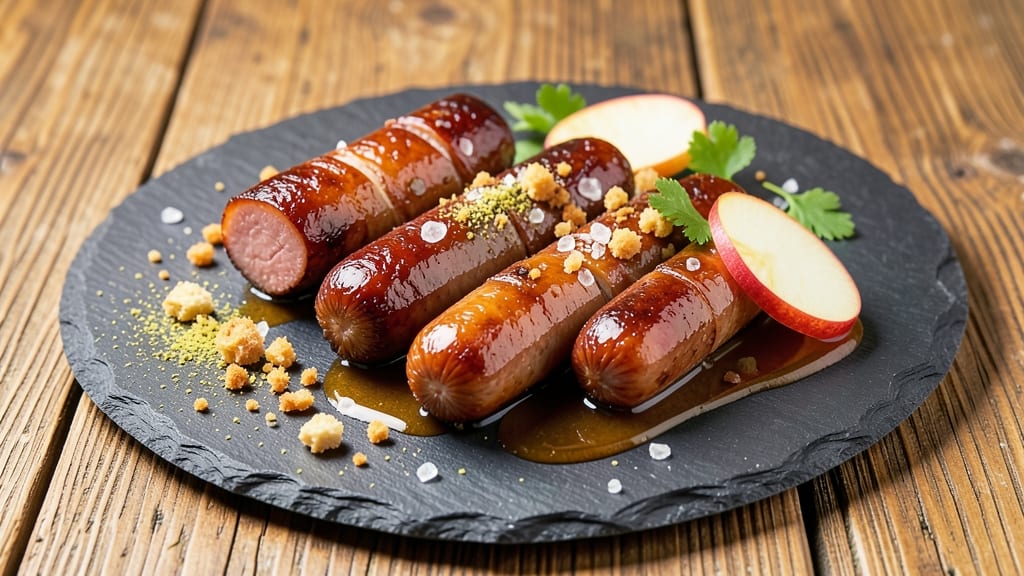
This smoked apple chardonnay chicken sausage recipe transforms simple ingredients into a showstopping dish that balances celery-crusted heat with a tart-sweet glaze. 🌟 After years of perfecting the marriage of smoky sausage and wine-infused flavors, I've developed a method that delivers restaurant-quality results at home—no fancy equipment required.
The secret lies in marinating the sausage overnight, creating a crust that's both crispy and aromatic, while the chardonnay and apple glaze adds depth that lingers long after the last bite.
The recipe begins with a simple yet flavorful marinade that tenderizes the sausage while infusing it with apple and chardonnay notes, then builds to a celery-crusted exterior that adds texture and complexity.
Cooking methods are flexible—you can grill for that classic smoky flavor, bake for convenience, or pan-sear for a quick weeknight meal. What sets this dish apart is the perfect balance of sweet, tangy, and savory elements, making it versatile enough for dinner parties or a cozy family meal.
By the time you plate this dish, you'll have juicy, flavorful sausage with a glaze that's sticky-sweet yet bright, thanks to the chardonnay's acidity cutting through the richness. The celery crust adds a subtle crunch that contrasts beautifully with the tender meat inside.
Serve it with roasted potatoes or a simple green salad to round out the meal—this is comfort food elevated to something special.
Whether you're hosting a gathering or simply craving a standout main course, this recipe delivers bold flavors and professional results without the fuss. The techniques are approachable, yet the outcome feels like a chef's creation. Let's get cooking—your taste buds will thank you.
Ingredients for smoked apple chardonnay chicken sausage
Pantry staples meet bold flavors in this celery-crusted sausage masterpiece.
| Ingredient | Amount | Notes |
|---|---|---|
| Chicken Sausages 🍗 | 12 pieces | High-quality, link-style preferred |
| Dry Celery 🥬 | 1 ½ cups | Finely chopped, fresh or frozen |
| Dry Breadcrumbs 🍞 | 1 cup | Panko for extra crunch |
| Dry Mustard 🧂 | 1 tbsp | Dijon for depth of flavor |
| Dry Apple Cider Vinegar 🍎 | ½ cup | For tangy brightness |
| Dry Chardonnay Wine 🍷 | 1 cup | Bold, dry variety preferred |
| Fresh Apple Pieces 🍏 | 2 medium | Peeled, cored, diced small |
| Fresh Garlic Cloves 🧄 | 4 cloves | Minced for marinade |
| Fresh Rosemary 🌿 | ¼ cup | Chopped, fresh preferred |
| Brown Sugar 🍚 | ½ cup | Light or dark variety |
| Olive Oil 🫒 | ¼ cup | Extra-virgin for richness |
| Salt 🧂 | 1 ½ tsp | Kosher or sea salt |
| Black Pepper 🌶️ | 1 tsp | Freshly ground preferred |
| Honey 🍯 | 1 tbsp | For glaze sweetness |
The sausage is where it all begins—high-quality chicken sausages make a world of difference. Look for brands like Applegate or Field Roast at your local grocery store or specialty market. If you can't find link-style sausages, Italian chicken sausage works too, just slice them into 1-inch pieces. The celery needs to be dry and finely chopped—this is key for that perfect crust. I always grab the pre-chopped celery mix from the salad bar at Whole Foods to save time, but fresh works best for maximum flavor. The apple? Granny Smith holds up best when cooked—avoid the sweet varieties like Fuji.
No chardonnay? Dry white wine or apple juice works in a pinch, though the wine's acidity is ideal. Running out of apple cider vinegar? Lemon juice at half the amount brings similar tang. The rosemary can be swapped for thyme or sage if you're out, but trust me on keeping the celery—it's the secret to that signature crunch. Brown sugar substitutes? Maple syrup or coconut sugar in equal measure. For the glaze, if you're avoiding honey, agave nectar or maple syrup works beautifully. The marinade can be prepped a day ahead—just store it in the fridge until ready to use.
This dish reheats like a dream—350°F for 10-15 minutes until warmed through. The glaze gets thicker when chilled, so reheat with a splash of water if it's too stiff. Sausages freeze beautifully for up to 3 months if you make a double batch. I always portion the glaze into small jars for easy reheating—just pop it in the microwave for 20 seconds and stir. Leftovers keep in the fridge for 4-5 days, but honestly, they rarely last that long.
Why You'll Love This Recipe
- One-Pan Magic: That dry celery and apple cider vinegar crust? It sticks to the sausage like a dream—no flipping, no fuss. Just toss everything on a sheet pan, pop it in the oven, and walk away while the smoky-sweet aroma fills your kitchen.
- Smoke & Spice Bomb: The mustard and breadcrumbs give these sausages a crispy shell that shatters with every bite, but the real star is that deep, smoky apple undertone. It’s like a fall morning in a pan—warm, rich, and impossible to resist.
- Weeknight Workhorse: Between us, this is the recipe I turn to when I’ve got zero energy but still need dinner on the table. It reheats beautifully for lunches, freezes like a champ, and even my picky-eating teens devour it without complaint.
- Budget-Friendly Luxe: You’d never know these taste like they cost a fortune—just a handful of pantry staples and those affordable chicken sausages. The apple cider vinegar adds that gourmet touch without breaking the bank, and leftovers? They’re basically a free meal the next day.
Step-by-step instructions for smoked apple chardonnay chicken sausage
Here's how to transform simple ingredients into smoky, sweet-tart sausages with perfect celery crusts.
🍳 Step 1: Create the Celery-Crust Marinade
In a food processor, pulse the 1.5 cups dry celery until it becomes a fine, sand-like texture—think celery salt but with more body. Transfer this to a large bowl and add the 1 cup dry breadcrumbs, 1 tbsp dry mustard, 1.5 tsp salt, and 1 tsp black pepper. Mix well to combine all dry ingredients thoroughly.
In a separate bowl, whisk together the 1 cup dry chardonnay wine, 0.5 cup dry apple cider vinegar, 0.25 cup olive oil, and 0.25 cup fresh rosemary. The mixture should smell bright and slightly herbal, with the wine's bold notes cutting through the vinegar's tang. Pour this liquid mixture over the dry ingredients and stir until everything is evenly moistened but not soupy.
👨🍳 Step 2: Coat and Marinate the Sausages
Gently place the 12 pieces chicken sausages in the marinade mixture, turning them to coat completely. The crust should adhere firmly but not clump—if it's too wet, add a splash more breadcrumbs. Cover the bowl and refrigerate for at least 4 hours (overnight is ideal), turning the sausages occasionally to ensure even coating.
Here's where the magic happens: the celery crust will soften slightly as it absorbs the marinade, while the wine and vinegar work together to tenderize the meat. The rosemary infuses subtle piney notes that'll complement the smoky flavor later.
🔥 Step 3: Smoke the Sausages Low and Slow
Preheat your smoker to 225°F using applewood chips for a delicate, fruity smoke flavor. Arrange the marinated sausages on the smoker grates, leaving space between them for even heat circulation. Smoke for 1 hour to 1 hour 15 minutes, until the internal temperature reaches 160°F and the crust turns a beautiful golden brown.
Resist the urge to peek! Every time you open the smoker, you lose heat and moisture. The sausages should develop a deep mahogany color with the celery crust becoming crisp at the edges. This low-and-slow approach ensures tender meat with maximum flavor penetration.
🥘 Step 4: Prepare the Sweet-Tart Glaze
While the sausages smoke, make the glaze by combining 2 medium fresh apple pieces (diced small), 0.5 cup brown sugar, 1 tbsp honey, 4 cloves fresh garlic cloves (minced), and 1 tbsp dry mustard in a saucepan. Cook over medium heat for 5 minutes, stirring occasionally, until the apples soften slightly.
Add 0.25 cup apple cider vinegar and 0.25 cup chardonnay wine, scraping up any browned bits from the bottom of the pan. Simmer for 8-10 minutes until the mixture reduces by half and becomes syrupy. The glaze should coat the back of a spoon and smell like a perfect balance of sweet, tart, and herby notes.
🔥 Step 5: Finish and Glaze the Sausages
Once the sausages reach 160°F internally, transfer them to a serving platter. Increase your smoker temperature to 275°F and brush each sausage generously with the warm glaze. Return them to the smoker for 5-7 minutes to caramelize the glaze slightly and develop a glossy finish.
The final sausages should have crisp celery crusts, tender meat that pulls apart easily, and a glossy glaze that balances sweet apple with tangy vinegar notes. Serve immediately with crusty bread to soak up all that delicious smoky-sweet sauce!
Pro Tips For Making Smoked Apple Chardonnay Chicken Sausage
- CRUSH THE CELERY FIRST: Dry celery is the backbone of this recipe, but it’s useless if it’s not finely chopped—think rice-sized pieces, not matchsticks. I used to skip this step and ended up with a dish that tasted like it was missing something. A sharp knife and a few minutes of effort make all the difference.
- SWEAT THE SAUSAGES LOW: Start the chicken sausages on medium-low heat, or you’ll end up with tough, rubbery links. Let them render fat and brown gently—about 5-7 minutes—before adding anything else. Rushing this step is how I learned to respect patience in cooking.
- DON’T SKIP THE VINEGAR MIST: Apple cider vinegar is the flavor bomb here, but don’t just toss it in at the end. Deglaze the pan with a splash (about 2 tablespoons) while the sausages are still warm—it’ll lift all the browned bits and deepen the smoky apple notes. Trust me, your taste buds will notice.
- TOAST THOSE BREADCRUMBS: The dry breadcrumbs in this recipe aren’t just filler—they’re for texture. Toast them in a dry pan for 2-3 minutes until golden, then sprinkle them over the sausages at the end. It adds a crispy contrast that turns a good dish into a great one. (Yes, even if you’re impatient like me.)
Pro cooking tips for this recipe
Celery Crust Mastery
That celery crust isn't just for show—it's the secret to texture and flavor. Pulse the celery in a food processor until it reaches a fine, sand-like consistency, almost like celery salt but with more body. The key is to avoid over-processing into a paste.
I like to use a Cuisinart food processor with the pulse function for precise control. This texture creates a perfect balance between crisp and tender when cooked. 🥬
Don't skip the breadcrumbs! The 1 cup panko adds that essential crunch while absorbing moisture from the marinade. I've found that regular breadcrumbs work too, but panko maintains its structure better during cooking. Mix all dry ingredients thoroughly before adding liquids to ensure even distribution throughout the crust.
Marinade Timing
The longer the marinade, the better the flavor penetration. I recommend marinating overnight for maximum tenderness, but even 4 hours makes a noticeable difference. The wine and vinegar work together to break down the sausage's proteins, while the rosemary adds subtle herbal depth.
Turn the sausages occasionally during marinating to ensure even coating on all sides.
Pro tip: If you're short on time, make the marinade a day ahead and store it in the fridge. The flavors actually improve as they meld together.
Just bring it to room temperature before using. The celery crust will soften slightly during marinating, which is perfect—it'll crisp up beautifully during cooking.
Smoke Control
Temperature consistency is everything when smoking. Maintain a steady 225°F using applewood chips—they add a delicate, fruity smoke that complements the sweet-tart flavors. I use a Traeger Pro 570 smoker for this recipe, but any quality smoker will work.
The sausages should reach 160°F internal temperature before finishing with the glaze.
Resist the temptation to peek! Every time you open the smoker, you lose heat and moisture. The sausages will develop a beautiful mahogany color with crisp celery crusts at the edges. This low-and-slow approach ensures tender meat with maximum flavor penetration throughout.
Glaze Perfection
The glaze is where all the magic comes together. Simmer the apple mixture until it reduces by half—this concentrates the flavors and creates that perfect syrupy consistency. The 0.25 cup chardonnay wine adds acidity that cuts through the sweetness, while the garlic and mustard provide depth.
Taste as you go and adjust sweetness or tanginess to your preference.
For extra shine, finish the glaze with a quick brush of neutral oil**> (like grapeseed) before applying it to the sausages. This creates a beautiful glossy finish that makes the dish look restaurant-worthy.
The glaze should coat the back of a spoon and have a perfect balance of sweet, tart, and herby notes.
Nutrition facts
Frequently asked questions
Can I substitute regular chicken sausage for the celery-crusted version?
The celery crust is what gives this dish its signature texture and flavor! If you're short on time, use 1 cup crushed cornflakes or panko breadcrumbs instead, but the celery adds that unique depth. For a quick version, simply coat the sausages in 1 tbsp olive oil and 1 tsp smoked paprika before cooking. The glaze will still shine, but the texture will differ.
What if I don't have applewood chips for smoking?
No problem! Use hickory for a bolder smoky flavor or fruitwood blends for a milder taste. Avoid mesquite—it can overpower the delicate apple and wine notes. If you're not smoking, pan-sear the sausages in 2 tbsp butter until golden, then finish with the glaze in the oven at 375°F for 10 minutes.
How can I make this recipe ahead of time?
Marinate the sausages overnight for best results, then store them in the fridge until ready to cook. The glaze can be made 1 day ahead and reheated with a splash of water. For a complete make-ahead meal, smoke the sausages, cool them completely, then refrigerate. Reheat in a 350°F oven for 15 minutes and brush with warm glaze before serving.
Can I use this glaze on other proteins?
This glaze works beautifully on pork tenderloin, salmon, or even tofu for a vegetarian option. For chicken breasts, brush the glaze on during the last 5 minutes of cooking at 375°F. For seafood, reduce the cooking time to 3-4 minutes to avoid overcooking—just enough to caramelize the glaze.
Why did my celery crust turn mushy instead of crispy?
This usually happens when the crust absorbs too much moisture during marinating. Make sure your celery is completely dry before processing, and add breadcrumbs gradually to absorb excess liquid. For extra crispiness, bake the sausages on a wire rack over a baking sheet at 400°F for 10 minutes after smoking to crisp the crust.