
Main Courses
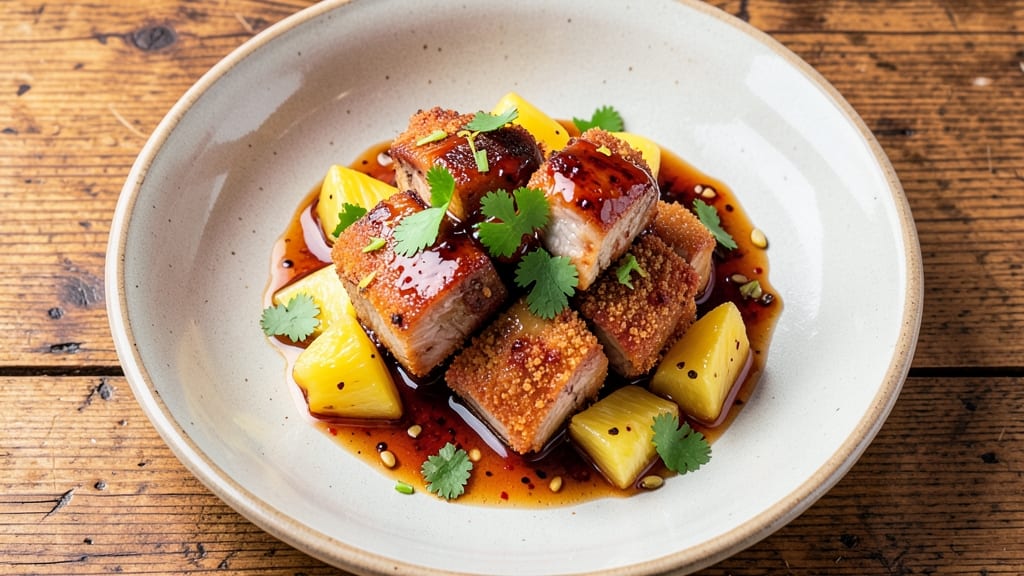
Chef James Beard's sweet and sour pork pineapple recipe delivers the perfect balance of crispy, golden bites and a tangy, glossy sauce that's impossible to resist. The secret lies in a double-fry technique that creates restaurant-quality texture, paired with a sauce that's both sweet and bright—just like Beard's signature style.
I've been perfecting this version for years, and it never fails to impress.
What sets this recipe apart is the marinade, which tenderizes the pork while building deep flavor, and the sauce, where vinegar and sugar work together to create that signature balance. The pineapple adds natural sweetness and a touch of tropical brightness that cuts through the richness of the pork.
Every bite delivers crispy edges, tender meat, and a glossy sauce that clings perfectly.
By the time you finish plating these crispy pork bites with their vibrant sauce, you'll have a dish that looks as impressive as it tastes—ideal for family dinners or special occasions.
The technique is straightforward but requires attention to timing, especially when frying the pork to achieve that perfect golden crust without overcooking.
Serve with steamed jasmine rice or egg fried rice to soak up every last drop of that tangy sauce. The combination of textures and flavors makes this more than just a recipe—it's an experience that brings Chef Beard's legendary style into your home kitchen.
Ingredients for sweet and sour pork pineapple recipe chef james beard
Crispy pork bites and a tangy sauce—Chef Beard's signature balance of texture and flavor starts here.
| Ingredient | Amount | Notes |
|---|---|---|
| Pork Shoulder 🥩 | 1 ½ lb | Cut into 1-inch cubes, boneless |
| Cornstarch 🌾 | ½ cup | For crispy coating |
| Fresh Pineapple 🍍 | 1 ½ cups | Finely chopped, fresh preferred |
| White Vinegar 💧 | ½ cup | Distilled preferred for tang |
| Brown Sugar 🍚 | ½ cup | Packed, light or dark |
| Soy Sauce 🥢 | ¼ cup | Low-sodium preferred |
| Garlic Cloves 🧄 | 4 cloves | Minced for marinade |
| Fresh Ginger 🌿 | 1 tbsp | Grated, fresh preferred |
| Vegetable Oil 🫒 | 2 cups | High smoke point for frying |
| Green Bell Pepper 🧅 | 1 whole | Julienned for garnish |
| Sesame Seeds 🌰 | 1 tbsp | Toasted for garnish |
| Salt 🧂 | 1 ½ tsp | Kosher or sea salt |
| Black Pepper 🌶️ | ½ tsp | Freshly ground preferred |
| Red Food Coloring 🎨 | ½ tsp | Optional for vibrant sauce |
The pork shoulder is key—look for well-marbled cuts at your butcher or grocery store's meat counter. Costco or Whole Foods often carry quality cuts, but any reputable supermarket will have it. Cutting the pork into even 1-inch cubes ensures consistent cooking. For the pineapple, fresh is ideal—Hawaiian Gold or Sugarloaf varieties have the best balance of sweetness and acidity. If using canned, drain well and pat dry to prevent soggy frying. The cornstarch is non-negotiable for that signature crispy texture—Bob's Red Mill brand works perfectly if you're buying in bulk.
No fresh ginger? Substitute 1 tsp ground ginger, but fresh has that zesty kick you can't replicate. Short on pineapple? Mango or peach chunks work in a pinch, though the acidity won't be identical. The soy sauce can be swapped for tamari if you're gluten-sensitive, and the white vinegar? Apple cider vinegar adds a fruity note that pairs beautifully. For the sauce, if you want extra brightness, a dash of red food coloring (like McCormick) gives that classic restaurant look—though it's purely optional. The double-fry technique is what creates that crispy crust, so don't skip it—350°F for the first fry, then 375°F for the second is the magic window.
Marinate the pork for at least 4 hours, but overnight is best—this tenderizes the meat and builds deep flavor. Store leftover marinade in an airtight container in the fridge for up to 3 days, though it's best used fresh. The fried pork stays crispy for about 20 minutes after frying, so work quickly when plating. Sauce keeps for 5 days in the fridge—it actually tastes better the next day as the flavors meld. For a quick prep, chop all veggies and measure everything out the night before. The sesame seeds? Toast them in a dry pan for 2 minutes—they'll release their nutty aroma and add extra crunch to every bite.
Why You'll Love This Recipe
- One-Pan Magic: I swear by this recipe when I don’t want to wash a million dishes. The pork shoulder gets seared in the same pan where the sauce simmers—no extra pots, no stress. Just toss in the pineapple chunks (no fancy dicing needed) and let the vinegar and brown sugar work their magic while you stir.
- Crispy-Tender Bite: That cornstarch coating? Chef’s move. The pork comes out with a satisfying crunch that gives way to juicy, melt-in-your-mouth perfection—like biting into a golden hug. The fresh pineapple cuts through the richness, balancing every forkful so it’s never too sweet or too tangy.
- Lunchbox Hero: Between us, this is my go-to for packed lunches. The flavors actually improve the next day (yes, really), and it reheats like a dream. Toss it with rice or serve it cold over greens—my kids beg for it, and honestly? So do I.
- Budget Stretch: Pork shoulder is my wallet’s best friend—cheaper than tenderloin, but just as flavorful when braised right. A single pineapple lasts for weeks of meals, and that jar of vinegar? You already have it. It’s the kind of recipe that makes grocery day feel like a win.
Step-by-step instructions for sweet and sour pork pineapple
Here's the method for achieving that signature crispy exterior and tangy glaze.
Prepare the Pork for Crispy Perfection
Cut the 1.5 lb pork shoulder into 1-inch cubes, removing any excess fat or connective tissue. Place the cubes in a large bowl and add the 0.5 cup cornstarch, 1.5 tsp salt, and 0.5 tsp black pepper. Toss gently but thoroughly until every piece is evenly coated. This cornstarch coating is what creates that signature crispy texture when fried.
Let the coated pork sit at room temperature for 15-20 minutes while you prepare the remaining ingredients. This ensures even cooking and prevents the meat from steaming in the oil. Don't skip this step—it makes a noticeable difference in texture.
Create the Tangy Marinade
In a small saucepan, combine the 1.5 cups fresh pineapple, 0.5 cup white vinegar, 0.5 cup brown sugar, 0.25 cup soy sauce, 4 cloves minced garlic, and 1 tbsp grated fresh ginger. Bring to a gentle simmer over medium heat and cook for 10-12 minutes until the mixture reduces by about one-third and thickens slightly.
Strain the marinade through a fine-mesh sieve to remove any pineapple chunks or garlic bits, pressing gently on the solids to extract maximum flavor. Return the strained marinade to the saucepan and add the 0.5 tsp red food coloring if using. Simmer for another 2-3 minutes until it reaches a glossy consistency. Remove from heat and set aside—this will be your sauce base.
Fry the Pork Until Golden and Crispy
Heat 2 cups vegetable oil in a large skillet over medium-high heat until it reaches 350°F—the oil should be hot enough to create small bubbles around the edges when you add a small piece of pork. Working in batches to avoid overcrowding, carefully add the cornstarch-coated pork cubes to the hot oil.
Fry for 4-5 minutes per batch, turning occasionally, until the pork is golden brown and crispy on all sides. The internal temperature should reach 160°F when checked with a meat thermometer. Remove the fried pork with a slotted spoon and drain on paper towels. Keep warm in a 200°F oven while you prepare the sauce.
Combine Pork and Sauce for Perfect Balance
Return the fried pork to the skillet with the reduced marinade. Stir gently to coat the pork evenly in the sauce. Bring to a simmer over medium heat and cook for 3-4 minutes, allowing the flavors to meld together. The sauce should thicken slightly and cling to the crispy pork pieces.
Taste and adjust seasoning if needed—you might want to add a splash more of the white vinegar for extra tang or a touch of brown sugar for sweetness. The sauce should have a perfect balance between sweet, sour, and savory flavors.
Garnish and Serve Immediately
Transfer the sweet and sour pork to a serving platter. Garnish with 1 tbsp toasted sesame seeds and julienned green bell pepper for color and freshness. Serve immediately while the pork is still crispy and the sauce is warm, pairing with steamed rice or noodles.
This dish is best served fresh—waiting too long causes the crispiness to soften. The combination of tender yet crispy pork with the vibrant, tangy sauce creates a perfect harmony of textures and flavors that's hard to resist.
Pro Tips For Making Sweet And Sour Pork Pineapple Recipe Chef James Beard
- Velvet the Pork: Thin slices of pork shoulder stay tender when they’re velvety, not chewy. Soak them in a mix of ¼ cup vinegar and ¼ cup water for 30 minutes—this breaks down the fibers just enough. (Yes, even if you’re impatient like me, don’t skip this—it’s the difference between "good" and "restaurant-quality.")
- Char the Pineapple: Fresh pineapple should hit the pan hot and dry first—cut into ½-inch chunks, then sear them 2-3 minutes per side until caramelized. This adds depth the canned version can’t match. (I learned this the hard way after a batch tasted bland.)
- Slurry the Cornstarch: Mix your cornstarch with cold water first (1 tbsp cornstarch to 2 tbsp water), then whisk it into the simmering sauce. Adding dry? It’ll clump like glue. Stir in slowly—this keeps the sauce glossy, not grainy.
- Balance the Vinegar: Taste your sauce before adding sugar—if it’s too sharp, a pinch of brown sugar (or even a splash of pineapple juice) fixes it. Chef Beard’s recipe relies on vinegar’s tang, but too much makes the pork taste like salad dressing. (Trust your tongue.)
Storing and reheating your leftovers
Refrigerator Storage
Store leftover sweet and sour pork in an airtight container with a lid for up to 3 days in the refrigerator. I always let it cool completely before transferring to avoid condensation, which can make the pork soggy.
Place a paper towel on top of the pork before sealing to absorb any excess moisture. The sauce will thicken further overnight, so you might want to add a splash of water when reheating to restore its glossy texture. 🥄
Freezing for Later
This dish freezes beautifully for up to 2 months—just be sure to store the pork and sauce separately. I use quart-sized freezer bags with the air squeezed out to prevent freezer burn.
For the pork, spread pieces in a single layer on a tray, freeze solid, then transfer to a bag. Label with the date and freeze the sauce in a separate container. When ready to eat, thaw overnight in the fridge and reheat gently. 🧊
Reheating Crispiness
To revive that crispy texture, reheat the pork in a skillet over medium heat for 3-4 minutes with a splash of oil—just enough to create a light crust. Add the sauce separately and warm through on the stovetop.
For extra crispiness, broil for 1-2 minutes at the end, watching closely to avoid burning. I avoid microwaving because it turns the pork rubbery and dulls the sauce's shine. ⚡
Sauce Refresh Tips
If your sauce seems thick after reheating, thin it with 1-2 teaspoons of water or pineapple juice while warming. For extra brightness, add a pinch of salt or a squeeze of lemon juice.
I like to finish with a sprinkle of toasted sesame seeds right before serving to restore that restaurant-quality garnish. The sauce actually tastes better the second day as the flavors deepen. 💫
Make-Ahead Sauce
Make the sauce ahead of time and store it in the fridge for up to 5 days. The flavors develop beautifully overnight, becoming more complex and balanced. I often prepare it the night before so I can focus on frying the pork fresh the next day. Just
Serving Leftovers
Leftovers make fantastic sandwiches or fried rice. For sandwiches, use a soft bun and add some fresh pineapple slices for brightness. For fried rice, toss the pork with day-old rice, a beaten egg, and a splash of soy sauce. The crispy pork adds amazing texture to both dishes. I always save a little sauce to drizzle on top for that signature tang. 🍱
Nutrition facts
Frequently asked questions
Why does the double-fry technique matter for crispy pork?
The double-fry creates that signature restaurant-style texture Chef Beard loved. The first fry at 350°F cooks the pork through while the second fry at 375°F sets that golden, crispy crust. Skipping it means softer edges and less satisfying bites.
Can I substitute pineapple with another fruit?
Yes, but expect different results. For sweetness, try peach or mango chunks—they'll add tropical notes. For acidity, cranberries or kiwi work in a pinch. Fresh pineapple's natural enzymes tenderize the pork slightly, so frozen or canned won't replicate that exact texture.
How do I fix soggy pork after frying?
Don't let fried pork sit in sauce too long—serve it immediately. If already soggy, reheat pork separately in a dry skillet for 2-3 minutes to restore crispiness, then add sauce back. For future attempts, keep pork warm in a 200°F oven while finishing the sauce.
What's the best way to thicken the sauce if it's too thin?
Simmer uncovered for 3-5 minutes to evaporate excess liquid. For quick fixes, mix 1 tsp cornstarch with 1 tbsp water and stir in. If using red food coloring, add it last to maintain vibrant color. The sauce should coat the back of a spoon but remain glossy.
Can I make this dish gluten-free?
Use tamari instead of soy sauce and ensure cornstarch is certified gluten-free. For extra crispiness, coat pork with rice flour instead. The flavor remains rich and balanced—just watch the sauce doesn't cling too heavily to gluten-free coatings.