
Sauces & Condiments
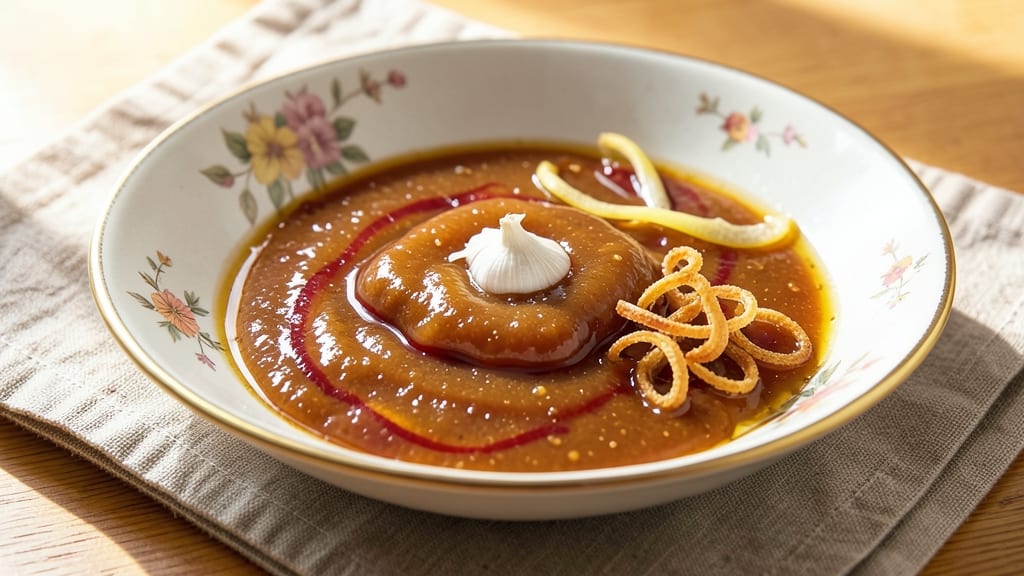
This sweet and sour sauce recipe with apple cider vinegar transforms ordinary dishes into vibrant, flavor-packed meals with just a few simple ingredients. The secret lies in balancing the deep tang of apple cider vinegar with honey or sugar, creating a sauce that's bright yet complex.
I developed this version after years of testing—it's the one that finally delivers that perfect harmony of sweet, sour, and subtle warmth from ginger and garlic.
What sets this sauce apart is its versatility and ease. You'll simmer just five core ingredients—apple cider vinegar, honey, ketchup, and a touch of cornstarch—to create a glossy, thick sauce that clings beautifully to proteins and vegetables.
The cornstarch creates that signature glossy finish while keeping the sauce stable, even when reheated. Ready in under 20 minutes, it's perfect for weeknight meals when you need restaurant-quality flavor without the fuss.
The result is a sauce that's equally at home drizzled over grilled chicken, tossed with stir-fried vegetables, or served as a dipping sauce for spring rolls. The apple cider vinegar adds depth that store-bought versions can't match, while the honey prevents it from being too harsh.
The sauce keeps well in the refrigerator for up to two weeks, making it a pantry staple for quick meals.
For extra complexity, consider adding a pinch of red pepper flakes or fresh ginger while simmering. The sauce's balance makes it adaptable to any dish—whether you're glazing pork chops, marinating tofu, or creating a quick weeknight stir-fry. Here's everything you need to make it.
Ingredients for sweet and sour sauce recipe with apple cider vinegar
Five simple ingredients balance tart, sweet, and warmth for a sauce that elevates everything.
| Ingredient | Amount | Notes |
|---|---|---|
| Apple Cider Vinegar 🍏 | ½ cup | Raw, unfiltered preferred |
| Honey 🍯 | ½ cup | Light or wildflower variety |
| Ketchup 🍅 | ½ cup | Heinz preferred for consistency |
| Cornstarch 🌾 | 1 tbsp | For glossy finish and thickening |
| Garlic Cloves 🧄 | 3 cloves | Minced for aromatic depth |
| Fresh Ginger 🌿 | 1 tbsp | Grated for subtle warmth |
| Red Pepper Flakes 🌶️ | ½ tsp | Optional for heat |
| Salt 🧂 | ½ tsp | Kosher or sea salt |
The apple cider vinegar is non-negotiable here—Bragg Organic or Texas Pete are my go-tos, but any raw, unfiltered kind works. The honey should be light to avoid overpowering the tang; Manuka honey adds extra depth if you're feeling fancy. Ketchup might seem basic, but Heinz delivers consistent flavor—no weird tomato paste substitutes. For the ginger, fresh is best (the freezer section at Whole Foods has pre-grated if you're short on time), but powdered works in a pinch at half the amount. Garlic? Always fresh—none of that jarred minced stuff.
No apple cider vinegar? White vinegar or rice vinegar works (use 1/4 cup less), but you'll lose some depth. Honey substitute? Maple syrup or agave nectar—just reduce other liquids slightly to balance. Ketchup too sweet? Tomato paste with a pinch of sugar mimics the texture. The cornstarch is your secret weapon for that glossy finish—arrowroot powder works too, but cornstarch is more stable when reheating. Red pepper flakes giving you pause? Skip 'em or use a pinch of cayenne for heat without color. And if you're out of fresh ginger, powdered ginger at 1/4 the amount keeps the warmth.
This sauce keeps like a champ—2 weeks in the fridge sealed in a jar. For extra shelf life, pour a thin layer of apple cider vinegar on top before sealing. Freezes beautifully for 3 months (leave room in the container—it thickens when cold). I always make double batches—one for immediate use, one to stash in the freezer for lazy weeknights. The sauce reheats perfectly—just warm it gently on the stove with a splash of water if it thickens too much. Perfect for drizzling, dipping, or tossing—whatever you're craving.
Why You'll Love This Recipe
- Pantry Magic: I swear by this sauce—no specialty trips, just what’s already lurking in my fridge. That tangy apple cider vinegar and honey combo? It’s like a flavor shortcut I didn’t know I needed.
- Garlic Kiss: One minced clove while the sauce simmers, and suddenly you’ve got depth without the fuss. The cornstarch thickens it just right, but it’s that garlic that makes it sing—simple, but chef’s kiss.
- Weeknight Swiss Army: Drizzle it over fried chicken, toss it with stir-fry veggies, or even slather it on grilled pork chops. Honestly, I’ve used it for everything from takeout leftovers to a last-minute dinner—it’s my go-to for when I’m not feeling fancy.
- Leftovers’ Best Friend: This sauce keeps for weeks in the fridge and only gets better as the flavors meld. I make a big batch, freeze half, and boom—weeknight dinners are suddenly exciting without the stress. Budget-friendly? Absolutely.
Step-by-step instructions for sweet and sour sauce
Here's how to make a balanced, tangy-sweet sauce that's perfect for dipping or glazing.
Combine Wet Ingredients for the Base
In a medium saucepan, pour in the 0.5 cup apple cider vinegar, 0.5 cup honey, and 0.5 cup ketchup. Stir well to fully incorporate all ingredients. Place the saucepan over medium heat and bring the mixture to a gentle simmer. You'll notice the sauce starts to bubble lightly—this is your signal that the flavors are beginning to meld together.
Let the mixture simmer for 5 minutes while you prepare the remaining ingredients. This initial cooking step helps dissolve the honey completely and removes any sharp vinegar edge. The sauce should look smooth and slightly thickened at this stage. If you see any lumps of honey, use a wooden spoon to stir gently until everything is fully combined.
Add Aromatics and Build Flavor
While the sauce simmers, add the 3 minced garlic cloves and 1 tablespoon grated fresh ginger. Stir continuously for 1-2 minutes until you can smell the aromatic depth filling your kitchen. The garlic should become fragrant but not browned—this prevents bitterness from developing.
Next, sprinkle in the 0.5 teaspoon salt and 0.5 teaspoon red pepper flakes. Stir well to distribute these evenly throughout the sauce. Taste a small spoonful—you should notice a perfect balance between sweetness, tang, and subtle heat. If you want more heat, add an extra pinch of red pepper flakes, but be careful as they can become quite potent.
Thicken the Sauce to Perfection
In a small bowl, whisk together the 1 tablespoon cornstarch with 2 tablespoons of cold water until smooth. This creates a slurry that will help thicken your sauce beautifully. Once the cornstarch mixture is fully dissolved, slowly pour it into the simmering sauce while stirring constantly.
Continue simmering for 3-4 minutes until the sauce thickens to your desired consistency. It should coat the back of a spoon smoothly without being gluey. If it thickens too quickly, add 1 tablespoon of water at a time until you reach the perfect balance. The sauce should be glossy with a smooth texture—this indicates it's ready to use.
Cool and Adjust the Flavor
Remove the saucepan from heat and let the sauce cool for 5 minutes. This cooling period allows the flavors to fully meld together. Taste again—sometimes the sauce needs a final adjustment. If it's too sweet, add a splash more of the apple cider vinegar. If it's too tangy, stir in a bit more honey. The goal is that perfect balance between sweet and sour.
Once you're satisfied with the flavor, transfer the sauce to a clean jar or container. It will keep in the refrigerator for up to 2 weeks, making it perfect for meal prep. This versatile sauce pairs beautifully with fried chicken, pork chops, or even as a dipping sauce for spring rolls. The cornstarch gives it that perfect glossy finish that makes it look as good as it tastes.
Pro Tips For Making Sweet And Sour Sauce Recipe With Apple Cider Vinegar
- Simmer the Vinegar First: Mix your apple cider vinegar and honey in a saucepan and let it bubble for 2-3 minutes before adding anything else. This cuts the sharp edge of the vinegar and lets the flavors meld—trust me, it makes a real difference when you taste the final sauce.
- Mince That Garlic Fine: Skip the press or even the clove—chop those garlic cloves into a paste with a knife before cooking. It dissolves smoothly into the sauce instead of leaving chunks, and you won’t waste time fishing them out later.
- Thicken Gradually: Whisk your cornstarch into cold water first, then drizzle it into the simmering sauce a spoonful at a time. Adding it all at once risks lumps, and you’ll end up with a gluey mess instead of that glossy, silky finish you want.
- Balance the Ketchup: Use a high-quality ketchup—none of that watery, overly sweet store brand. If yours is too tangy, cut it with a splash of honey (about 1 teaspoon per ¼ cup ketchup) before mixing it in. You’ll thank yourself when the sauce isn’t overpowering.
Storing and reheating this sweet and sour sauce recipe with apple cider vinegar
Fridge Storage Tips
Transfer your sweet and sour sauce to an airtight glass jar or container—Mason jars work perfectly—and store it in the refrigerator. The sauce will keep its vibrant flavor for up to 2 weeks when properly sealed.
I like to leave about ½ inch of headspace at the top to prevent any potential spillage or contamination. The sauce may thicken slightly when chilled, so give it a quick stir before using. 🌡️
If you notice the sauce separating after refrigeration, simply reheat it gently on the stove over low heat while stirring constantly. The cornstarch helps it maintain its glossy texture even after reheating.
For extra freshness, I sometimes add a fresh sprig of parsley on top before sealing—it adds a pop of color and a subtle herbaceous note.
Freezing for Later
This sauce freezes beautifully for up to 3 months, making it a perfect make-ahead option. Portion it into ice cube trays or small freezer-safe containers for easy single-use servings.
When frozen, the sauce will thicken further, so you may need to add 1-2 tablespoons of water when reheating to restore its ideal consistency. 🧊
To thaw, transfer the frozen sauce to the refrigerator overnight. If you're in a hurry, you can reheat it directly from frozen in a saucepan over low heat, stirring frequently until fully thawed and warmed through. Avoid microwaving, as it can make the sauce grainy.
Reheating Perfection
For best results, reheat your sauce on the stovetop over medium-low heat. If the sauce thickens too much, add 1 tablespoon of water or apple cider vinegar at a time until it reaches your desired consistency.
Stir constantly to prevent scorching. The sauce should be warm but not boiling—just enough to bring out those bright, tangy flavors. 🔥
I often reheat just enough sauce for one meal, storing the rest back in the fridge for the next use. This way, you always have fresh-tasting sauce ready to elevate your dishes.
If you're using it as a glaze, reheat it until it's slightly thicker than you'd like, as it will thin out when brushed onto hot food.
Sauce Stability Hacks
To extend the shelf life of your refrigerated sauce, pour a thin layer of apple cider vinegar over the top before sealing the jar. This creates a natural barrier that helps preserve freshness.
I also recommend labeling your jars with the date—this way, you can keep track of how long it's been stored. 📅
If you ever find yourself with leftover sauce that's been in the fridge for more than 2 weeks, don't toss it out! Use it in a cooked dish like a stir-fry or pasta sauce, where it can be heated thoroughly to ensure safety.
The flavors might be a bit mellowed, but they'll still add a delicious tangy-sweet touch to your meal.
Nutrition facts
Frequently asked questions
Can I substitute apple cider vinegar with white vinegar?
Yes, but use ¼ cup less white vinegar than apple cider vinegar. Apple cider adds subtle sweetness and depth, while white vinegar is sharper. For a closer match, add ½ teaspoon maple syrup to compensate for the lost complexity. The sauce will still taste tangy-sweet, just with a slightly different profile.
Why did my sauce turn out too thick?
This usually happens if you simmered too long or didn't add enough liquid. Thin with 1 tablespoon water or apple cider vinegar at a time while reheating. For future batches, reduce simmering time to 2-3 minutes after adding cornstarch. The sauce should coat the back of a spoon but remain pourable.
How can I make this sauce spicier?
Add ½ teaspoon cayenne pepper or 1 teaspoon hot sauce while simmering. For a smoky kick, stir in ½ teaspoon smoked paprika at the end. Always taste as you go—vinegar and spices intensify as the sauce cools. Start with less and adjust gradually.
Can I use this sauce on seafood?
This sauce pairs beautifully with shrimp, scallops, or white fish like tilapia. The apple cider vinegar's brightness cuts through delicate seafood flavors. For extra shine, brush the sauce on lightly cooked fish or toss with sautéed shrimp in the last 2 minutes of cooking.
What if I don't have cornstarch?
Use 1 tablespoon arrowroot powder instead—it works just as well for thickening. If you're completely without either, reduce the ketchup by 2 tablespoons (since it contains some starch) and simmer for 5-7 minutes longer. The sauce will be slightly thinner but still flavorful.