
Sauces & Condiments
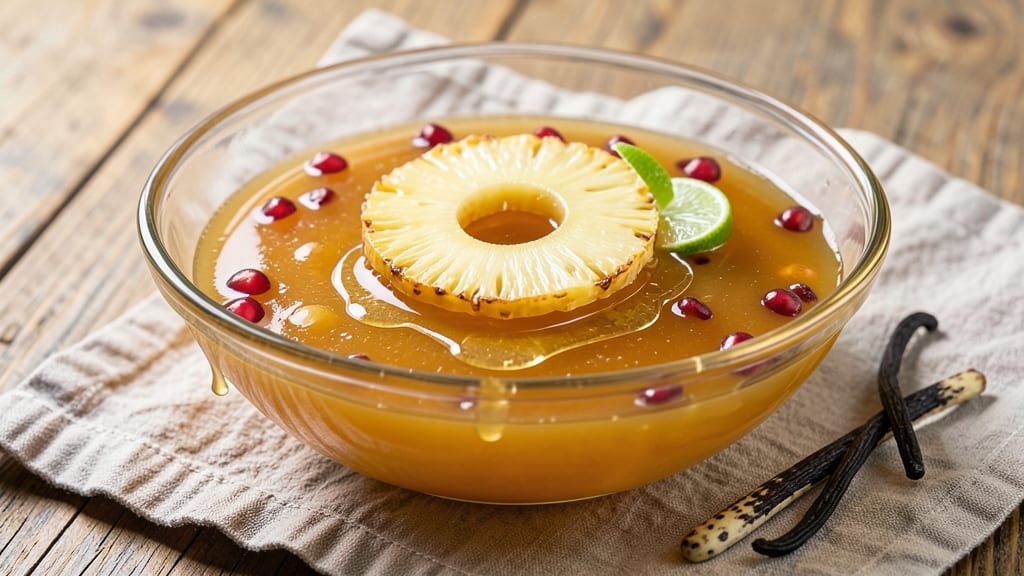
This sweet pineapple sauce recipe transforms fresh pineapple into a velvety, golden-hued condiment that elevates grilled meats, desserts, and cocktails alike. The secret lies in balancing natural sweetness with a touch of acidity—just enough lime juice to brighten the tropical flavors without overpowering them.
I developed this recipe after craving that perfect harmony of sweet, tangy, and slightly caramelized notes that pair beautifully with everything from seared pork chops to vanilla ice cream.
The process is straightforward but requires patience to achieve the ideal consistency. You’ll simmer pineapple juice with sugar until it thickens into a glossy, spoonable sauce, then finish with a splash of lime juice for that signature zing.
This sauce isn’t just a topping—it’s a versatile ingredient that adds depth to marinades, glaze for roasted vegetables, or a drizzle over fresh fruit salads. The best part? It keeps well in the refrigerator for up to a week, so you can make a batch ahead for multiple uses.
What makes this sauce truly special is its ability to transform ordinary dishes into something extraordinary. Imagine a grilled chicken breast glistening with this caramelized pineapple glaze, or a scoop of coconut ice cream topped with its bright, fruity richness.
The texture is smooth yet slightly sticky, clinging to every bite while delivering a burst of tropical flavor. Whether you’re hosting a summer barbecue or whipping up a quick dessert, this sauce is your secret weapon for adding a touch of the tropics.
For those who love to experiment, the sauce can be easily adapted—reduce it longer for a thicker glaze, or add a pinch of chili powder for a sweet-spicy twist.
It’s the kind of recipe that proves simple ingredients, when combined with care, can create something truly memorable. Let’s get started on making yours today.
Ingredients for sweet pineapple sauce
Eight simple ingredients transform fresh pineapple into velvety, golden-hued tropical sauce perfect for grilling and desserts.
| Ingredient | Amount | Notes |
|---|---|---|
| Fresh Pineapple Juice 🍍 | 2 cups | From 2 cups chopped pineapple |
| Granulated Sugar 🍚 | 1 cup | White or light brown |
| Fresh Lime Juice 🍋 | ¼ cup | About 2 limes |
| Cornstarch 🌾 | 1 tbsp | For thickening |
| Water 💧 | 2 tbsp | For cornstarch slurry |
| Vanilla Extract 🌿 | 1 tsp | Pure vanilla preferred |
| Ground Cinnamon 🌶️ | ¼ tsp | Optional for warmth |
| Salt 🧂 | ⅛ tsp | Fine sea salt |
Fresh pineapple is the star—look for vibrant yellow fruit with no bruising. Costco often sells pre-cut pineapple at great prices, but if buying whole, select one that feels heavy for its size. The juice should be extracted by blending and straining (no pulp). For the sugar, Domino brand is my go-to for reliable granulation, but any quality white sugar works. Lime juice is non-negotiable for that bright acidity—Mexican limes from the grocery store's produce section are perfect, but regular limes work too. The cornstarch slurry is key for that perfect glossy finish, so don't skip mixing it properly before adding to the sauce.
No fresh pineapple? High-quality canned pineapple juice (like Del Monte) works in a pinch, but it lacks the fresh flavor. Substituting sugar? Brown sugar for white adds subtle molasses notes, but reduce by 1 tbsp. Want more depth? Add 1/4 tsp ground ginger for warmth. The vanilla extract can be swapped for 1/2 tsp vanilla bean paste if you're feeling fancy. For a spicy twist, add 1/8 tsp cayenne pepper—trust me, it balances beautifully. The sauce thickens as it cools, so if it's too thin when hot, simmer uncovered for 2-3 more minutes.
This sauce keeps beautifully—1 week refrigerated in an airtight jar. For longer storage, freeze in ice cube trays and transfer to a bag. Thaw overnight in the fridge. The flavor actually improves after the first day as the sugars caramelize slightly. I make double batches—one for grilling, one for desserts. Store the extra in small containers so you always have a ready-to-use portion. The sauce reheats perfectly—just warm gently on the stove or microwave for 20 seconds. Perfect for quick glaze applications!
Why You'll Love This Recipe
- Five-Ingredient Magic: I swear by this—just juice, sugar, lime, cornstarch, and water. No fancy gadgets, no stress. The cornstarch thickens it perfectly every time, and the lime keeps it bright without overpowering the pineapple’s sweetness.
- Tropical in Minutes: Honestly, the flavor hits like a vacation. That natural pineapple tang with just enough sugar to balance it? It’s like sunshine in a jar. The lime juice adds this zesty kick that makes it way more interesting than store-bought syrups.
- Dips, Glazes, Everything: Between us, this sauce is my secret weapon for grilled chicken, pancakes, or even drizzled over ice cream. (Yes, even on a Tuesday night.) It’s the kind of thing that turns a simple meal into something special without trying too hard.
- No Waste, All Gain: I make a big batch and keep it in the fridge for weeks—it’s perfect for last-minute desserts or quick weeknight dinners. The cornstarch slurry keeps it smooth, so it doesn’t separate, and the sugar helps it last longer. Budget-friendly? Absolutely.
Step-by-step instructions for sweet pineapple sauce
Here's how to create a silky, vibrant sauce that balances tropical sweetness with bright acidity.
Combine Juices and Sugar
In a medium saucepan, pour in the 2 cups fresh pineapple juice and add the 1 cup granulated sugar. Stir over medium-high heat until the sugar dissolves completely—this should take about 3-4 minutes. You'll know it's ready when the mixture becomes clear and the sugar crystals disappear entirely.
Here's the thing—don't rush this step. Sugar needs time to fully integrate, and any undissolved grains will make your sauce grainy. Keep the heat steady and stir occasionally with a wooden spoon. Once dissolved, reduce the heat to medium-low to prevent boiling over as you proceed.
Add Lime Juice and Seasonings
Stir in the 0.25 cup fresh lime juice, 0.25 teaspoon ground cinnamon, and 0.125 teaspoon salt. Let the mixture simmer gently for 5 minutes, allowing the flavors to meld together. You'll notice the aroma become more complex—bright citrus cutting through the sweetness, with warm cinnamon notes emerging.
I know it seems like a lot of lime juice, but trust me—this is what prevents the sauce from becoming cloyingly sweet. The acidity balances the sugar perfectly and keeps the sauce from tasting one-note. Taste the mixture now—it should be pleasantly sweet but still tangy, with a hint of warmth from the cinnamon.
Create the Cornstarch Slurry
In a small bowl, whisk together the 1 tablespoon cornstarch and 2 tablespoons water until completely smooth. This slurry is what will give your sauce that perfect, glossy thickness. Any lumps will make your sauce look unappealing and taste gummy, so take your time here.
Once smooth, slowly pour the slurry into the simmering saucepan while stirring constantly. The moment you add it, you'll see the sauce begin to thicken almost immediately. Keep stirring for 1-2 minutes until it reaches a consistency where it coats the back of a spoon—this is the ideal texture for drizzling over meats or desserts.
Finish with Vanilla and Simmer
Remove the saucepan from heat and stir in the 1 teaspoon vanilla extract. Let it sit for 1 minute to allow the vanilla to infuse fully. Then return the pan to low heat and simmer for another 2-3 minutes, stirring occasionally. This final step ensures all the flavors are perfectly balanced and the sauce reaches its ideal consistency.
The sauce should now be glossy, with a thickness similar to heavy cream but still pourable. If it's too thick, you can thin it with a splash of hot water. If it's too thin, simmer it uncovered for another minute or two. Taste and adjust seasoning if needed—sometimes the sugar content varies slightly depending on your pineapple juice.
Cool and Serve
Transfer the sauce to a clean bowl and let it cool to room temperature. This cooling step is important—it allows the flavors to fully develop and the texture to set properly. Once cooled, cover and refrigerate for at least 30 minutes before serving to let the flavors meld completely.
This sauce is incredibly versatile. Use it as a glaze for grilled chicken or pork, a drizzle over vanilla ice cream, or a topping for pound cake. The balance of sweet, tangy, and warm spices makes it perfect for both savory and sweet applications. Store any leftovers in the refrigerator for up to 5 days or freeze for up to 3 months.
Pro Tips For Making Sweet Pineapple Sauce
- STRAIN THE JUICE WELL: I learned this the hard way—using freshly squeezed pineapple juice with pulp turns your sauce grainy, no matter how much you strain later. Run the juice through a fine-mesh sieve twice (yes, even if it looks clear the first time) and press the pulp with a spoon. The extra effort keeps your sauce silky smooth.
- WHISK THE CORNSTARCH DRY FIRST: Mixing cornstarch directly into the hot pineapple juice? You’ll get lumps—guaranteed. Instead, whisk it with a splash of cold water (or lime juice) until it’s a smooth paste before adding it to the pot. This isn’t just about avoiding lumps; it’s about getting that glossy, restaurant-quality finish.
- SIMMER LOW AND SLOW: After adding the cornstarch slurry, drop the heat to medium-low and stir constantly for 3–4 minutes. I used to crank it up to speed things along, but that turns the sauce thin and pasty. Low heat builds the right thickness without burning the lime’s bright acidity.
- SALT THE WATER FOR THE SLURRY: Sounds weird, but it works: dissolve the cornstarch in salted water (a pinch) before adding it to the sauce. The salt prevents the cornstarch from tasting raw or chalky, especially when you’re using minimal lime juice. Trust me, you’ll notice the difference.
Make-ahead tips for leftovers
Batch Prep Timeline
Plan your pineapple sauce prep during your fruit salad or cocktail hour—it takes just 30 minutes to make but rewards you with 5 days of versatility. I always make mine on Sunday mornings when I have time to let it cool and develop flavors overnight.
The sauce actually tastes better the next day as the sugars caramelize slightly, so timing your batch to be ready for Monday grilling is perfect. 📅
Storage Containers
Use glass jars with airtight lids (like Ball Mason jars) for refrigerator storage—they preserve flavor better than plastic and won't absorb odors. For freezing, I recommend quart-sized freezer-safe containers with 1-inch headspace—this prevents ice crystals from breaking the jar.
Label everything with the date so you can track freshness. The sauce thickens when chilled, so store it at room temperature for 1 hour before using if it's too thick straight from the fridge.
Freezing Strategies
Freeze in ice cube trays for perfect single-use portions—just pop out what you need and thaw overnight in the fridge. For larger batches, use ziplock freezer bags with the air squeezed out to prevent freezer burn.
The sauce maintains quality for 3 months frozen, though I find it's best used within 2 months for peak flavor. When reheating frozen portions, warm gently on the stove with 1 tbsp water to restore its glossy texture.
Make-Ahead Uses
This sauce is my secret weapon for meal prep—use ½ cup as a marinade for chicken or pork (add 1 tbsp soy sauce for extra depth), then grill while the sauce simmers. For desserts, make a double batch and store half for fruit tarts or ice cream toppings.
I also love using it as a glaze for roasted vegetables—just brush on 15 minutes before serving. The sauce's natural stickiness makes it perfect for basting meats during grilling too.
Flavor Development
Let the sauce sit at room temperature for 30 minutes after making before refrigerating—this lets the flavors meld completely. For even deeper flavor, make it a day ahead and let it sit uncovered in the fridge for 24 hours.
The evaporation concentrates the flavors beautifully. I notice the cinnamon and vanilla notes become much more pronounced after this resting period, making it taste more complex than when freshly made. 💫
Portion Control
Store in small ramekins (like 4-ounce portions) for easy single-use applications—perfect for drizzling over individual desserts or as a sauce accompaniment. For grilling, keep a ½ cup portion in a small jar by your grill station.
The sauce's natural thickness means you won't need much—just 1-2 tablespoons per serving typically does the trick. This portion control prevents waste and makes it easy to use just what you need without over-saucing your dishes.
Nutrition facts
Frequently asked questions
Can I use canned pineapple instead of fresh?
Fresh pineapple juice gives the best flavor, but you can use canned pineapple juice in a pinch. Drain the juice from a 15-ounce can of pineapple chunks (about 1.5 cups) and proceed with the recipe. For richer flavor, add 1 teaspoon lemon juice to compensate for the canned pineapple's milder taste.
How can I make this sauce thicker or thinner?
For a thicker sauce, simmer uncovered for 5-10 more minutes to reduce the liquid. If it's too thick, stir in 1 teaspoon hot water at a time until you reach your desired consistency. The sauce naturally thickens as it cools, so always taste and adjust before serving.
What are the best ways to use this pineapple sauce?
This versatile sauce works beautifully as a glaze for grilled meats, a drizzle over vanilla ice cream, or a topping for pound cake. Try brushing it on pork chops during the last 5 minutes of grilling, or mix 1 tablespoon with whipped cream for tropical desserts. It also pairs well with coconut milk-based dishes.
Can I make this sauce without cornstarch?
Yes! For a naturally thickened version, simmer the sauce uncovered for 15-20 minutes until reduced by half. Alternatively, use 1 tablespoon arrowroot powder mixed with 2 tablespoons water instead of cornstarch. The texture will be slightly different but still delicious.
How do I store leftovers to keep them fresh?
Transfer cooled sauce to an airtight container and refrigerate for up to 5 days. For longer storage, freeze in ice cube trays or small containers for up to 3 months. Thaw overnight in the fridge and reheat gently on the stove with 1 tablespoon water to restore its glossy texture.