
Main Courses
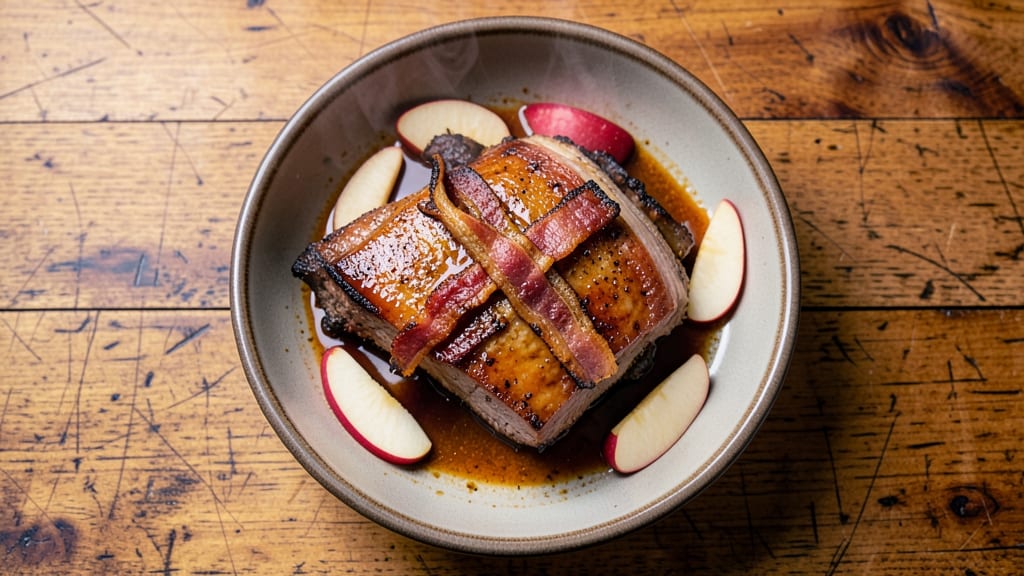
This Traeger apple juice pulled pork recipe transforms your smoker into a flavor factory, where sweet apple juice meets smoky oak for a dish that's tender, juicy, and packed with contrast. The secret? A marinade that tenderizes while infusing the pork with fruity depth, then a glaze that caramelizes into a sticky, aromatic finish—all while the Traeger's precise temperature control ensures perfect results every time. I developed this after years of testing, and it's the one recipe that makes guests ask for seconds before they even sit down.
The magic happens in layers: apple juice in the marinade breaks down the meat, while the Traeger's low-and-slow cooking at 225°F renders fat into flavor. We'll use hickory wood for that classic BBQ smoke, but applewood adds subtle sweetness that pairs beautifully with the juice.
The celery crunch contrast comes from a quick-pickled slaw that cuts through the richness, and serving it with a glass of the same apple juice you used in cooking ties everything together in a cohesive, restaurant-worthy experience.
By the time you're done, you'll have pork that falls apart at the touch, with a glossy glaze that's sweet but not cloying, and a texture that's impossibly tender. The apple juice doesn't just flavor the meat—it creates a complete experience, from the marinade to the serving suggestion.
This is the kind of recipe that makes your smoker the star of the backyard, turning a simple pork shoulder into a showstopping centerpiece that's worth the wait.
Pair it with classic sides like buttery cornbread and tangy baked beans, or keep it simple with a fresh garden salad. The apple juice's versatility means you can use it in the marinade, as a basting liquid, or even as a refreshing beverage to serve alongside. Let's get smoking!
Ingredients for traeger pulled pork recipe apple juice
Sweet apple juice meets smoky Traeger magic—just 15 ingredients for showstopping pulled pork.
| Ingredient | Amount | Notes |
|---|---|---|
| Boneless Pork Shoulder 🐖 | 4 lb | Well-marbled for juiciness |
| Apple Juice 🍎 | 1 ½ cups | Unsweetened, 100% apple |
| Hickory Wood Chips 🌳 | 1 package | For smoker flavor |
| Apple Cider Vinegar 🍏 | ½ cup | For tangy balance |
| Brown Sugar 🍚 | ½ cup | Light or dark |
| Smoked Paprika 🌶️ | 1 tbsp | For smoky depth |
| Garlic Cloves 🧄 | 6 cloves | Minced for marinade |
| Onion Powder 🧅 | 1 tbsp | For savory base |
| Black Peppercorns 🌶️ | 1 tsp | Freshly cracked |
| Celery Stalks 🥬 | 1 whole | For slaw crunch |
| Red Cabbage 🥬 | ½ lb | Thinly sliced for slaw |
| Carrot 🥕 | 1 whole | Julienned for crunch |
| Apple Cider Vinegar 🍏 | ¼ cup | For pickling slaw |
| Granulated Sugar 🍚 | 2 tbsp | For slaw sweetness |
| Salt 🧂 | 1 tsp | Kosher or sea salt |
The pork shoulder is everything here. Look for bone-in, well-marbled cuts—the fat renders into flavor during cooking. Costco or local butchers have the best deals, but any grocery store pork shoulder works if it's fresh. Apple juice isn't just flavor—it's the tenderizer. Unsweetened 100% apple juice (like Mott's or Tropicana) gives the best results, but any juice without added sugar works. For the wood chips, Traeger's own hickory is perfect, but applewood adds a subtle sweetness that complements the juice beautifully.
No apple cider vinegar? White vinegar or lemon juice works in a pinch, but the tang is key for balance. The brown sugar can be swapped for maple syrup if you prefer, though it won't caramelize the same way. For the slaw, pre-shredded coleslaw mix is a time-saver, but thinly slicing your own cabbage makes all the difference. The celery and carrot add crunch, but if you're short on time, skip the carrot and double the celery. The pickling liquid is simple—just vinegar, sugar, and salt—but don't rush it. Let the slaw sit for at least 30 minutes before serving.
Pork keeps beautifully in the fridge for 4-5 days once cooked, but it tastes even better the next day. Store it in its juices, tightly wrapped. The slaw? 3-4 days max—it gets soggy fast. I like to make extra pork for sandwiches, but the slaw is best fresh. Freeze the pork in portions for up to 3 months—just thaw it in the fridge overnight before reheating. And trust me, you'll want leftovers.
Why You'll Love This Recipe
- Sweet-Smoky Magic: That balance of brown sugar and apple juice? It’s like fall in every bite—tender, sticky, with just enough tang to cut through the richness. (Yes, even on a Tuesday night.)
- Budget-Friendly Crowd Pleaser: Pork shoulder is cheap, apple juice is cheap, and you’re feeding a houseful for less than takeout. Plus, the hickory wood chips add that restaurant-worthy smokiness without breaking the bank. Win-win.
Step-by-step instructions for smoky apple juice pulled pork
Here's how to transform your Traeger into a sweet-smoky masterpiece with tender pulled pork.
Prepare the Pork Shoulder with the Apple Juice Marinade
In a large bowl, combine the 1.5 cups apple juice, 0.5 cup apple cider vinegar, 0.5 cup brown sugar, 1 tbsp smoked paprika, 1 tbsp onion powder, 1 tsp freshly cracked black peppercorns, and 6 minced garlic cloves. Whisk until the sugar and spices dissolve completely—this creates a balanced marinade that tenderizes while adding depth.
Place the 4 lb boneless pork shoulder in a resealable plastic bag and pour the marinade over it. Gently massage the marinade into all sides of the meat, ensuring it coats every inch. Seal the bag and refrigerate for at least 4 hours, or overnight for maximum flavor penetration. The apple juice works magic here, keeping the meat moist while infusing that subtle sweetness we love in pulled pork.
Set Up Your Traeger for Low and Slow Cooking
Preheat your Traeger to 225°F using the 1 package hickory wood chips—this wood pairs perfectly with apple flavors. Once the temperature stabilizes (look for steady blue smoke, not thick white vapor), place the pork shoulder directly on the grill grates, fat side up. The fat will render slowly and baste the meat as it cooks.
Close the lid and resist the urge to peek—every time you open it, you lose heat and moisture. Set a timer for 2 hours first, then check the internal temperature using a meat thermometer inserted into the thickest part. You're aiming for 165°F at the stall point, when the temperature stops rising despite cooking time. This is where the magic happens—the meat becomes fork-tender and ready for the next phase.
Wrap and Finish the Pork for Maximum Tenderness
At the 165°F mark, remove the pork from the Traeger and wrap it tightly in two layers of heavy-duty aluminum foil. This technique, called the "Texas crutch," helps push the pork through the stall and toward perfect tenderness. Return it to the Traeger and continue cooking until the internal temperature reaches 203°F—this ensures the collagen breaks down completely, resulting in that signature pulled pork texture.
Total cooking time should be about 8-10 hours, but don't rush it. The foil creates a steamy environment that keeps the meat moist while the Traeger maintains that gentle heat. The pork is done when it shreds easily with two forks and has a deep mahogany bark on the exterior. Let it rest for 30 minutes before shredding—this resting period allows the juices to redistribute, ensuring every bite is moist and flavorful.
Assemble the Celery Slaw for Crunchy Contrast
While the pork rests, prepare the slaw by thinly slicing the 0.5 lb red cabbage and 1 whole carrot (julienne style). In a large bowl, combine the cabbage, carrot, and 1 whole celery stalk (chopped). In a small bowl, whisk together the 0.25 cup apple cider vinegar, 2 tbsp granulated sugar, and 1 tsp salt until the sugar dissolves. Pour this dressing over the vegetables and toss gently to coat.
Let the slaw sit for 15 minutes at room temperature—this allows the flavors to meld and the cabbage to soften slightly while still maintaining that satisfying crunch. The tangy-sweet dressing complements the smoky pork perfectly, cutting through the richness with every bite. Serve the slaw alongside the shredded pork for that classic pulled pork experience with a fresh, crunchy contrast.
Pro Tips For Making Traeger Pulled Pork Recipe Apple Juice
- Trim the Fat First: Slice off that thick layer of fat on the pork shoulder before it hits the smoker—it’ll render faster and keep your apple juice from turning into a greasy mess. I learned this the hard way after my first batch looked like a science experiment gone wrong.
- Soak Wood Chips: Toss those hickory chips in warm apple juice for 30 minutes before smoking—it infuses the wood with fruitiness and prevents bitter overpowering. Sounds weird, but it works: your pork won’t taste like a campfire.
- Spritz Early, Often: Every 90 minutes, spray that pork shoulder with a mix of apple juice and vinegar (1:1 ratio) starting at 165°F internal temp—keeps the bark crispy without drying it out. Skip this, and you’ll end up with leather.
- Test the Juice: Taste your apple juice mix (juice + vinegar + sugar) before pouring it on—if it’s too sweet, cut the brown sugar by half. Too tart? Add a splash more juice. Balance is everything, and your taste buds will notice.
Perfect pairings for these flavors
Apple Juice Glaze
Skip the store-bought glaze and make your own with the leftover apple juice from the marinade. Simmer ½ cup apple juice with 2 tbsp brown sugar and 1 tsp apple cider vinegar in a small saucepan until reduced by half (5-7 minutes).
Brush this glossy glaze over the pork during the last 30 minutes of cooking for a caramelized finish that ties all the flavors together. 🍎
Beverage Pairings
Serve your pulled pork with a glass of the same apple juice you used in the marinade—it's a refreshing contrast to the smoky richness. I love hard cider (like Angry Orchard) for a festive touch, or a crisp Pilsner beer (such as Heineken) to cleanse the palate.
For non-alcoholic options, sparkling apple cider adds a celebratory feel.
Side Dish Harmony
Classic BBQ sides like buttery cornbread and tangy baked beans are perfect complements, but keep it fresh with a green salad dressed with apple cider vinaigrette.
I also love serving it with garlic mashed potatoes for a hearty, comforting meal. The apple juice's sweetness shines when paired with these traditional flavors.
Presentation Tips
For a restaurant-worthy presentation, pile the shredded pork onto a platter and drizzle with extra glaze. Garnish with fresh thinly sliced apples and chopped parsley for a pop of color.
Serve the celery slaw on the side in a crisp white bowl to highlight its vibrant crunch. The contrast of textures and colors makes this dish visually stunning.
Apple Juice Cocktail
For a festive touch, mix 2 oz apple juice with 1 oz bourbon (like Maker's Mark), a splash of ginger beer, and a few drops of bitters.
Serve over ice with a lemon twist. This cocktail pairs beautifully with the smoky-sweet flavors of the pulled pork and elevates the meal to a special occasion.
Leftovers Reinvented
Use leftover pulled pork to make apple juice BBQ sliders with mini buns and sharp cheddar cheese. Top with pickled red onions and extra glaze for a quick lunch.
Or, mix shredded pork with apple juice, diced apples, and cinnamon for a sweet-and-savory apple pork hash. These creative twists keep the flavors fresh and exciting. 💫
Nutrition facts
Frequently asked questions
Can I substitute apple juice with apple cider in the marinade?
Yes, but with a few adjustments! Use 1:1 apple cider instead of apple juice, but reduce the apple cider vinegar to ¼ cup since cider already contains some acidity. The flavor will be richer and slightly more complex, with hints of spice from the cider's fermentation process. For best results, choose an unfiltered, unpasteurized cider for deeper flavor.
How do I know when the pork shoulder is done?
Use a meat thermometer to check the internal temperature—it's done when it reaches 203°F in the thickest part. The pork should also pull apart easily with two forks. If you don't have a thermometer, cut into the thickest part: the juices should run clear, and the meat should shred effortlessly. Never rely on time alone, as cooking times vary by cut and Traeger model.
Can I make this recipe in a smoker that isn't a Traeger?
This recipe works perfectly in any pellet grill, offset smoker, or even a conventional oven. For non-Traeger pellet grills, use apple or hickory pellets for that sweet-smoky flavor. If using an offset smoker, maintain a consistent 225°F temperature and use apple wood chunks. For oven cooking, bake at 275°F with a water pan for moisture, and wrap the pork in foil when it hits 165°F.
What's the best way to reheat leftover pulled pork?
Reheat gently in a skillet over low heat with a splash of apple juice or broth to keep it moist. Avoid microwaving, as it can make the pork dry. For sandwiches, warm the pork directly on the grill or in a cast-iron skillet for that smoky flavor. If reheating a large batch, use a slow cooker on low heat for up to 2 hours, stirring occasionally. Always reheat to an internal temperature of 165°F.
Can I use this apple juice glaze on other meats?
Yes! The glaze works beautifully on chicken thighs, ribs, or even brisket. For chicken, reduce the glaze time to 3-5 minutes to prevent overcooking. On ribs, apply the glaze during the last 45 minutes of cooking for a sticky finish. Just adjust the sugar slightly—1 tbsp per pound of meat works well. The apple juice's acidity also helps tenderize tougher cuts like beef brisket.