
Main Courses
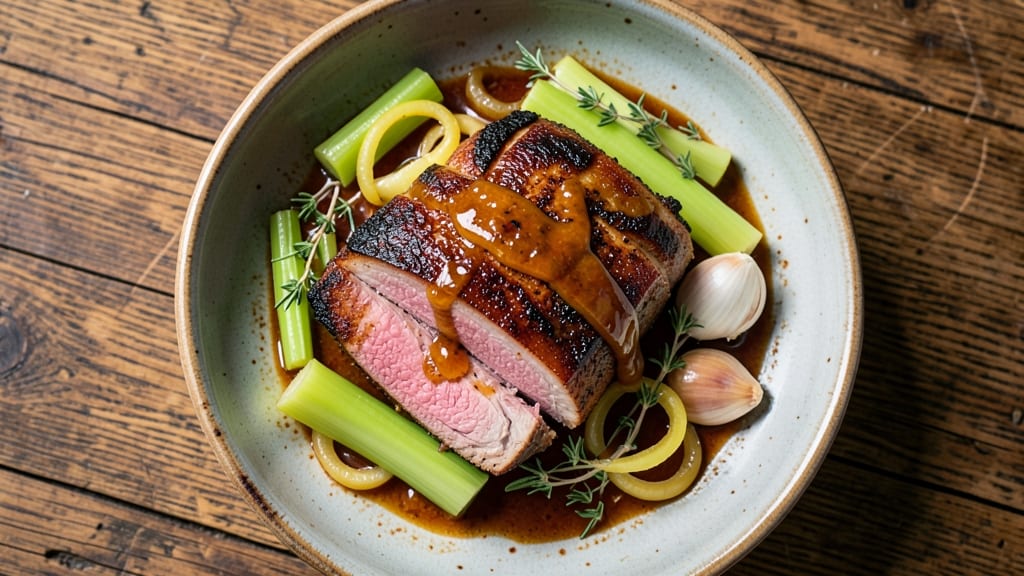
This apple cider pork shoulder recipe transforms tough cuts into melt-in-your-mouth perfection through slow braising—where sweet cider and celery crunch create a symphony of flavors. I developed this method during a Charleston winter when I needed to feed a crowd without sacrificing restaurant-quality results. The key? A perfect balance of acidity, sweetness, and savory depth that tenderizes the meat while keeping it juicy.
What sets this recipe apart is the celery crunch—thick celery stalks that stay crisp even after hours of braising, adding texture that cuts through the rich pork. I use a 300-degree Fahrenheit oven to maintain even heat, and a simple spice rub that lets the apple cider shine.
The slow cook transforms the pork shoulder into fork-tender slices that practically fall apart, while the cider reduces into a glossy, slightly caramelized sauce.
By the time you're done, you'll have a dish that's hearty enough for Thanksgiving but simple enough for a weeknight dinner. The aroma alone will have everyone gathering at the table—imagine the rich, smoky-sweet scent of apple cider mingling with warm spices.
This is the kind of pork that makes you want to save leftovers for sandwiches.
Serve with mashed potatoes to soak up the sauce or alongside roasted root vegetables for a complete meal. The technique is foolproof, and the results are worth every minute of waiting. Let's get cooking—your taste buds will thank you.
Ingredients for apple cider pork shoulder
Sweet cider, crisp celery, and tender pork shoulder—this crowd-pleaser needs just 13 ingredients.
| Ingredient | Amount | Notes |
|---|---|---|
| Pork Shoulder 🥩 | 4 lb | Bone-in, well-marbled cut |
| Apple Cider 🍎 | 2 cups | Unfiltered, preferably hard cider |
| Celery Stalks 🧅 | 4 whole | Thick, firm stalks for crunch |
| Yellow Onion 🧅 | 1 whole | Sliced into wedges |
| Garlic Cloves 🧄 | 6 cloves | Smashed for flavor release |
| Fresh Thyme 🌿 | ¼ cup | Stems removed, chopped |
| Fresh Rosemary 🌿 | ⅛ cup | Needles chopped, no stems |
| Brown Sugar 🍚 | ¼ cup | Light or dark variety |
| Salt 🧂 | 1 ½ tbsp | Kosher or sea salt |
| Black Peppercorns 🌶️ | 1 tsp | Freshly cracked |
| Olive Oil 🫒 | 2 tbsp | Extra-virgin for richness |
| Apple Cider Vinegar 🍎 | 1 tbsp | For tangy depth |
| Honey 🍯 | 1 tbsp | Wildflower preferred |
The pork shoulder is the star—look for a well-marbled cut with good fat distribution. Costco or local butchers often have the best quality, but the regular supermarket bone-in roast works too. A 4-pound cut feeds 6 generously, with leftovers for sandwiches. Pat it dry before seasoning—this helps the rub stick. For the apple cider, unfiltered hard cider adds depth, but regular cider works in a pinch. My go-to is Angry Orchard—it's consistent and affordable, or grab whatever's on sale at Trader Joe's.
No hard cider? Unfiltered apple juice plus 1 tbsp vinegar mimics the tang. Fresh thyme and rosemary are ideal, but dried at half the amount works if that's all you've got. The celery? Thick stalks stay crisp—skip the stringy grocery store celery and grab fresh from the market. Brown sugar can be swapped for white sugar plus 1/4 tsp cinnamon for warmth. The honey and vinegar combo is non-negotiable—they balance the richness perfectly. If you're short on time, pre-chop the celery and onion while the pork rubs, so you're ready to go when the oven's hot.
This dish tastes even better the next day—plan ahead. The pork keeps for 4-5 days in the fridge, and the sauce freezes beautifully for 3 months. For leftovers, slice the pork thin and serve on toasted sourdough with extra cider sauce. The celery crunch is magic—save a few stalks to serve on the side if you're worried about texture. Store the cider sauce separately if you don't want it soggy. Trust me, the aroma alone will have your whole house gathering at the table.
Why You'll Love This Recipe
- One-Pot Magic: I swear by this—just toss the pork, celery, onion, and garlic into a Dutch oven with apple cider, then walk away. Honestly, the hardest part is waiting for the slow cooker to do its thing.
- Sweet-Savory Symphony: That apple cider doesn’t just flavor the pork—it caramelizes into a sticky, tangy glaze that clings to every bite. The garlic and onion mellow into something rich, while the pork stays juicy. It’s like fall in a plate.
- Leftovers That Shine: This recipe actually improves the next day. Shred it for tacos, sandwiches, or even a loaded baked potato—everyone in my house fights over the fridge container. (Yes, even my picky teenage son.)
- Budget Crowd-Pleaser: A pork shoulder feeds six for under $20, and the apple cider adds depth without breaking the bank. Between us, this is the dish I make for game nights, potlucks, or when I’m too tired to order takeout.
Step-by-step instructions for apple cider braised pork shoulder
This method transforms tough pork into melt-in-your-mouth perfection with crisp celery and rich cider flavors.
Season and Sear the Pork Shoulder
Begin by patting the 4 lb pork shoulder completely dry with paper towels—this ensures maximum browning. In a large bowl, combine the 1.5 tbsp salt, 1 tsp black peppercorns, 0.25 cup brown sugar, 0.25 cup fresh thyme, and 0.125 cup fresh rosemary. Rub this mixture all over the pork, pressing it into the meat so it sticks. Let it sit at room temperature for 30 minutes while you prep the rest.
Heat a large Dutch oven over medium-high heat and add the 2 tbsp olive oil. Once shimmering, place the pork shoulder fat-side down and sear for 8-10 minutes until deeply golden brown. Flip and sear the other side for another 5-7 minutes. This step develops deep flavor through the Maillard reaction—don't rush it, even if it means turning the heat down slightly to prevent burning.
Build the Braising Liquid and Sauté Aromatics
Remove the pork from the pot and set it aside. In the same Dutch oven, add the 1 whole yellow onion (sliced into wedges), 4 whole celery stalks (cut into 2-inch pieces), and 6 cloves garlic cloves (smashed). Cook for 5-6 minutes until the vegetables soften slightly and develop color.
Deglaze the pot by pouring in the 2 cups apple cider, scraping up all the browned bits from the bottom. Add the 1 tbsp apple cider vinegar and 1 tbsp honey, stirring to combine. Bring the mixture to a gentle simmer, then return the pork shoulder to the pot, fat-side up. The liquid should come about halfway up the pork.
Braise Until Fork-Tender
Cover the Dutch oven with a tight-fitting lid and transfer it to a 300°F oven. Braise for 3 hours, then carefully flip the pork and add ½ cup hot water to the pot to maintain moisture. Continue cooking for another 2-3 hours, until the pork reaches an internal temperature of 200-205°F and the meat is fork-tender.
Here's the thing—pork shoulder doesn't just cook; it transforms. The connective tissue breaks down into gelatin, creating that signature pull-apart texture. You'll know it's ready when a knife slides in like butter and the juices run clear. If the liquid reduces too much, add more hot water or apple cider as needed to keep the pork submerged.
Rest and Serve with Crisp Celery
Remove the pork from the braising liquid and transfer it to a cutting board. Tent loosely with foil and let it rest for 30 minutes. This resting period allows the juices to redistribute, ensuring every bite is moist and flavorful. Meanwhile, strain the braising liquid through a fine-mesh sieve into a saucepan and simmer over medium heat until slightly thickened.
Slice the pork shoulder against the grain into ½-inch thick pieces. The celery should still have a satisfying crunch—if it's too soft, reserve some from the braising liquid for serving. Serve the pork with the reduced cider sauce spooned over the top, and scatter the crisp celery pieces around for texture contrast. Each bite delivers tender pork, sweet cider depth, and that perfect celery crunch.
Pro Tips For Making Apple Cider Pork Shoulder
- Sear the Pork Hard: Cast iron or stainless steel only—get that pork shoulder screaming hot for 5 minutes per side before adding liquid. I learned this the hard way after a batch that tasted like it was simmered, not caramelized. The crust locks in flavor and keeps it from falling apart when you pull it.
- Deglaze with Cider: Don’t just dump the cider in—after searing, scrape up those browned bits with a wooden spoon, then pour in the cider. Those bits are pure flavor gold, and skipping this step means missing out on the richest part of the dish.
- Salt the Celery: Toss the chopped celery with a pinch of salt before adding it to the pot. It softens faster and keeps the onions from overpowering the apple cider’s sweetness. (Yes, even if it sounds weird—it works.)
- Wrap Tight for Low Heat: After the first hour, wrap the pork shoulder in foil with a splash of cider inside. This traps steam, cooks it evenly, and prevents the outer layer from drying out while the center catches up. (Your future self will thank you for not rushing this.)
Common mistakes when making this dish
Overcooking the Celery
I’ve seen home cooks lose the crisp texture that makes this dish special by overcooking the celery. The key is to use thick stalks—they stay crunchy even after hours of braising.
If you cut them too small or use thin grocery-store celery, they’ll turn mushy. Keep them whole or in 2-inch chunks and avoid stirring them too much during the initial sauté. 🧅
Skipping the Rest
Rushing the 30-minute rest after braising is a rookie mistake. Pork shoulder needs this time to redistribute its juices—skipping it means dry, stringy meat. I’ve learned this the hard way: once, I sliced into a pork shoulder too soon and served it to a crowd.
The reaction? Crickets. Now, I always remind myself: patience is flavor. 💪
Ignoring Internal Temp
You can’t judge doneness by time alone—every oven varies. Use a meat thermometer to check for 200-205°F internal temperature. I’ve pulled pork too early, thinking it was done, only to have it fall apart when sliced.
Pro tip: The meat should feel tender but still hold its shape slightly—it’ll finish cooking as it rests. ⏰
Using Low-Quality Cider
Not all apple cider is created equal. Cheap, filtered cider lacks depth and won’t caramelize properly. I swear by unfiltered hard cider like Angry Orchard or even a good apple juice with vinegar for tang. The cider’s acidity tenderizes the pork, so don’t skimp—it’s the soul of this dish. 🍎
Overcrowding the Pot
If your Dutch oven is too small, the pork won’t braise evenly, and the liquid won’t circulate properly. I use a large Dutch oven (like my All-Clad) to give the pork room to move. Overcrowding leads to steamed pork instead of tender, braised perfection. 🔥
Not Deglazing Properly
Those browned bits on the bottom of your pot are flavor gold. Skipping the deglaze step means losing layers of caramelized goodness. After searing, pour in the cider and scrape vigorously with a wooden spoon. This step builds the rich, complex sauce that ties everything together. 💡
Nutrition facts
Frequently asked questions
Why does this recipe use apple cider instead of apple juice?
Apple cider adds depth and acidity that regular juice can't match. The slight tang helps tenderize the pork while creating a richer, more complex sauce. Unfiltered hard cider works best—it has natural sweetness and subtle spice notes that elevate the dish.
Can I make this in a slow cooker instead of an oven?
Sear the pork first, then transfer everything to a slow cooker on low for 8-10 hours. The texture will be slightly different but still delicious. Just add ½ cup extra cider since slow cookers evaporate more liquid.
How do I store leftovers to keep the celery crisp?
Store the pork and sauce separately in airtight containers. Keep the celery in the fridge until serving—it stays crisp for 2-3 days. Reheat the sauce separately and add fresh celery when serving. For extra crunch, chill the celery in ice water for 10 minutes before serving.
What's the best way to serve this with sides?
This pork pairs perfectly with creamy mashed potatoes or roasted root vegetables. For a Southern touch, serve with cornbread and a crisp green salad. The celery crunch works beautifully with buttery dinner rolls too.
Can I substitute hard cider with something else?
Yes! Use unfiltered apple juice plus 1 tbsp apple cider vinegar for similar tang. For a non-alcoholic option, try white grape juice with 1 tbsp vinegar. Just remember—authentic cider gives the best flavor and helps tenderize the meat.