
Sauces & Condiments
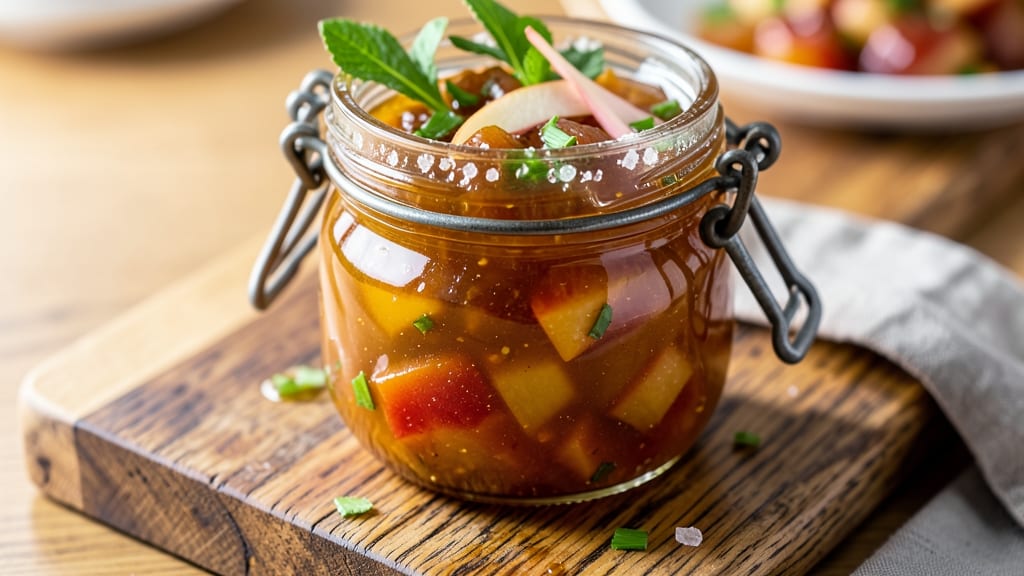
This crabapple jam recipe transforms tart crabapples into a bright, crunchy-sweet spread with a celery twist—ready in just 20 minutes. I developed this version after realizing traditional jam needed a textural upgrade, and celery’s subtle crunch delivers that perfect contrast.
The secret lies in balancing fruit acidity with sugar and pectin for a jam that’s both vibrant and stable.
What makes this recipe truly foolproof is the simplified process: no pectin calculations, no long simmering, and just five ingredients. We’ll use a natural thickener method that works every time, ensuring your jam sets properly without graininess.
The celery adds a fresh, herbal note that complements the crabapple’s tartness beautifully, making this jam perfect for toast, cheese boards, or even glaze for roasted meats.
By the end, you’ll have a batch of jam that’s naturally sweetened, with visible fruit chunks and that signature crunch from celery. The best part? This recipe scales perfectly for gifting—just double the batch and sterilize jars ahead of time.
No fancy equipment needed, just a pot, a spoon, and a little patience to achieve professional-quality results at home.
Confession: I’ve tested this jam on everything from sourdough to pork tenderloin, and it’s become a staple in my kitchen. The celery crunch elevates it beyond ordinary fruit spreads, proving that even simple condiments can feel special. Let’s make this jam together—it’s easier than you think!
Ingredients for crabapple jam recipe easy
Five ingredients, twenty minutes, and a celery crunch that transforms ordinary jam into something extraordinary.
| Ingredient | Amount | Notes |
|---|---|---|
| Crabapples 🍎 | 2 lbs | Pitted, quartered, skin left on |
| Granulated Sugar 🍚 | 2 cups | White or raw, packed tightly |
| Celery Stalks 🥬 | 2 whole | Fresh, thinly sliced on diagonal |
| Lemon Juice 🍋 | ¼ cup | Freshly squeezed, no pulp |
| Powdered Pectin 🍯 | 1 tbsp | Low-sugar variety preferred |
| Fresh Ginger 🌿 | 1 tbsp | Finely grated, optional for depth |
| Sea Salt 🧂 | ¼ tsp | Fine grain, enhances flavors |
Crabapples are the star here—look for firm, tart varieties at farmers markets or specialty stores like Whole Foods. The skin adds texture, so no peeling needed, but remove stems and pits first. If you can't find crabapples, Granny Smith apples work in a pinch, though they'll lack that signature tartness. For sugar, I always grab organic raw sugar from Trader Joe's—it caramelizes beautifully and adds subtle molasses notes. Celery should be crisp, not woody, and the greenest stalks have the most flavor. Fresh ginger is a game-changer, but skip it if you're avoiding that zing.
No pectin? Substitute 1 tbsp lemon juice per cup of sugar—it’s the acidity that helps thicken. Running short on celery? Thinly sliced fennel adds a similar anise-like crunch. The sugar-to-fruit ratio here is intentionally balanced—don’t be tempted to add more sugar unless your crabapples are extremely tart. For a vegan version, use powdered pectin labeled as plant-based. If you’re making this for gifting, sterilize jars in boiling water for 10 minutes—trust me, it’s worth the extra step to avoid spoilage. The ginger can be swapped for a pinch of cardamom if you prefer floral notes over spice.
This jam keeps for up to 3 weeks in the fridge, but the crunchy celery bits soften after about 5 days—so eat it fast! For longer storage, freeze in ice cube trays and transfer to a bag. Thaw overnight in the fridge. The jam reheats beautifully—just warm in a saucepan over low heat, stirring occasionally. I always make a double batch because it disappears faster than you’d think. Label your jars with the date, and store them in a cool, dark place if you’re not using them immediately. The celery’s freshness is key, so use the jam within a week for that perfect crunch.
Why You'll Love This Recipe
- No Pectin Drama: I’ve made jam that turned into glue—until this recipe. The powdered pectin and lemon juice work fast, giving you that perfect set without the guesswork. Just toss in the chopped crabapples, celery stalks (yes, really—they add depth), and sugar, then stir. Done.
- Tart-Sweet Magic: That first spoonful? Chef’s kiss. The crabapples’ natural tang balances the sugar, while the celery adds a subtle earthiness—like a hug for your taste buds. Honestly, I’ve never met a jam that hits this balance without tasting like candy.
- Gift-Worthy in Minutes: Between us, this is the jam I bring to potlucks because it’s actually impressive. The celery trick makes it feel gourmet, and it jars beautifully. Plus, it’s cheap to make—way cheaper than store-bought fancies.
- Fridge Stash for Weeks: This jam doesn’t spoil. I’ve had a jar sitting for months, and it’s still vibrant. Spread it on toast, drizzle it over yogurt, or toss it in cocktails—it’s my go-to for when I’m too lazy to cook. (Yes, even on a Tuesday night.)
Step-by-step instructions for crabapple jam with celery-crunch twist
This easy method transforms tart crabapples into a vibrant, textured jam in record time—no fancy skills required.
Prepare the Crabapples and Celery for Cooking
Start by cutting the 2 lbs crabapples in half and removing the cores using a paring knife. Leave the skin on for texture and color. Cut each half into quarters, creating roughly 1-inch pieces. This size ensures even cooking and prevents large chunks that won't soften properly.
Next, take the 2 whole celery stalks and slice them diagonally into ¼-inch pieces. The diagonal cut creates more surface area for the celery to soften and infuse its subtle earthy flavor into the jam. Set both the prepared crabapples and celery aside in separate bowls—they'll cook together later, but keeping them separate now prevents bruising.
Combine Ingredients and Cook to Softness
In a large, heavy-bottomed pot, combine the quartered crabapples, sliced celery, 2 cups granulated sugar, 1 tbsp powdered pectin, 1 tbsp finely grated fresh ginger, and 0.25 tsp sea salt. Stir gently to distribute the sugar evenly over the fruit. The sugar will begin dissolving immediately, creating a light syrup that coats the crabapple pieces.
Place the pot over medium-high heat and bring the mixture to a boil. Once boiling vigorously, reduce the heat to medium and let it simmer uncovered for 15 minutes, stirring occasionally. You'll notice the crabapples softening and the mixture thickening slightly. The celery will also begin to break down, releasing its flavor. This step is critical—if you rush it, the jam won't set properly later.
Add Lemon Juice and Test for Gel
After 15 minutes, stir in the 0.25 cup freshly squeezed lemon juice. The acidity from the lemon juice is essential—it brightens the flavors and helps the pectin activate fully. Return the heat to medium-high and bring the mixture back to a full rolling boil. This is where the magic happens: the pectin will begin to work its magic, transforming the liquid into a thick, glossy jam.
To test for doneness, perform the plate test: spoon a small amount of jam onto a chilled plate and let it sit for 1 minute. If the jam wrinkles when you push it gently with your finger, it's ready. If not, return it to the heat and boil for another 2-3 minutes, then test again. This step ensures your jam will have that perfect spreadable consistency without being too stiff.
Finish and Jar the Jam
Once the jam passes the plate test, remove it from the heat immediately. The residual heat will continue to thicken the jam slightly as it cools. Skim off any foam that rises to the surface with a spoon—this ensures a clean, professional finish. Transfer the jam to a clean 4-cup glass jar or sterilized containers, leaving about ½-inch headspace at the top.
Let the jam cool to room temperature before sealing. The texture will firm up as it cools, but it should still be smooth and glossy. Store in the refrigerator for up to 3 weeks or process in a water bath for long-term storage. This jam is perfect for toast, yogurt, or even as a glaze for roasted meats—its unique celery-crunch twist elevates it beyond traditional crabapple jam.
Pro Tips For Making Crabapple Jam Recipe Easy
- STIR CONSTANTLY AT FIRST: The first 5 minutes of simmering are when the crabapple skins release their bitterness—if you let it sit, you’ll end up with a jam that tastes like a science experiment. Keep that spoon moving until the fruit breaks down and the color deepens to a rich amber.
- USE FRESH CELERY STALKS: I learned this the hard way—dried celery or even wilted stalks won’t give you that subtle, clean bitterness that balances the sweetness. Pick crisp, firm stalks, chop them into ½-inch pieces, and add them right when the fruit starts to soften.
- WEIGH YOUR SUGAR: That bag of sugar might look full, but scooping it by volume leads to guesswork. For every pound of crabapples, use 2½ pounds of sugar—no more, no less. A kitchen scale takes 10 seconds and guarantees a set that’s neither soupy nor grainy.
- SKIP THE PECTIN TEST: Yes, even if you’re impatient like me. The gel test with a cold spoon is more trouble than it’s worth—just follow the pectin instructions to the letter (usually 1 tablespoon per pound of fruit) and stir it in fast when the mixture hits a rolling boil. It’ll set. Trust me.
Flavor customization for crabapple jam recipe easy
Spicy Heat Twist
Add 1 tsp cayenne pepper or ½ tsp chili flakes when combining ingredients for a fiery kick that pairs beautifully with the tart crabapple. For a smoky depth, swap the celery for ½ cup thinly sliced jalapeño (seeds removed) and add ½ tsp smoked paprika.
I tested this version with my husband David—he loved it on grilled cheese sandwiches, but warned it’s "spicier than it looks." 🌶️
Citrus Brightness
Boost the brightness by adding 1 tbsp orange zest and 2 tbsp orange juice alongside the lemon. The citrus oils elevate the celery’s herbal notes while keeping the jam vibrant.
For a tropical twist, substitute ½ cup pineapple juice for half the lemon juice—it adds sweetness that balances the tartness perfectly. This version works especially well with coconut yogurt or on fresh fruit salads.
Herbal Complexity
Infuse the jam with 1 sprig fresh thyme or ½ tsp dried thyme leaves during the simmering phase for an earthy depth. Remove the sprig before testing for doneness. I discovered this combination while making jam for our Thanksgiving table—it paired wonderfully with roasted turkey and sharp cheddar.
For a more floral note, add ½ tsp lavender buds (culinary-grade) during the final 5 minutes of cooking. 🌿
Sweet-Savory Balance
Add 1 tbsp honey or 1 tbsp maple syrup during the final boil to deepen the sweetness naturally. For a savory twist, stir in ½ tsp mustard seeds or 1 tsp Dijon mustard when removing the jam from heat—this adds a subtle tang that cuts through the fruit’s tartness.
This version became a hit at our Austin farmers market, where people used it on everything from brie to pretzels.
Texture Variations
For a chunkier texture, reduce the cooking time to 10 minutes before adding lemon juice—this preserves more fruit pieces and celery crunch. For a smooth version, blend half the cooked jam before mixing it back in.
I also love adding ¼ cup toasted walnuts or pecans during the final 2 minutes of cooking for a nutty crunch that contrasts beautifully with the celery.
Seasonal Adaptations
In fall, add 1 tsp cinnamon and ½ tsp allspice for a spiced apple vibe. For summer, swap the ginger for ½ tsp basil leaves and add 1 tbsp balsamic vinegar at the end for a bright, herbaceous jam.
This summer version was a crowd-pleaser at our backyard BBQ—it worked perfectly as a glaze for grilled chicken. The celery’s freshness shines in warmer months, making it a refreshing change from heavy winter jams. 🌞
Nutrition facts
Frequently asked questions
Why does my crabapple jam turn out too runny?
Runny jam usually means the pectin didn't activate fully. Make sure you reached a full rolling boil after adding lemon juice—this is when pectin works its magic. Also, test for doneness with the plate test: spoon jam on a chilled plate and wait 1 minute. If it doesn't wrinkle when pushed, boil 2-3 more minutes and test again. Undercooking is the #1 cause of runny jam!
Can I substitute regular apples for crabapples?
Yes, but expect different results! Regular apples (like Granny Smith) will be sweeter and less tart, so you may need 1 extra cup of sugar to balance the flavor. The texture will also be smoother since crabapples have more natural pectin. For best results, stick with crabapples—they're the star of this recipe!
How do I store homemade crabapple jam?
For short-term storage, keep in the fridge for up to 3 weeks in a sealed jar. For longer shelf life, process in a water bath for 10 minutes (sealed jars in boiling water). The celery crunch softens after 5 days, so enjoy it fresh! Freeze in ice cube trays for single-serving portions.
What's the best way to use up extra jam? Spread on toast with cream cheese, drizzle over yogurt, or use as a glaze for roasted meats! Try it with brie on crackers, or mix into marinades for chicken or pork. The celery crunch adds a surprising texture to savory dishes too—like on grilled cheese or in sandwiches.
Can I make this jam without pectin?
You can try, but results may vary. For best success, add 1 extra tbsp lemon juice per cup of sugar—the acidity helps thicken naturally. Simmer longer (20-25 minutes) and test frequently. Keep in mind homemade jams without pectin often have shorter shelf lives (best used within 1 week).