
Main Courses
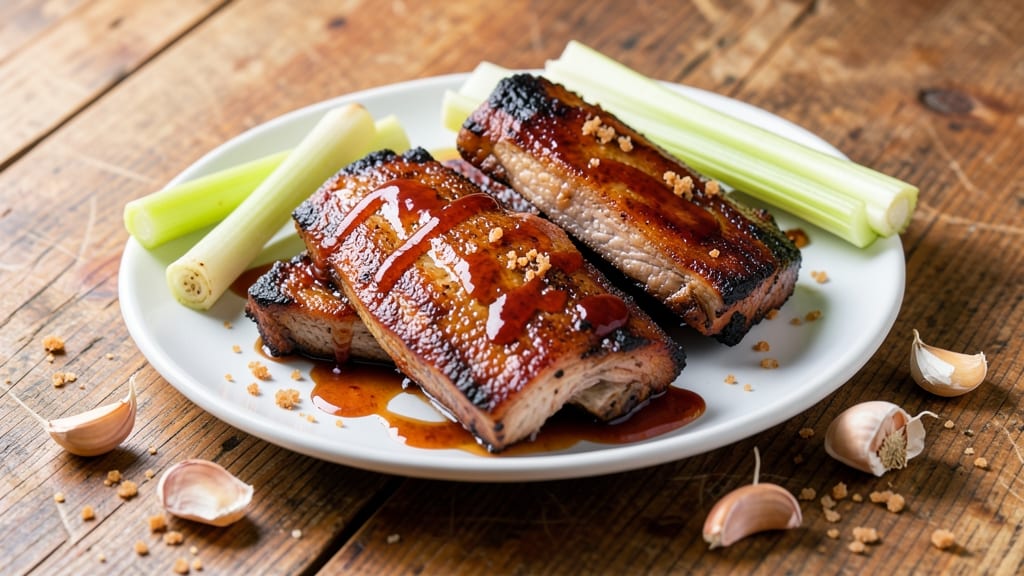
Apple juice ribs deliver unexpected tenderness and a sweet-tangy glaze that transforms tough cuts into melt-in-your-mouth perfection. The secret lies in the apple juice marinade, which tenderizes the meat while infusing a subtle fruitiness that pairs beautifully with the celery-spiced dry rub.
This recipe balances traditional barbecue techniques with a modern twist—no sugary sauces required.
The process starts with a 24-hour marinade in apple juice, garlic, and spices, ensuring deep flavor penetration. After a slow cook or smoke, the ribs develop a sticky, caramelized crust from the celery-spiced glaze—a perfect balance of sweet, savory, and herbal notes.
The result? Ribs so tender they practically fall apart at the touch, with a glaze that clings to every bite.
These ribs shine as the centerpiece of a weekend spread, especially when paired with classic sides like tangy coleslaw or smoky baked beans. The apple juice marinade also adds a refreshing brightness that cuts through the richness, making this dish feel lighter than traditional barbecue.
Ready in about 4 hours (including marinating), this recipe delivers restaurant-quality results without the fuss.
Perfect for grilling enthusiasts or slow-cooker fans, these ribs work equally well on the smoker, grill, or even in the oven. The apple juice technique transforms tough cuts into something extraordinary—proof that simple ingredients can create extraordinary flavors.
Let’s get started on ribs that will impress even the most discerning guests.
Ingredients for apple juice ribs
Six ingredients transform tough ribs into restaurant-quality melt-in-your-mouth perfection with apple juice tenderness.
| Ingredient | Amount | Notes |
|---|---|---|
| Pork Baby Back Ribs 🥓 | 4 lb | Bone-in, meaty cuts preferred |
| Unsweetened Apple Juice 🍎 | 2 cups | Freshly squeezed preferred |
| Garlic Cloves 🧄 | 8 cloves | Minced for marinade |
| Celery Stalks 🧅 | 2 whole | Finely chopped for glaze |
| Brown Sugar 🍚 | ½ cup | Light or dark variety |
| Dijon Mustard 🍯 | 2 tbsp | For depth of flavor |
| Apple Cider Vinegar 🍶 | ¼ cup | For tangy balance |
| Ground Black Pepper 🌶️ | 1 tbsp | Freshly cracked preferred |
| Smoked Paprika 🌶️ | 1 tbsp | For smoky depth |
| Ground Cumin 🌿 | 1 tsp | Toasted for warmth |
| Kosher Salt 🧂 | 1 ½ tbsp | Diamond Crystal preferred |
| Olive Oil 🫒 | 2 tbsp | For rib coating |
| Fresh Rosemary 🌿 | ¼ cup | Chopped for aromatic touch |
| Fresh Thyme Leaves 🌿 | ¼ cup | Or 1 tbsp dried thyme |
The ribs are the foundation—bone-in, meaty cuts ensure maximum flavor and tenderness. Costco or local butchers often carry high-quality pork ribs, but any reputable grocery store's meat department will have suitable options. Look for cuts with good marbling and avoid those with excessive fat or yellowing. For the apple juice, freshly pressed is ideal, but quality store-bought brands like Mott's or Tropicana work perfectly. The celery should be crisp and fresh, as it forms the base of the signature glaze—don't use wilted stalks. Fresh herbs are critical here; Trader Joe's or Whole Foods typically carry the best quality rosemary and thyme, but any well-stocked grocery store will suffice.
No fresh apple juice? Unsweetened apple cider works as a direct substitute, though it may have a slightly different texture. Running short on celery? Celery seed powder at half the amount can add a similar earthy depth to the glaze. The brown sugar can be swapped for maple syrup or agave nectar for a more natural sweetness, though the caramelization will differ slightly. For those avoiding vinegar, lemon juice at the same quantity provides a comparable tang. The spices are non-negotiable—smoked paprika from Penzeys adds an authentic barbecue touch, while the cumin brings essential warmth. If you can't find fresh rosemary, dried works at one-third the amount, but fresh is truly superior here.
Marinate the ribs for 24 hours in the refrigerator—this is non-negotiable for tenderness. The glaze components can be prepped a day ahead and stored in an airtight container in the fridge for up to 5 days. Once glazed, ribs should be cooked immediately for best results, though leftovers reheat beautifully in the oven at 300°F for 15 minutes. For long-term storage, freeze cooked ribs for up to 3 months—wrap tightly in plastic wrap and aluminum foil to preserve moisture. The glaze can also be frozen separately for up to 6 months, though texture may change slightly upon reheating.
Why You'll Love This Recipe
- One-Pan Magic: I swear by this recipe when I’m too tired to juggle a million dishes. Just toss the ribs, celery, garlic, and apple juice in a pan—no flipping, no fuss—then let the oven do the work. The juice caramelizes into a sticky glaze without me lifting a finger after the first hour.
- Sweet-Savory Balance: That apple juice isn’t just a gimmick—it’s the star. The natural sweetness cuts through the richness of the pork, while the brown sugar and garlic deepen the flavor into something dangerously addictive. My kids fight over the last bite, and I don’t even have to pretend it’s fancy.
- Budget Stretch: Here’s what sold me—this recipe turns a simple cut of pork into something restaurant-worthy without breaking the bank. Apple juice and celery are cheap staples, and the leftovers? Even better the next day. I’ve reheated these ribs for lunch three times, and they’re still just as good.
Step-by-step instructions for apple juice ribs with celery-spiced glaze
Master this technique and you'll achieve ribs with a sticky, caramelized glaze that balances sweet and tangy flavors perfectly.
Prepare the Ribs for Maximum Flavor and Tenderization
Remove the pork baby back ribs from their packaging and pat them dry thoroughly with paper towels. This step is critical—any moisture left on the surface will prevent the seasoning from adhering properly and create steam instead of a crispy bark. Place the ribs meat-side down on a wire rack set over a baking sheet to allow air circulation on all sides.
In a small bowl, combine the 1.5 tablespoons kosher salt, 1 tablespoon smoked paprika, 1 tablespoon ground black pepper, 1 teaspoon ground cumin, 0.25 cup fresh rosemary (chopped), and 0.25 cup fresh thyme leaves. Rub this mixture generously over every inch of the ribs, pressing firmly so the spices penetrate the meat. Let the seasoned ribs sit uncovered in the refrigerator for at least 1 hour—this allows the salt to break down proteins and the spices to meld into the meat.
Create the Celery-Spiced Glaze Base
While the ribs marinate, prepare the glaze by combining 2 cups unsweetened apple juice, 0.5 cup brown sugar, 2 tablespoons Dijon mustard, 0.25 cup apple cider vinegar, and 8 cloves garlic cloves (minced) in a medium saucepan. Bring this mixture to a boil over medium-high heat, then reduce the heat to medium-low and let it simmer uncovered for 10 minutes until slightly thickened.
Next, finely chop the 2 whole celery stalks (about 1 cup when chopped) and add them to the simmering mixture. Stir in the remaining 2 tablespoons olive oil and continue simmering for another 10 minutes until the celery softens and the liquid reduces to about 1½ cups. The glaze should coat the back of a spoon and have a syrupy consistency. Taste and adjust seasoning with additional salt if needed—the vinegar and mustard should create a balanced tanginess that complements the sweetness.
Cook the Ribs Low and Slow for Perfect Tenderness
Preheat your oven to 275°F. Place the marinated ribs on a foil-lined baking sheet, meat-side up, and pour the prepared glaze evenly over the top. Cover the baking sheet tightly with heavy-duty aluminum foil, sealing the edges completely to create a steam chamber. This slow cooking method ensures the ribs become fork-tender without drying out.
Bake the ribs for 2 hours, then carefully flip them over and baste with any accumulated juices in the pan. Return to the oven and cook for another 2 hours, basting once more after 1 hour. The ribs are done when they reach an internal temperature of 195-203°F at the bone and the meat pulls away easily from the bone with minimal resistance. If the glaze starts to dry out during cooking, uncover the ribs and add a splash of water or apple juice to maintain moisture.
Finish with a Sticky Glaze and Rest
Once the ribs reach the proper internal temperature, remove them from the oven and increase the heat to 375°F. Uncover the ribs and return them to the oven for 10-15 minutes to allow the glaze to caramelize and thicken. This final step creates that signature sticky glaze that clings to every bite. Watch carefully—you want the glaze to be glossy and slightly darkened but not burnt.
Transfer the ribs to a cutting board and tent loosely with foil. Let them rest for 15-20 minutes before slicing between the bones. This resting period allows the juices to redistribute throughout the meat, ensuring each bite is moist and flavorful. Serve the ribs with the pan juices and any remaining glaze spooned over the top for maximum flavor impact.
Pro Tips For Making Apple Juice Ribs
- SEAR FIRST, THEN BRAISE: Get that meat screaming hot in a dry skillet for 2-3 minutes per side before adding apple juice—this locks in flavor and prevents the ribs from turning soggy later. I used to skip this, and the sauce would just pool instead of clinging to the meat.
- REDUCE JUICE BY HALF: Don’t dump the full bottle of apple juice in at once. Simmer it down in a saucepan first until it’s thick enough to coat the back of a spoon—this concentrates the sweetness and makes the glaze stickier. (Yes, even if you’re impatient like me.)
- MASH THE GARLIC: Instead of tossing in whole cloves, smash them with the flat side of your knife first. This releases more flavor into the ribs and sauce without leaving you picking out tough bits later. My grandmother swore by this, and she was right.
- BROWN SUGAR TRICK: If your brown sugar clumps like cement, microwave it for 10 seconds with a splash of apple juice to break it up—this makes it dissolve smoothly into the sauce. I learned this the hard way after scraping globs off ribs mid-cook.
Common mistakes when making perfect results
Skipping the Marinade
Never skip the 24-hour marinade—this is where the apple juice works its magic to tenderize the tough rib meat. I’ve seen people rush this step and end up with chewy, unsatisfying results. The acidity in the apple juice breaks down muscle fibers, while the garlic and spices penetrate deeply.
If you’re short on time, at least marinate for 12 hours—but trust me, the extra time makes all the difference. 🍎
Overcrowding the Pan
When cooking ribs, resist the urge to stack them in the pan or smoker. Crowding causes uneven cooking and traps steam, which can make the meat soggy instead of crispy. Place the ribs in a single layer with space between each rack.
If you’re using a baking sheet, arrange them meat-side up with at least ½ inch of space between each rack. This ensures even heat circulation and proper glaze formation.
Ignoring Internal Temp
Many home cooks pull ribs off the heat too early, thinking they’re done because the glaze looks perfect. But ribs need to reach 195-203°F internal temperature to become truly tender. Use a meat thermometer inserted into the thickest part of the meat (not touching bone) to check.
If the meat isn’t falling off the bone, it’s not ready—no matter how good the glaze looks. Patience here is key for that melt-in-your-mouth texture.
Drying Out the Glaze
The glaze is the star of this dish, so don’t let it dry out or burn. If you notice the glaze thickening too quickly during cooking, uncover the ribs and add 1-2 tablespoons of apple juice or water to maintain moisture.
For the final caramelization step at 375°F, keep a close eye on the ribs—just 10-15 minutes is all you need. Overcooking here will turn your glossy glaze into a burnt mess. A quick glance every 2-3 minutes ensures perfect results.
Not Resting the Ribs
Skipping the 15-20 minute rest is a huge mistake. This step allows the juices to redistribute, ensuring every bite is moist and flavorful. Without resting, the ribs will lose moisture and taste dry.
Tent them loosely with foil and let them sit while you finish any sides. Trust the process—your patience will be rewarded with ribs that practically fall apart at the touch. 💪
Using Store-Bought Sweetened Juice
Sweetened apple juice might seem convenient, but it can make the glaze too cloying and mask the natural balance of flavors. Always use unsweetened apple juice or unsweetened apple cider for the best results.
The natural sweetness in unsweetened juice complements the brown sugar and vinegar perfectly, creating a harmonious glaze. If you’re in a pinch, dilute sweetened juice with a little water to cut the sugar content, but unsweetened is ideal.
Nutrition facts
Frequently asked questions
Can I use apple cider instead of apple juice for the marinade?
Yes! Apple cider works beautifully as a substitute—it has a similar acidity and natural sweetness that tenderizes the ribs. Just use the same 2 cups measurement and note that the flavor will have a slightly more complex, spiced profile. For extra depth, add 1 teaspoon cinnamon to the marinade.
How do I know when the ribs are fully cooked?
Use a meat thermometer to check the internal temperature at the thickest part of the meat (not touching bone). Ribs are perfectly tender when they reach 195-203°F. The meat should pull away easily from the bone with minimal resistance. Never rely on cooking time alone—this is the only accurate way to judge doneness.
Can I grill these apple juice ribs instead of baking?
The same marinade and glaze work perfectly for grilling. Start by cooking the ribs over indirect heat at 250-275°F for 2-3 hours, then move to direct heat for the final 10 minutes to caramelize the glaze. Just ensure your grill has good temperature control—apple juice ribs need slow, steady heat to develop properly.
What's the best way to reheat leftover ribs?
Reheat ribs in the oven at 300°F for 15-20 minutes, covered loosely with foil to prevent drying. For extra moisture, spoon a little apple juice or glaze over the top before reheating. Avoid microwaving—it makes the meat rubbery. Leftovers keep well for 3-4 days in the fridge or 3 months in the freezer.
Why is my glaze too thin or too thick?
If the glaze is too thin, simmer it uncovered for 5-10 extra minutes to reduce. For a thicker glaze, add 1-2 tablespoons brown sugar and simmer until it reaches the desired consistency. The glaze should coat the back of a spoon but still be pourable—this ensures it sticks beautifully to the ribs without dripping off.