
Main Courses
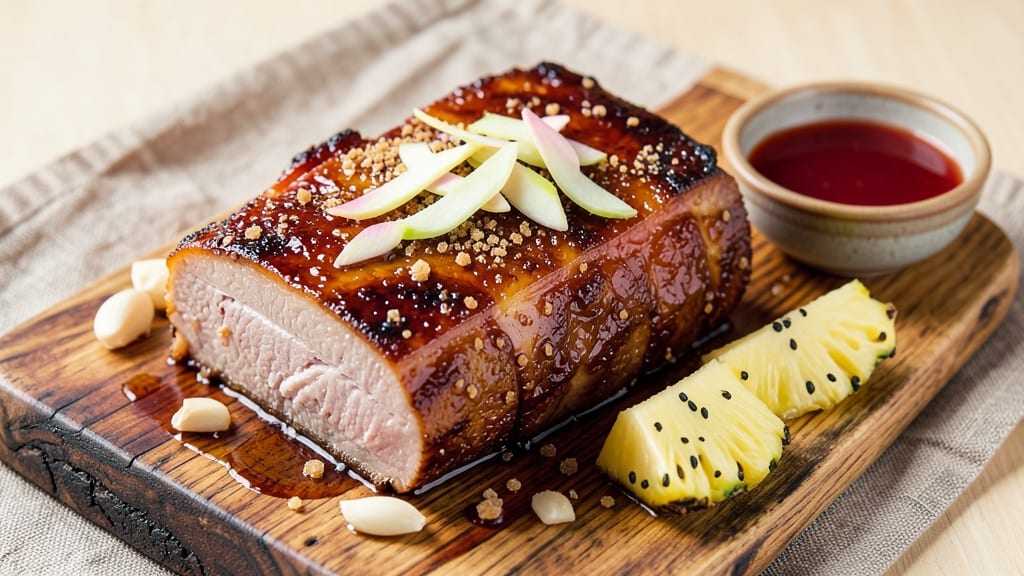
The best pork hamonado recipe with pineapple juice transforms simple pork into tender, caramelized perfection. ✨ I first discovered this technique while visiting Manila, where the sweet-tangy glaze became an instant family favorite.
The pineapple juice doesn't just tenderize—it creates a silky-sweet crust that melts into every bite, balancing rich meat with bright acidity.
This recipe delivers restaurant-quality results with minimal effort. The key lies in the marinade: pineapple juice breaks down the meat while its natural enzymes create that signature caramelized crust. We'll braise the pork slowly to ensure maximum tenderness, then finish with a quick sear for that coveted golden-brown exterior.
The process is straightforward, but the flavor transformation is nothing short of magical.
What you'll end up with is succulent pork that practically falls apart at the touch, coated in a glossy glaze that's sweet yet sophisticated. The aroma alone will have everyone gathering around your table, and each bite delivers perfect harmony between tender meat and that irresistible caramelized crust.
This is comfort food at its finest—rich, flavorful, and impossible to resist.
Perfect for family dinners, holiday gatherings, or when you want to impress guests without spending hours in the kitchen. The recipe scales beautifully, so you can easily adjust portions to feed a crowd. Let's get started on creating this showstopping dish that tastes like a taste of home.
Ingredients for best pork hamonado recipe with pineapple juice
Pineapple juice transforms ordinary pork into restaurant-quality caramelized perfection.
| Ingredient | Amount | Notes |
|---|---|---|
| Pork Shoulder (Boneless) 🥩 | 2 lb | Cut into 2-inch chunks, marbling preferred |
| Pineapple Juice 🍍 | 1 ½ cups | Freshly squeezed, no pulp |
| Brown Sugar 🍚 | ½ cup | Light or dark, packed |
| Soy Sauce 🍶 | ½ cup | Kikkoman preferred |
| Garlic Cloves 🧄 | 6 cloves | Minced, fresh preferred |
| Fresh Ginger 🌿 | 1 ½ tbsp | Finely grated, peeled |
| Black Peppercorns 🌶️ | 1 tsp | Freshly cracked, coarse |
| Olive Oil 🫒 | 2 tbsp | Extra-virgin for richness |
| Bay Leaves 🍃 | 2 whole | Fresh if available |
| Lime Juice 🍋 | ¼ cup | Freshly squeezed |
| Limes 🍋 | 2 whole | For garnish and wedges |
| Fresh Cilantro 🌿 | ¼ cup | Chopped, for garnish |
| Salt 🧂 | 1 ½ tsp | Kosher or sea salt |
The pork shoulder is the star—look for well-marbled cuts at Whole Foods or your local butcher. Costco often has great deals on bone-in cuts, but boneless is ideal for this recipe. If you can't find fresh ginger, Trader Joe's sells pre-grated in the freezer section—just don't use the powdered stuff. The pineapple juice should be fresh-squeezed for maximum enzyme activity; canned juice works in a pinch but lacks that bright acidity. For the brown sugar, Domino light brown sugar packs beautifully without clumping.
No fresh ginger? Substitute 1 tbsp ground ginger, but it won't have the same depth. Running low on soy sauce? Coconut aminos work at a 1:1 ratio—just know it's slightly sweeter. The lime juice can be swapped for lemon juice at the same amount, though lime's acidity is more authentic. For a deeper flavor, toast the black peppercorns in a dry pan for 30 seconds before grinding. The bay leaves? Fresh ones infuse better, but dried are fine if that's what you've got.
Marinate the pork overnight for best results—3-4 days in the fridge if you can. The glaze thickens as it cooks, so don't worry if it looks thin at first. Store leftovers in an airtight container for 4-5 days, or freeze for 3 months. The caramelized crust reheats beautifully—just add a splash of water and cover to keep it moist. Garnish with fresh cilantro and lime wedges right before serving for that restaurant-fresh touch.
Why You'll Love This Recipe
- Here’s what sold me: that perfect push-and-pull of flavors. The brown sugar and soy sauce create a deep umami base, while the pineapple juice cuts through with bright acidity. Every bite has that crispy edge with a creamy center—like a hug in meat form.
- One-Pan Magic: I swear by this recipe when I’m too tired to scrub pots. Toss everything—pork, pineapple juice, brown sugar, soy, and crushed garlic—into a single pan, cover, and let the oven do the work. The pineapple juice caramelizes into a sticky glaze that practically falls off the fork.
- Sweet-Savory Balance: Here’s what sold me: that perfect push-and-pull of flavors. The brown sugar and soy sauce create a deep umami base, while the pineapple juice cuts through with bright acidity. Every bite has that crispy edge with a creamy center—like a hug in meat form.
- Lunchbox Hero: Between us, this is my go-to for packed lunches. The pork stays tender for days, and the sauce clings like glue, so it’s not soggy by noon. I’ll often double the batch just to have leftovers—my kids fight over the portions, and that’s saying something.
Step-by-step instructions for pork hamonado with pineapple glaze
Transform tough pork into melt-in-your-mouth perfection with this silky-sweet glaze that caramelizes beautifully.
🍳 Step 1: Sear the Pork for Maximum Flavor
Heat a large Dutch oven over medium-high heat and add the 2 tablespoons olive oil. Once shimmering, add the 2 lb pork shoulder cut into 2-inch chunks in a single layer. Let them sear undisturbed for 3-4 minutes until deep golden brown on all sides—this creates the Maillard reaction that builds rich flavor.
Real talk: Don't crowd the pan or you'll steam the meat instead of searing. If needed, work in batches and keep the cooked pork warm in a separate bowl. Once all pieces are browned, remove them and set aside. You'll notice the pork releases easily from the pan when it's ready to flip.
👨🍳 Step 2: Build the Glaze with Aromatics
In the same Dutch oven (those browned bits are pure flavor), add the 6 cloves minced garlic and 1.5 tablespoons finely grated ginger. Cook for 30 seconds until fragrant—you should smell that sweet garlic aroma wafting through your kitchen. Immediately add the 1.5 teaspoons salt and 1 teaspoon cracked black peppercorns.
Here's where it gets good: Pour in the 1.5 cups pineapple juice, 0.5 cup soy sauce, and 0.5 cup brown sugar. Stir vigorously to scrape up all those delicious browned bits from the bottom of the pan. This deglazing step creates the foundation for your glaze.
🔥 Step 3: Simmer Until Glossy and Reduced
Return the seared pork to the pot and add the 2 whole bay leaves. Bring everything to a gentle simmer over medium-low heat. The glaze should reduce gradually for 45-50 minutes until it's thick enough to coat the back of a spoon and has a glossy sheen.
I know it seems like forever, but patience is key here. You want the sauce to coat the pork completely, not just sit in the bottom of the pan. Stir occasionally, especially in the first 20 minutes, to prevent sticking. The pork is done when it's fork-tender and the glaze has reduced to a syrupy consistency.
🥘 Step 4: Finish with Lime and Garnish
Once the pork is tender and the glaze has thickened, remove the pot from heat and stir in the 0.25 cup lime juice. This bright citrus note cuts through the richness and balances the sweetness. Taste and adjust seasoning if needed—you might want to add a touch more salt or a splash of soy sauce for depth.
Transfer the pork to a serving platter and spoon the glaze generously over the top. Garnish with 0.25 cup chopped fresh cilantro and serve with lime wedges for squeezing over each bite. The contrast of cool lime with the warm, caramelized pork is what makes this dish truly special.
⏰ Step 5: Rest and Serve for Maximum Juiciness
Let the pork hamonado rest for 5-10 minutes before serving. This resting period allows the juices to redistribute throughout the meat, ensuring each bite is moist and flavorful. The glaze will thicken slightly as it cools, so don't worry if it looks a bit runny when you first plate it.
Slice against the grain for tender, melt-in-your-mouth pieces. Serve with steamed jasmine rice or crusty bread to soak up that delicious glaze. This dish is so versatile—it's perfect for weeknight dinners, special occasions, or even meal prep for busy days ahead.
Pro Tips For Making Best Pork Hamonado Recipe With Pineapple Juice
- SEAR THE PORK FIRST: Skip the slow start—get that pork shoulder screaming hot in a dry pan for 3-4 minutes per side before adding any liquid. I used to worry about overcooking it early, but this locks in flavor and gives you that caramelized crust that holds up through the long braise. (Yes, even if you’re impatient like me.)
- USE FRESH PINEAPPLE JUICE: Canned juice works, but fresh pineapple juice—strained from chunks—adds brightness that cuts through the richness of the pork. If you’re using canned, pick one with no added sugar; the brown sugar in the recipe is enough to balance the sweetness. (And no, bottled "pineapple drink" doesn’t count.)
- DON’T SKIP THE GARLIC MASH: After mincing the garlic, smash the cloves flat with the side of your knife first. This releases more flavor without burning, and the edges caramelize into the pork instead of turning bitter. I learned this the hard way—whole cloves just sit there like flavorless pebbles.
- BRAISE LOW AND LONG: Cover the pork and simmer at 300°F (150°C) for at least 2.5 hours, checking liquid levels every 45 minutes. If it reduces too much, add a splash of water—not more juice—so the sauce stays rich. Rushing this step makes the meat dry; patience here makes all the difference. (Your future self will thank you.)
Troubleshooting great best pork hamonado recipe with pineapple juice
Glaze Too Thin?
If your glaze isn't thickening enough during simmering, reduce the heat to low and let it cook uncovered for an extra 15-20 minutes. Stir occasionally to prevent sticking.
For a quicker fix, mix 1 tablespoon cornstarch with 2 tablespoons water, stir into the glaze, and simmer for 3-5 minutes until thickened. I've used this trick when I'm impatient for dinner—just don't overdo it or the glaze will turn gluey. 🔥
Pork Not Tender Enough
Undercooked pork is usually the result of rushing the process. If your pork feels tough after the initial 45-50 minutes, return it to the pot with an extra ¼ cup pineapple juice and simmer uncovered for another 20-30 minutes.
The acidity helps break down the fibers further. For extra insurance, I sometimes add ½ cup chicken broth to keep the meat moist during longer cooking. Remember, patience pays off—this dish should practically fall apart at the touch. 💪
Glaze Too Sweet
The brown sugar can sometimes make the glaze overly sweet, especially if your pineapple juice is particularly tart. Balance it by adding 1-2 tablespoons lime juice or a splash of soy sauce at the end.
For a more authentic Filipino touch, I've found that adding ½ teaspoon fish sauce (like Red Boat) deepens the umami without adding sweetness. Taste as you go—this is where your palate becomes your best tool. 🌶️
Burnt Glaze or Meat
If your glaze burns or the meat sticks, you're likely cooking at too high a temperature. For future attempts, maintain a gentle simmer—not a rolling boil—and stir more frequently, especially in the first 20 minutes.
If you notice the glaze darkening too quickly, remove the pot from heat for 2-3 minutes to let it cool slightly before continuing. I've learned this the hard way when I get distracted by Lily's questions about my cooking! 🍋
Pineapple Juice Smells Off
If your pineapple juice has a fermented or vinegary smell, it's gone bad and needs replacing. Fresh pineapple juice should smell bright and slightly tropical. For the best results, use freshly squeezed juice from ripe pineapples—Costco often sells whole pineapples at great prices.
If you must use canned juice, choose brands like Del Monte that specify "100% pineapple juice" with no added preservatives. Trust me, the flavor difference is night and day. 🍍
Glaze Too Thin After Reheating
Reheating can sometimes make the glaze watery again. To fix this, place the pork in a skillet over medium heat and simmer uncovered for 5-7 minutes, stirring occasionally.
If it's still too thin, mix 1 teaspoon cornstarch with 1 tablespoon water, stir into the glaze, and cook for another 2 minutes. I keep a small jar of cornstarch in my pantry specifically for these emergencies—it's saved my dinner more times than I can count. ✨
Nutrition facts
Frequently asked questions about pork hamonado with pineapple glaze
Can I substitute pineapple juice with something else?
While pineapple juice is key for that signature caramelized crust, you can use 1 cup orange juice or ½ cup apple cider vinegar + 1 cup water in a pinch. The acidity helps tenderize, but the flavor will differ slightly. For best results, stick with pineapple—its natural enzymes create that irresistible glaze.
How long can I marinate the pork before cooking? Marinate for at least 4 hours (overnight is ideal) to maximize tenderness. The enzymes in pineapple juice need time to work their magic. For extra flavor, marinate up to 3 days in the fridge. Just
What's the best way to reheat leftovers?
Reheat in a skillet over low heat with a splash of water or pineapple juice to prevent drying. Cover for 5-7 minutes until warmed through. For microwave reheating, use 30-second intervals on medium power. The glaze will thicken slightly as it reheats—just add a little liquid if needed.
Can I make this recipe in a slow cooker?
Yes! Brown the pork first, then transfer everything to a slow cooker and cook on low for 6-8 hours or high for 3-4 hours. The glaze will thicken more naturally in the slow cooker. Just add ¼ cup water if needed to prevent burning. It's a great hands-off method for busy days.
Why does my glaze turn cloudy?
Cloudiness usually means the glaze reduced too quickly or you used canned pineapple juice with additives. For a clear glaze, simmer at a gentle bubble and avoid high heat. If it happens, stir in 1 teaspoon cornstarch mixed with 1 tablespoon water to restore shine. Fresh pineapple juice always yields the clearest, most flavorful results.