
Sauces & Condiments
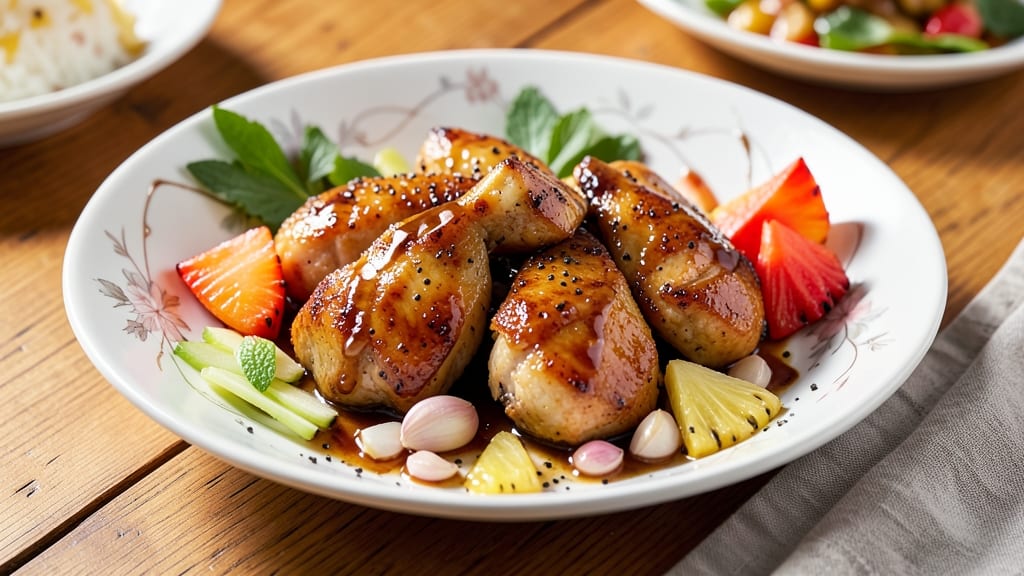
This Chinese pineapple chicken sauce delivers the perfect balance of sweet-tart brightness and celery pepper zing that elevates any dish. 🌟 The secret lies in simmering pineapple juice with aromatic ginger, garlic, and a touch of soy sauce until it reduces into a glossy, flavor-packed sauce that clings beautifully to chicken or stir-fries.
What sets this sauce apart is its versatility—it works as a marinade for tender, caramelized chicken, a dipping sauce for spring rolls, or a glaze for roasted vegetables.
The combination of pineapple's natural sweetness with the sharp kick of celery and black pepper creates a complex flavor profile that's both familiar and exciting.
The process is straightforward: chop fresh ginger and garlic, combine with pineapple juice, soy sauce, and a splash of vinegar, then simmer until thickened. This sauce transforms ordinary dishes into something extraordinary with minimal effort, delivering restaurant-quality results at home.
Once you taste the way this sauce enhances grilled chicken or complements a stir-fry, it will become a staple in your cooking repertoire. The balance of sweet, tangy, and savory flavors makes it impossible to resist.
Ingredients for chinese pineapple chicken sauce
Nine simple ingredients transform into a restaurant-worthy sauce that clings beautifully to chicken and stir-fries.
| Ingredient | Amount | Notes |
|---|---|---|
| Fresh Pineapple Juice 🍍 | 1 ½ cups | From ripe pineapple, strained |
| Fresh Ginger Root 🌿 | 2 tbsp | Grated, aromatic variety |
| Garlic Cloves 🧄 | 4 cloves | Minced, fresh preferred |
| Light Soy Sauce 🍶 | 2 tbsp | Kikkoman preferred |
| Rice Vinegar 🍶 | 1 tbsp | Seasoned variety works |
| Celery Seeds 🌿 | ½ tsp | Ground for peppery kick |
| Black Peppercorns 🌶️ | ¼ tsp | Freshly cracked |
| Granulated Sugar 🍚 | 1 tbsp | Adjust for sweetness |
| Cornstarch 🌾 | ½ tsp | For thickening |
| Sesame Oil 🫒 | 1 tsp | Toasted, for aroma |
Pineapple juice is the heart of this sauce—freshly pressed from ripe pineapple delivers the best flavor, but high-quality canned juice works in a pinch. Look for ginger with vibrant color and no soft spots at Whole Foods or your local Asian market. Garlic should be fresh, with no green sprouts. The celery seeds are key for that signature peppery zing—Penzeys carries excellent quality if you want to splurge. For soy sauce, I always reach for Kikkoman—it's reliable and has that perfect balance of saltiness.
No fresh ginger? Powdered ginger at half the amount gets you close, though it lacks depth. Substituting white vinegar for rice vinegar? Add 1 extra teaspoon of sugar to balance the tartness. Celery seeds too strong? Swap for 1/4 teaspoon ground celery seed or even a pinch of black pepper with a dash of celery salt. The cornstarch is non-negotiable for that glossy finish—it's what makes the sauce cling beautifully to everything. And trust me, sesame oil is worth the extra penny—it adds that unmistakable aroma that takes this sauce from good to amazing.
This sauce keeps beautifully—5 days in the fridge once opened, though it's best used within 3 days for maximum flavor. For longer storage, freeze in ice cube trays—3 months is plenty. The sauce thickens as it cools, so you can thin with a splash of water if needed. I always double the batch because it disappears fast—perfect for marinades, dipping sauces, or glaze. Just store it in a sealed container with a splash of oil on top to preserve freshness.
Why You'll Love This Recipe
- Pantry to Plate: I swear by this one—no fancy shopping lists, just what’s already there. That jar of ginger sitting in your fridge? The garlic cloves you forgot about? Boom. The pineapple juice adds instant brightness, and the soy-vinegar blend ties it all together without extra trips to the store.
- Sweet-Savory Magic: The moment the ginger and garlic hit the pan, you know you’re onto something. That fresh pineapple juice cuts through the richness, balancing the soy’s saltiness with just enough tang. It’s the kind of sauce that makes you pause mid-bite—like, how is this so good?
- Weeknight & Potluck Hero: Toss it with chicken thighs for a weeknight dinner, drizzle it over rice for lunch prep, or bring it to a BBQ where everyone else’s dishes are boring. The sauce keeps well in the fridge, so you’re not scrambling to use it up. Honestly, I’ve had it cold, warm, and even as a marinade—it just works.
- Budget-Friendly Flex: This recipe won’t break the bank, especially if you’re using pantry staples. A single jar of ginger and a pineapple last for multiple batches, and the sauce stretches across meals. Plus, the ingredients are cheap enough that you can afford to double it—because you will. (Yes, even on a Tuesday night.)
Step-by-step instructions for Chinese pineapple chicken sauce
This sauce delivers that perfect balance of sweet, tangy, and aromatic—here's how to make it shine.
🍳 Step 1: Bloom the Aromatics in Toasted Sesame Oil
Heat a small saucepan over medium-low heat and add the 1 teaspoon sesame oil. Let it shimmer for 30 seconds until fragrant—you'll smell that nutty aroma that makes this sauce special. Add the 4 cloves minced garlic and 2 tablespoons grated fresh ginger root, stirring constantly for 1-2 minutes until the garlic turns golden and the ginger becomes aromatic.
Here's the thing—don't let the garlic burn. It should smell sweet and nutty, not bitter. If it starts to darken too quickly, reduce the heat immediately. These aromatics form the flavor foundation, so take your time here. Once they're fragrant, remove the pan from heat temporarily—we'll return to it shortly.
🥘 Step 2: Build the Sauce Base with Sweet and Tangy Layers
Return the pan to medium heat and add the 1.5 cups fresh pineapple juice, 2 tablespoons light soy sauce, 1 tablespoon rice vinegar, and 1 tablespoon granulated sugar. Stir everything together and bring to a gentle simmer. Let it cook uncovered for 5-6 minutes until the mixture reduces by about 25%—you're looking for a syrupy consistency that coats the back of a spoon.
The pineapple juice will bubble vigorously at first, but as it reduces, you'll notice the sauce thicken and develop a glossy sheen. This is when the sweet-tart balance starts to emerge. Taste as you go—you can adjust the sugar or vinegar slightly if needed, but we'll refine the seasoning in the next step.
🔥 Step 3: Add Spice and Thicken to Perfection
With the sauce simmering gently, sprinkle in the 0.5 teaspoon ground celery seeds and 0.25 teaspoon freshly cracked black peppercorns. Stir well to distribute those peppery, earthy notes throughout. Let it cook for another 2-3 minutes until the spices are fully incorporated and the aroma becomes complex.
In a small bowl, whisk together the 0.5 teaspoon cornstarch with 1 tablespoon cold water until smooth. Slowly pour this slurry into the simmering sauce while stirring constantly. The sauce will thicken dramatically within 1-2 minutes—keep stirring until it reaches a glossy, slightly thickened consistency that coats the spoon completely.
⏰ Step 4: Finish with Heat and Rest for Maximum Flavor
Remove the sauce from heat and let it cool slightly for 5 minutes. This resting period allows the flavors to meld and the sauce to thicken further. Give it a final taste and adjust seasoning if needed—perhaps a touch more soy for saltiness or a splash of vinegar for tang.
For the ultimate restaurant-quality finish, heat the sauce gently over low heat for 1-2 minutes before serving. This step reactivates the aromatics and gives the sauce that beautiful gloss. Serve immediately over your favorite chicken dishes, rice, or noodles—it's that good.
Pro Tips For Making Chinese Pineapple Chicken Sauce
- Simmer Slow and Steady: This sauce isn’t a race—after adding the garlic and ginger, reduce heat to medium-low and let it bubble gently for 10-12 minutes. I learned this the hard way: rushing it makes the sauce bitter and raw-tasting. The pineapple juice needs time to mellow, and the soy sauce to deepen.
- Peel and Mince Ginger Like a Pro: Skip the pre-peeled ginger from the jar—its texture ruins the sauce’s balance. Use a spoon to scoop out the fibrous skin, then mince it finely (smaller than garlic). My grandmother swore by this: "If you can’t see it, you can’t taste it." Trust me, it makes a real difference when the sauce hits your tongue.
- Balance the Vinegar Early: Add half the rice vinegar upfront with the soy sauce, then taste before adding the rest. The acidity cuts through the sweetness, but too much too late makes the sauce taste sharp and unfinished. I was skeptical until I tried it—now I never skip this step.
- Strain for Smoothness (If You’re Fussy): If you’re serving this over rice or noodles, strain the sauce through a fine-mesh sieve after simmering. It removes garlic skins and ginger bits, giving you a silky texture. Does it look weird? Yes. Does it work? Every single time—especially if you’re not a fan of texture surprises.
Flavor customization for these flavors
Sweet-Tart Balance
Adjust the sugar-to-vinegar ratio to control sweetness or tang. For extra sweetness, add ½ teaspoon more sugar or swap ½ cup pineapple juice for mango nectar. Need more tang? Increase rice vinegar by ½ teaspoon or add 1 teaspoon lime juice—this brightens the sauce beautifully. 🌟
Spice Level Boost
For a spicier kick, add ½ teaspoon red pepper flakes or 1 teaspoon sriracha when simmering. If you prefer warmth over heat, swap black peppercorns for ½ teaspoon ground white pepper—it’s subtler but adds depth.
I love a pinch of ground cinnamon (¼ teaspoon) for a hint of warmth that pairs perfectly with the pineapple’s tropical notes.
Umami Depth
Enhance the savory profile with 1 teaspoon fish sauce (like Red Boat) for a deeper umami punch. Alternatively, add 1 teaspoon oyster sauce or ½ teaspoon mushroom powder for a vegetarian-friendly boost. These ingredients elevate the sauce’s complexity, making it even more versatile for marinades or dipping.
Herb Infusions
Brighten the sauce with 1 tablespoon fresh cilantro or Thai basil, finely chopped, at the end. For a citrusy twist, stir in 1 teaspoon grated lime zest while the sauce is still warm.
These herbs add freshness that cuts through the richness, especially when used as a dipping sauce for spring rolls or grilled chicken.
Smoky Variations
Add a smoky dimension by infusing the sauce with ½ teaspoon liquid smoke or simmering it with 1 strip of bacon (removed before serving). For a more subtle approach, toast ½ teaspoon smoked paprika in the sesame oil before adding the garlic and ginger.
This works wonderfully with grilled or roasted chicken dishes. ✨
Thicker or Thinner
Need a thicker sauce? Add ¼ teaspoon more cornstarch and simmer for 1-2 extra minutes. For a lighter, pourable consistency, thin with 1 tablespoon warm water or pineapple juice.
I often adjust the thickness based on how I’m using it—thicker for glazes, thinner for dipping sauces. The cornstarch slurry is your best friend here!
Nutrition facts
Frequently asked questions about Chinese pineapple chicken sauce
Can I use canned pineapple juice instead of fresh?
Yes, but fresh pineapple juice delivers the best flavor! Canned juice works in a pinch—just choose a high-quality brand without added sugar. For extra depth, simmer the sauce for an additional 1-2 minutes to concentrate the flavors. The fresh version has a brighter, more vibrant taste that really makes this sauce shine.
How long will this sauce keep in the fridge?
This sauce stays fresh for up to 5 days when stored in an airtight container. For longer storage, freeze it in ice cube trays—it keeps well for 3 months. The sauce thickens as it cools, so you can thin it with a splash of water or pineapple juice if needed before using.
What's the best way to use this sauce with chicken?
This sauce works perfectly as a marinade, glaze, or dipping sauce! For marinating, coat chicken pieces and let sit for 30 minutes to 2 hours before cooking. As a glaze, brush it on during the last 5-7 minutes of grilling or baking. It's also fantastic for dipping spring rolls or grilled skewers—just serve it warm.
Why did my sauce turn out too thin?
If your sauce is too thin, it likely didn't reduce enough during simmering. Next time, simmer uncovered for 7-8 minutes total to achieve a thicker consistency. For immediate fixes, mix ½ teaspoon cornstarch with 1 teaspoon water and stir it into the sauce while heating gently. The cornstarch slurry will help thicken it right away.
Can I make this sauce without cornstarch?
Yes, but it will be thinner. For a cornstarch-free version, try using 1 teaspoon arrowroot powder instead—it works similarly. Alternatively, you can reduce the sauce longer (up to 10 minutes) to naturally thicken it, though you may lose some of the glossy finish. The sauce will still taste delicious but may have a slightly different texture.